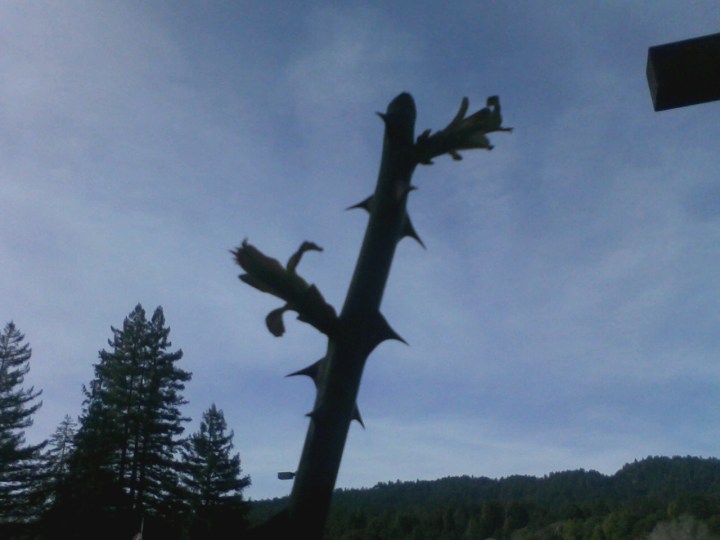
 Without specialized pruning while they are bare and dormant in winter, many deciduous fruit trees would be overburdened by their own fruit next summer. The production of excess fruit can waste resources. The weight can disfigure and break limbs. The trees certainly do not want to get so overworked; but they have been unnaturally bred to produce bigger, better and more abundant fruit.
Proper pruning of dormant fruit trees improves the structural integrity of the limbs, and limits the weight of fruit that will develop on the remaining stems. This might seem to be counterproductive, but it is the only way to keep limbs from breaking or growing so high that the fruit is out of reach. It also concentrates resources into fewer but superior fruit, instead of more fruit of inferior quality.
Dormant fruit tree pruning can not be adequately described in only a few paragraphs. Yet, it is so important and so specialized that anyone wanting to grow fruit trees should learn about it. Each type of tree requires a particular style of pruning. Something they have in common is that the ‘four Ds’, which are ‘Dead, Dying, Diseased and Damaged’ stems, obviously need to be pruned out.
The various stone fruit trees (which are of the genus Prunus) need various degrees of a similar style of pruning. Heavy fruit, like peach and nectarine, necessitate more aggressive pruning than does lighter fruit, like plum and prune. Lighter fruit is easier to support. Some cherry and almond trees may not need to be pruned every year. (Almonds are ‘stones’, and their hulls are the ‘fruit’.)
Flowers of next spring and fruit of next summer will develop on stems that grew last year. These stems need to be pruned short enough to support the fruit that can potentially develop on them. If too long, they will sag from the weight of the fruit. If too short, they will not produce enough fruit. Stems that grow beyond reach can be pruned even more aggressively to stimulate lower growth.
Apple and pear trees also produce on the stems that grew during the previous year, but produce more on short and gnarled spur stems that continue to produce for many years without elongating much. Therefore, the tall vigorous stems that reach upward, particularly from upper limbs, can be cut back very aggressively if necessary. Aggressive but specialized pruning keeps trees sturdy and contained, and also improves the quality of fruit production.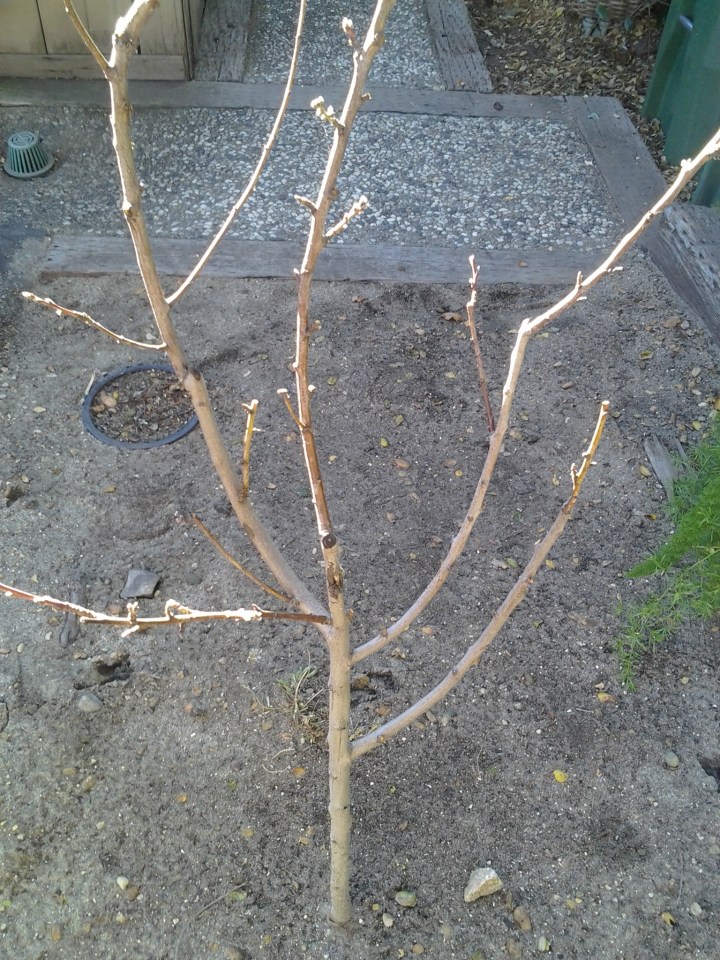
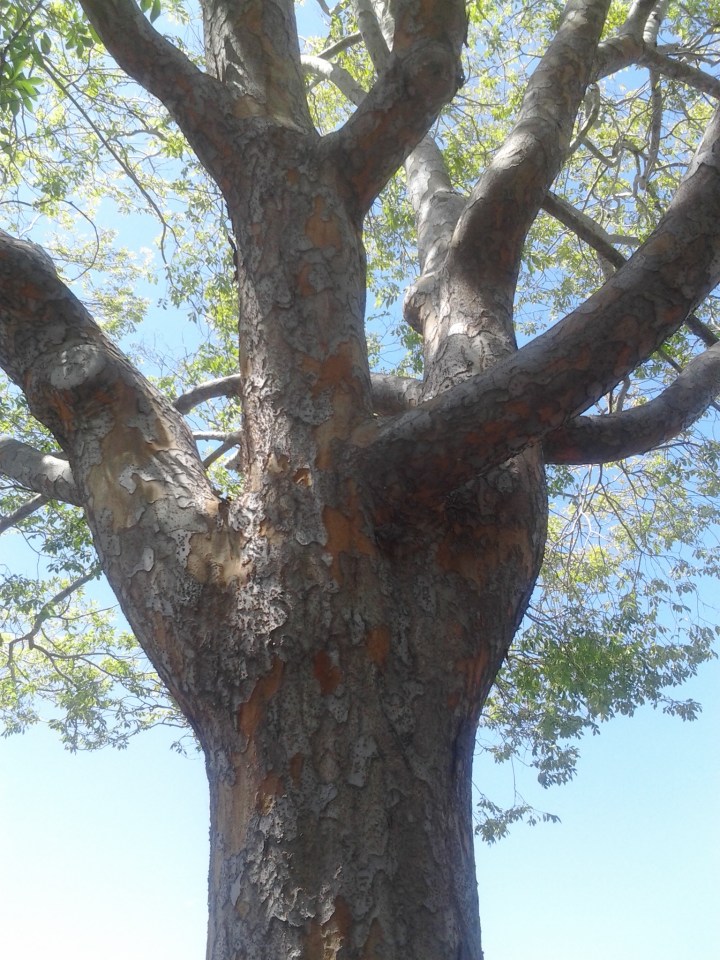 Now that winter is only two weeks away, and many deciduous plants are defoliating and dormant, it may seem as if there will be less work to do in the garden. After all, not much is growing. The funny thing is that this is the best time to sneak up on some of them, and prune them while they are sleeping. Depending on what is in the garden, winter can be just as busy as any other season.
 Tony Tomeo