Nearly everything in my garden has history of some sort.
1. Aloe arborescens, candelabra aloe came from the home of a friend in the East Hills of San Jose about twenty years ago. It is the only one of these six that was not just planted.
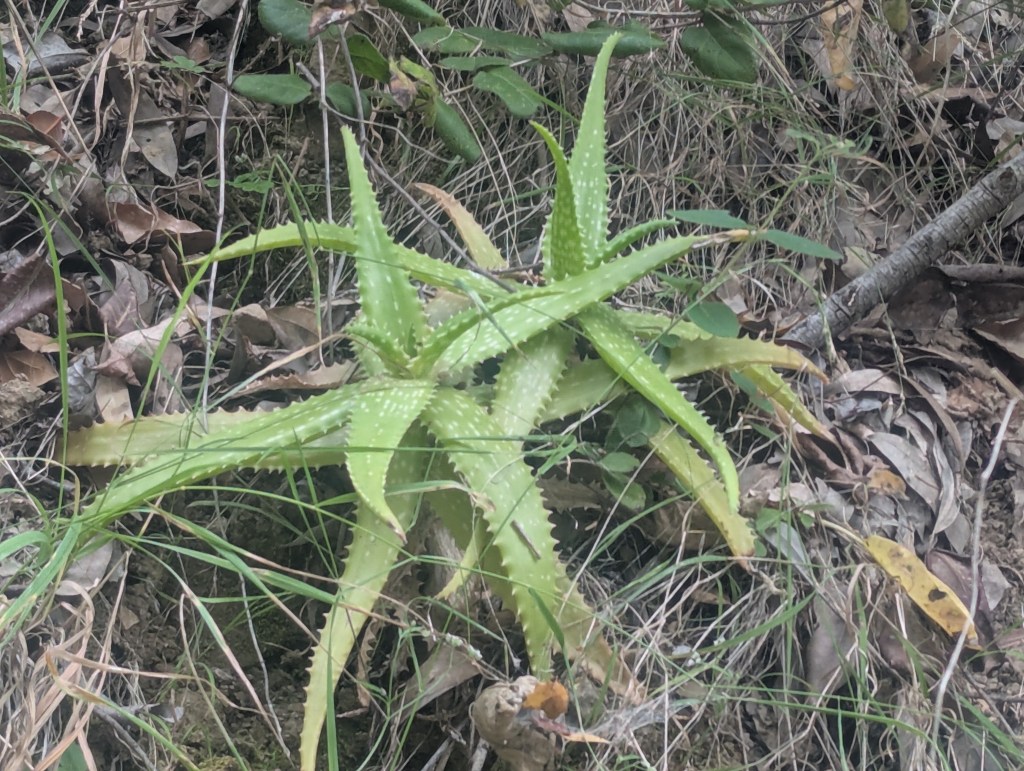
2. Aloe barbadensis, aloe vera came from my former neighborhood in town. I relocated decades ago, but got pups from a former neighbor who also took some to her new home.
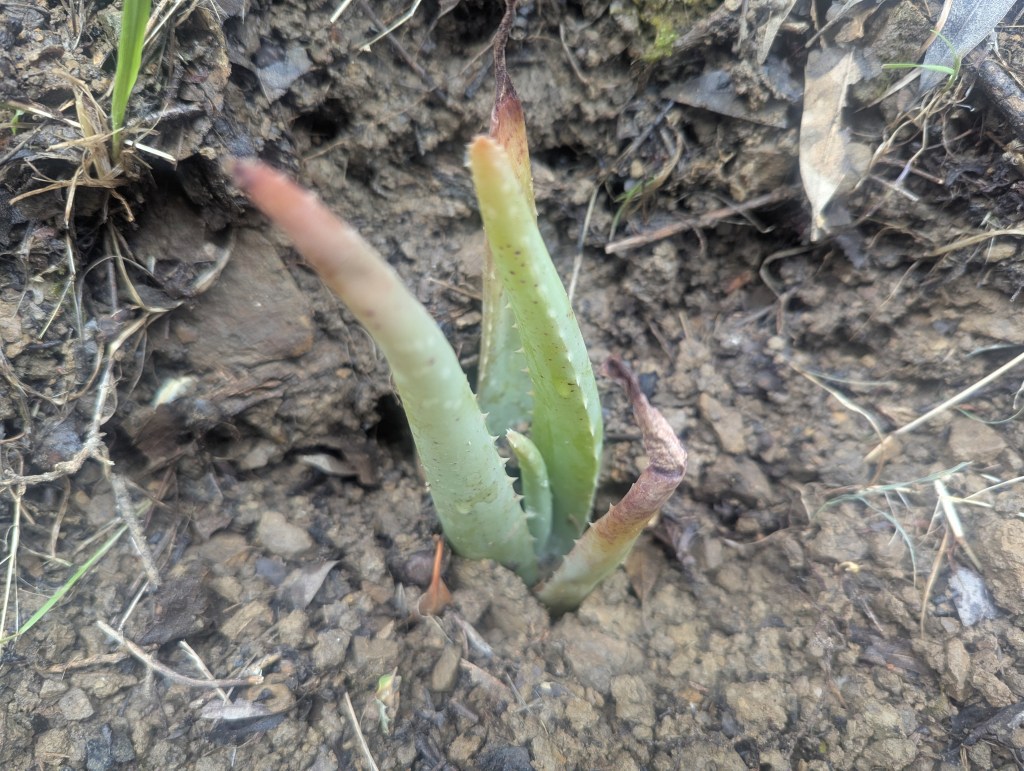
3. Hesperaloe parviflora, red yucca came from Surprise, to the northwest of Phoenix in Arizona, near the new home of my former neighbor who gave me the few aloe vera pups.
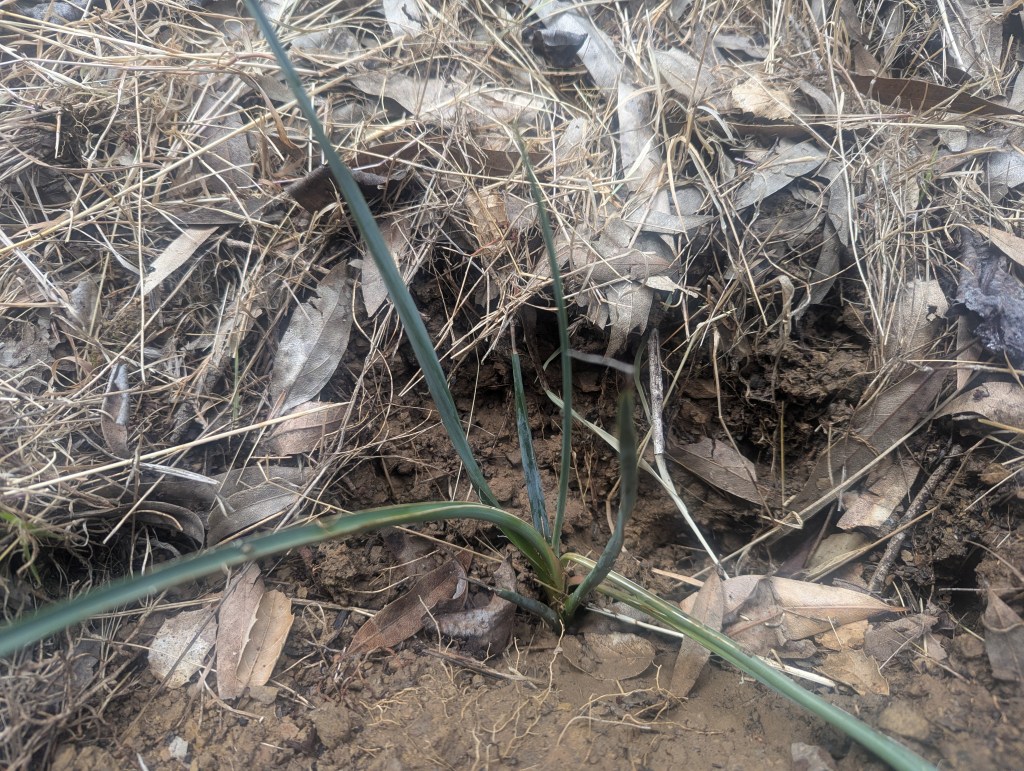
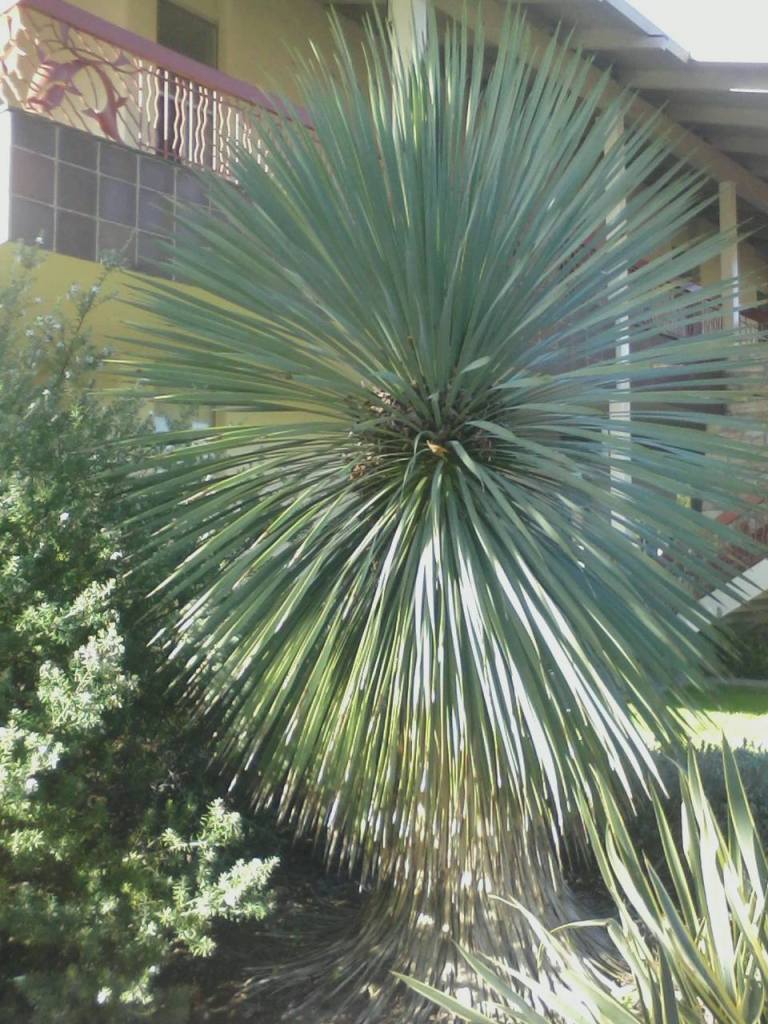
4. Yucca desmetiana ‘Blue Boy’ yucca was a Christmas gift several years ago. It had been confined to its can within partial shade for too long. It already has stout but bare trunks.
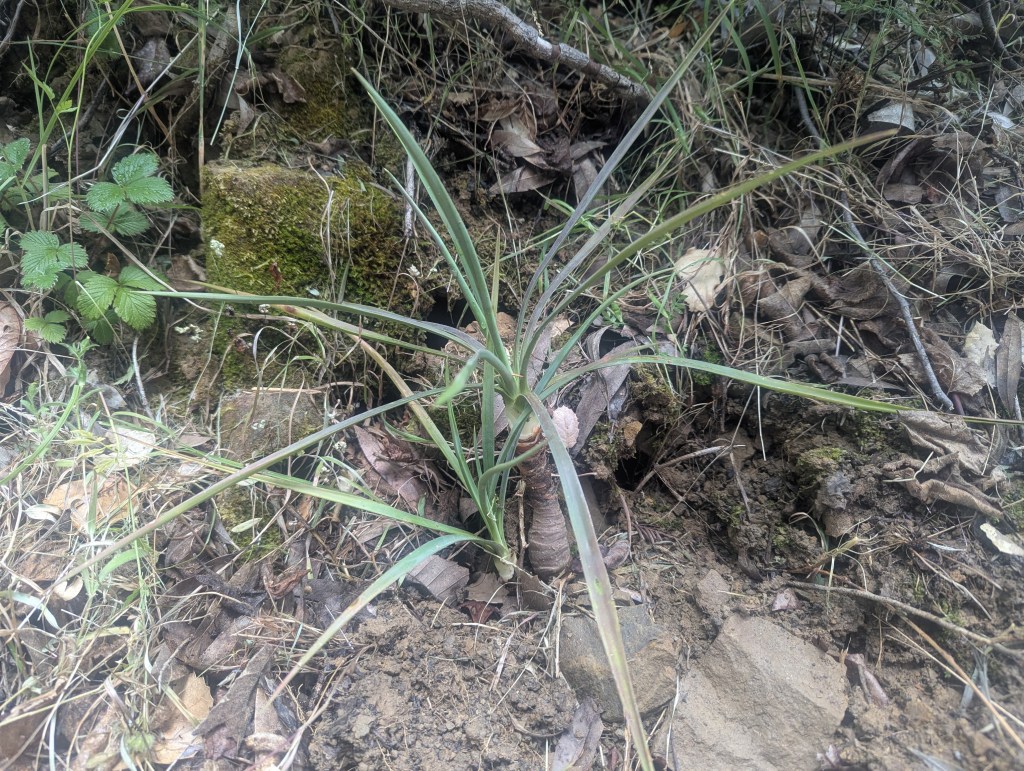
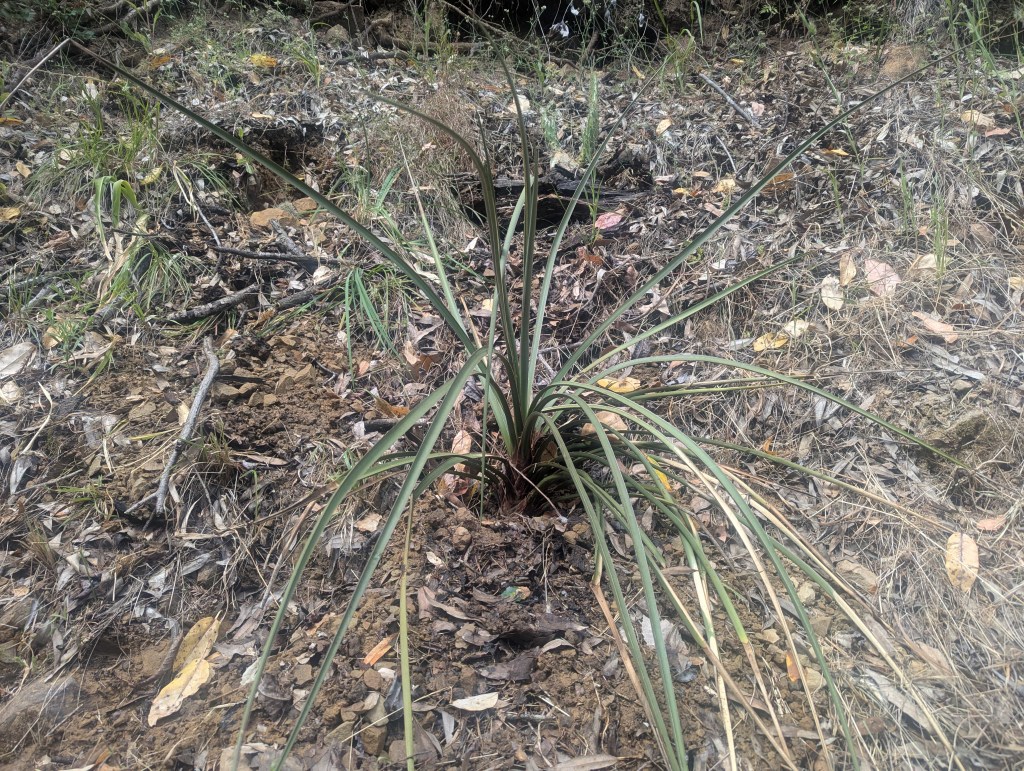
5. Yucca glauca, soapweed grew from seed that I collected at a gas station somewhere in New Mexico on the way to Oklahoma in late 2012. It must be happy to be in the ground.
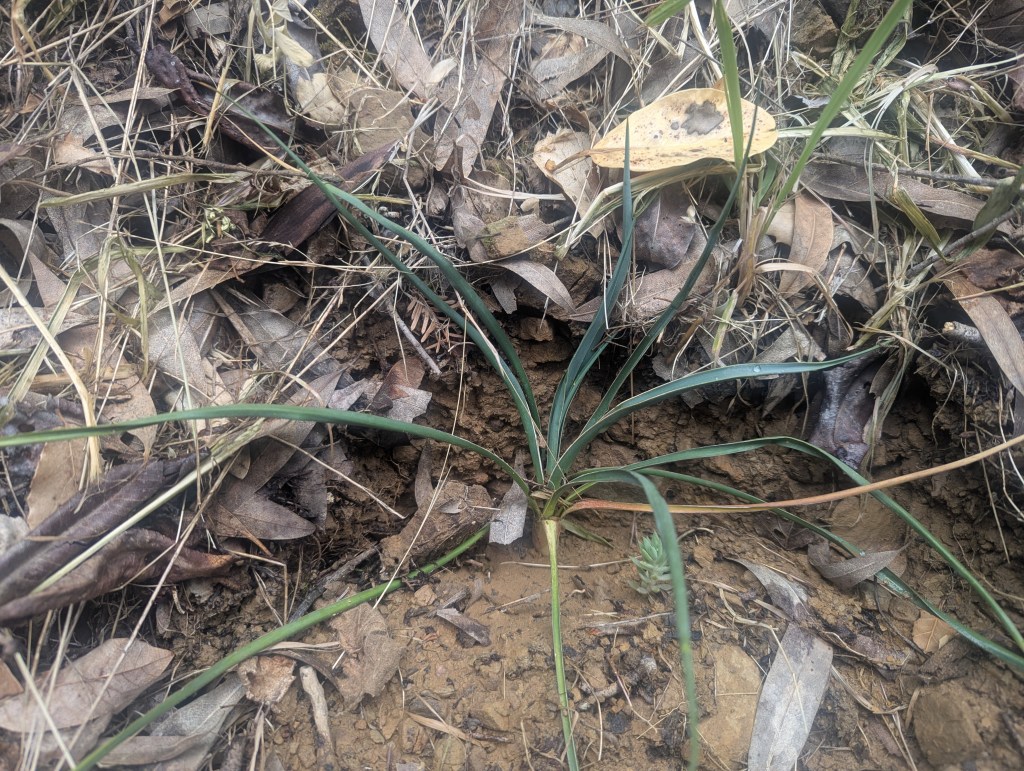
6. Yucca arkansana, Arkansas yucca, contrary to its name, came from Newalla, just east of Oklahoma City in Oklahoma, not long after I acquired the soapweed seed in late 2012.
This is the link for Six on Saturday, for anyone else who would like to participate: https://thepropagatorblog.wordpress.com/2017/09/18/six-on-saturday-a-participant-guide/



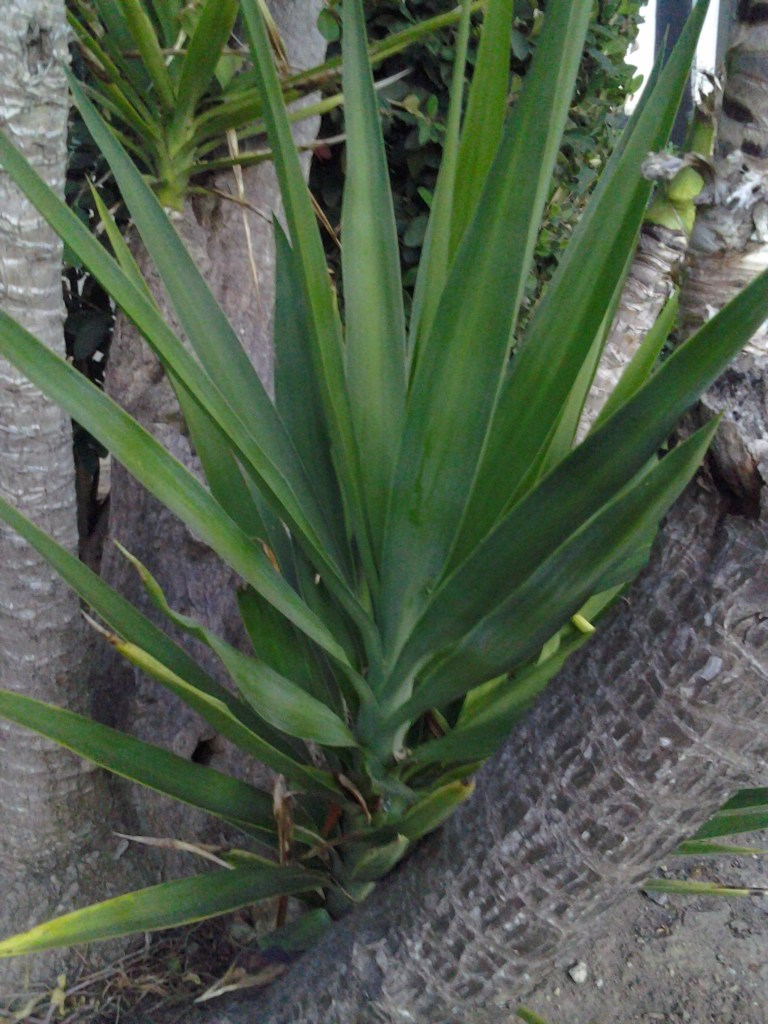

 From a simple picture, Spanish bayonet, Yucca aloifolia, is indistinguishable from the common giant yucca. The narrow leaves are about two feet long, and flare upward and outward from terminal buds. Plump conical trusses of waxy white flowers with purplish highlights stand vertically just above the foliage. The main difference is that the leaves are more rigid than they appear to be, with nastily sharp terminal spines.
 Yuccas are almost as useful as aloes are for gardening in chaparral or desert climates. I say ‘almost’ because most are not quite as friendly. The leaves are outfitted with nastily sharp tips. It is how they protect themselves from grazing animals in the wild, but it is not such an advantage in home gardens. Some actually have the potential to be dangerous where someone could bump into them. The leaves of Joshua tree can puncture leather. Some types of yucca get so big that they make it difficult to avoid their nasty leaves, even if planted in the background.

