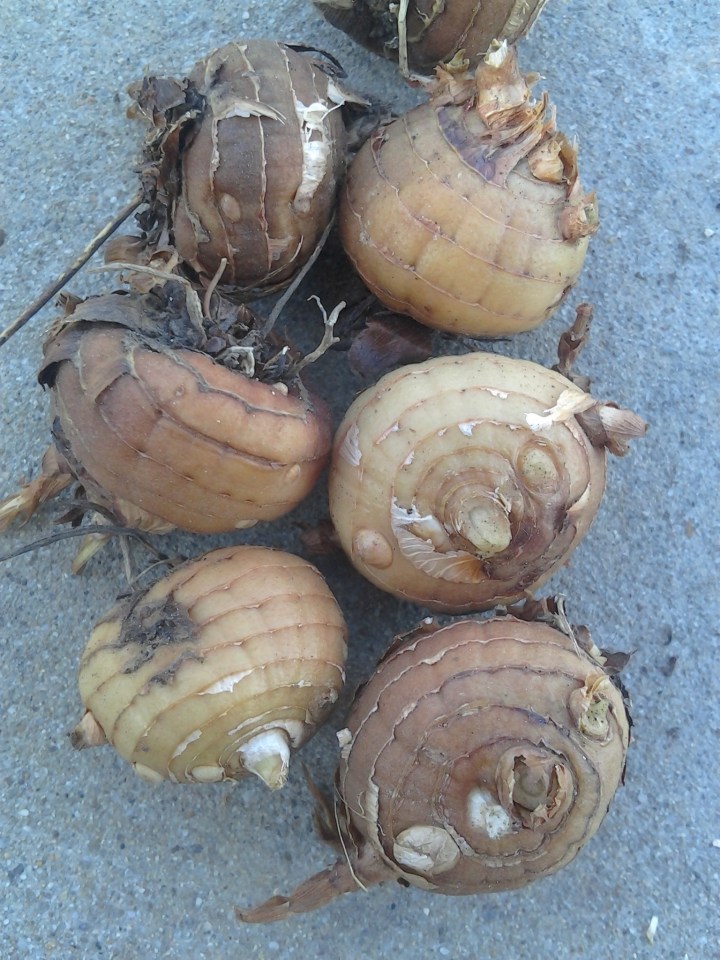
 Autumn is for planting. Cliche? Yes; but true. Autumn is when most plants are beginning dormancy, and are therefore not so bothered by the discomforts associated with transplant. The weather is cooler and wetter, so that even if they are bothered, such discomforts are not as discomforting as they would be in summer. Once in the ground, plants have a few months to recover before spring.
The two main exceptions to the rule that ‘autumn is for planting’ are plants that are sensitive to frost, and bare root plants. Plants that are sensitive to frost should obviously be planted after the last frost date, at the far end of winter. Bare roots plants do not wait that long, but should wait until they are completely dormant in mid winter before being dug, separated from their soil, and relocated.
Dormant bulbs and bulb like plants, including corms, rhizomes, tubers and tuberous roots, epitomize the autumn planting rule. They must be planted while dormant in autumn or winter. They arrive in nurseries about the same time that they should be planted into the garden. Spring blooming bulbs become available and should be planted earliest. Summer bulbs become available a bit later.
Daffodil, narcissus, tulip, crocus, hyacinth, grape hyacinth, freesia, anemone, ranunculus, montbretia, crocosmia, most lily and some types of iris will all want to get into the ground when the rain starts. Rain leaching through the soil around them, as well as cooler temperatures through winter, tell them what time of year it is, so that they will be ready to bloom when weather warms in spring.
Each type of bulb prefers to be planted at a particular depth. Bearded iris rhizomes want to be buried horizontally, just below the soil surface. As long as the latest get planted within their respective planting season, some types of bulbs can be planted in phases every week or two, so that a later phase starts to bloom as an earlier phase finishes. Daffodil, narcissus and especially grape hyacinth have the potential to naturalize and bloom annually. Montbretia and crocosmia can be downright invasive.
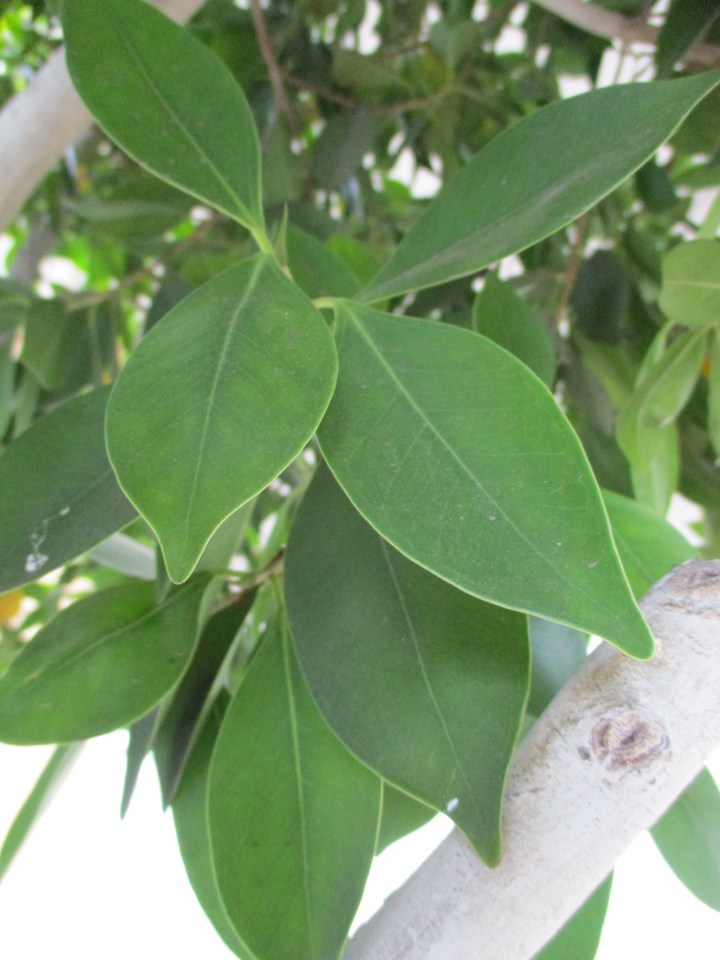 It is hard to believe that such a delightfully robust and luxuriant tree like the Indian laurel,
 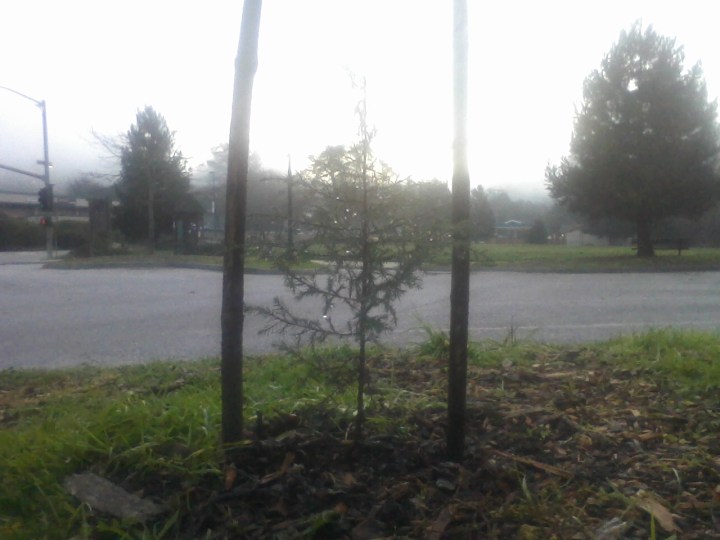 The little Memorial Tree in Felton Covered Bridge park that I so frequently write about is not the first to be planted there in its parking lot island. It is actually the fourth! The first was a California black oak like the other four in the other islands. They were all planted with the original landscape. It did not live there long before getting run over by a car. The island was empty for many years.
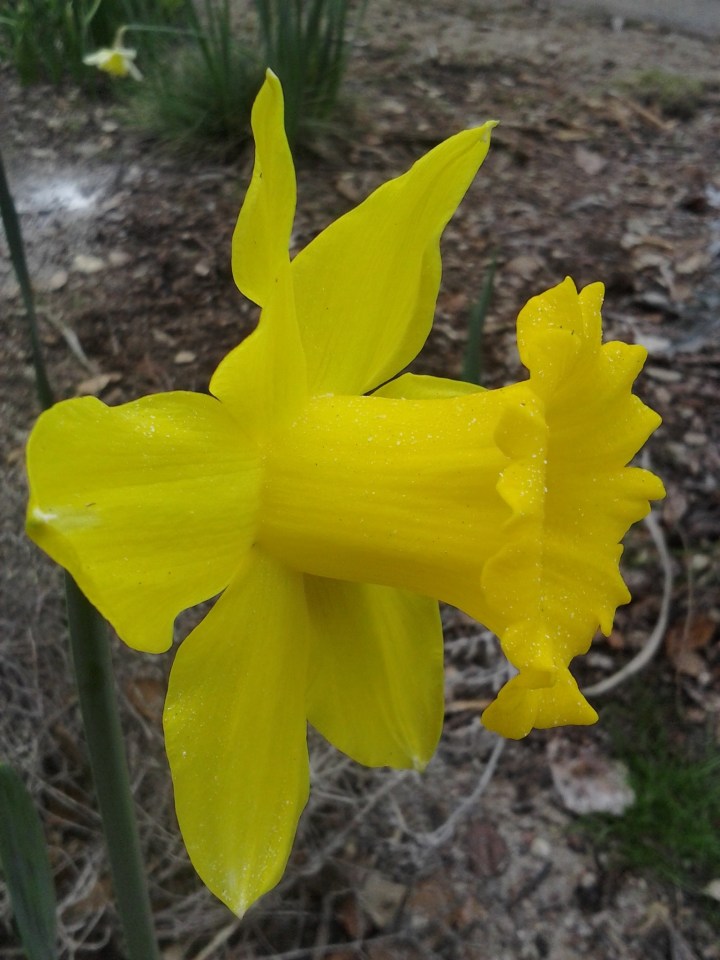 They are certainly not much to look at now. They are even less interesting once buried out of sight in the garden. The big and colorful pictures on the boxes that they arrive in are probably a bit more spectacular than the flowers expected early next spring will actually be. Nonetheless, it will be amazing to see such flashy bloom emerge from seemingly lifeless bulbs that get planted now.
 I prefer to call it ‘autumn’. It sounds prettier. Perhaps it even sounds a bit more exotic, like something that happens in far away climates were the seasons are more distinct, and the weather gets a bit cooler this time of year.


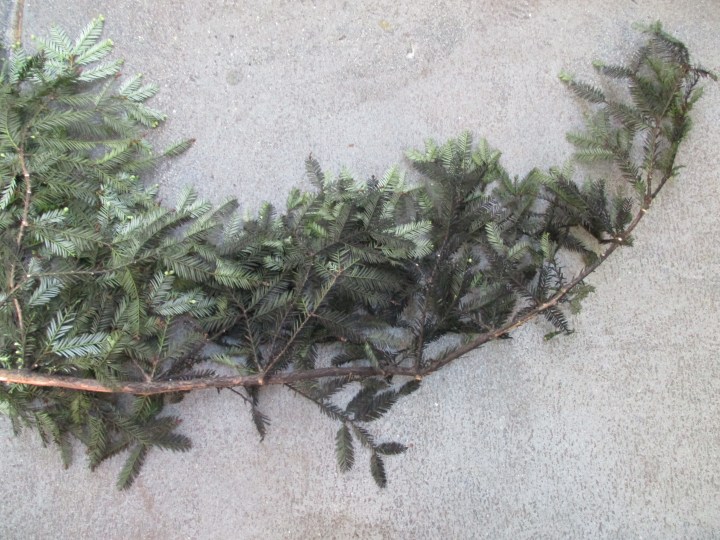



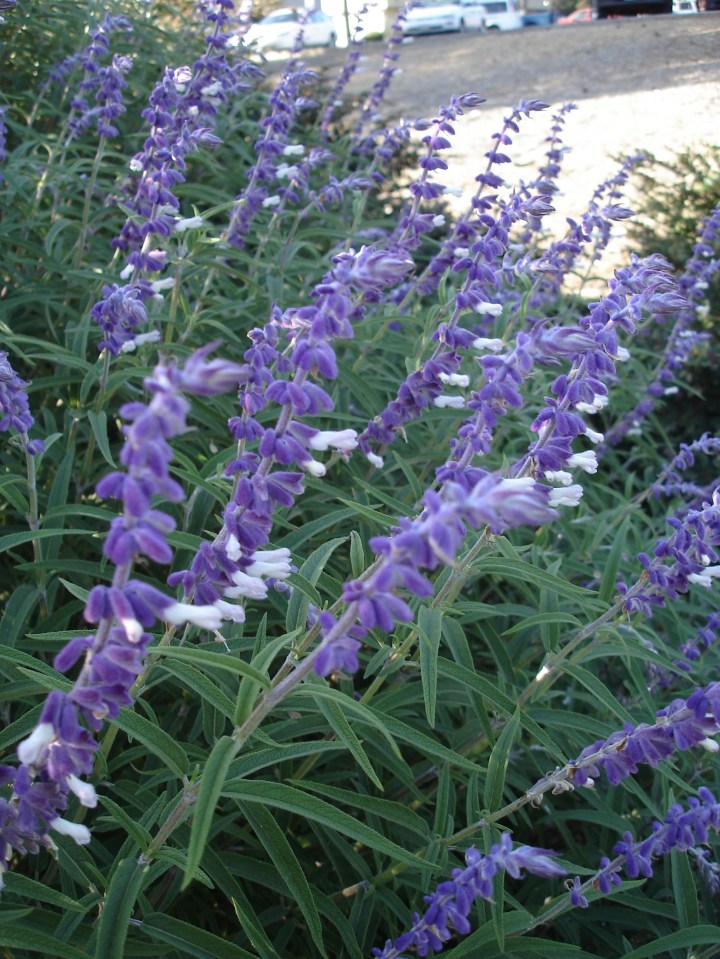 In the first year, Mexican bush sage, Salvia leucantha, does not get very big. Then it gets cut back to the ground at the end of winter. It gets about twice as big in the second year, only to get cut back again as winter ends. By the third or fourth year, healthy maturing plants can grow to five feet tall and seven feet wide each season. While cut back, big clumps can be divided to propagate.
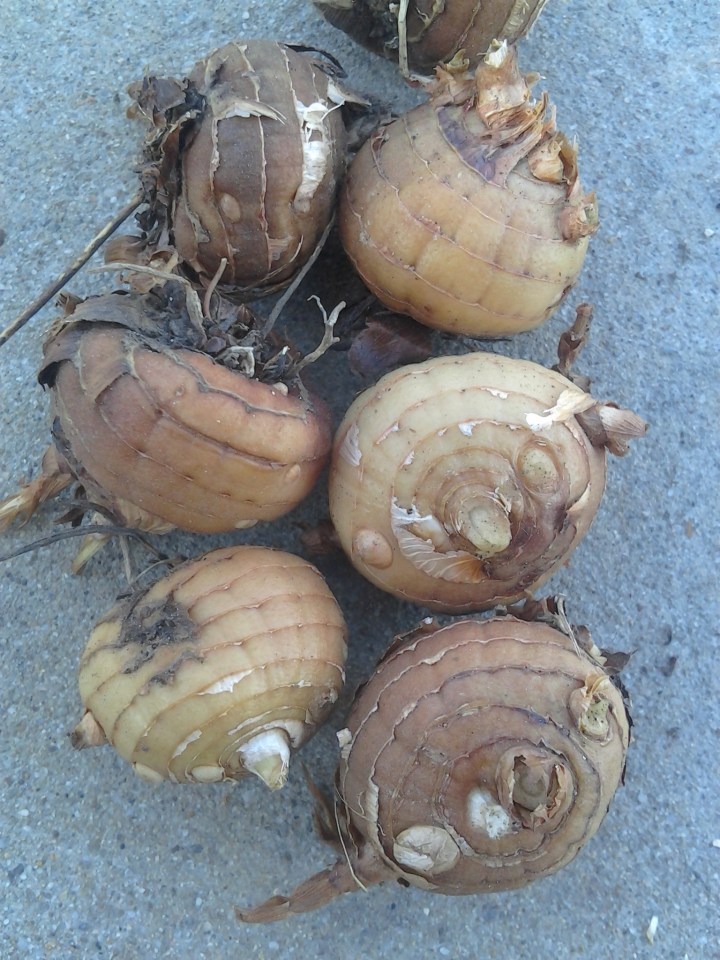 After working so hard to bloom so impressively in spring or summer, bulbs redirect their efforts into saving up their energy for winter dormancy. That is why their fading foliage lingers after faded flowers get pruned away. The foliage eventually dries and deteriorates, leaving plumped dormant bulbs to overwinter underground. It is all their natural life cycle.
 I work for the best. I do not intend to be too terribly pompous about it. I am just being honest.
 The three most popular specie of Dianthus are sweet William, garden pink and carnation. Sweet William and garden pink are light duty perennial bedding plants that are often grown as annuals. Carnation blooms are more familiar as fragrant cut flowers than as home garden flowers. Then there is dwarf carnation, Dianthus caryophyllus, that combines the best characteristics of all three.
 Tony Tomeo