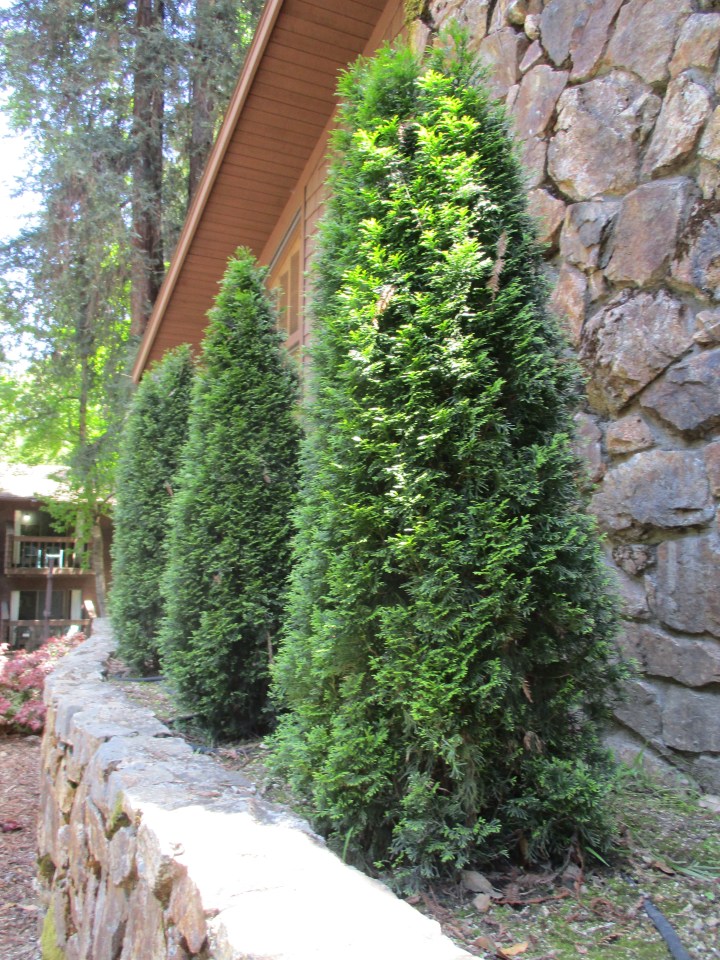
 We all know what autumn is for. Planting, of course. Yes, it is a recurring theme; but there are so many different things to plant. Dormant bulbs need to get into the ground before cool and rainy winter weather. Deciduous plants that should be planted while dormant prefer an early start if planted as soon as they defoliate in autumn. Believe it or not, most evergreen plants are no different.
Evergreen plants do not experience the degree of dormancy that defoliated deciduous plants do, but they too are significantly less active during autumn and winter than they are during warmer weather. Therefore, if possible, they should also be planted in autumn, so that they can begin to slowly disperse roots through winter, to be ready to resume growth as weather warms next spring.
All planting should be planned. This is more important for trees, big shrubbery and other plants that are difficult to relocate once they have dispersed their roots. Some broadleaf evergreens that get bigger than expected can be pruned into submission. However, most coniferous evergreens are notoriously difficult to contain if they get too big for the situations into which they get planted.
‘Coniferous’ plants are those that produce cones. Cypress, pine, fir, spruce, cedar and redwood are the more familiar coniferous trees. Most coniferous trees, except for most of the various cypress, have excurrent branch structure, with lateral limbs extending from a central trunk. They can not be pruned down without disfiguring their central trunks. Lateral limbs can be disfigured if pruned back. Such trees should therefore be planted where they can grow unobstructed to mature size.
Juniper and arborvitae are some of the more familiar of coniferous shrubbery. They can be shorn even into formal hedges, but only if shorn very regularly. Their dense foliage shades out interior foliage. If they get too big for the respective situations, they can not be pruned back into submission without exposing their bare interiors. Once exposed, bare interior stems may never recover.
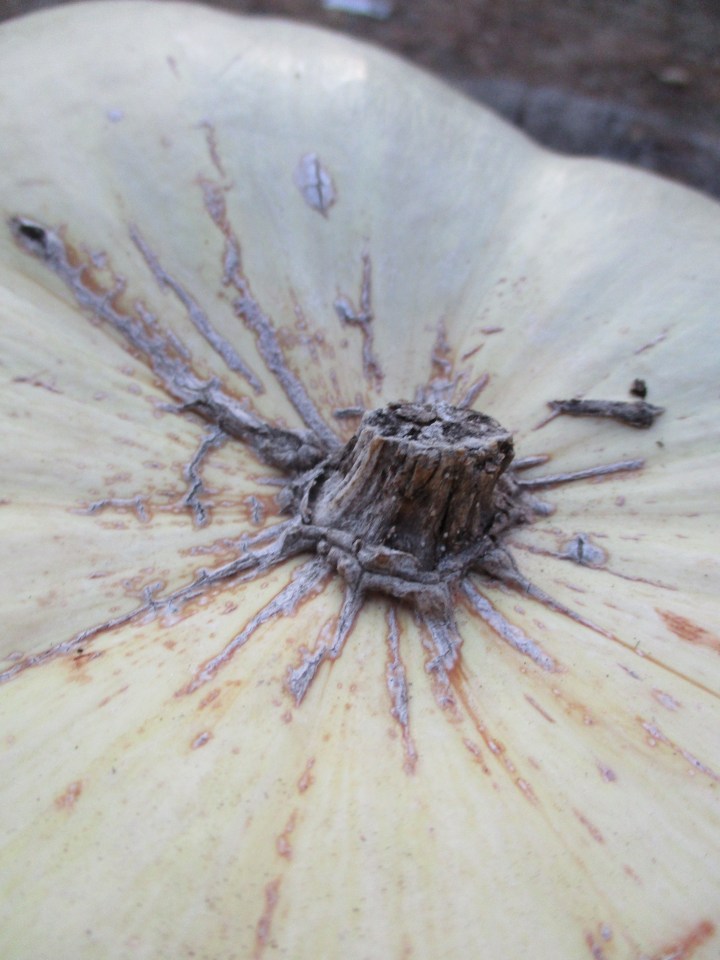 Their creamy white exteriors do not reveal much about the flavor within. They looks like they might taste like vanilla, or coconut, . . . or maybe Swiss cheese. Below the white skins, white pumpkins (Curcubita pepo) have orange flesh that really tastes like other pumpkins, but maybe a bit milder, like ‘pumpkin-light’. They are popular because they look so cool, and make great jack-o-lanterns.
 I really believed that I had something special here. A few fruit trees that are either remnants or descendants of remnants of fruit trees of the old Zayante Rancho have survived on a vacant parcel east of town.
 With all the talk about replacing warm season vegetables and bedding plants with their cool season counterparts this time of year, we should also address the irony of summer squash and winter squash. Their designations suggest that they too grow in specific seasons; summer and winter. Duh. It would make sense that summer squash would be replaced by winter squash during autumn.
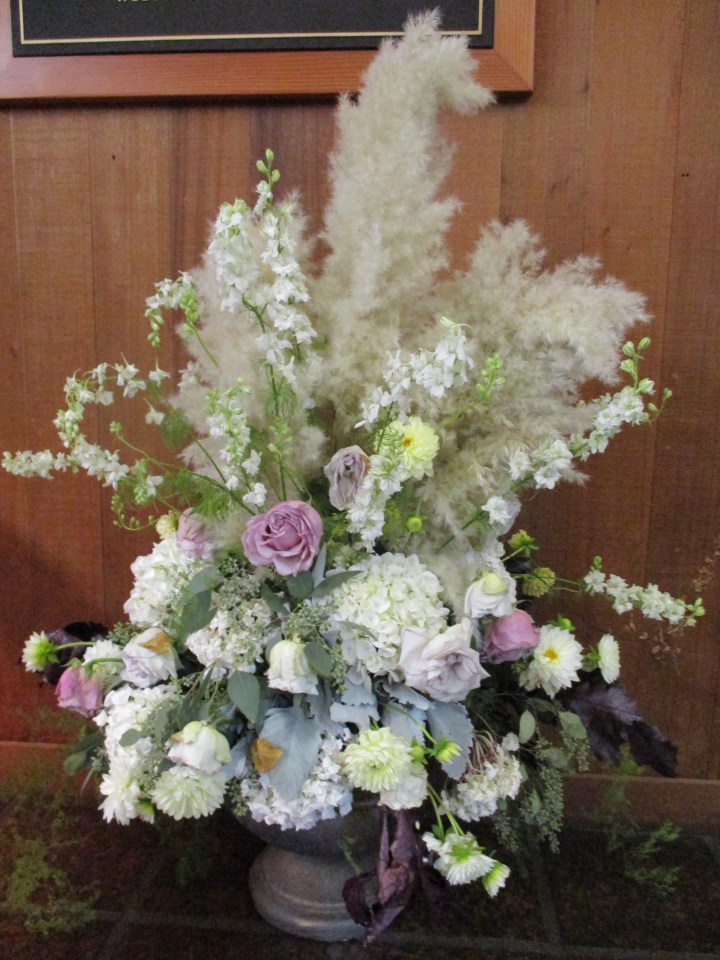 ‘V-A-S-E ‘ is probably how it is spelled, just like that which is pronounced exactly as it looks, or ‘vays’. ‘Vahz’, ‘vawz’ or ‘voz’ just sounds fancier, . . . or bigger.

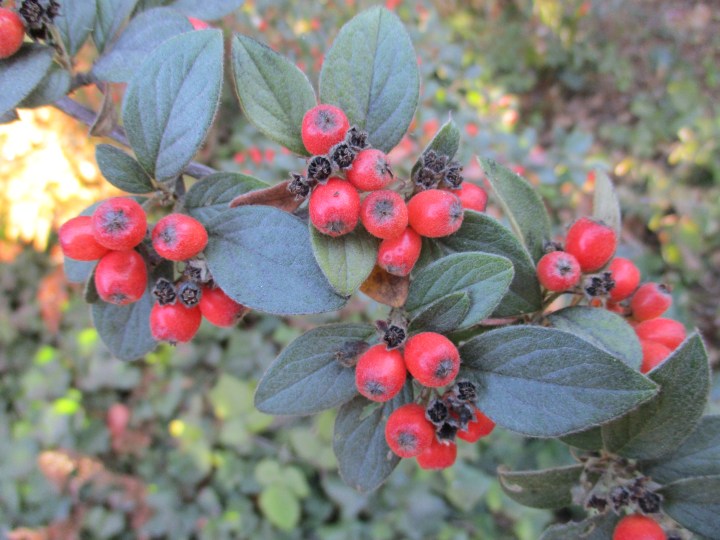

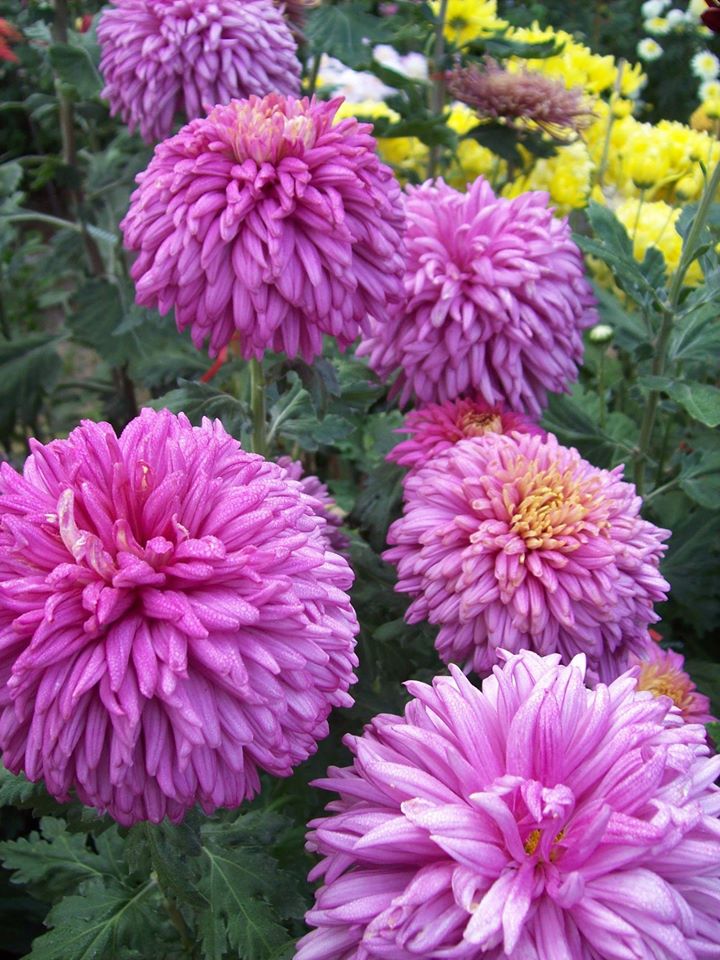 It is impossible to fit enough information about chrysanthemums into just a few sentences. Centuries of breeding have produced too many cultivars to document. Flower color ranges through many shades and hues of yellow, orange, red, pink, bronze, cream, lavender and almost purple, as well as white. (True purple is purportedly lacking.) Many have yellow centers. The deeply lobed leaves are strongly aromatic.
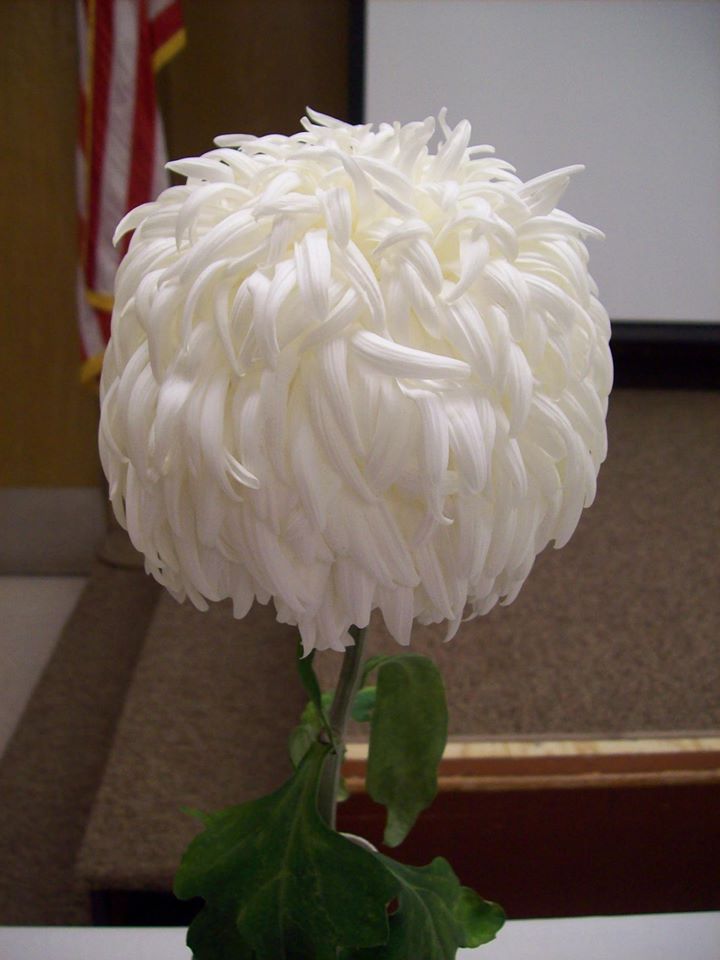 Only a few decades ago, when horticulture was taken more seriously, potted blooming plants like chrysanthemums, orchids, azaleas, hydrangeas, lilies and even poinsettias, got the respect that they really deserve. Now they are more commonly purchased in full bloom, enjoyed only as long as their bloom lasts, and then discarded as their blooms deteriorate.
 There are many different types of horticulturists. We are all unique, both individually as well as collectively within our respective professional group classifications. For some of us, individuality interferes with conformity to the collective generalizations that are so commonly associated with our collective groups. For some of us, the stereotypes are a perfect fit.
 It is native from the extreme southern tip of Alaska to the extreme southwestern corner of California, but not many of us will see bigleaf maple, Acer macrophyllum, in our neighborhoods. It is planted only rarely, particularly where winters are mild. Relative to other maples, its roots can be more aggressive, and its shade can be darker, so is likely to interfere with lawn and other plants.
 Tony Tomeo