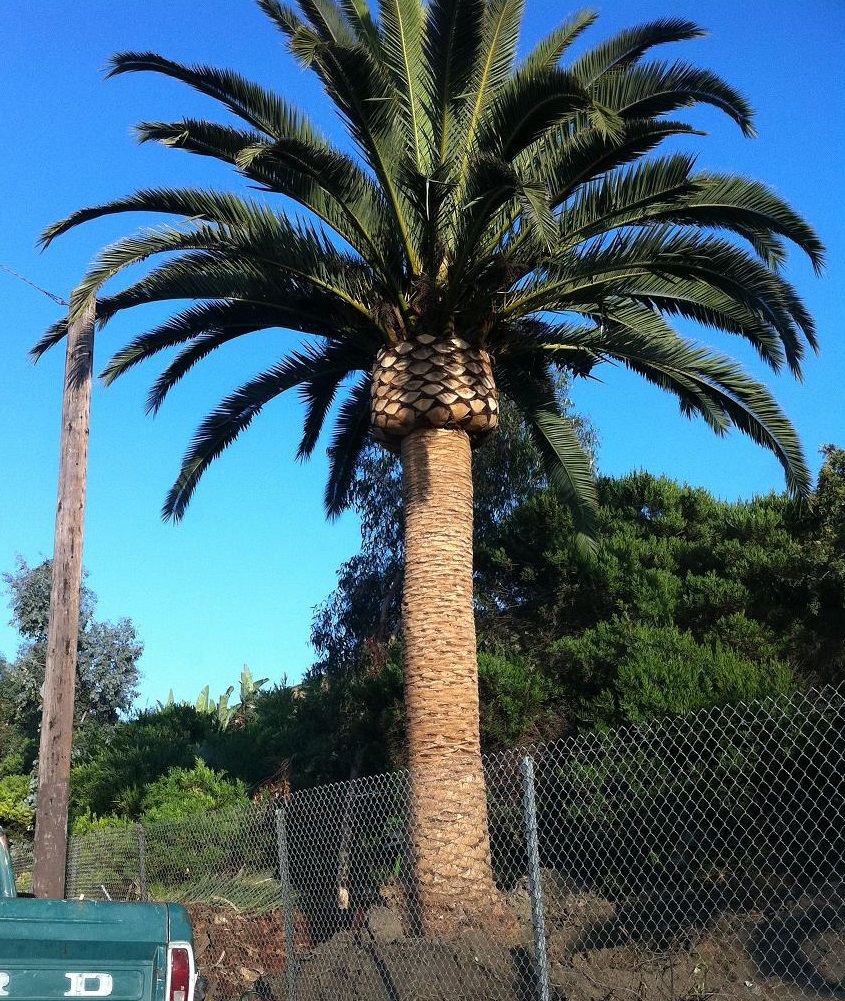
Pollarding Pruning Techniques Remain Controversial

Pollarding is pruning to the extreme.

Olive orchards formerly inhabited some of the regions that became urban in California. A few orchard trees remained within urban gardens of the homes that encroached on them. Unfortunately, for those who did not utilize the abundant olives, these trees were horridly messy. Many decades ago, pollarding eliminated the mess without eliminating the trees.

Pollarding is extreme pruning that eliminates all but the main trunk and a few main limbs. It deprives olive trees of their ability to bloom, by eliminating stems of a previous season that would otherwise bloom during the next season. Fruit can not develop without bloom. For other trees that bloom only on older stems, pollarding eliminates bothersome pollen.

Pollarding has several other practical applications. It confines trees that would otherwise get too big for their respective situations. It enhances foliar color and texture for trees that display colorful foliage through summer, such as Schwedler and Princeton Gold maples. Red twig dogwood generates more colorful twigs, and more abundantly, after pollarding.

For agricultural purposes, pollarding generates lush vegetative growth of white mulberry to sustain silkworms, or other vegetation for livestock. It similarly generates long and thin willow stems for basketry. Various eucalypti rely on pollarding to produce juvenile foliage that is colorful and healthy enough for floral design, or aromatic enough for essential oils. 

Nowadays, pollarding is unfortunately passe and even vilified. Consequently, almost no arborists learn about it. Because it is technically disfiguring and potentially unsightly, it is undesirable for many situations. Annual repetition is needed to prevent bloom or fruiting. Otherwise, restorative pruning or more extreme pollarding eventually become necessary. 

For pollarding, proper technique is imperative. Such severe pruning must happen during winter dormancy. It would it be too stressful during vascular activity. Besides, bark would be very susceptible to scald if so suddenly exposed during warmer and sunnier weather. Pruning cuts must be very neat, and back to any old pollard cuts, without stubs to inhibit healing.

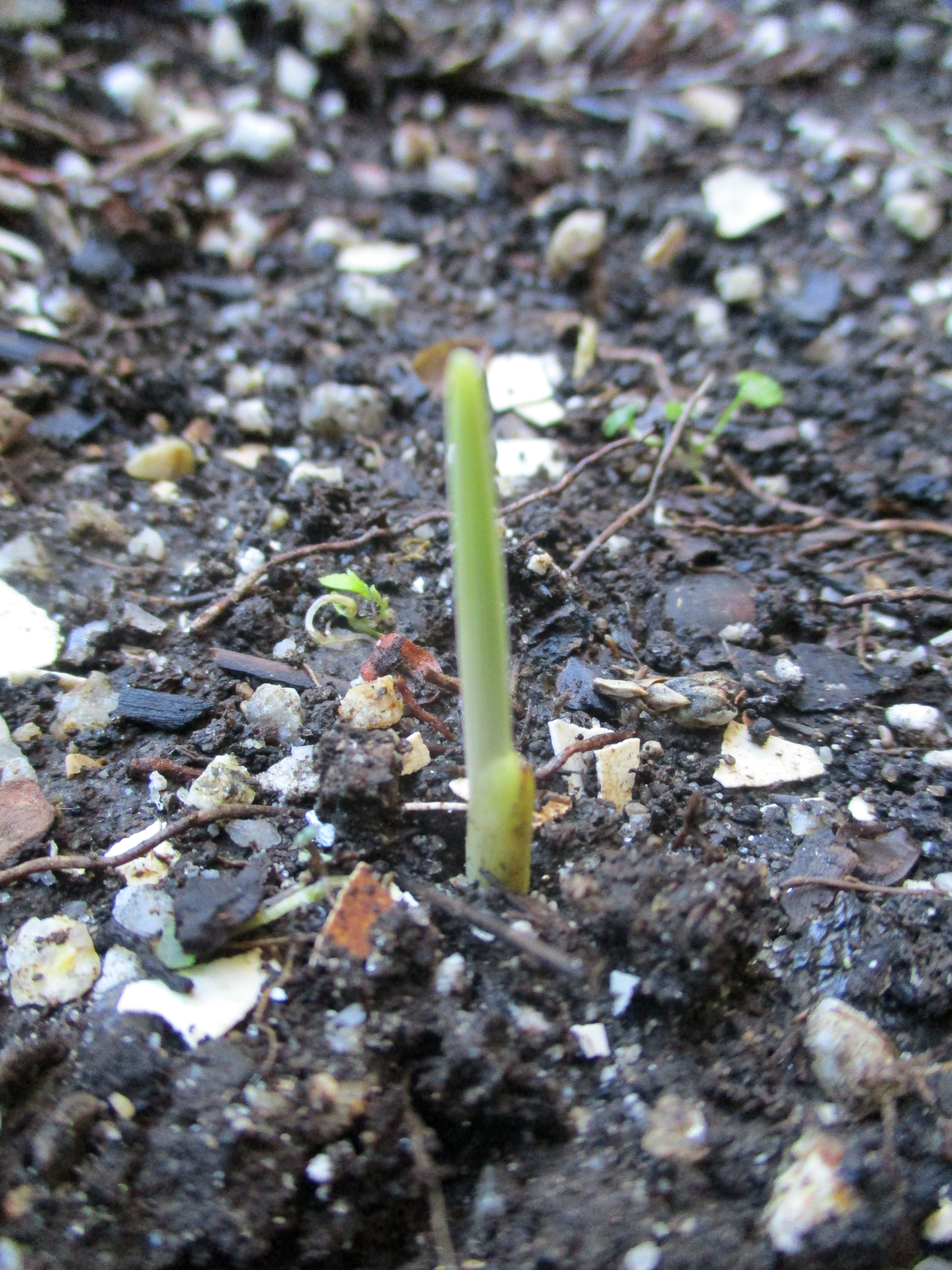
Gladiolus papilio (from the author of Tangly Cottage Gardening Journal)

Oh my! This is still one of my favorite topics! Since this article posted, these perennial Gladiolus papilio have done quite well, and perhaps too well. They are one of my favorite perennials now, partly because of their history.

tonytomeo's avatarTony Tomeo

p90127https://tonytomeo.com/2018/11/10/six-on-saturday-tangly-cottage-gardening-journal/

This link is to the original post to ‘Six on Saturday’ that was about the four dozen or so Gladiolus papilio bulbs that the author of Tangly Cottage Gardening Journal sent to me at the end of last October.

I tried to not get too eager about these new bulbs. I sort of watched their site shortly after planting them, just to make sure they were safe. Once they were planted, nothing else was done there. There was a bit of frost just to let them know what time of year it is. The rain has been soaking the ground for them.

More recently, I noticed that some of the spring bulbs, particularly narcissus, are blooming elsewhere. Daffodils with bigger flowers are just about to bloom. Even though I know that the summer bulbs bloom a season later, I also know that, their foliage starts to develop quite some…

View original post 150 more words

Not My Style

Artistry simply is not my forte.

tonytomeo's avatarTony Tomeo

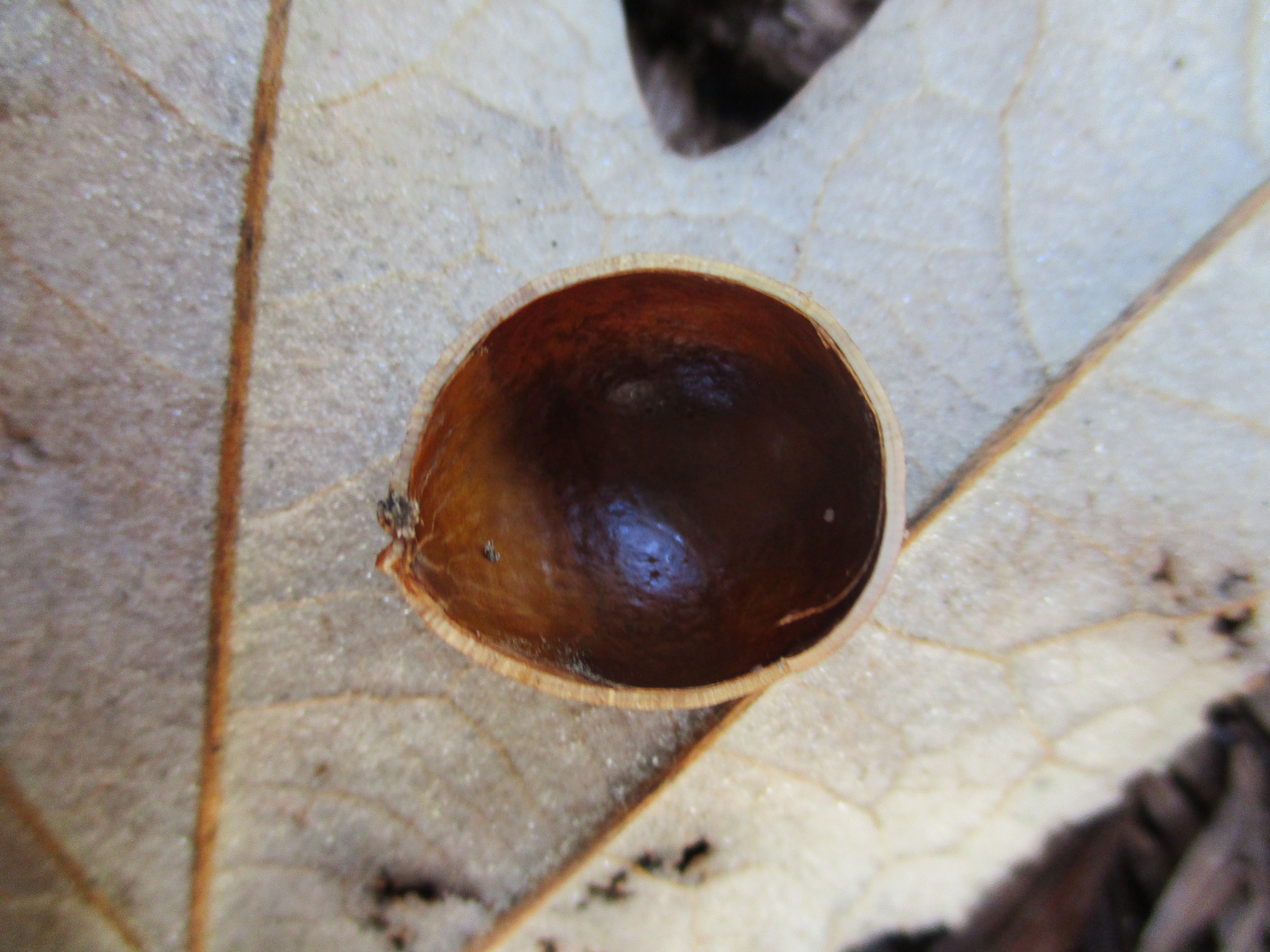
P90202KThere is no shortage of artistic pictures online and within the context of gardening blogs. Some really are fascinating. I particularly like those that show the weather in far away and mythical lands like Colorado, Chicago, North Carolina, Australia, Oklahoma, New Zealand, Austin, and South Africa. Then there are the cats, dogs, hens, horses, pigs, and a few others that are not so entertaining. The close ups of flowers, fruits, leaves, mushrooms and any variety of odds and ends are amusing if they are not immediately recognizable. Yet, all these pictures are not my style. I am not the artistic sort.

I will try though. This shiny chestnut brown acorn half shell just looked like something that I should get a picture of. It was just laying there on the big sycamore leaf as if it were on display. The interior is even shinier and more richly colored than the…

View original post 154 more words

Six on Saturday: Isolation

I seem to have flunked my Covid test. Nonetheless, I felt that I was sick with ‘something’ that, regardless of how minor, should not be shared. I would have ignored it a few years ago. That is no longer an option. I isolated at home for the past week, avoided work, and did not venture out much. Consequently, I did not take pictures for this Six on Saturday. Half were taken here at the last minute. Half were taken prior to last week.

1. Esperanza and poinciana (pride of Barbados) seed from Crazy Green Thumbs got here a month ago. Sowing is delayed for frost. I am too ashamed to say what happened to the esperanza seed from The Shrub Queen earlier. I will explain when I sow these after frost. 

2. Pineapple sage grew from five cuttings on a windowsill right in the middle of winter. I had no plan for them when their original stem got in my way at an ATM. It needed to go. 

3. Hottentot fig, which is also known as common freeway iceplant, gets no respect. I was pleased to see it mixing with other succulents for a planter box in town earlier last week.

4. Narcissus bloomed at about the same time that I saw the Hottentot fig in town. It was in our landscapes though. It brings back childhood memories of summering in Montara. 

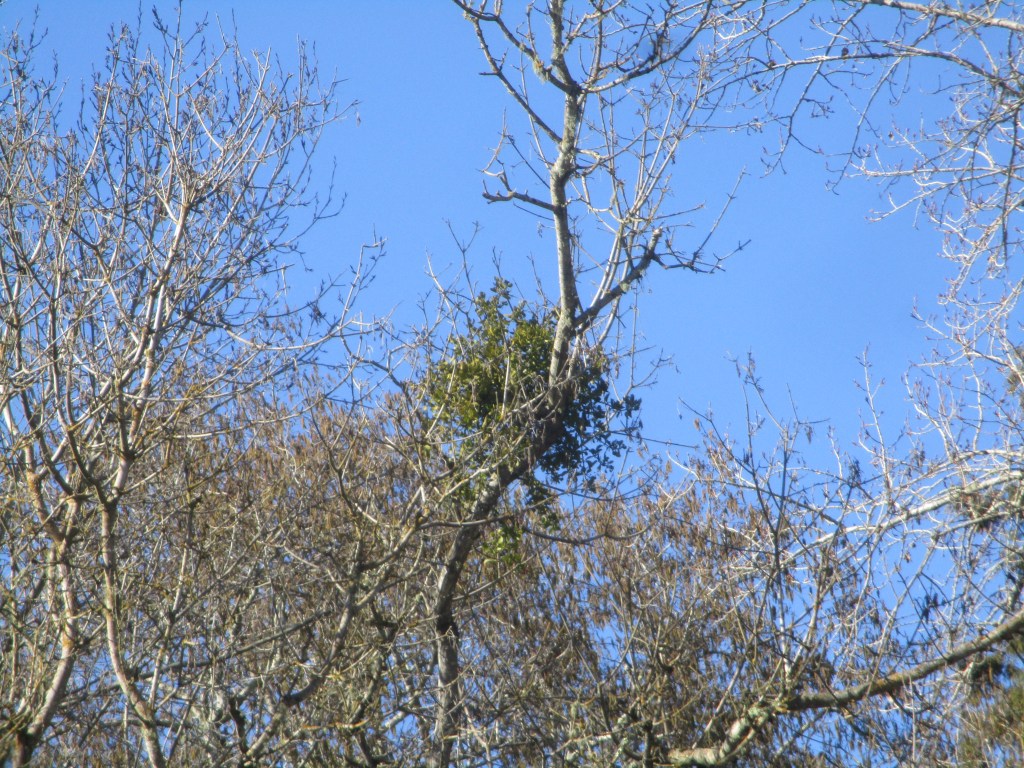
5. Mistletoe is making a comeback, after an unexplained decline a few years ago. I really wanted to show the unseasonably clear blue sky, but this seemed to be more interesting.

6. This is how the weather should behave at this time of year. There has been no rain for a month or so. It is quite dry. I believe that I recorded this video on Christmas morning.

This is the link for Six on Saturday, for anyone else who would like to participate: https://thepropagatorblog.wordpress.com/2017/09/18/six-on-saturday-a-participant-guide/

Red Ironbark Eucalyptus

The pendulous foliage of red ironbark eucalyptus moves softly in the breeze. The tall, curvy trunks are elegant and sculptural.

The many varied eucalypti never seem to outgrow the bad reputation of the blue gum and red gum eucalypti that get too big, messy and dangerous for urban gardens. Fortunately though, most others do not get nearly as large, and many stay proportionate to urban gardens. Their smaller canopies are neither as messy, nor as structurally unsound. Their adaptability to so many California climates and tolerance of aridity are serious advantages.

Red ironbark eucalyptus, Eucalyptus sideroxylon, is one of the mid-sized eucalypti that can eventually get quite tall, so is probably best where it has room to grow. Pruning for containment in compact gardens is actually quite a bit of work. Their coffee colored and deeply furrowed bark on elegantly sculptural trunks and limbs contrast nicely behind the mint frosting colored and softly pendulous foliage. The lanceolate leaves are about five inches long and three quarters of an inch wide. Flowers are almost always pinkish red, but can be pink or white.

Only Arborists Specialize In Trees.

Big trees need real arborists. Even the best of gardeners should not be expected to perform major specialized arboricultural techniqes.

Just as most problems in landscapes are caused by maintenance gardeners hired to maintain the landscapes, many of the problems with trees are caused by those hired to fix such problems. Arboriculture, which is the horticulture of trees, really should be performed, or at least directed, by professional arborists. It is too specialized to expect it to be done properly by those lacking education and experience.

Even the few proficient gardeners who can perform most aspects of gardening well are not likely as proficient with proper arboriculture as arborists are, not only because it is so different from other gardening, but also because of the techniques and tools involved. Gardeners compare to arborists something like those who clean windows on skyscrapers. Custodians who clean windows on the highest floors from the inside probably would not want to clean the same windows from the outside like window washers do. There are just too many differences in the two related but vastly different types of work.

Arborists who are certified by the International Society of Arboriculture, or ISA certified arborists, are the most qualified to assess the health, stability and structural integrity of trees, and to then prescribe any necessary arboricultural procedures. These arborists have passed an examination of their arboricultural expertise, and maintain their certification by continued involvement with ISA educational seminars, workshops and classes.

Arborists and the tree service businesses that they are affiliated with are easy to find at the website of the ISA at www.isaarbor.com. They can be found directly by name, or regionally by city or ZIP code. The website is also an excellent resource for those wanting to learn more about trees and the importance of proper arboriculture.

Trees are the most substantial features of landscapes, and are really worthy of more respect than they commonly get. Structural problems or instability can be serious problems, not only to the affected trees, but also to anything around them that might be damaged or destroyed by falling limbs or even entire trees. Proper arboriculture helps to keep trees healthy and reasonably safe for many decades or centuries.

Horridculture – Slurry

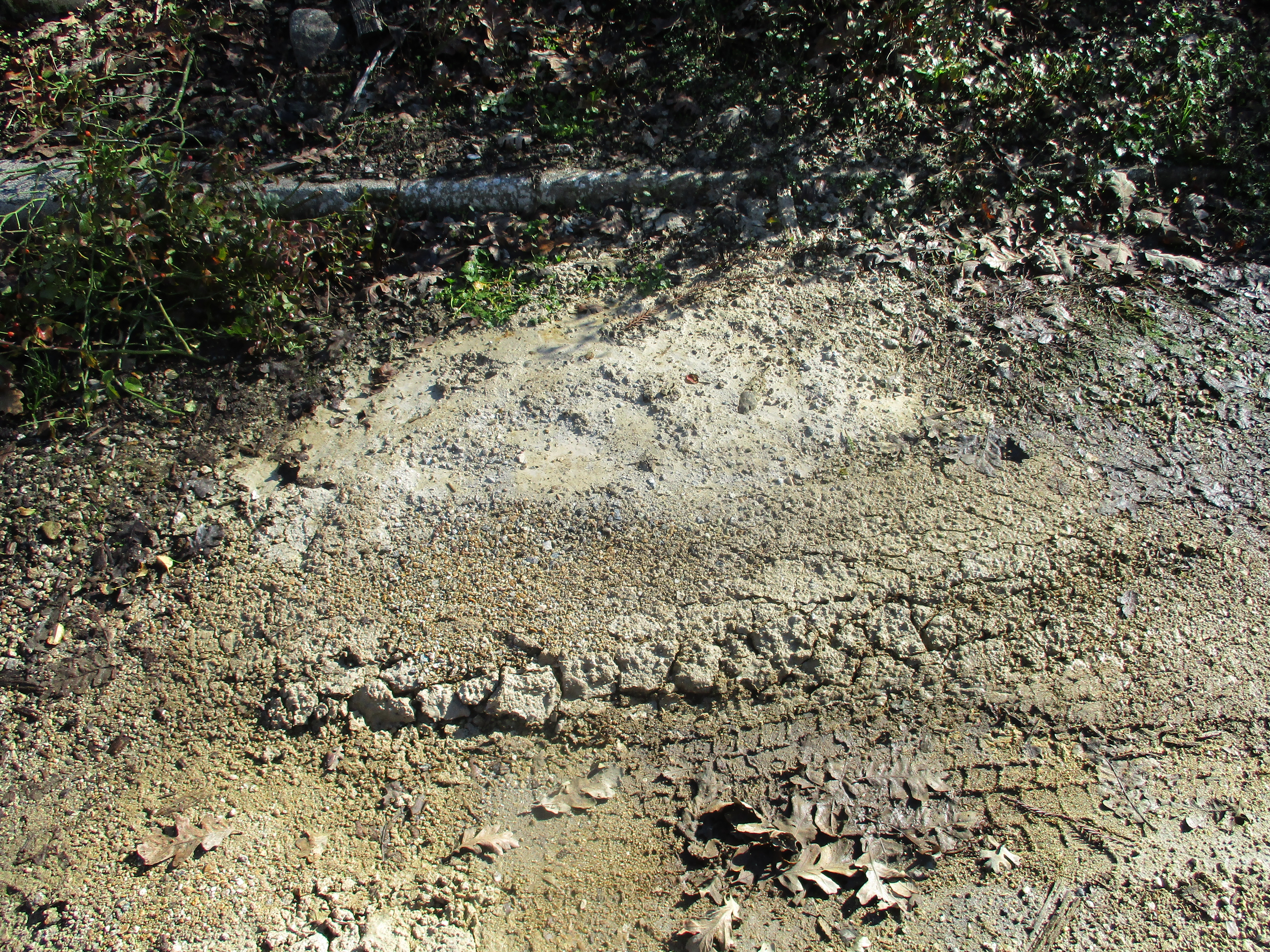
You know, . . . I just parked on this spot a while back, and realized that, . . . perhaps this crud would have been better than the mud that is there now.

tonytomeo's avatarTony Tomeo

p90130This is likely the worst illustration that I have ever used. It is sort of what it looks like; a mud puddle. What I mean by ‘sort of’ is that this is no ordinary mud. It is a now solidified slurry that was rinsed from a concrete delivery truck. Yes, solidified, right there next to an embankment covered with carpet roses. The curb near the top of the picture is where the embankment starts. The small pile of debris to the upper left is some of what I was pruning from the roses. There was another solidified puddle of slurry just a few yards away. They were just dumped there as if no one would notice.
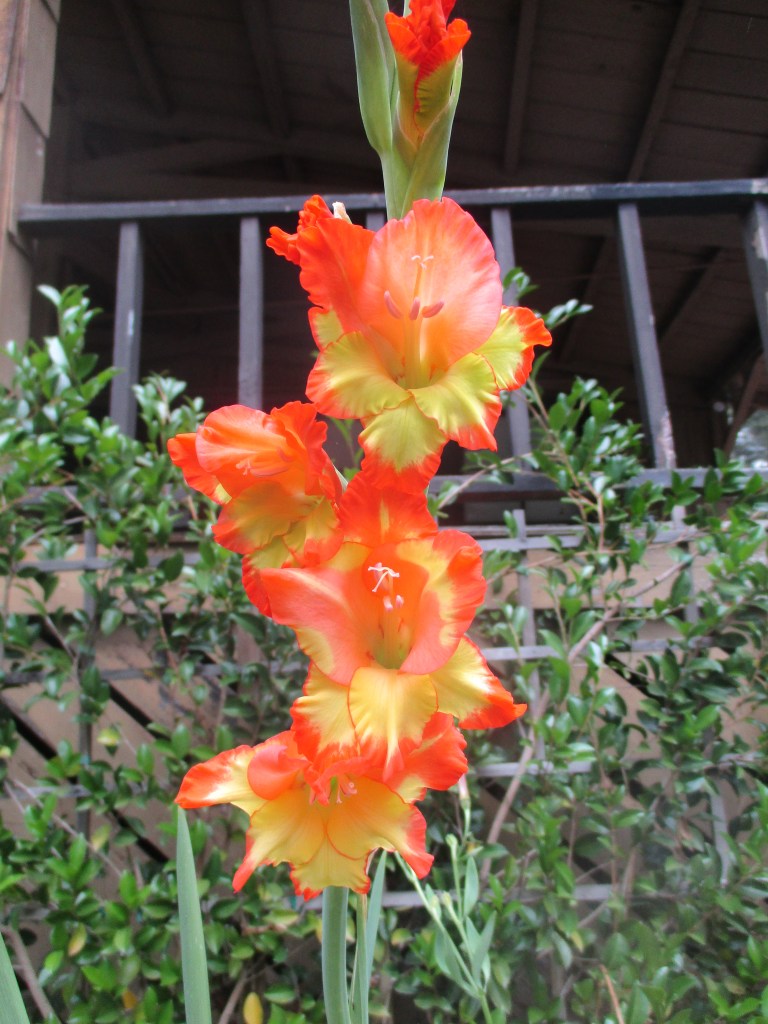

What makes this even more infuriating is that there is a sign on the main gate into the site, as well as a few others throughout the site, explaining to everyone coming and going…

View original post 249 more words

Gladiolus

Gladiolus are still just dormant corms.

Although they will not bloom until summer or autumn, gladiolus are in season now. Their corms, which are like bulbs, are now available from nurseries, and are ready for planting. Unlike earlier spring bulbs, they need no chill, and should not generate new foliage until warmer spring weather. Corms prefer to be at least four inches deep, in sunny situations. 

The most popular and common gladiolus, Gladiolus X hortulanus, are hybrids of several species. They bloom more impressively than their simpler parents, but are not as reliably perennial. Most corms bloom for only a single season, although some within each group may bloom for a second season or more. Blooms can get heavy enough to need staking. 

Bloom can be bright or pastel hues of any color except true blue, perhaps combined with another related color. Individual florets are not large, but they share their floral stalks with several similar florets that bloom upward from the bottom. Long and pointed leaves stand upright, flaring only slightly to the left and right. The tallest gladiolus can get six feet high.

Late Bulbs Require No Chill

Cannas grow after spring bulbs bloom.

Spring bulbs are making a comeback from their unceremonious internments last autumn. Some of the earlier sorts are visibly extending foliage above the surface of the soil. A few narcissus, daffodil and crocus are already blooming! Now it is time to plant late bulbs, or summer bulbs, which start to grow through warm spring weather, and bloom for summer.

Spring bulbs are generally the same as hardy bulbs of climates with cold winter weather. They are hardy to frost while dormant. Since chill is relatively mild locally, their hardiness is irrelevant. Conversely, some prefer more chill than they experience locally. Inadequate chill can compromise performance. Autumn planting maximizes their brief chill exposure. 

Late bulbs are completely different from spring bulbs. Not only do they not require chill to perform, but some dislike it. Many of the most popular late bulbs that can naturalize here succumb to frost elsewhere. Instead of early planting for chill, as spring bulbs prefer, late bulbs prefer late planting to avoid chill. Their foliage emerges after the last threat of frost.

However, although they do not need or even appreciate chill, most popular late bulbs are resilient to the minor chill of local climates. Once established, they simply die back to the ground in response to the first frost of autumn. They maintain dormancy through winter to regenerate for spring. Some repeat this process for years, since the soil does not freeze.

Not all late bulbs are actually bulbs. Most are corms, rhizomes, tubers, tuberous roots, or other bulb-like perennials. Some, such as dahlia and canna, bloom through an extensive season. Some, such as lily and gladiolus, bloom only once. Planting in phases for a few weeks prolongs their bloom. Of course, they will synchronize for any subsequent bloom.

Canna and common white calla are two of the most reliable late bulbs. Crocosmia is too reliable, and since it can be invasive, it is rarely available. Common gladioli and various lilies are spectacular in bloom, but not reliably perennial. Dahlia is a very rewarding and reasonably reliably perennial summer bulb. It is spectacularly variable in color, form and texture.

GreenArt

The article that this reblogged article makes reference to as posting ‘yesterday’ was actually reblogged last Sunday.

tonytomeo's avatarTony Tomeo

p90120p90120+It seems that I have been negligent about writing about my colleague Brent Green and some of our crazy adventures in horticulture. I said I would do so when I started writing my articles here way back two Septembers ago. It is easy to get distracted from such topics, particularly since we do such different types of work. Brent is a renowned landscape designer and proprietor of GreenArt Landscape Design in Southern California. I am just a horticulturist and arborist who really should get back to growing horticultural commodities in Northern California. For all of our similarities, there just might be as many differences.

After posting that old video of the Birthday Trees yesterday https://tonytomeo.com/2019/01/19/birthday-trees/, I thought that I should also write more about what Brent does for the urban Forest of Los Angeles, which is probably more interesting than our crazy adventures. I really want to find the…

View original post 151 more words