Now, before I commence with my rant and long list of problems with this picture, I should mention that this seemingly abused rose tree does seem to be appreciated. All the roses in this landscape seem to be very healthy, and they bloom constantly between spring and autumn. Their performance suggests that they are regularly fertilized and deadheaded. The unusually brutal pruning may be an attempt to keep this particular rose tree as compact as possible, within very limited space. It is not how I would do it, but perhaps it helps. The size of the burl suggest that this rose tree has been pruned effectively like this for a few years, although the lack of weathering of the labels indicate that it is not more than several years old. Older canes really do seem to be getting pruned off annually as they should. Even though the remaining canes are…
As for fig, date, avocado, grape and olive, the esteemed pomegranate, Punica granatum, has been in cultivation for a very long time. Several thousands of years of domestication have generated countless cultivars. They are now popular in many regions and cultures throughout the World. They produce very well here and in other Mediterranean climates.
Most locally popular pomegranate fruits are brownish red, and about three to four inches wide. Each fruit contains hundreds of seed, which are surrounded by juicy and delicately succulent flesh. They separate easily, like many tiny and tender berries. Most are garnet red. Some cultivars produce fruit with darker purplish, lighter pink or even colorless flesh.
Without dormant pruning, pomegranate trees can get taller than fifteen feet, and develop dense thicket growth. Fruit is easier to collect from well groomed shorter trees. Individual trees may develop a few trunks, and live for two centuries. Orangish red flowers bloom in spring. Leaves turn yellow prior to defoliation in autumn. Fruit ripens in autumn or winter.
Dormant pruning happens during winter, while the plants that benefit from it are dormant. Obviously, it would not be dormant pruning otherwise. Such processes are less stressful to plants while they are inactive and essentially anesthetized like a surgery patient. This is also why fresh bare root stock becomes available and ready for planting during winter.
Bare root stock grows on farms for a few years. Any grafting is part of the process. When stock is sufficiently mature, growers dig and separate its roots from the soil that it grew in. Much of the stock goes to retail nurseries for heeling into damp sand for sale. Some gets neat packaging with damp sawdust around its roots. Some goes out for mail order sales.
Regardless of the process, it all happens quickly and early during winter dormancy. Bare root stock must then get into soil again, quickly and before the end of winter dormancy. It will not survive if it resumes growth without soil to contain new roots. Planting should be as soon as possible, so that roots can settle in with rain, and be ready to grow by spring.
Bare root stock is less expensive than canned (potted) stock because it is so lightweight and easier to process. Since it occupies less space than canned stock in retail nurseries, more varieties of bare root stock are available. Bare root stock is easier to load into a car, and plant into a garden. Once in a garden, it disperses roots quickly and more efficiently.
Deciduous fruit trees are the most popular bare root stock. Of these, most are stone fruits or pome fruits. The stone fruits, of the genus Prunus, include cherry, plum, prune, apricot, peach, nectarine, their hybrids, and almond. Apple, pear, and quince are pome (pomme) fruits. Pomegranate, persimmon, fig, mulberry and walnut are somewhat popular as well.
So much more than deciduous fruit and nut trees are available as bare root stock. Grape, kiwi, currant, gooseberry and blueberry are deciduous fruiting vines or shrubs, not trees. Blackberry, raspberry and strawberry are evergreens. Rhubarb, asparagus and artichoke are perennial vegetables. Rose, wisteria, hydrangea and so many more are fruitless ornamental plants.
I do not climb big trees; so any work that the redwoods need must be done by someone else. The big redwoods, as well as the ponderosa pines, Douglas firs and various oaks, are of course the most prominent and memorable features of the landscapes. There are also a few other exotic trees that were added to the landscapes years ago. My primary work with those that have grown beyond my reach is identifying problems for other arborists to correct or remove.
However, there is plenty at ground level to keep us very busy.
Our landscapes are simple and somewhat unrefined. They take as much work as they do because they are so big and dispersed over a large area. There seems to be…
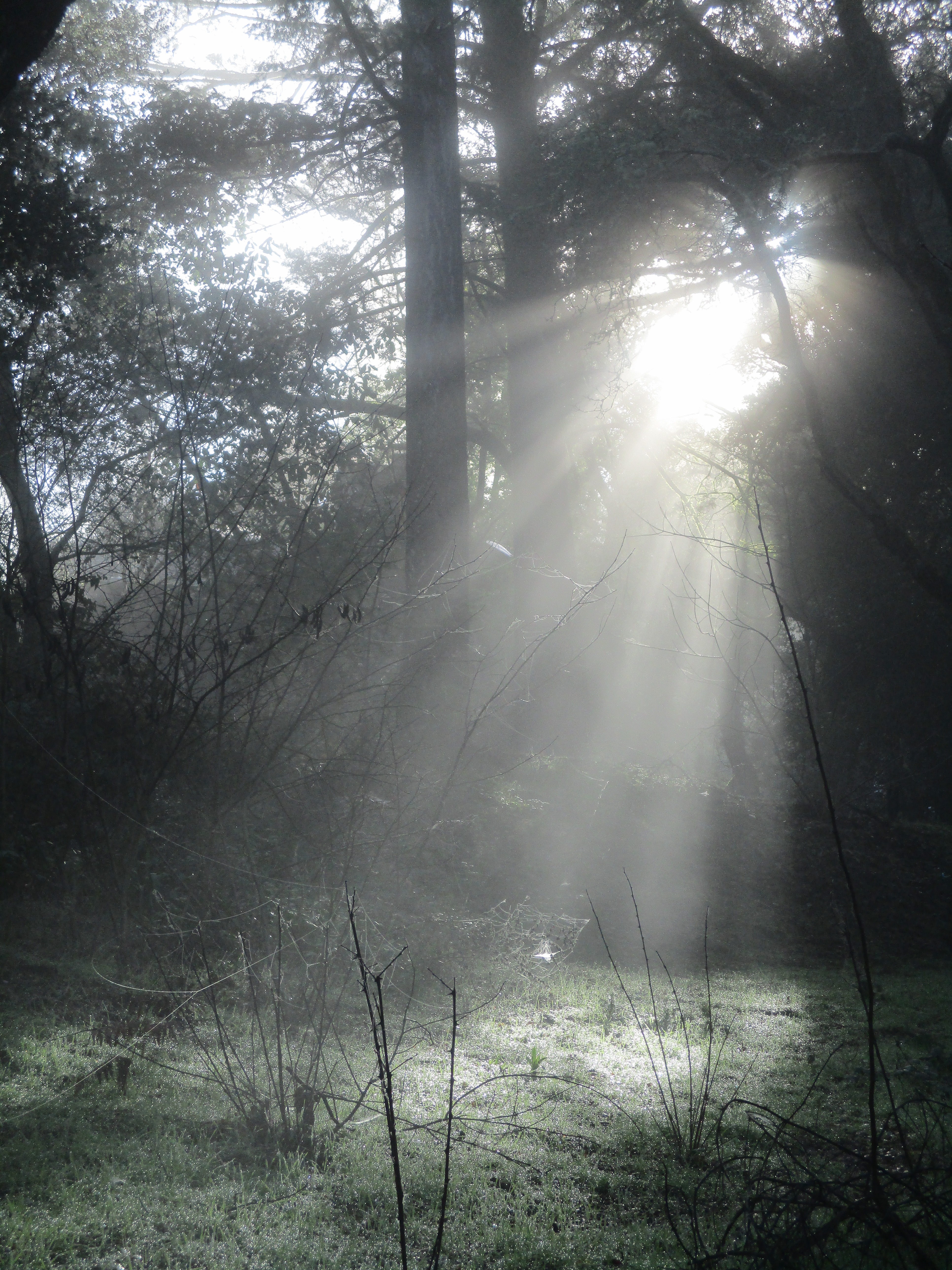
Or . . . a close encounter of the third kind. Let’s just go with the former rather than the latter.
I am no photographer. The pictures that I post are merely illustrations for articles from my gardening column, and other articles. This picture just happened to make itself available while I was getting the first of the six pictures of the earlier ‘Six on Saturday’ post. The location is nothing special. It is not really out in the forest like it seems to be. A lodge building of six suites is directly to the left. A big ‘housekeeping’ building is to the right. There is a road in the background above, as well as below, from where the picture was taken.
Even the flora in uninteresting. The most prominent straight trunk in the middle is that of a young Douglas fir. The slightly leaning trunk with upward reaching branches…
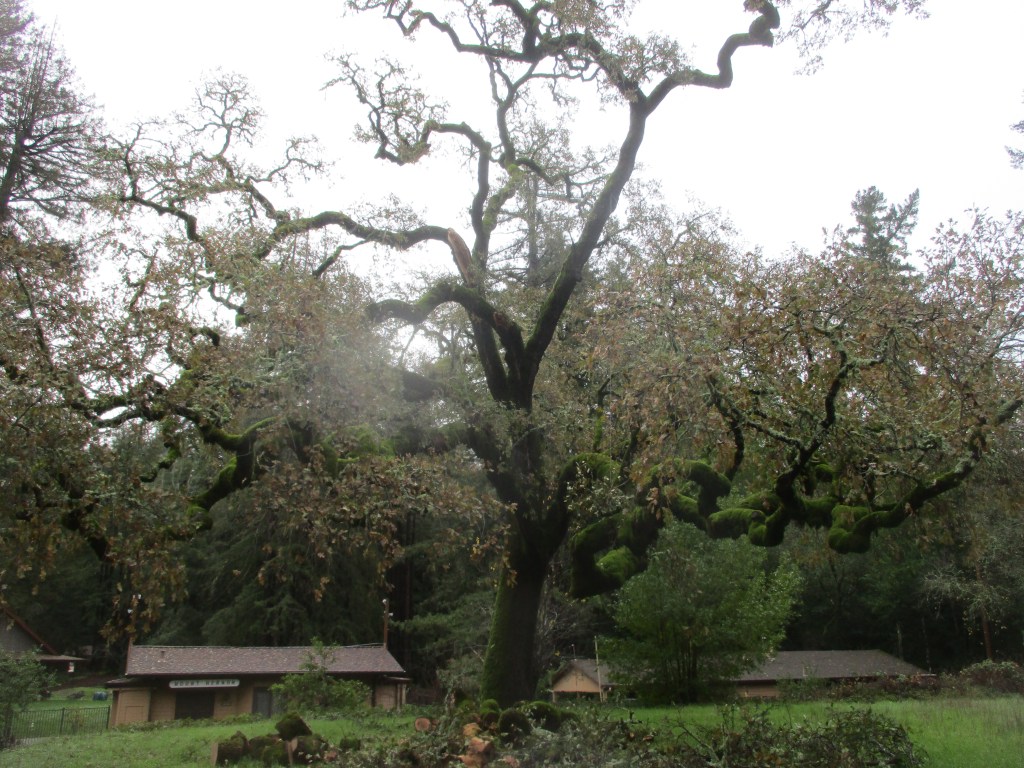
Happy January too! Happy Saturday! Really though, what is all the fuss about? There is nothing new about this. New years have been arriving annually for as long as anyone can remember. New days arrive daily. New hours arrive hourly. In fact, a new one just began within the last sixty minutes or so. Perhaps that justifies trying to be happy whenever we want to. I digress. My Six for this Saturday are irrelevant to this New Year, and actually, are not exactly happy. All six pictures involve just two trees, a valley oak, Quercus lobata and a coast live oak, Quercus agrifolia.
1. Thunderstorms are rare here. A real doozy arrived on Christmas morning though. The wind could have landed Rhody in Oz. This distinguished valley oak lost two major limbs.
2. The worst of the damage is just above and slightly left of the center of this picture. The large limb that fell from there clobbered another large limb that was closer to the center.
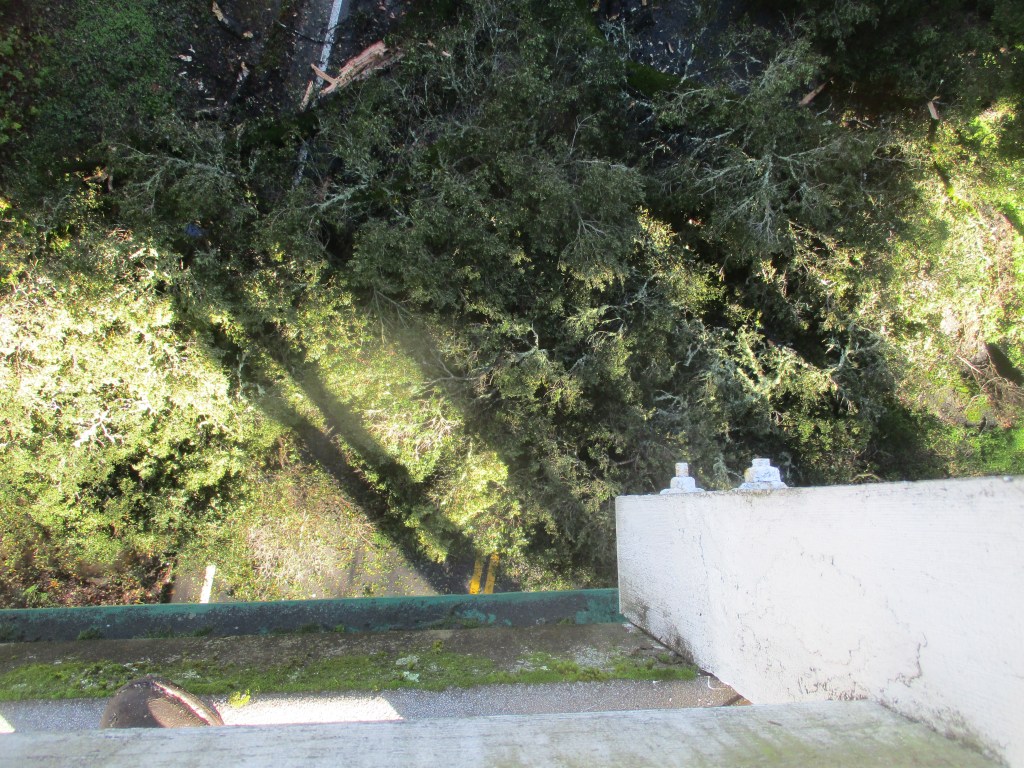
3. Can you identify what this picture shows? The pair of short yellow lines near the lower center of the picture is a clue. That is the dirty tip of my left boot in the lower left corner.
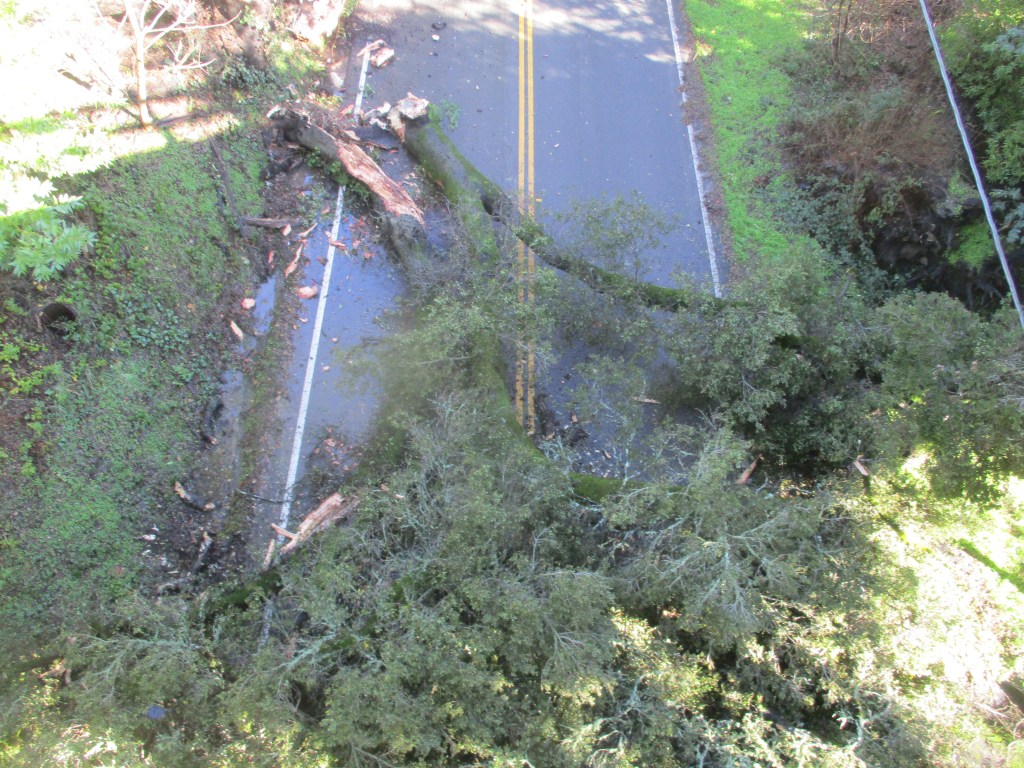
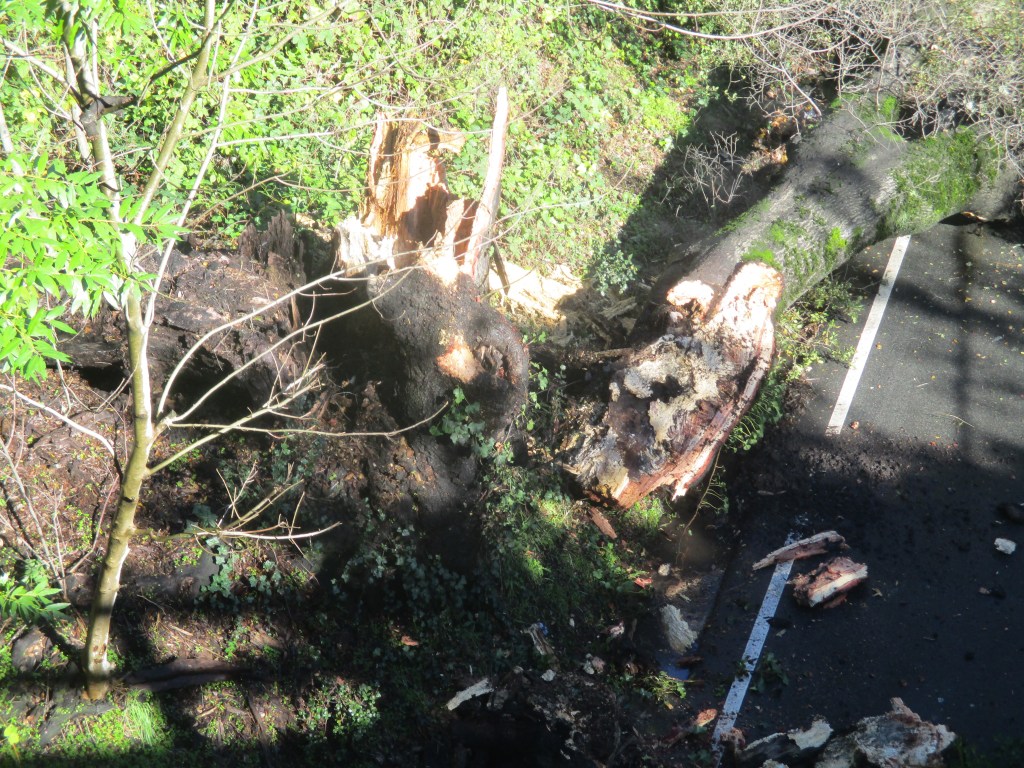
4. Tilting the camera from vertical reveals why I could not return to work after what was supposed to be a quick errand. This large coast live oak fell and totally blocked the road.
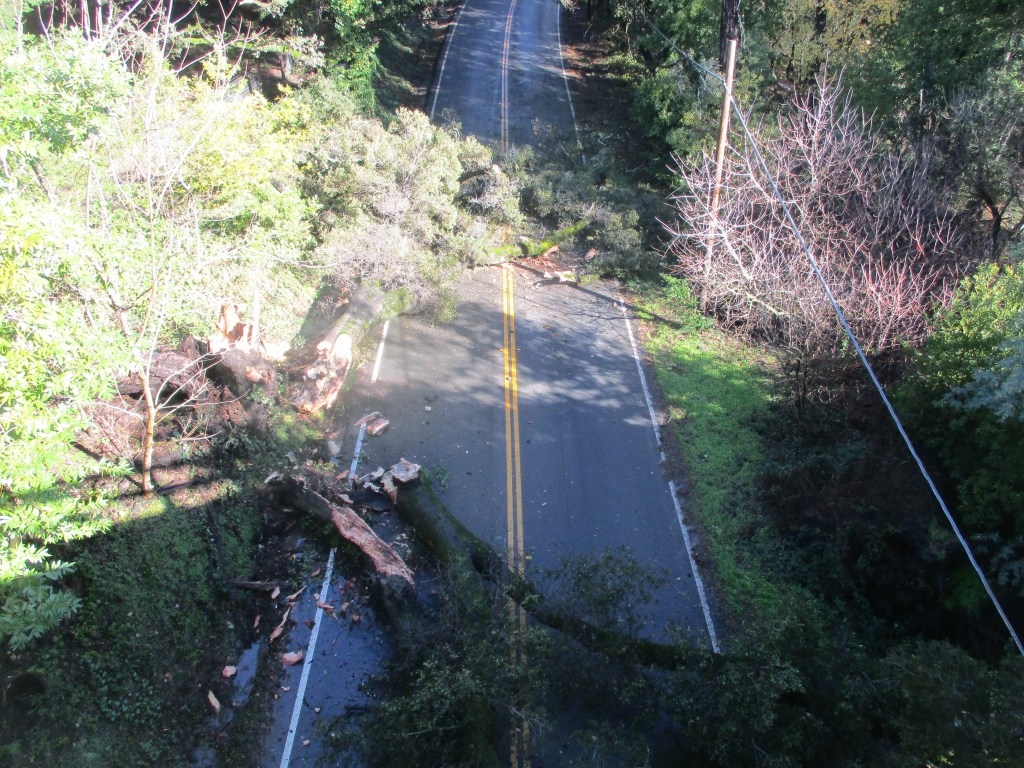
5. But wait, there’s more! This was more than we could move efficiently with the tractor. Two crews, working at both ends, took all day to clear it all. Another trunk fell to the left.
6. The trunks had been deteriorating for decades. The moisture of the adjacent drainage ditch accelerated rot. All that evergreen foliage finally got too heavy when wet from rain.
This is the link for Six on Saturday, for anyone else who would like to participate

 Now, before I commence with my rant and long list of problems with this picture, I should mention that this seemingly abused rose tree does seem to be appreciated. All the roses in this landscape seem to be very healthy, and they bloom constantly between spring and autumn. Their performance suggests that they are regularly fertilized and deadheaded.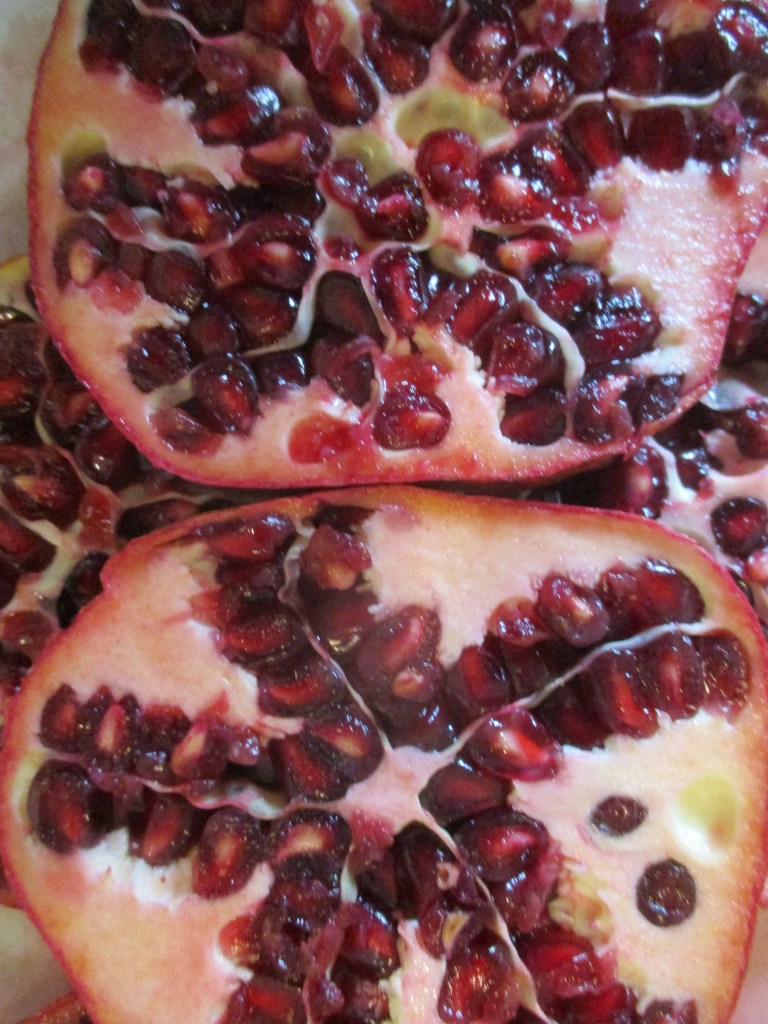

 There is much more to the landscapes at work that I wrote about earlier this morning at
  Or . . . a close encounter of the third kind. Let’s just go with the former rather than the latter.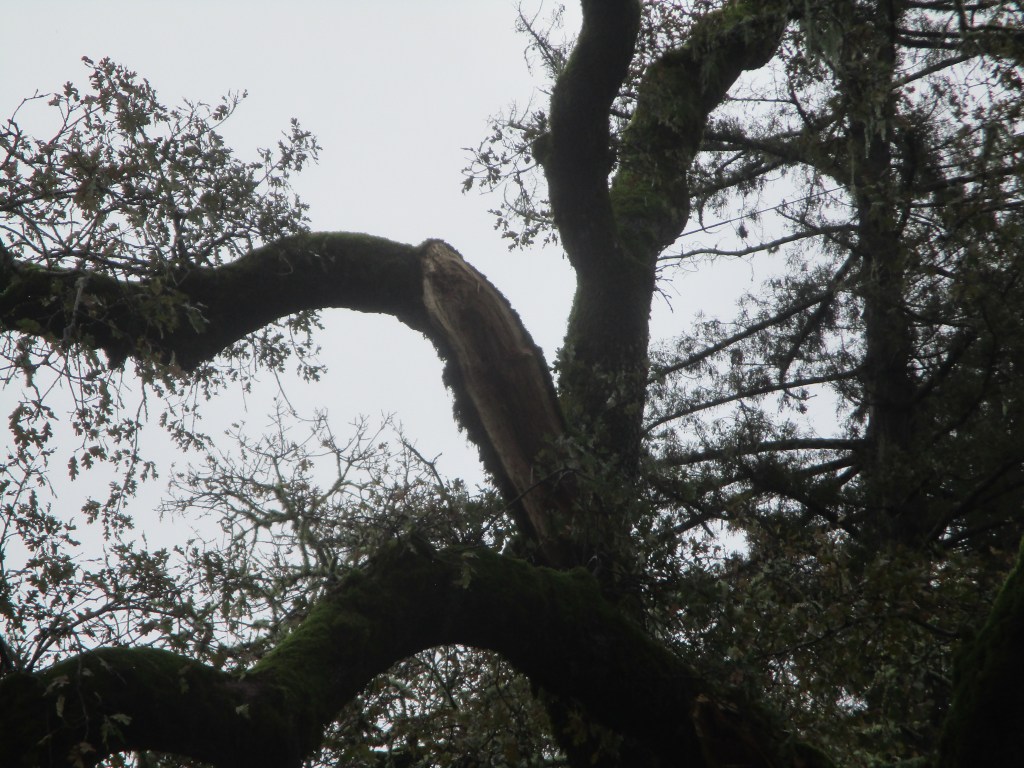
 Tony Tomeo