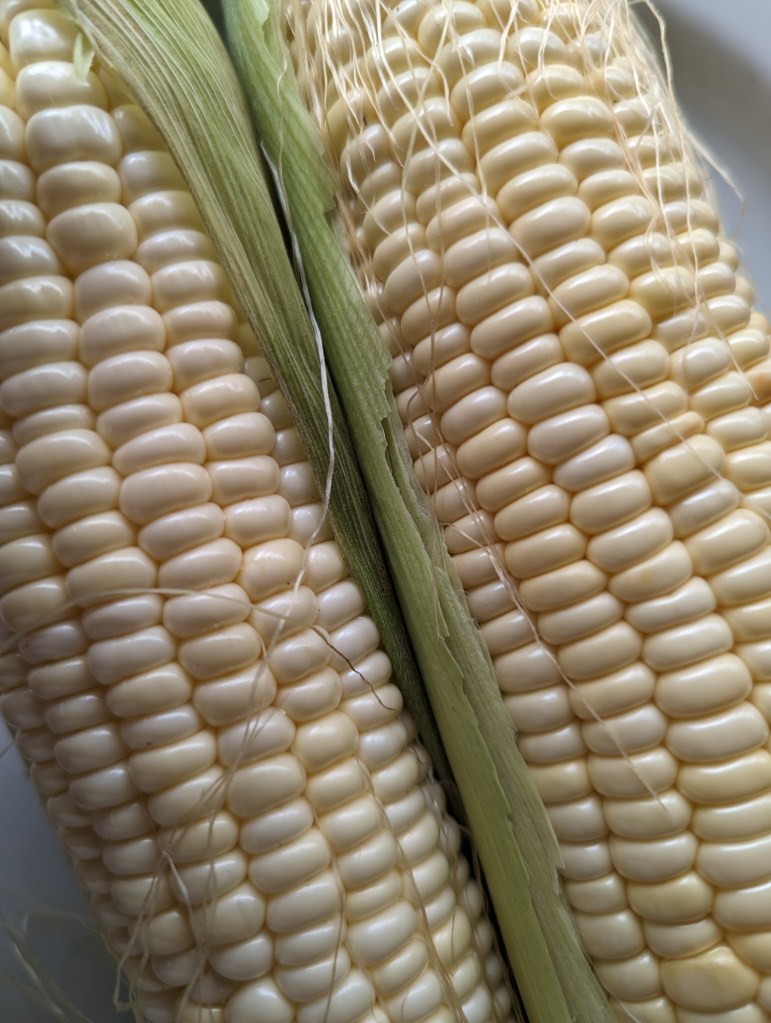
Vegetables are greedy as they grow. They crave rich soil. They exploit it and abandon it at the end of their season. Nutrient depletion can be a problem for subsequent phases of similar vegetables. In other words, vegetables of any particular family consume the same nutrients. Each phase leaves a bit less for the next. Crop rotation disrupts this process.
Different types of vegetables deplete different types of nutrients. This is an advantage for a vegetable garden. Tomatoes can deplete soil nutrients for subsequent tomatoes. Corn, however, may not notice such depletion. It craves different nutrients, so may be content with what tomatoes did not consume. This is how and why crop rotation is so effective.
Crop rotation is simply a technique of not growing vegetables where similar types grew. Vegetables grow better where different types grew previously. Their formerly depleted but vacated soil can recuperate in their absence. They can return to the same soil after three years or so. Other vegetables that grow there for that time accelerate recuperation.
Warm season vegetables are generally more consumptive than cool season vegetables. That is because so many of them are actually fruits, such as tomatoes, corn and squash. More cool season vegetables are truly vegetative, such as lettuce, cabbage and carrots. Because they produce no bloom, seed or fruit prior to harvest, they need less resources.
Therefore, warm season vegetables are more responsive to crop rotation. Most are not relatives of the cool season vegetables that they are now replacing. Similar vegetables of the previous few summers are more of a concern. Tomatoes, eggplants and chilis are all of the Solanaceae family. They should avoid soil that their relatives used previously.
Similarly, if possible, corn should not grow where it grew within the past few years. Nor should beans. Fertilizer can compensate somewhat for soil depletion where rotation is impractical. For example, a fence may perpetually be the ideal support for pole beans. Spring lettuce, carrots and other vegetative vegetables may be less reliant on rotation. Although most squash benefit from rotation, zucchini seems to be productive regardless.
 Tony Tomeo
Great information! I used to do a lot more vegetable gardening in my previous, sunnier lot. But I still grow tomatoes and scallions, and sometimes bell peppers. I do rotate the locations from year to year, within my small plot of sun. 🙂
LikeLiked by 1 person
Tomatoes and peppers are related, and some of them crave similar nutrients. Because peppers do not perform well for us, I do not know how much the deplete the soil for tomatoes. Those who are more fanatic about tomatoes would likely advise against growing them in the same spot right away.
LikeLike