There is nothing like the flavor of ripe fruit fresh off the tree during summer; whether cherries and then plums, prunes and apricots early, or peaches and nectarines in the middle, or pears and apples at the end of summer. Even though summer is still a few months away, it is already time to get ready for summer fruits, as well as almonds, by pruning the deciduous fruit trees that produce them while they are still dormant in winter.
Because fruit trees have been bred over the past many centuries to produce unnaturally large and abundant fruit, most are unable to support the weight of their own fruit without some sort of unnatural intervention. Trees consequently need to be pruned so that they do not produce so much fruit that their limbs break, destroying the fruit and disfiguring the trees. Pruning also helps to concentrate resources into fruit of superior quality instead of excessive but inferior fruit.
There are as many different techniques for pruning deciduous fruit trees as there are different types of deciduous fruit trees, and certainly too many to write about in a single gardening article. For example, cherries, plums, prunes, apricots, peaches, nectarines and almonds are all ‘stone fruit’ which need varying degrees of similar pruning. Peach trees produce the heaviest fruit, so require the most aggressive pruning. Cherry trees are pruned in a similar manner, but only minimally because they are not so overburdened with fruit. Only evergreen fruit trees like citrus, avocado, guava, olive and tropical fruits do not get some sort of pruning this time of year.
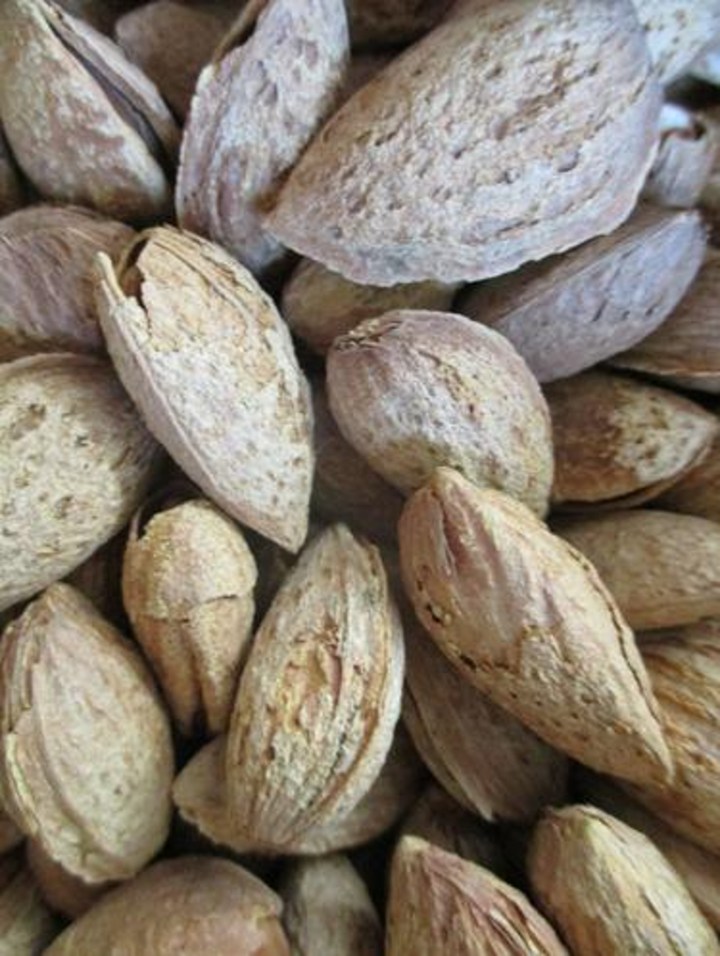
(Stone fruit have substantial seeds which are known as ‘stones’. Almonds are the stones of the fruit that comprises their hulls.)
It is best to become familiar with the pruning requirement of each type of fruit tree before planting them, since some are simply too labor intensive for some people, and most are too involved for almost all maintenance gardeners. It is also easiest to start with young trees and become more familiar and comfortable with pruning them as they grow over the years.
(Because this post is from an old article, outdated information was deleted below.)
Apricot, cherry, prune, almond, walnut, apple, pear, plum, fig and various other trees will be there. The 3.3 acre Historic Orchard was developed in 1994 to include more than 220 of the many types of fruit and nut trees that once made the Santa Clara Valley famous as the Valley of Hearts Delight.
 Tony Tomeo