Horticulturists are by nature, nonconforming. I happen to find it difficult to conform to what makes us nonconforming. Trends are fleeting. Old technology that has worked for decades or centuries is still best. Although I am not totally against chemicals, I find that almost all are unnecessary for responsible home gardening. Pruning is underappreciated, and fixes many problems.
Butterfly is like a more softly textured version of African iris, with pale pastel yellow bloom.
What was introduced as a seemingly fancier alternative to the common African iris is now almost as popular. Butterfly iris, Dietes bicolor (or Morea bicolor), is about as easy to grow, and nearly as resilient. Instead of white, the flowers are soft yellow with three prominent purplish brown spots with orange margins. The grassy evergreen leaves are a bit narrower and pliable.
Mature plants may get nearly three feet high and five feet wide. For those who do not mind digging and splitting apart the tough and densely matted rhizomes, large clumps are very conducive to propagation by division in autumn or winter. Deadheading (removal of stems that have finished blooming) promotes continued bloom and limits dispersion of seed that might otherwise grow new plants where they are not wanted. A bit of partial shade or minimal watering are probably nothing to worry about, but may inhibit bloom. Well exposed, well watered and well deadheaded butterfly iris should bloom from early spring until early winter.
Automotive and botanical nomenclature are remarkably similar.
As confusing as they seem to be, Latin names of plants are actually intended to simplify things. They work because they are universal, everywhere and in all languages. Common names may seem simpler, but are too variable in different regions and in different languages.
For example, the white pine that is native to Northern California is not the same as the white pine of Maine. However, only the white pine of California is Pinus monticola. Furthermore, it is known as Pinus monticola everywhere and in every language, even though it has different common names in French, Afrikaans and Vietnamese.
The first name of a Latin name, which should be capitalized, is the more general ‘genus’ name. (‘Genera’ is plural, and not coincidentally similar to the word ‘general’.) Pinus is the same genus name for all pines. Acer is the same genus name for all maples. Quercus is the same genus name for all oaks; and so on.
The second name of a Latin name is the more specific ‘species’ name. (‘Specie’ is plural, and not coincidentally similar to the word ‘specific’.) Monticola specifies the genus of Pinus as Pinus monticola, the white pine of Northern California. Radiata specifies another genus of Pinus as Pinus radiata, the Monterey pine; and so on. The species name is not capitalized. Technically, Latin names, both genera and specie, should be italicized in print or underlined in cursive.
Latin names work like the names of cars. Buick, Chrysler and Mercury are all like genera. Electra, Imperial and Grand Marquis are all like specie, or the specific Buicks, Chryslers and Mercurys. ‘Limited’, ‘Custom’ and ‘Brougham’ are like variety names, like ‘Variegata’, ‘Compacta’, and ‘Schwedleri’. For plants, variety names are capitalized and enclosed in semi-quotes.
As universal as Latin names should be, a few sometimes get changed. This can be confusing, and causes some plants to become known more commonly by either the new or old name as well as the other of the two names as a ‘synonym’. For example, Dietes bicolor and Morea bicolor are the same plant; but not many know for certain which name is more correct. It is like when Datsun became Nissan, but was also known as Datsun for many years afterward.
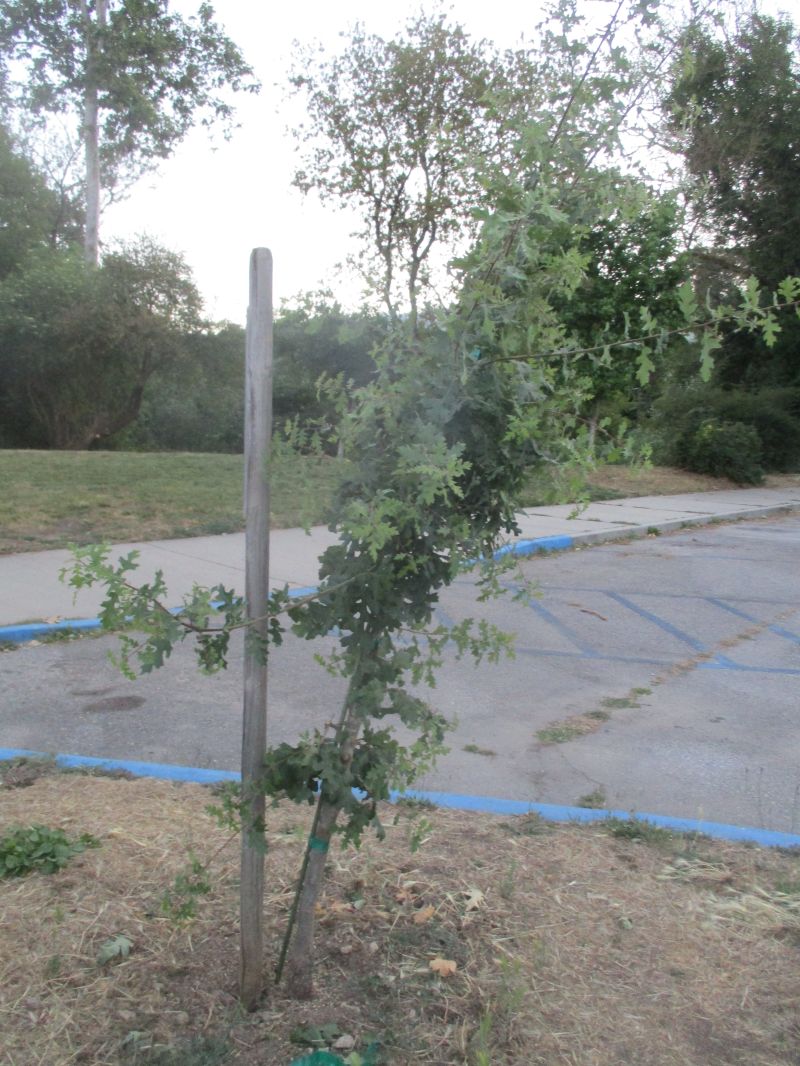
This recycled Horridculture post is actually not as bad as it seems to be. Three years later, this little Memorial Tree, which was not expected to survive, is not only surviving, but thriving. It recovered remarkably vigorously, and has been growing better than it had been prior to this incident. The concern and support expressed by the Community was amazing! Some were ready to replace the original Memorial Tree with a more substantial boxed specimen. I am actually more pleased that the original survived. A neighbor still maintains a wildlife camera to monitor it from a nearby tree. I really should post an update soon. This is an update from last winter. https://feltonleague.com/2022/12/25/merry-christmas-tree-christmas-2022-memorial-tree-update/
This would have been an ideal time for a seasonal update on the little Memorial Tree in Felton Covered Bridge Park. Until recently, it had been healthier and growing more vigorously than it had since it was installed a few years ago. It had survived major accidental damage, and was just beginning to thrive. Sadly […]
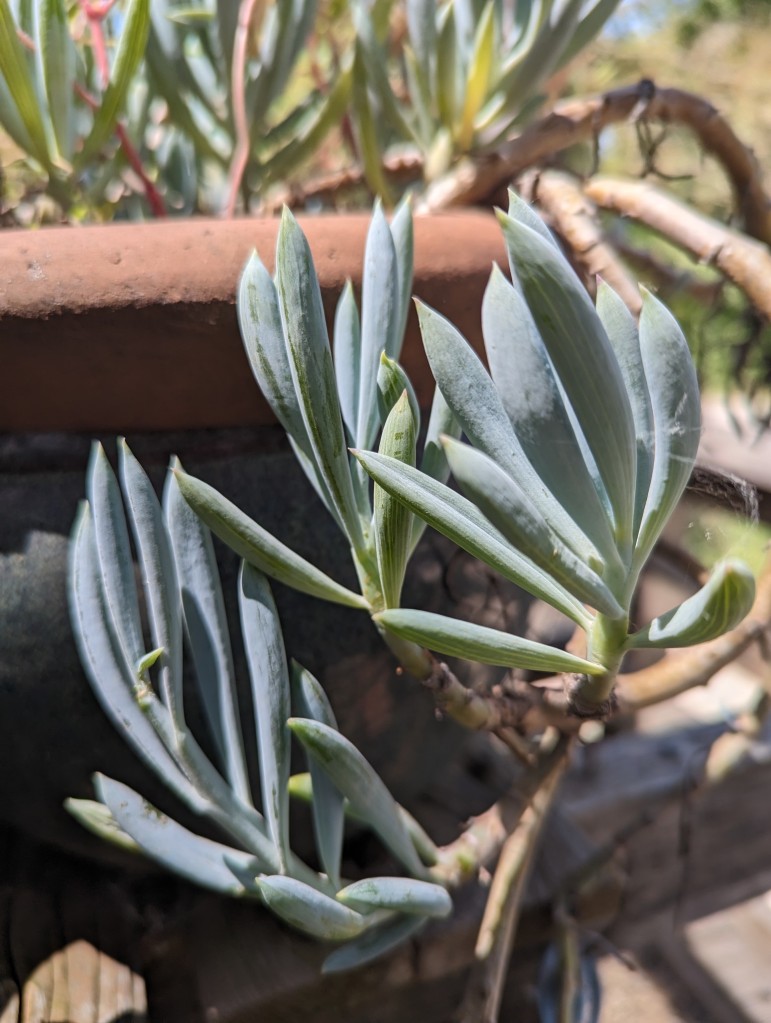
As its common name suggests, it is a sprawling relative of common jade plant. Both are different species of the same genus. Carpet jade, Crassula nudicaulis var. platyphylla, grows only about six inches high. It sprawls slowly over the ground without getting much higher or lower. It roots where it sprawls, so can eventually develop significant colonies.
The evergreen foliage of carpet jade is a bit more dense than that of common jade plant. It is also a bit less glossy. Foliar margins blush a bit more through winter. Most popular cultivars become appealingly ruddy. Sun exposure enhances foliar color. However, frost can damage their exposed succulent leaves. Pale white winter bloom is unimpressive.
Carpet jade, like many succulents, is not very discriminating in regard to water or soil. It is likely to be more vigorous with regular irrigation. With less irrigation, it likely develops better ruddy foliar color. It provides appealing contrast to other small succulents with gray foliage. It performs well within pots, and may eventually cascade slightly over the edges.
All cacti are succulents. However, not all succulents are cacti. Actually, cacti are a very unique family. Their distinctive spines and thorns are very specialized leaves and stems. Such specialized leaves can not photosynthesize without green chlorophyll. Therefore, cacti rely on their succulent green trunks for photosynthesis. Their trunks work as foliage.
But of course, not all succulents are cacti. Other succulents have succulent leaves. Most also have succulent stems. Some, such as most agaves and some aloes, are spiny, but not like cacti are. They have real leaves that happen to be spiny. Yucca are supposedly succulent, likely because of their relation to agave. However, they lack succulent parts.
Furthermore, not all succulents are drought tolerant. Many are so only because they are naturally native to desert or chaparral climates. Many others are naturally native to less arid climates. Some that are native to tropical rainforests, like epiphyllum, crave regular watering. Many succulents thrive in harsh exposure. Some prefer a bit of cooling shade.
Succulents are generally very adaptable to container gardening. Ironically though, a few of the most familiar sorts are not as complaisant to containment. Several cacti and other desert species need more water while confined. They must compensate for their inability to disperse roots. However, frequent watering or even excessive rain might promote rot.
Agaves, including those of desert climates, happen to perform splendidly within big pots. In fact, some perform too splendidly. If they grow too big and heavy to move, they are as permanent as if in the ground. Their dangerously spiny foliage compounds the problem. Overgrown cacti are both very difficult to move, and likely to break apart in the process.
Fortunately, there are plenty of smaller, tamer and thornless succulents to choose from. They contribute a remarkable range of foliar form, texture and color to the garden. Some contribute colorful bloom. A few, such as aloes and agaves, produce sculptural bloom. Most succulents are naturally resistant to pathogens, and easy to propagate vegetatively. Rooted scraps are less expensive than nursery stock is.
Before: Camellias left the foundation exposed a long time ago, but instead obscured the view from the windows above.
‘Foundation planting’, which most of us think of as vegetation intended to merely obscure a foundation behind lower and prettier plants, has a simple utilitarian origin. Before homes were so commonly outfitted with rain gutters like they are now, densely shrubby foundation plantings diffused water that fell from eaves, and limited splattering of mud onto foundations and walls.
Nowadays, foundation planting only needs to look good, and maybe obscure crawlspace vents or exposed undersides of decks. They might be allowed to get as high as window sills, or higher.
These camellias got more than a bit too high. They had not obscured the cinder block foundation in a very long time, and did not contribute much to the shingled wall above. What was worse was that all of their best foliage…
Hey, I should send a message to the other horticulturist who brought the edelweiss seed from Austria to bring some more, since he happens to be there right now!
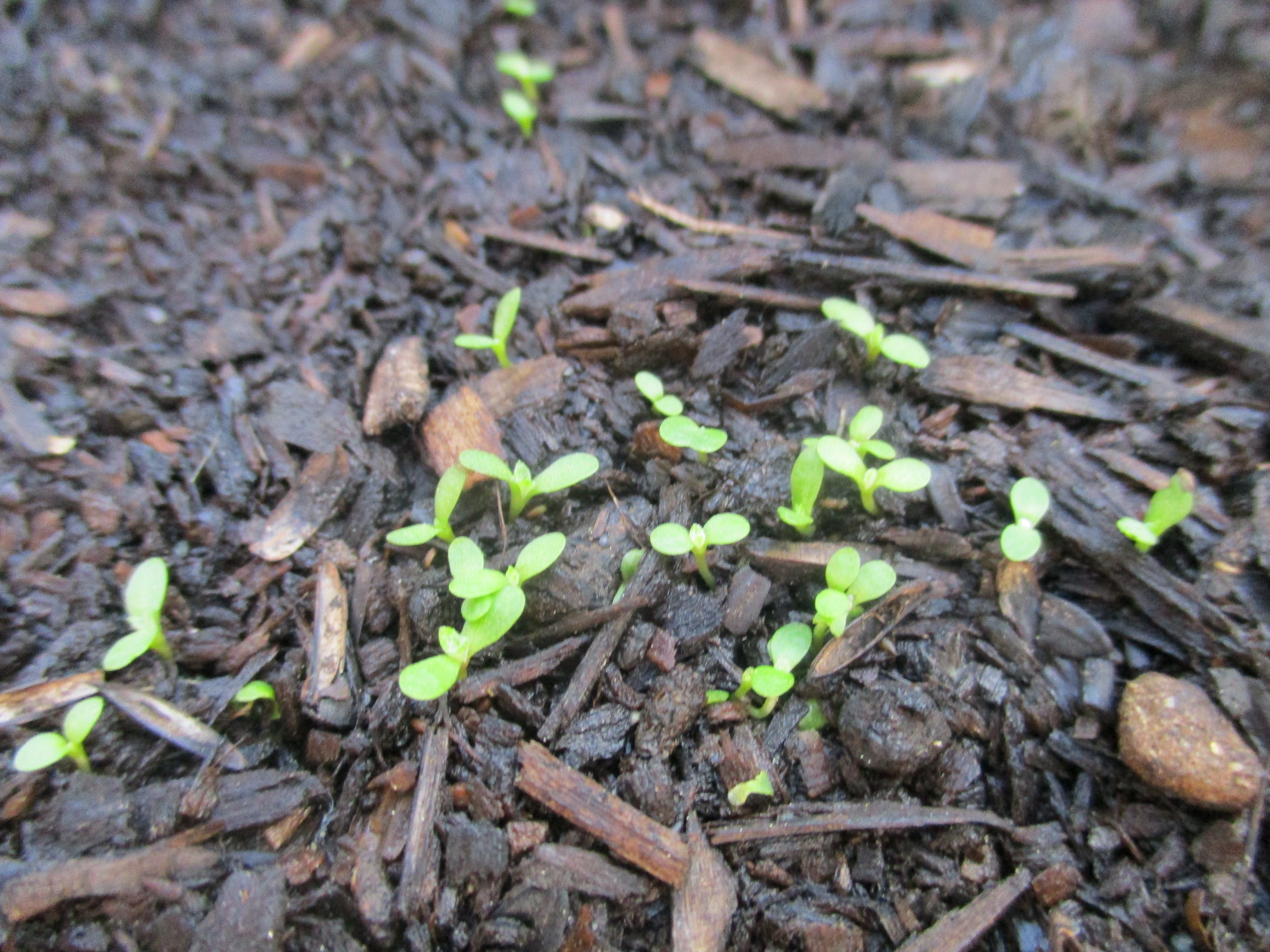
‘Small and white, clean and bright’? They only got as far as ‘small’ and ‘clean’, but did not get to ‘white’ and ‘bright’.
“Edelweiss, edelweiss, every morning you greet me. Small and white, clean and bright, you look happy to meet me. Blossom of snow, may you bloom and grow, bloom and grow forever. Edelweiss, edelweiss, bless my homeland forever.”
Why are there no corny songs like this about California poppy?
Although I never met edelweiss before, I always thought that it must be quite excellent. Those who are familiar with it where it grows wild in European mountains seem to believe so. It does not look like much in pictures, so must be much more impressive if experienced directly.
A colleague here who met it directly in Austria decided to grow some, and easily procured seed online. The seed was chilled in a freezer to simulate winter in…
Work is too much fun! It was supposed to be temporary work until I returned to work in a few months, but that was a few years ago. Well, that is another story. Work can be very frustrating at times also though. Unlike the farm, where only a few of us work on many acres, many very different people work on less acreage here. We all have very distinct priorities.
1. Training this grapevine like this was a lot of work. It extends from a rail fence on top of the retaining wall at the lower left, to the bottom of the upstairs banister at the upper right. This is my second attempt after someone who works in the building to the upper right cut it off the banister as if it was not obvious that someone meticulously trained it.
2. Now, decorations for the summer involve fake ivy stapled to half century old wooden pillars. This is near both the grapevine and walls that we needed to remove real ivy from.
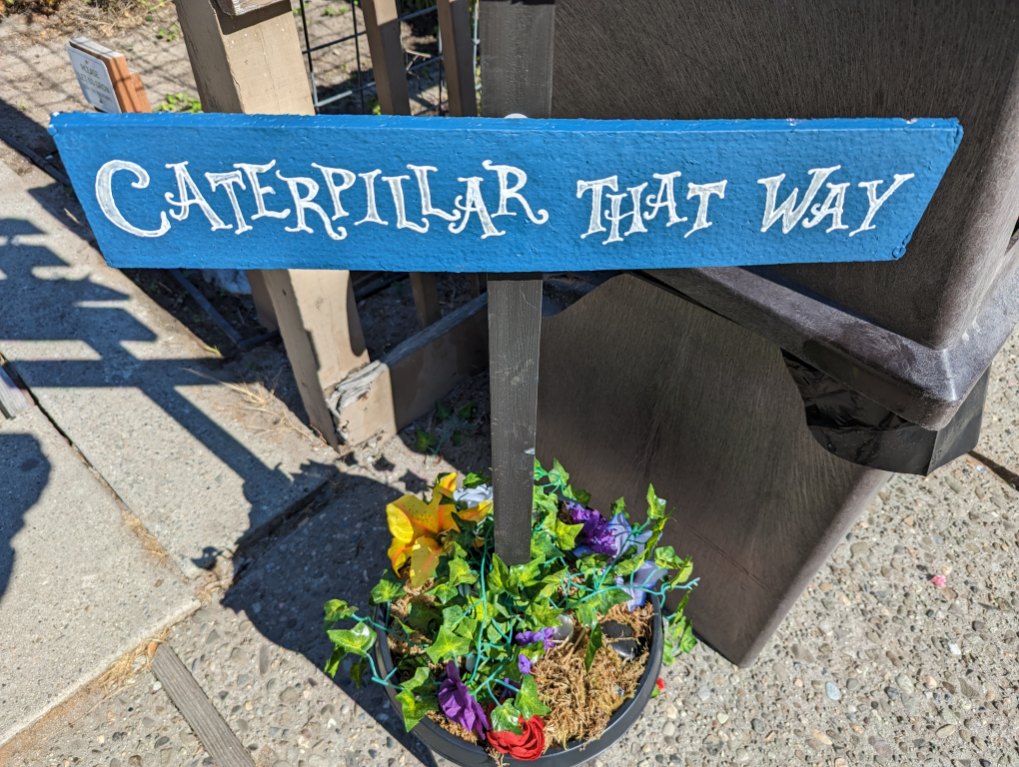
3. Is this some sort of insect repellent? Which way is ‘that’? Are fake flowers effective?
4. Ficus microcarpa ‘Nitida’ makes a great hedge. This is a picture of a picture of such a hedge, sideways, on a wall. Up is right. Down is left. It is effective but needs no shearing.
5. This is all sorts of wrong! The small sign to the lower right has never been so relevant. Someone who was hired for weed whacking whacked all the Canna here, as well as a few Clematis to the right. Weeds are now growing faster than the Canna. To compensate for the lack of bloom, fake roses were installed. It gets weirder. The fake roses glow at night.
6. Chorisia speciosa nearby seems like it really should be the worst occupational hazard.
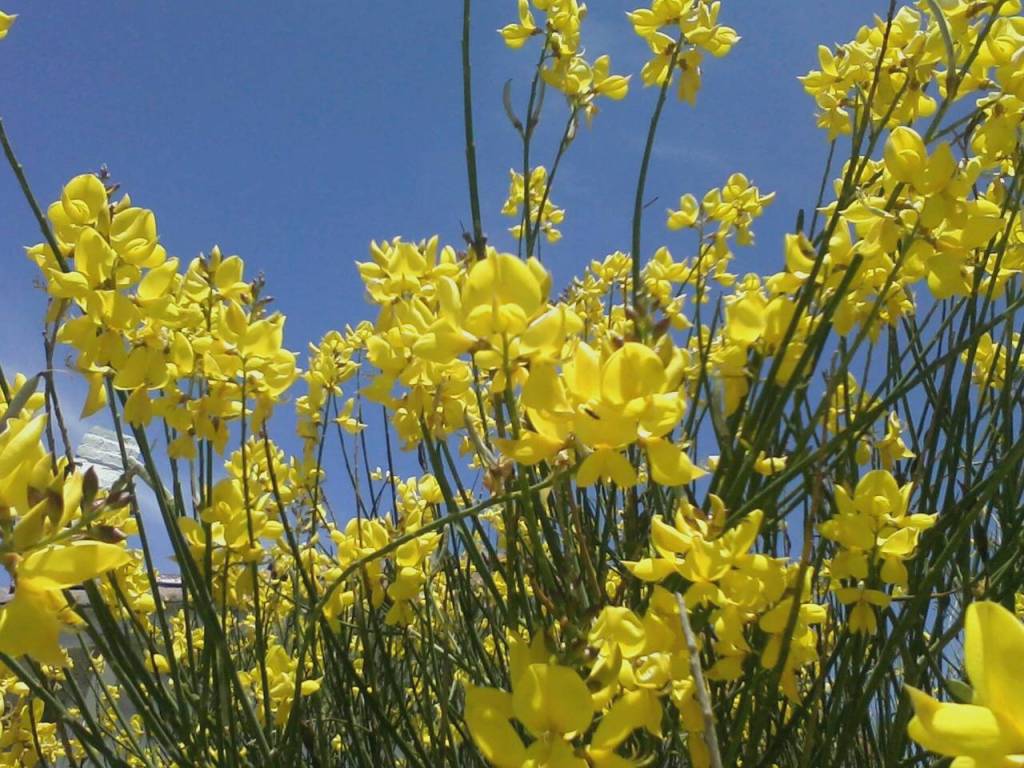
French, Spanish, Mediterranean and common brooms are the most familiar of the brooms because they are among the most invasive and aggressive of weeds in rural areas. Many other brooms (that are primarily within the two genera of Cytisus and Genista) that are tame enough for home gardens unfortunately share the bad reputation, even though many of the modern varieties are hybrids that do not even produce viable seed. Once established in sunny, well drained sites, brooms are not at all demanding.
Broom bloom is almost always bright yellow, although a few varieties of broom have white, pink, pale orange or even purplish flowers. Most have finely textured evergreen foliage. Others are foliated only for a short time in spring before they drop their foliage in early summer to reveal distinctive bare green stems. The most popular modern varieties are fluffy, low shrubs less than four feet tall. Some of the more traditional types get taller than ten feet.
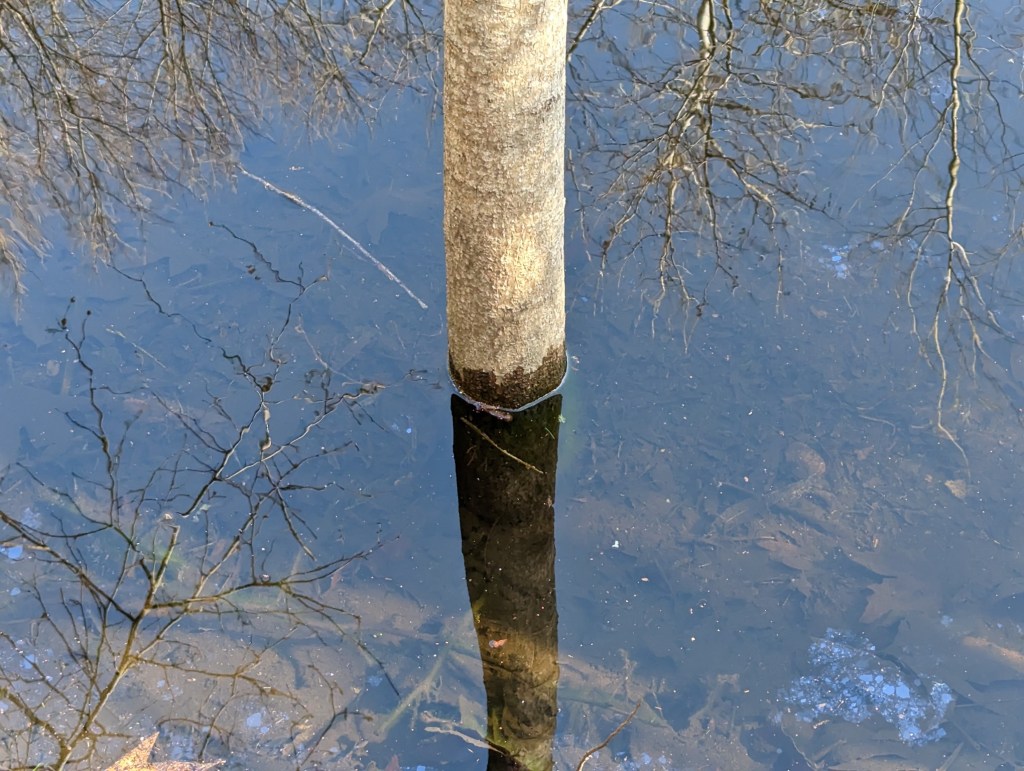
Remember when the Brady Bunch went to the Grand Canyon? Mrs. Brady read aloud from a brochure about how the Grand Canyon was formed by erosion of the Colorado River. Peter then commented, “Wow! No wonder you tell us not to leave the water running.” Too much watering in the garden certainly will not cause a canyon to form, but can cause all sorts of other big problems.
Roots rot if the the soil is constantly too wet. If the soil stays saturated, roots suffocate from the lack of aeration. Trees that survive saturation of deeper soil strata will disperse their roots shallowly near the less saturated surface, and will consequently be unstable. Besides, excessive watering is wasteful.
There are too many variables, such as exposure, drainage, humidity and temperature, to prescribe irrigation schedules that work for every site. Just remember that most plants like the soil to drain enough for the surface of the soil to at least look somewhat dry before getting watered again. Moss on the surface is an indication that things are too wet. Plants that like more water, like azaleas, rhododendrons, fuchsias, ferns and impatiens, do not mind if the soil stays somewhat damp, but only if the soil is porous and drains enough to also be aerated.
The most drought tolerant plants, which are generally also the most sensitive to excessive irrigation, ironically like to be watered somewhat regularly for the first few months after getting planted. This is because they are so reliant on well dispersed root systems. They need less, if any, watering once their roots get dispersed.
Watering should be done in the morning so that plants can soak in the water during the day, and the area can dry somewhat before the following evening. It is also better to water less frequently and a bit more generously than to water too frequently. This allows time for drainage and promotes deeper rooting. Fungal organisms associated with rot and foliar diseases proliferate overnight if the ground is damp at the surface and the air is humid.
Except for the few plants that like humidity, and those that need to be rinsed of aphid and honeydew, there is no need to wast water on foliage where it is simply lost to evaporation. Water should be applied to the soil where it is needed.




 Before: Camellias left the foundation exposed a long time ago, but instead obscured the view from the windows above.
  ‘Small and white, clean and bright’? They only got as far as ‘small’ and ‘clean’, but did not get to ‘white’ and ‘bright’.




 Tony Tomeo