
Pumpkins are both the biggest of the common fruits, and also the most wasted. So many of us bring at least one into our homes for Halloween, only to discard them afterward. Not many of us actually bake or make pies from ‘used’ pumpkins. However, those of us who like to can or freeze fruit and vegetables can really take advantage of this tradition by politely collecting jack o’ lanterns from neighbors, or getting unsold pumpkins from markets for very minimal expense. (Pumpkins are ‘low acid’ fruits that need to be canned with a pressure cooker.)
The somewhat small brownish ‘sugar pie’ pumpkins that are sold for pies are of course the best, with the richest flavor and meatiest shells. The common bright orange pumpkins used for jack o’ lanterns are not as meaty and lack flavor, but are certainly worth the price if they are free. White pumpkins can be just plain bland; but with enough sugar and spices, can make decent pie. The deeply furrowed green or gray pumpkins might likewise taste better than they look, but who knows? I certainly have not tried one yet.
Because the jack o’ lantern pumpkins have such thin shells, my neighbor and I prefer to cut them into pieces and steam them before peeling them. It is a messy job, which is why she has me do the peeling part of it. Before steaming, she cuts out any parts with candle wax (on the bottom) or soot (on the top). Once peeled, the pulp is ready to be pureed, and then frozen, canned or baked directly into pies.
Those of us who do not indulge in freezing, canning or baking of ‘recycled’ pumpkins can either give our pumpkins to neighbors who do, or must otherwise dispose of them. On the compost pile, pumpkins should be chopped up and spread out so that they do not mold and rot as much as they would if left intact. Chopping them with a shovel should be adequate. By now, there should be plenty of fresh leaves on the compost pile to spread pumpkin parts out over.
If fireplaces or wood stoves have been used already, the resulting ash can be spread out with chopped pumpkin, to inhibit mold in compost piles. Ash also deters snails. Just be certain that only dead ash gets scattered, without any embers, and that it gets spread thinly enough so that it does not become a mucky mess that actually inhibits composting.

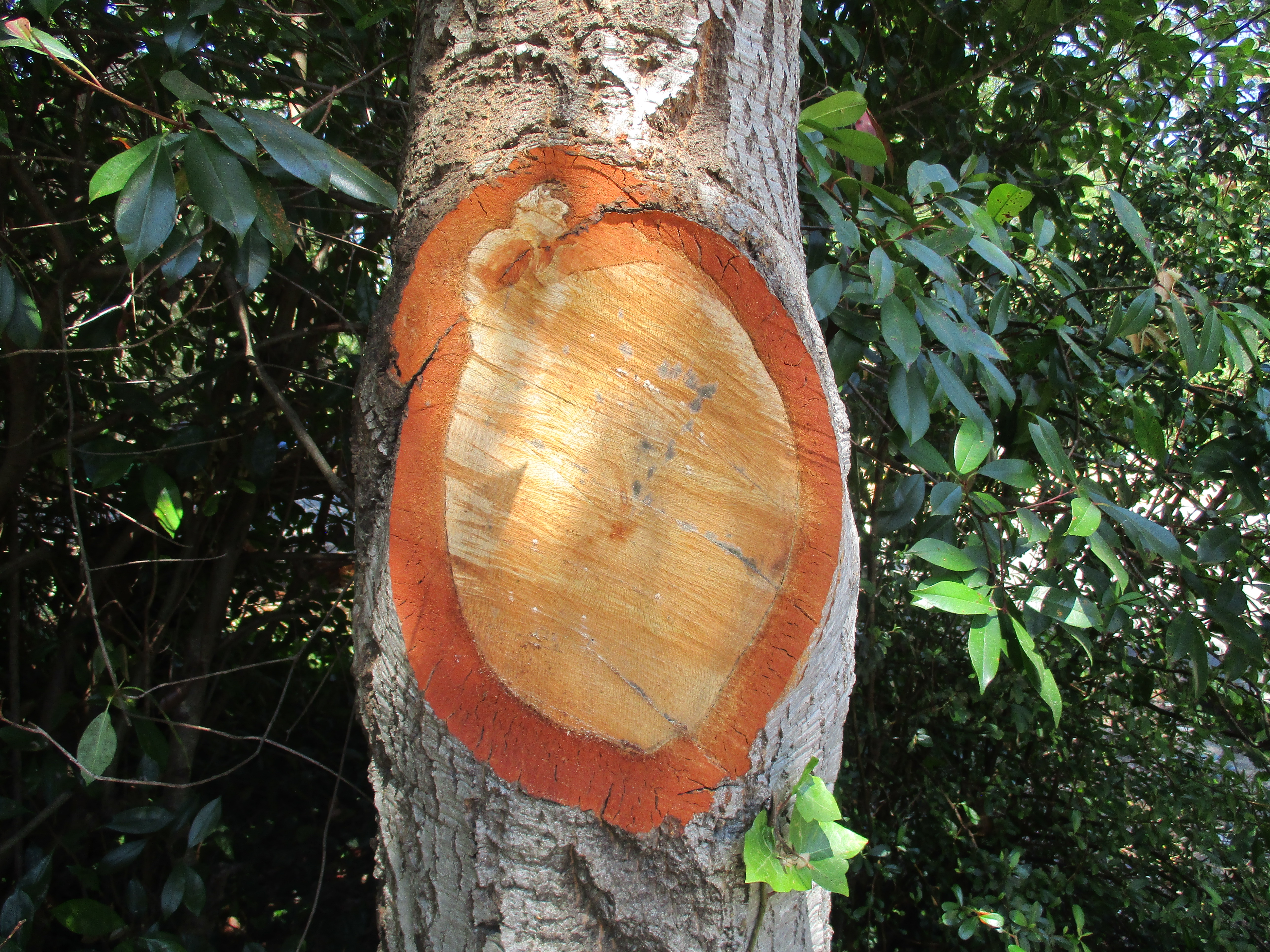 Grafting compound is a thick sealant applied to a fresh graft union to limit desiccation while the graft knits. A bit more typically gets applied to the cut distal end of the scion. There are various formulations of grafting compound, ranging from something resembling roof patch to a something with the consistency of thick paint.
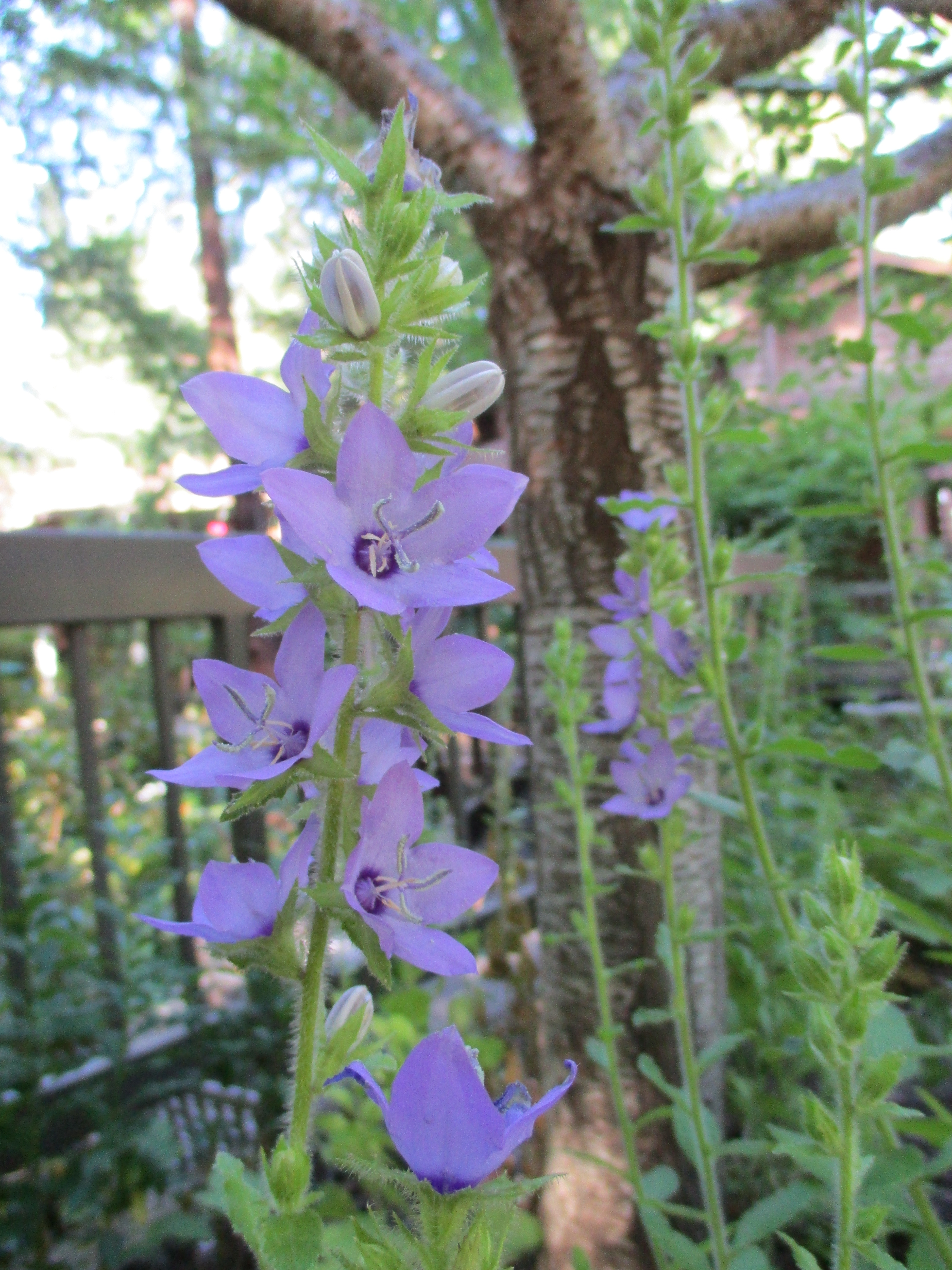 The seed is not really bad. At least I do not think that it is. It is merely misunderstood. Perhaps it would be more accurate to say that it is simply unidentified. I really do not know what it is. I do not say that very often, especially about seed that I bother to collect to sow elsewhere. I believe that it is of American bellflower, Campanula americana. If not, it is very closely related.
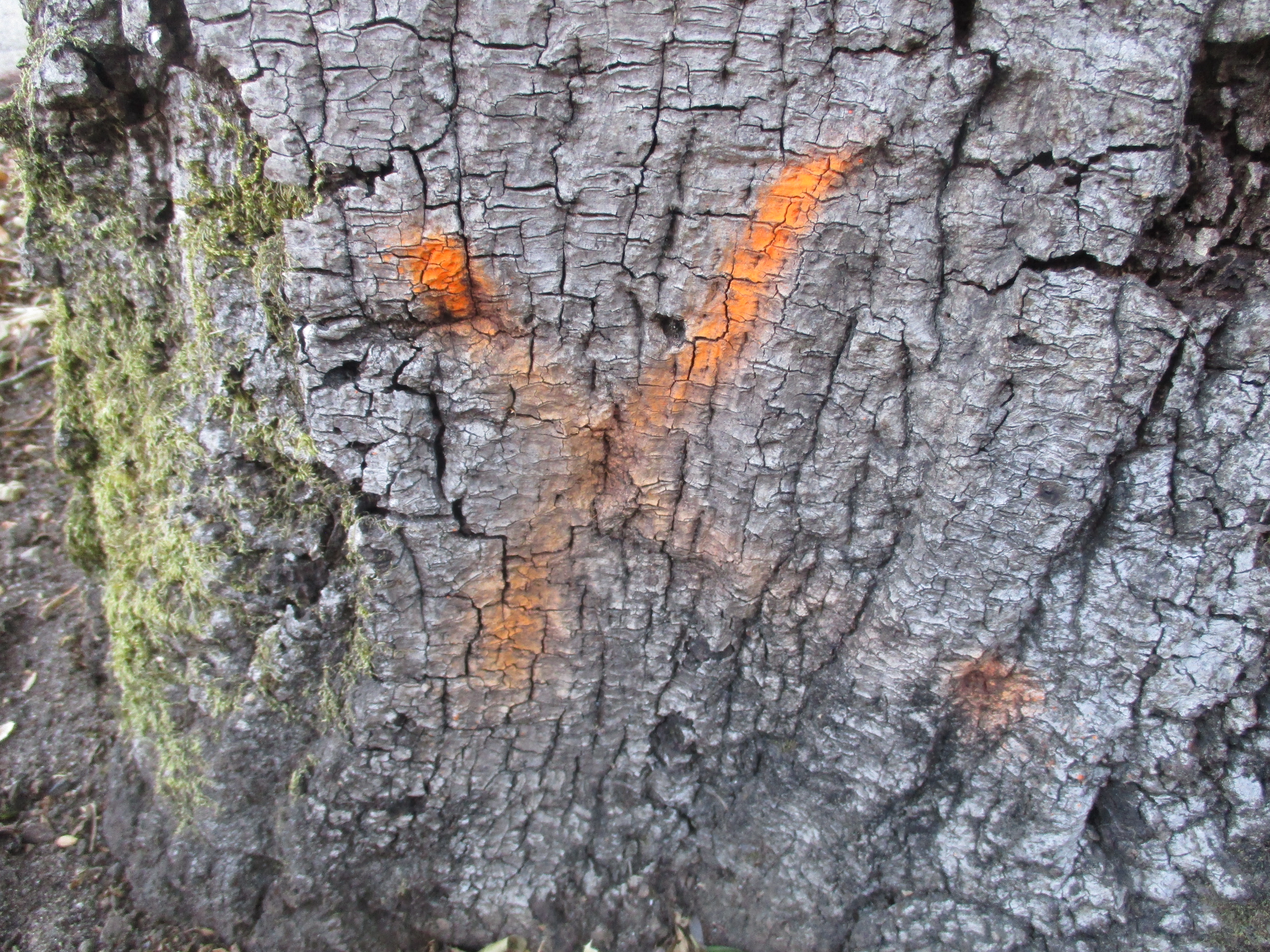 Horticulture is not all about growing things. If everyone was out planting trees, the World would eventually be overwhelmed with forest. It is sometimes necessary to cut trees down. There are several at work that we have been wanting to cut down for quite a while. Some are structurally deficient enough to eventually become hazardous, which is unacceptable in public spaces.



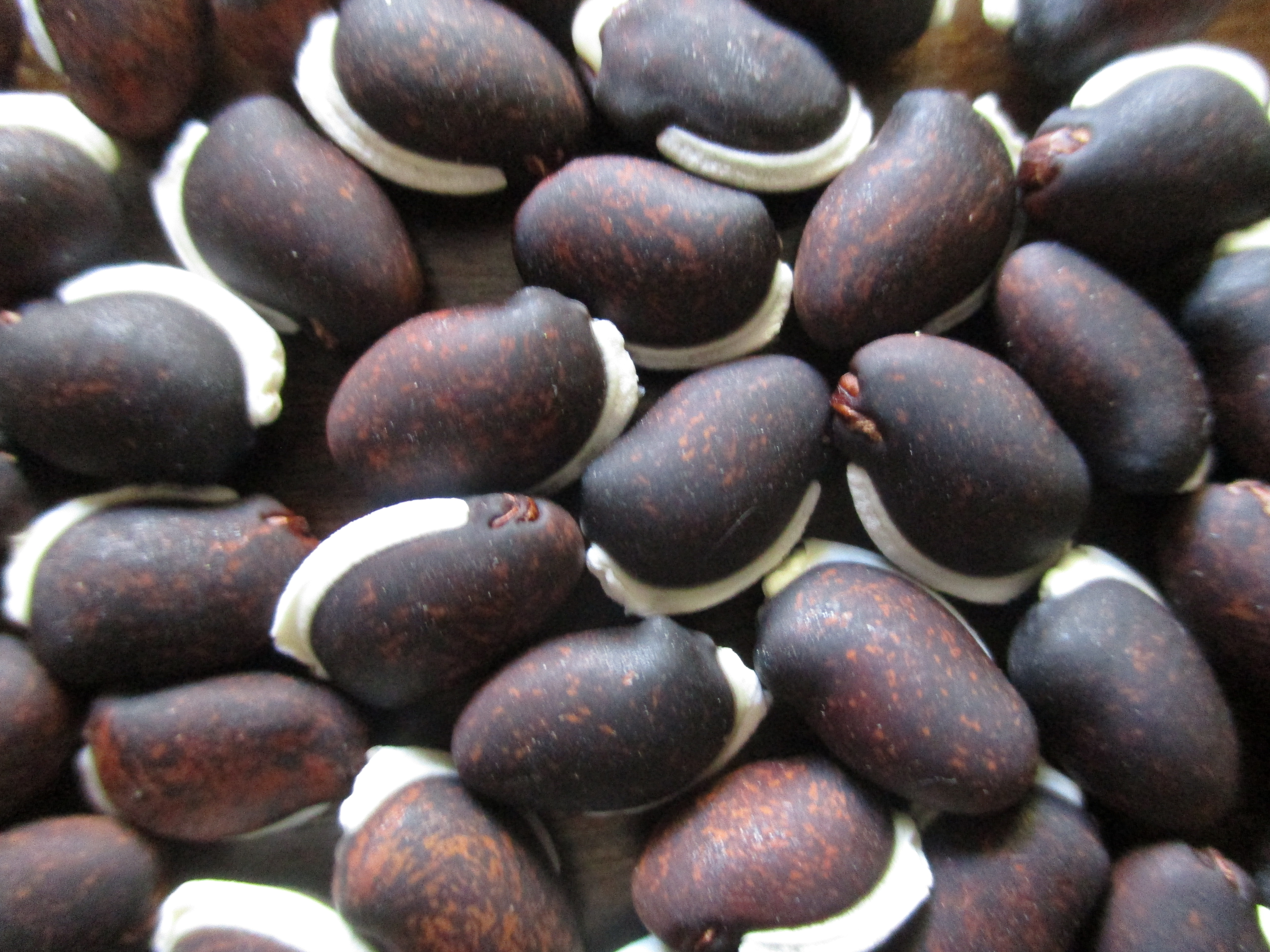 Hooey! It’s a bunch of hooey! Sweet pea seed that gets sown this time of year for next spring does NOT need to be soaked before sowing. In fact, unless there is some strange species of plant that has become that dependent on human intervention, NO seed need to be soaked prior to sowing. Not only is the technique completely unnecessary, but it is completely unnatural as well.
