Cover Ground With Ground Cover

Trailing rosemary eventually gets somewhat deep.

Within the outdoor rooms of home gardens, shade trees are ceilings, shrubs and hedges are walls, and turf and ground cover plants are floors. That is why the selection of plants for such purposes is as important as the selection of paint and carpet for indoors. Among ground cover plants, durable turf grasses for lawns are the most common and functional.

There are so many more types of ground cover plants besides turf grasses though. A few of the lower, denser and more resilient types of ground cover plants can function as turf if necessary. Many more function as mulch to control erosion, contain dust or conceal mud. Many inhibit proliferation of weeds. Some retain a bit more moisture than they consume.

Appropriate ground cover plants most definitely have many advantages. They also have certain disadvantages. Although most require less maintenance than the weeds that they exclude, they require more maintenance than simple mulch. Also, most require irrigation. They might be trailing perennials, sprawling shrubbery, or unsupported wandering vines.

Trailing gazania, Hottentot fig (freeway ‘ice plant’) and various ice plants are some of the more popular perennial ground cover plants. They and others migrate by trailing stolons or rhizomes. They are among the lower and more compact types of ground cover plants. Some need no more pruning than edging. Many propagate easily by division or cuttings.

Sprawling sorts of juniper, ceanothus, cotoneaster, myoporum and rosemary are shrubby ground cover plants. They get significantly deeper than perennial plants, and some sorts can eventually get too overgrown to be practical. Rosemary, myoporum and cotoneaster are conducive to shearing as they mature. Ceanothus and juniper need significant area.

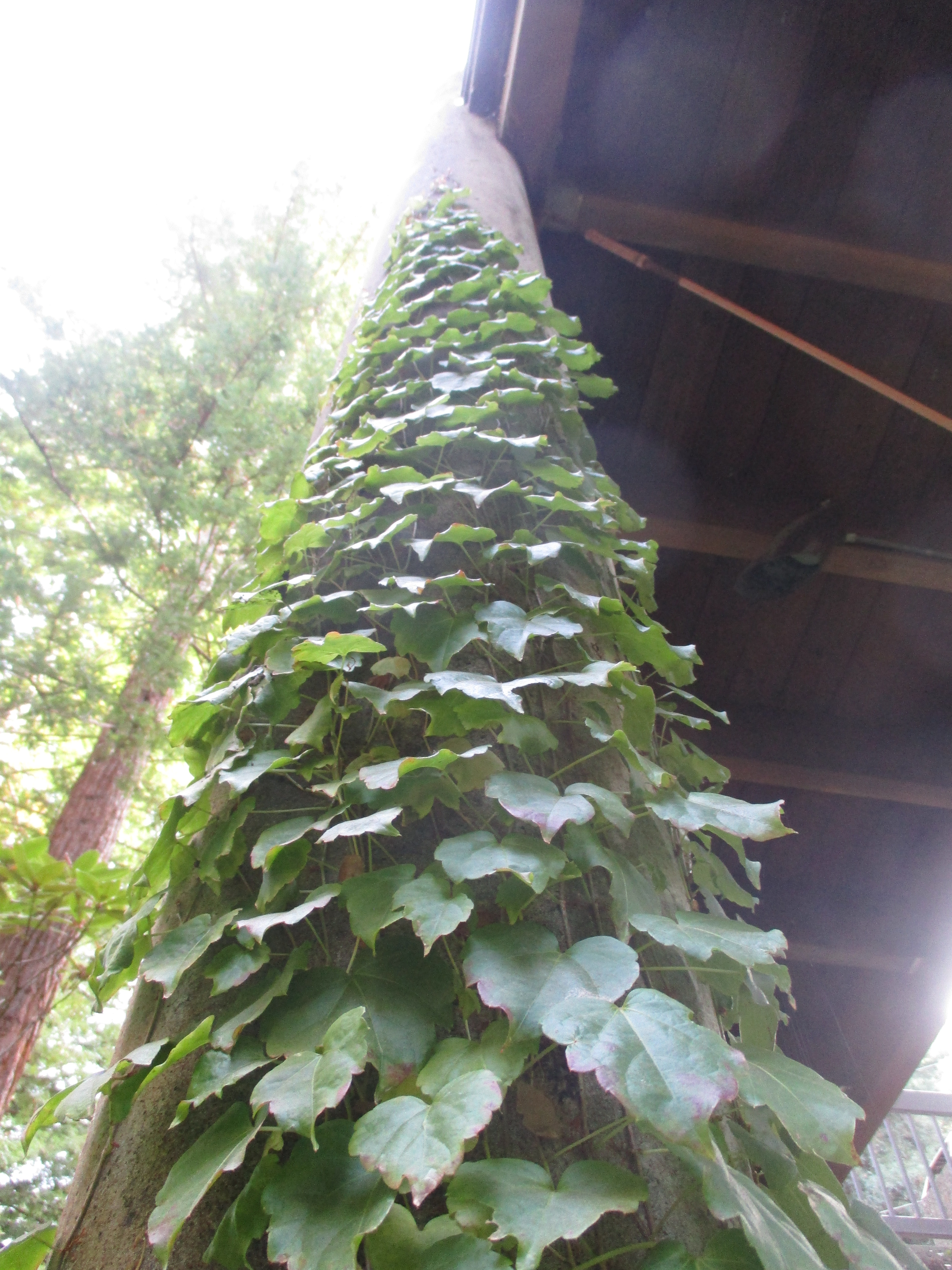
English ivy, Algerian ivy and star jasmine are vining ground cover plants that should stay rather low if properly maintained. However, they can climb into shrubbery and trees, and even buildings. The ivies are famously aggressive, and spread indefinitely by rooting as they migrate. Severe pruning can renovate some overgrown vining ground cover plants. Bougainville gets rather shrubby and deep, even without support.

Another One Bites The Dust

Goodness! Gophers were bad three years ago; but are even worse this year!

tonytomeo's avatarTony Tomeo

P90825If this looks familiar, it is because it is the second big camellia to be killed here in the same manner in not much more than two months. The damage is not fresh, likely because the gopher that caused it started chewing on the roots as soon as the other camellia was removed. The other camellia succumbed about two months after a similarly damaged cherry tree was removed.

We are now concerned for a remaining third camellia in the same spot, as well as others in the vicinity. There is also concern that the gopher may take interest in something else, such as the birches. We would typically find and destroy any gopher that causes such problems. The difficulty here is that the area is thoroughly covered with a dense layer of Algerian and English ivies.

All evidence of gopher excavation is obscured. Even if we could locate such excavation…

View original post 150 more words

Fake Six on Saturday

These arborvitae and barberry have done well during the past three years.

tonytomeo's avatarTony Tomeo

P90824K‘Six on Saturday’ is a weekly tradition for many of us who enjoy sharing six horticulturally oriented pictures on Saturday. I just did it earlier this morning.

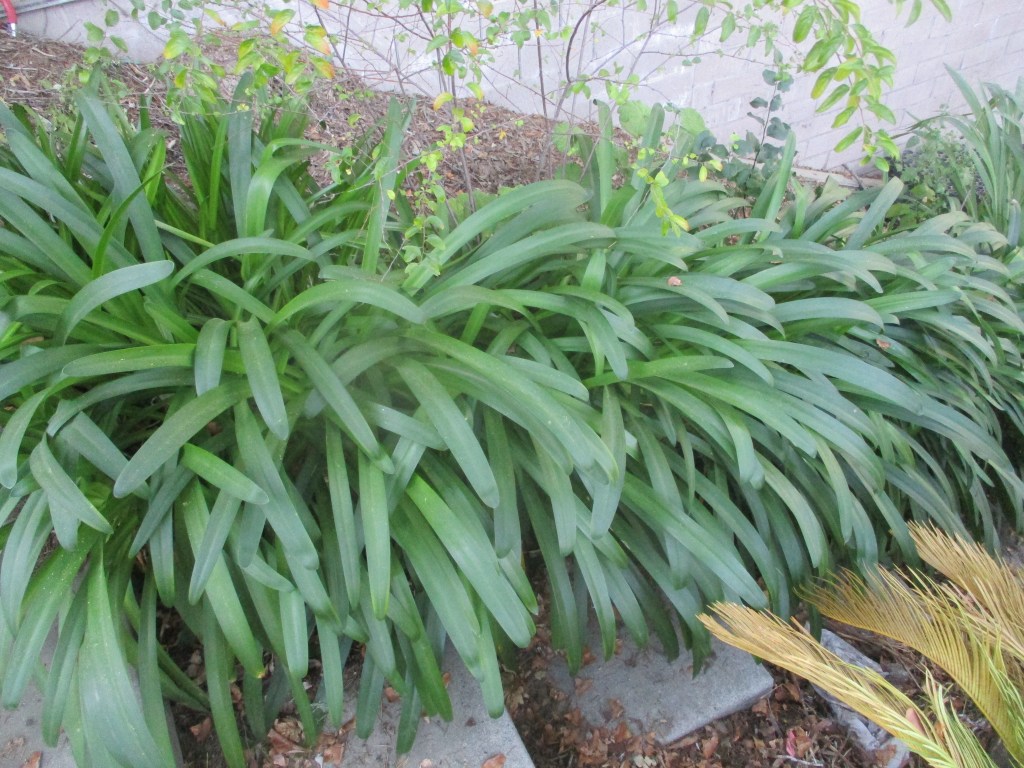
This is not ‘Six on Saturday’. It is just one picture of six arborvitae. What’s worse is that there is an indistinguishable seventh at the far end of the row. It blends into the sixth in this picture. There are seven barberry between them, with the seventh beyond the last arborvitae. This picture was taken more than a week ago, so most of the amaryllis are done blooming now.

This row of arborvitae and barberry was installed early last winter, after a grungy hedge of photinia was removed. It would have been nice to salvage the photinia, but they were such a mess that the process would have taken more than two years, and even then, would have been patchy.

These arborvitaes will…

View original post 150 more words

Six on Saturday: No Rhody

Rhody is again absent from my Six on Saturday for this week. Within such an odd mix of six unrelated pictures, I suppose that I should have added at least one picture of Rhody. After all, Rhody is who you are here to see. Well, I thought that some of these, especially #5, are interesting. Both #1 and #2 are Canna, so they are actually not totally unrelated. There might be more of Brent’s pointless pictures for next week; but perhaps one picture will be of Rhody.

1. ‘Wyoming’ canna provided this foliar picture that was too artsy to discard unused, but not compliant enough for my Six on Saturday of last week. All of those six were closeups.

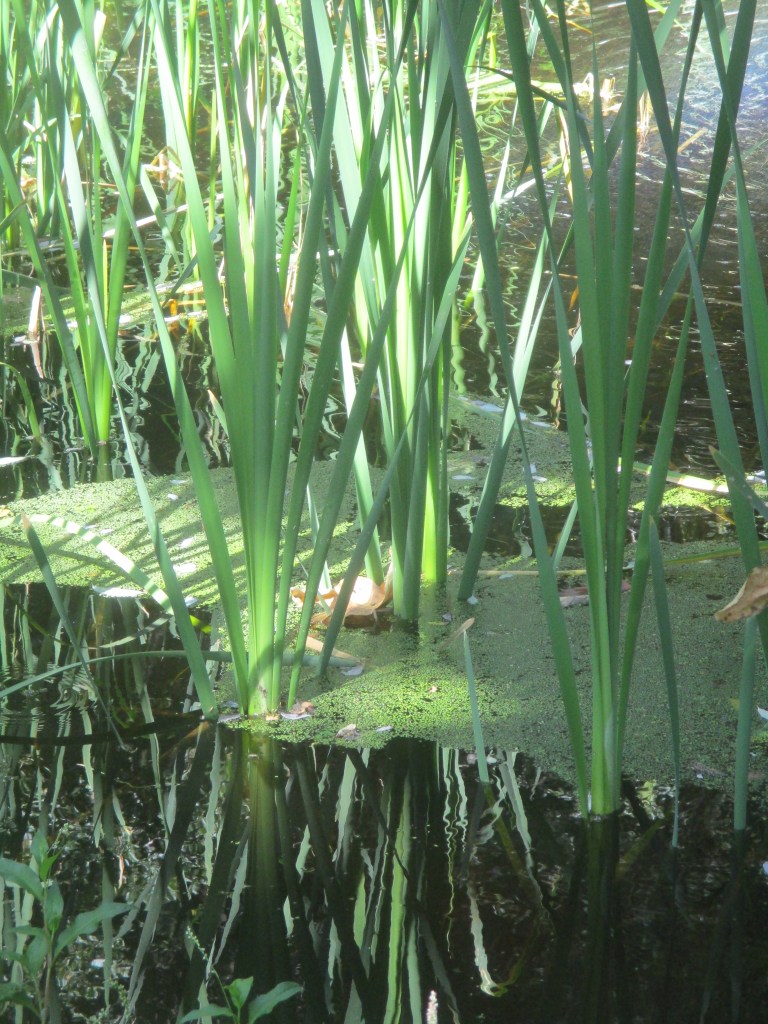
2. ‘Australia’ canna likewise provided this picture that is interesting, but not compatible with the earlier Six on Saturday. It lives in a pond. That is duckweed in the background.

3. Blue elderberry is native here. Unfortunately, some of the most productive specimens are in awkward situations. I canned a few wild seedlings to install into better situations.

4. Poinciana has a complicated explanation. I told Brent that ‘Crazy Green Thumbs’ sent me seed of poinciana and esperanza. What I consider to be poinciana is actually pride of Barbados. After remembering the difference from what Brent considers to be poinciana, I still felt obligated to grow a poinciana tree for Brent, so actually purchased seed online!

5. Esperanza is real! It is not easy to grow though. Only a few seed germinated, and only a few seedlings survive. At this rate, they will still be dinky and need shelter for autumn.

6. Memorial Tree in Felton Covered Bridge Park seems to be happy, but has grown a bit slower than it did by July 12 last year. I have not posted an update for it since December.

This is the link for Six on Saturday, for anyone else who would like to participate: https://thepropagatorblog.wordpress.com/2017/09/18/six-on-saturday-a-participant-guide/

String of Pearls

Weird but elegantly pendulous string of pearls likes to hang around. It cascades nicely from hanging pots or tall urns.

It is difficult to see how string of pearls, Senecio rowleyanus, is related to much more colorful daisies and asters. The small, fuzzy and sickly white flowers are not much to look at, and only clutter the elegantly pendulous and oddly succulent foliage. The round leaves are light bluish green, so actually resemble peas more than they resemble pearls. The stems are so very thin and limber that they can only stand a few inches high, but can cascade to three feet!

Although evergreen, stems of outdoor plants can be cut back while dormant through winter to promote fresher growth in spring. The pruning scraps are very easy to propagate as cuttings. Roots are undemanding and sensitive to rot, so should be allowed to get nearly dry between watering. Bright ambient light without too much direct sun exposure is best. Incidentally, all parts of Senecio rowleyanus are toxic.

Not All Plants Like Fads.

Ornate pots and planters can be as decorative as the plants within them, and provide extra accommodation for more plants.

Like so many fads too often are, container gardening is overrated, and is actually contrary to the currently most faddish of fads; sustainability. Plants in containers need more regular watering than those that can disperse their roots more extensively into the ground. Those that are so indulged also want fertilizer to be applied more regularly, but are more likely to be damaged if fertilized too generously. Because confinement is stressful, plants in containers are innately more susceptible to disease and pests. Some plants need more pruning for confinement.

Then there are the problems with the containers. If exposed to sunlight, thin plastic containers get warm enough to cook roots within. Pots that do not drain adequately or that sit in their own drainage basins can stay saturated enough to kill roots. Water in drainage basins allows mosquitoes to proliferate. Seepage from large pots can rot decks and stain pavement. Self watering containers work nicely for houseplants (if used properly!), but lack drainage, so can not be used out where they are exposed to rain.

The advantages to container gardening are actually quite limited. Containers are obviously needed for houseplants, and where exposed soil is not available, like on balconies. They are also convenient for plants that want better soil than they can get in the garden, especially if the rest of the garden is responsibly landscaped with sustainably undemanding plants that do not require soil amendment or regular watering. Frost sensitive plants can be moved easily to sheltered locations if contained. Flashy plants like orchids and tuberous begonias that get displayed prominently while blooming can be concealed while not so impressive.

Of course there are many pendulous plants like Boston fern, spider plant, string or pearls and burro’s tail that really are at their best in hanging pots. It is also hard to deny that there are all sorts of artsy containers, like colorfully glazed pots and sculptural concrete urns, which are appealing enough to justify growing plants in them, even if just to show off the fun containers. Bonsai requires containers, but that is another big topic!

Horridculture – True Colors

Good old fashioned hydrangeas with pastel bloom are rare nowadays.

tonytomeo's avatarTony Tomeo

P90821Bearded iris can bloom in almost any color. It is expected of them. There is not much they can do to surprise us.

Dahlias exhibit a remarkable range of both color and floral form. Only a few colors are beyond their range.

Roses, gladiolus, freesias, tulips, hyacinths, petunias, pansies, primroses and several of the most prolific bloomers are expected to provide many choices of color.

Other flowers are not so diverse. Forsythia blooms only in bright yellow, or perhaps a lighter hue of yellow. Mock orange blooms only in white, either single or double. Until recently, before purple was invented, the common species of lily-of-the-Nile were either blue or white. We tend to appreciate such flowers for their simplicity, and do not expect anything more from them.

Decades ago, hydrangeas were either white or pink or blue. I say ‘either’ because what seems to be three choices is actually only…

View original post 205 more words

Ivy Geranium

Ivy geranium cascades splendidly from planters.

Venice in Italy is an ideal situation in which to demonstrate the potential of ivy geranium, Pelargonium peltatum. Because garden space is so minimal, potted plants that cascade from balconies above the canals are quite popular. Ivy geranium cascades so splendidly that some eventually reach the tops of downstairs windows from their upstairs balconies.

Ivy geranium can sprawl over shrubbery to seemingly climb a few feet high. Otherwise, it is unlikely to stand much more than a foot and a half high on the ground without support. If cascading over the edge of a planter, upward growth may be only several inches high. In window boxes, it obstructs minimal sunlight. However, it may hang six feet downward!

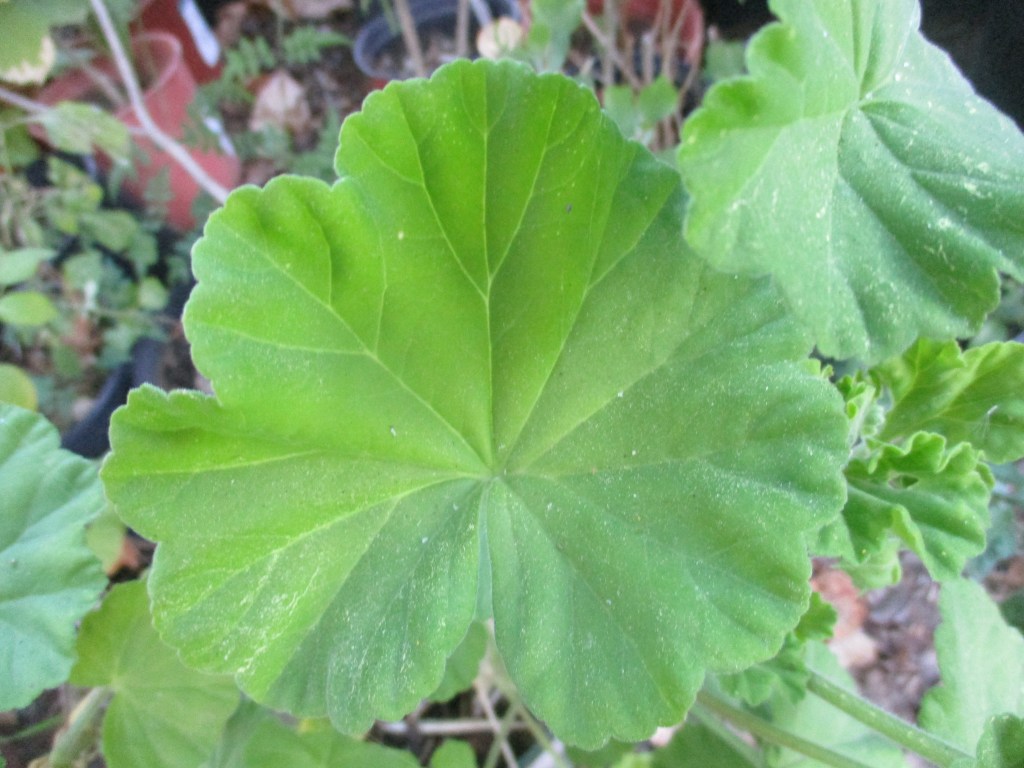
Ivy geranium propagates somewhat easily by cuttings of the almost succulent stems, but not as easily as zonal geranium. Its lobed, rounded and quite fragile leaves are about an inch long and two inches wide. Sporadic but continual bloom becomes more profuse for late summer and autumn. Flowers might be white, pink, red, lavender, purplish or striped.

Utilitarian Garden Features Became Aesthetic

Nasturtium used to be more utilitarian.

Gardening is fun. Furthermore, gardens are pretty. Some gardens also produce fruits and vegetables. Not very long ago, production of fruits and vegetables was more of a priority for more gardens. Some big gardens generated firewood and a bit of forage for livestock. Contemporary abundances allowed gardening to become more aesthetic than utilitarian.

Such abundance may not seem so apparent while so many of society could benefit from a bit more. People work more than ever to earn resources to purchase produce that they can not grow in their gardens while working so much. It has become more feasible to do so. Landscape maintenance is just another expense that many would prefer to eliminate.

Nonetheless, some popular features within modern home gardens evolved from formerly utilitarian features. Many such utilitarian features were common within the infrastructures of home gardens prior to the development of any modern technology that replaced them. Some were popular only because such technology was either expensive or uncommon.

Shade trees are among the most traditional and perhaps more recognizably utilitarian of landscape features. Although, even they have evolved. With modern air conditioning and insulation, their shade is less important than their aesthetic appeal. Window screens and rain gutters are also modern technologies that made particular garden features obsolete.

Window boxes, which are now mere ornamental features, were originally popularized for aromatic vegetation, to repel insects from windows. Rosemary, nasturtium, ivy geranium and petunia had always been some of the more popular repellent plants for this purpose. They do not obscure much sunlight as they cascade delightfully outward and downward.

Foundation plantings, which now merely soften the perpendicularity of vertical walls and horizontal garden spaces, were also utilitarian features. Compact and resilient shrubbery or perennials inhibited erosion caused by rain falling from eaves above. They obstructed splattering mud from below also. Indian hawthorn and lily of the Nile were quite effective. They could survive through summer without much irrigation, but then survive excessive moisture through winter.

Can’t See The Tree For The Forest

This old article reminds me that our work here is never done.

tonytomeo's avatarTony Tomeo

P90818Big trees get big problems. Part of our job is to tend to these problems before they become dangerous. Many of these problems are somewhat easy to identify. A deteriorating ponderosa pine with browning foliage it difficult to ignore if it is tall enough to be seen above the rest of the forest more than a mile away.

There are a few problems that are not so easy to identify. Some are caused by the weather, without prior warning. Others are hidden in the forests. One might think that those in the forests would not concern us. However, our landscape and facilities are so intricately mixed with the forests.

The shiner in the picture above was where a big broken limb needed to be cut from a big fir tree. It may not look big in the picture, but the limb was probably more than nine inches wide, and long…

View original post 150 more words