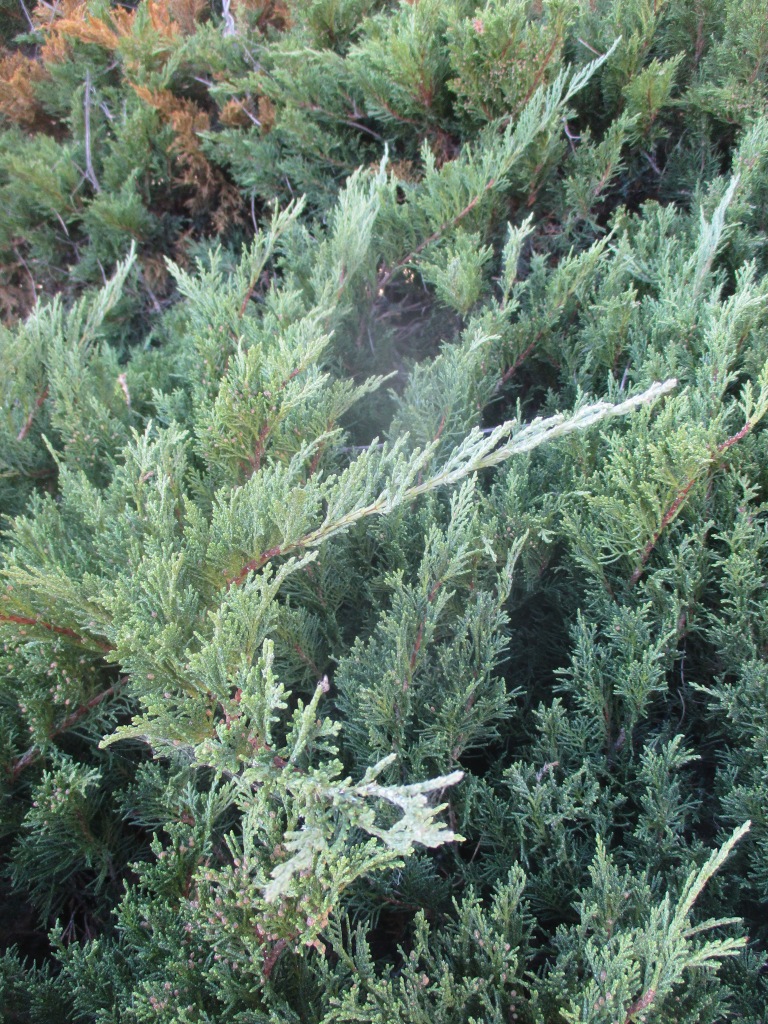
Fads come and go. Many can be good, even if only briefly. A few might be bad enough to later stigmatize the object of the fad. For example, the formerly esteemed crape myrtle is now familiar as a mundanely common tree. Flashy bloom and complaisance contributed to its excessive popularity. Most sorts of juniper are similarly victims of their previous fad.
A few cultivars of juniper suddenly became overly popular during suburbanization of the 1950s. They were remarkably reliable and resilient. Most were shrubbery or low hedges. A few were groundcover. Hollywood juniper grew as a compact sculptural tree. However, most junipers grew too big. They became difficult to maintain, or impossible to renovate.
As many outgrew suburban gardens, few junipers outgrew their reputation. Even modern cultivars that were unavailable during the fad of the 1950s are perhaps less popular than they should be. Realistically, many old and new cultivars of juniper are quite practical for refined home gardens. They merely need to be appropriate to their particular application.
Many cultivars of several species of Juniperus are commonly available. Straight species are very rare from nurseries, although a few are native nearby. All junipers are evergreen with tiny awl or scale leaves. Foliar color ranges from forest green to silvery gray. Bloom is unremarkable. Some junipers produce pretty and aromatic blue, gray or black berries.
Junipers generally do not respond favorably to pruning that damages their natural forms. Those that grow as groundcovers, with stems that sprawl over the surface of the soil, are not offended by pruning to contain their edges. However, most groundcover junipers are actually just low shrubbery. Pruning might leave holes within their dense foliar canopies.
Junipers that grow as small trees do not mind removal of lower limbs at their main trunks, but object to partial pruning or ‘stubbing’ of such limbs. Regardless of their natural forms, all junipers should be proportionate to their particular applications. With sufficient space, they can mature and develop their naturally distinguished forms with minimal altercation. Maintenance could really be quite minimal.

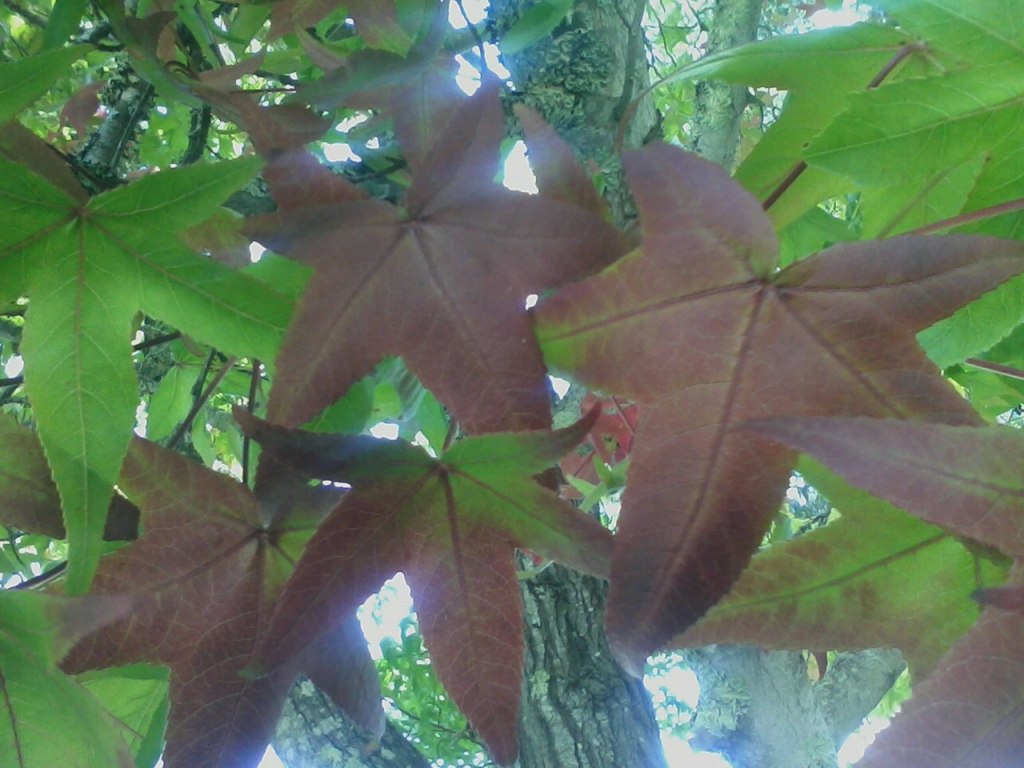
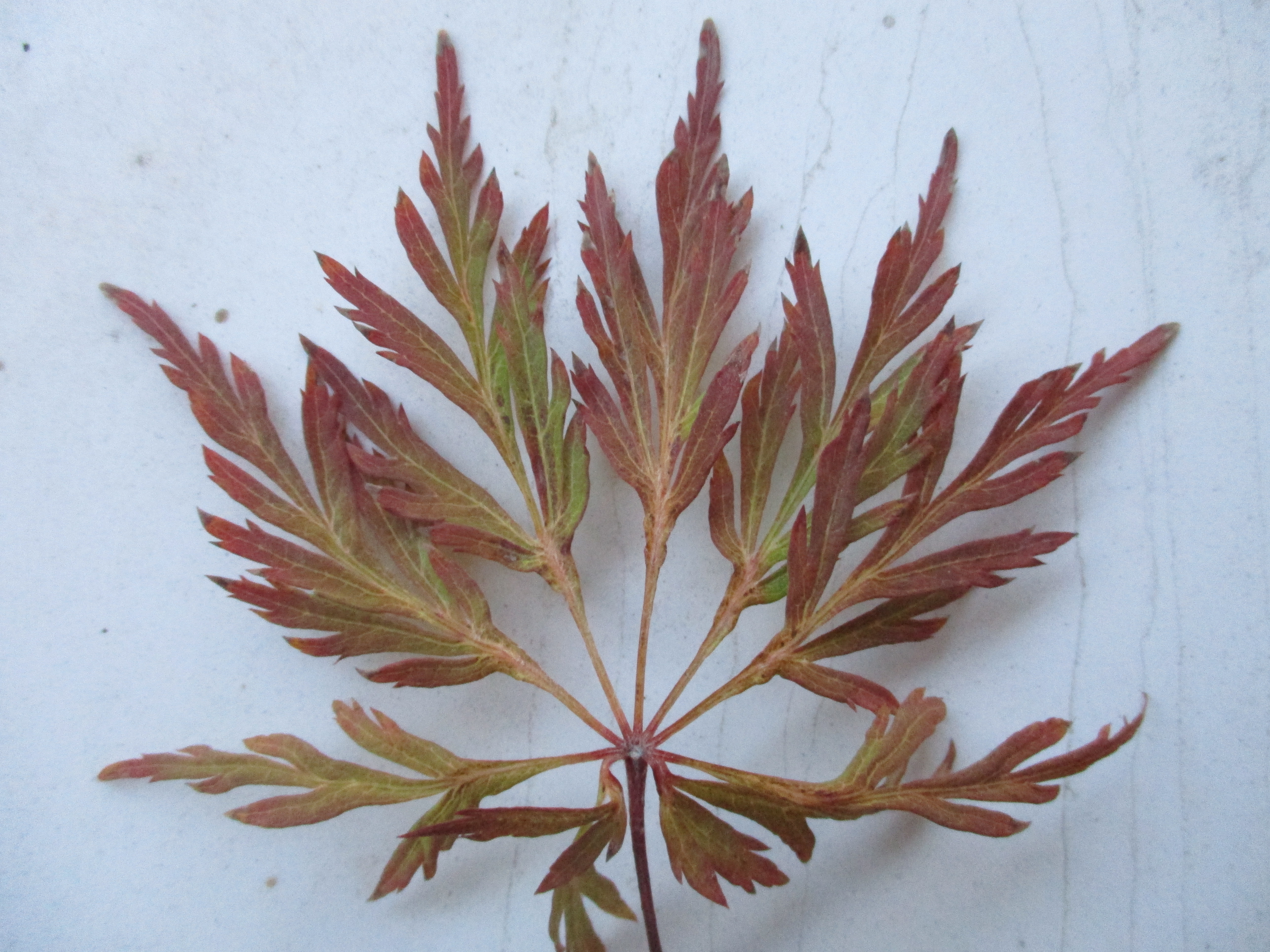 Okay; so this is neither the first, nor real autumn foliar color. It just happened to be convenient for me to get a picture of. Someone left this unfortunate Japanese maple right outside on the driveway a few years ago. It colors early from uncomfortable exposure to late summer warmth. The picture below is even more colorful, and was from even earlier in the year, last August.
 Warnings were broadcast in local news for a few days prior. Because of the extreme potential for catastrophic forest fires, electrical service was to be disabled to our region, and large areas of California. Weather was predicted to be warm, windy and dry (with minimal humidity). Such conditions are exactly what cause fires to spread so explosively through the overgrown forests.



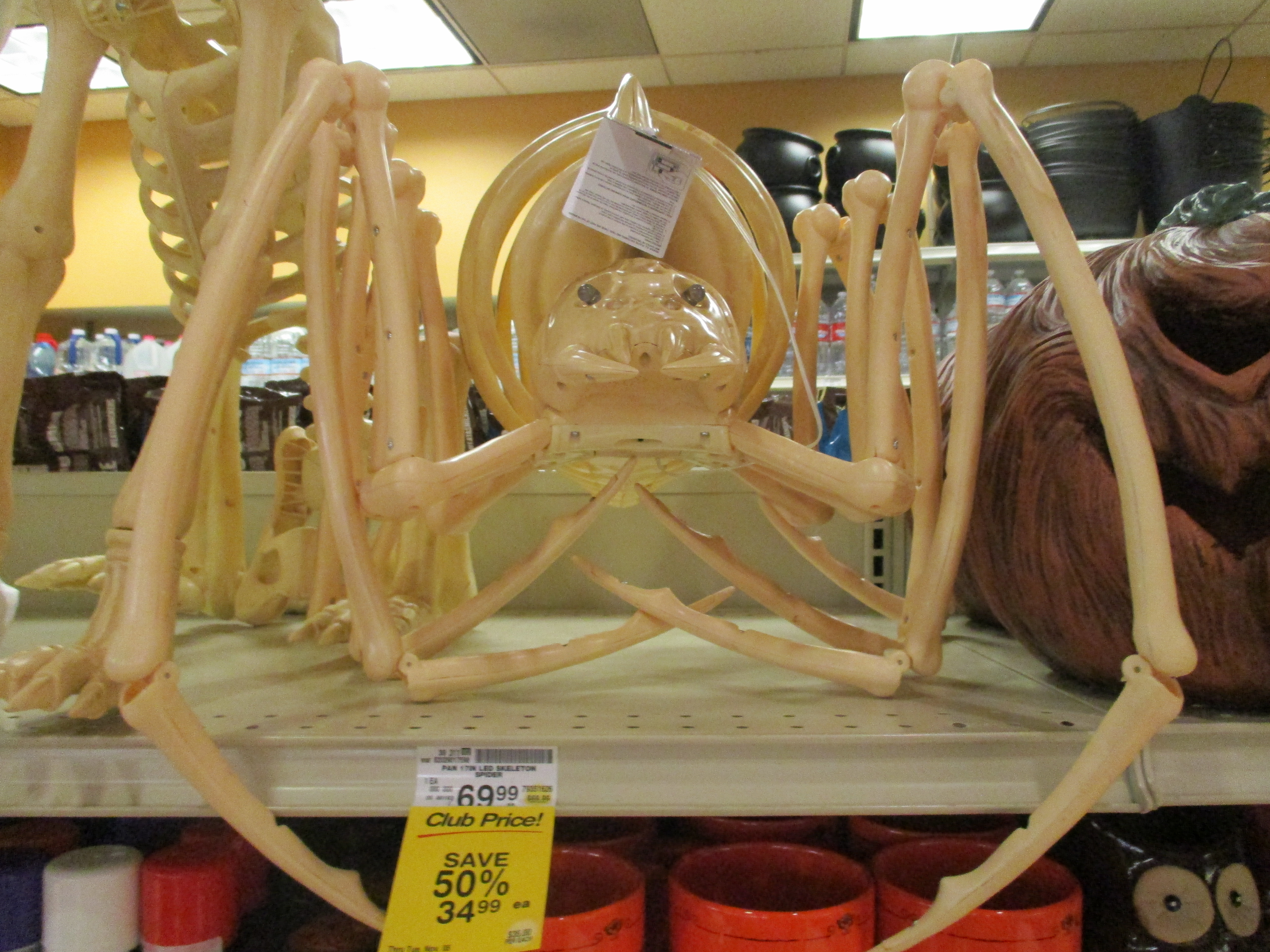 Halloween is a topic that I could rant about for days. Seriously. I loathe it. I dislike any formerly respectable holiday that has been ruined by excessive commercialization. We all know what happened to Christmas. For me, Halloween, in some regards, is even worse. Christmas is at least pretty. Halloween is intended to be morbid and grotesque and creepy and . . . just plain bad.

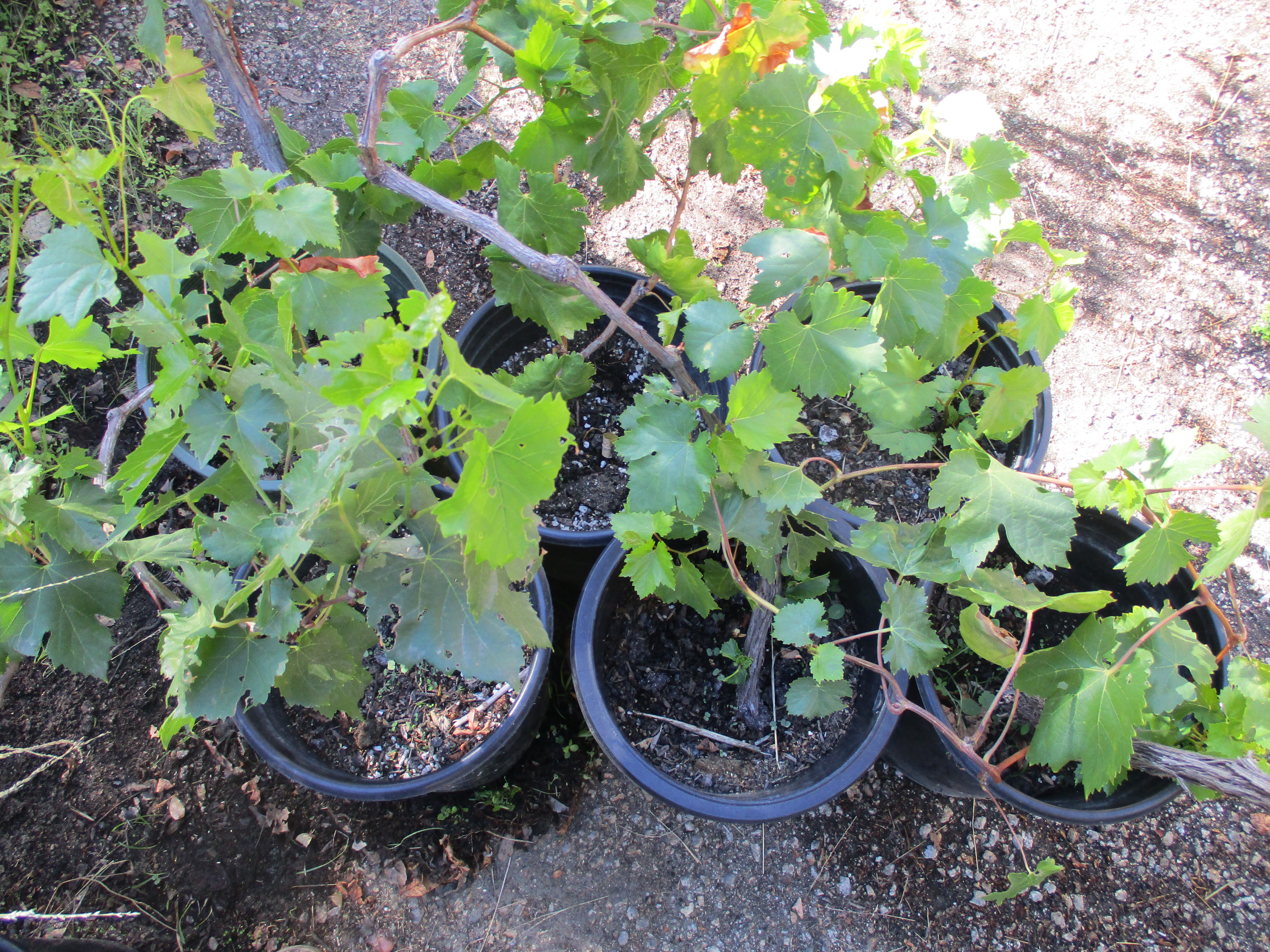 Jocular reference was made to ‘The Grapes Of Wrath’ on our our backward version on the way to

