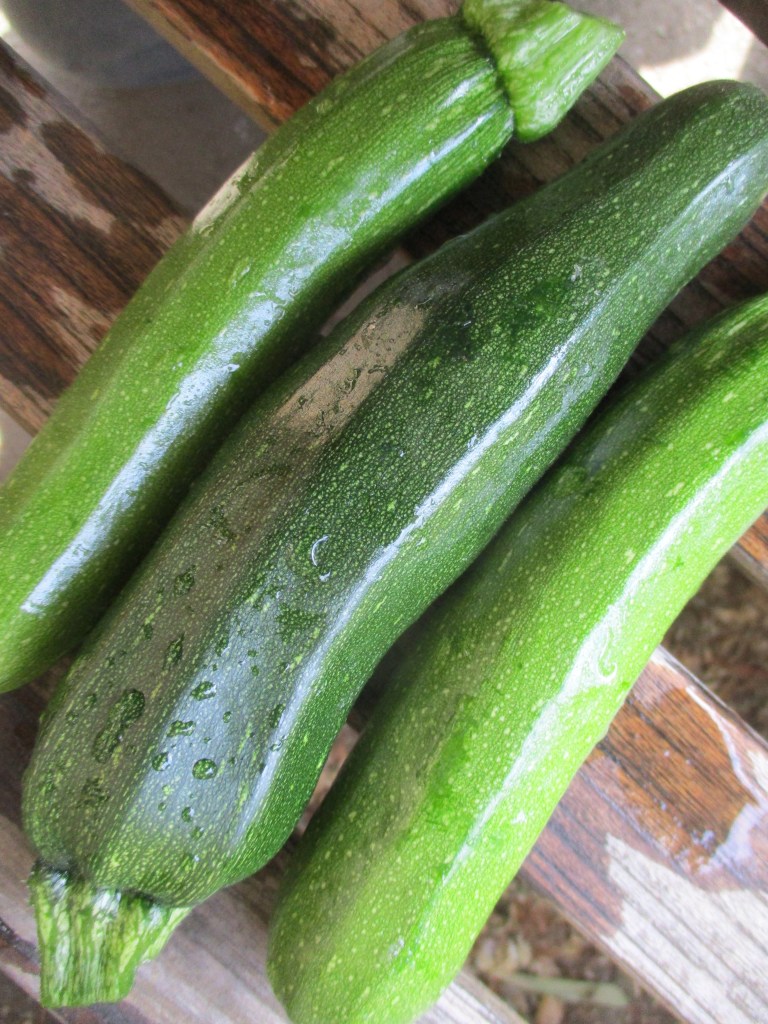
Vegetable plants are mostly unnaturally productive. Extensive breeding compels them to yield fruits and vegetative parts that are bigger, better and more abundant that what their ancestors produced. Increased production increases their reliance on resources. Without crop rotation, some sorts of vegetable plants noticeably deplete some of what they need.
Rotation, which is the same as crop rotation or garden rotation, is a technique of growing vegetables where different types of vegetables grew previously. In other words, one type of vegetable does not grow in any one place for too long. Some vegetables may produce well in some types of soil for a few years. More consumptive types prefer annual rotation.
This technique disrupts the depletion of particular nutrients that particular types of plants crave. It also allows for replenishment of depleted nutrients in the absences of plants that cause such depletion. Furthermore, some soil borne pathogens find this active cycling to be disruptive. Eventually, plants that cycled out can cycle back into a particular situation.
Tomato plants are particularly consumptive, so appreciate rotation in many types of soils. Eggplant and pepper are related to tomato, so crave many of the same resources, even if they are less consumptive. Therefore, they should not cycle directly into soil relinquished by tomatoes. Unrelated vegetables, such as squash, corn or bean, are more appropriate.
Warm season vegetables that are now returning to the garden might appreciate rotation. A bit of research to determine appropriate placement for them may significantly enhance production. It helps to know which vegetables are related, such as mustard, collard, kale, radish and turnip (of Cruciferae Family), or squash and melon (of Cucubitaceae Family).
Because corn is so high, it should grow to the north of a vegetable garden. Unfortunately, rotation may dictate that it grows to the east for a while, or only in portions of the northern edge that it avoided for a while. Pole beans that like to climb wire fences may sometimes need reassignment to different portions of their fence. Peas should follow their example since they are related.

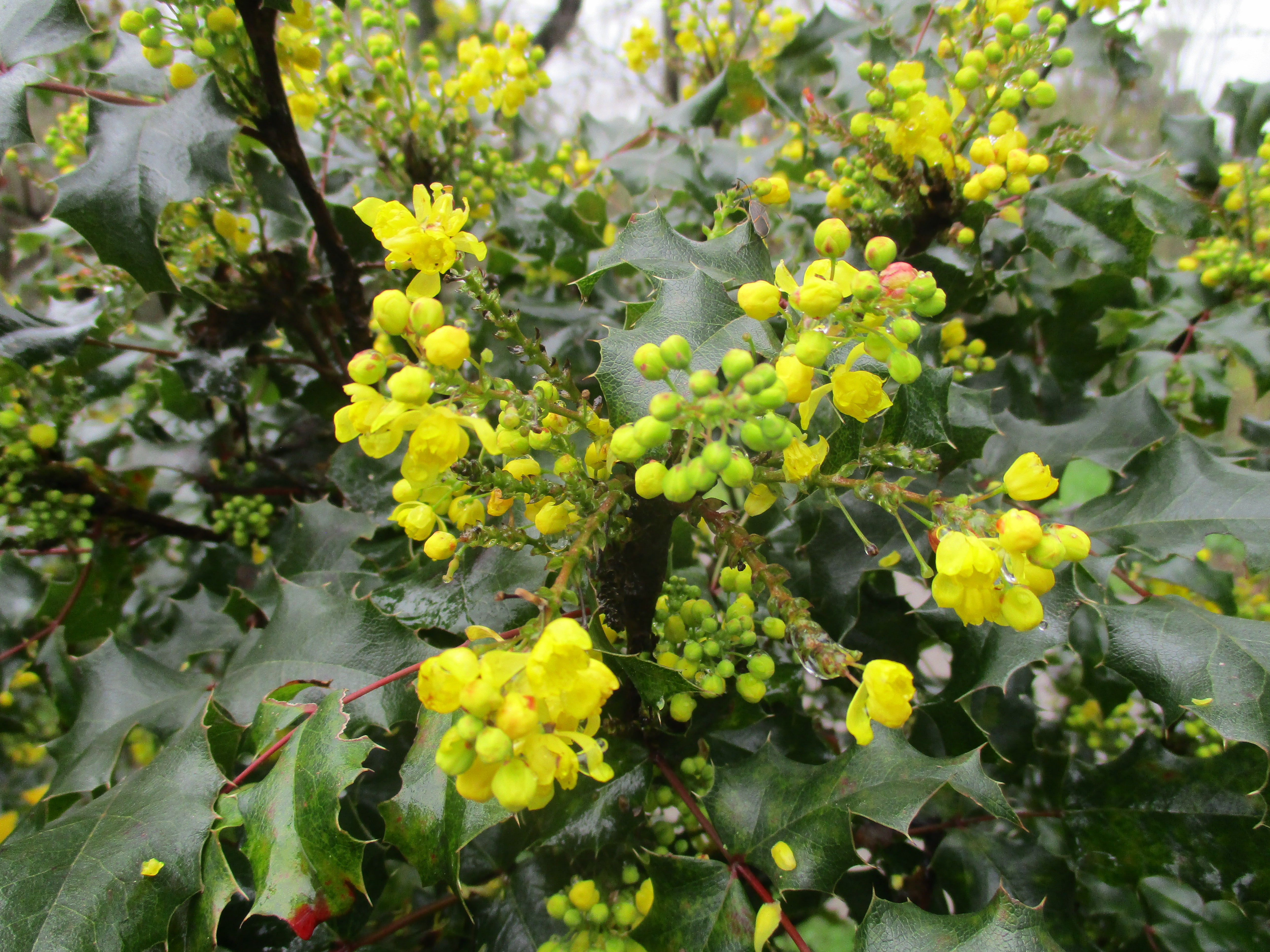 If California is the most excellent state in the entire Unites States of America and surrounding Universe, and Oklahoma is the second most excellent, then Oregon might be number . . . hmmm . . . fourteen or fifteen . . . or maybe like twenty or something. However, in MY (very important) opinion, Oregon is like the third most excellent state, and almost ties with Oklahoma! That makes it even slightly more excellent than Pennsylvania, Vermont and Arizona! Yes, it is THAT excellent!
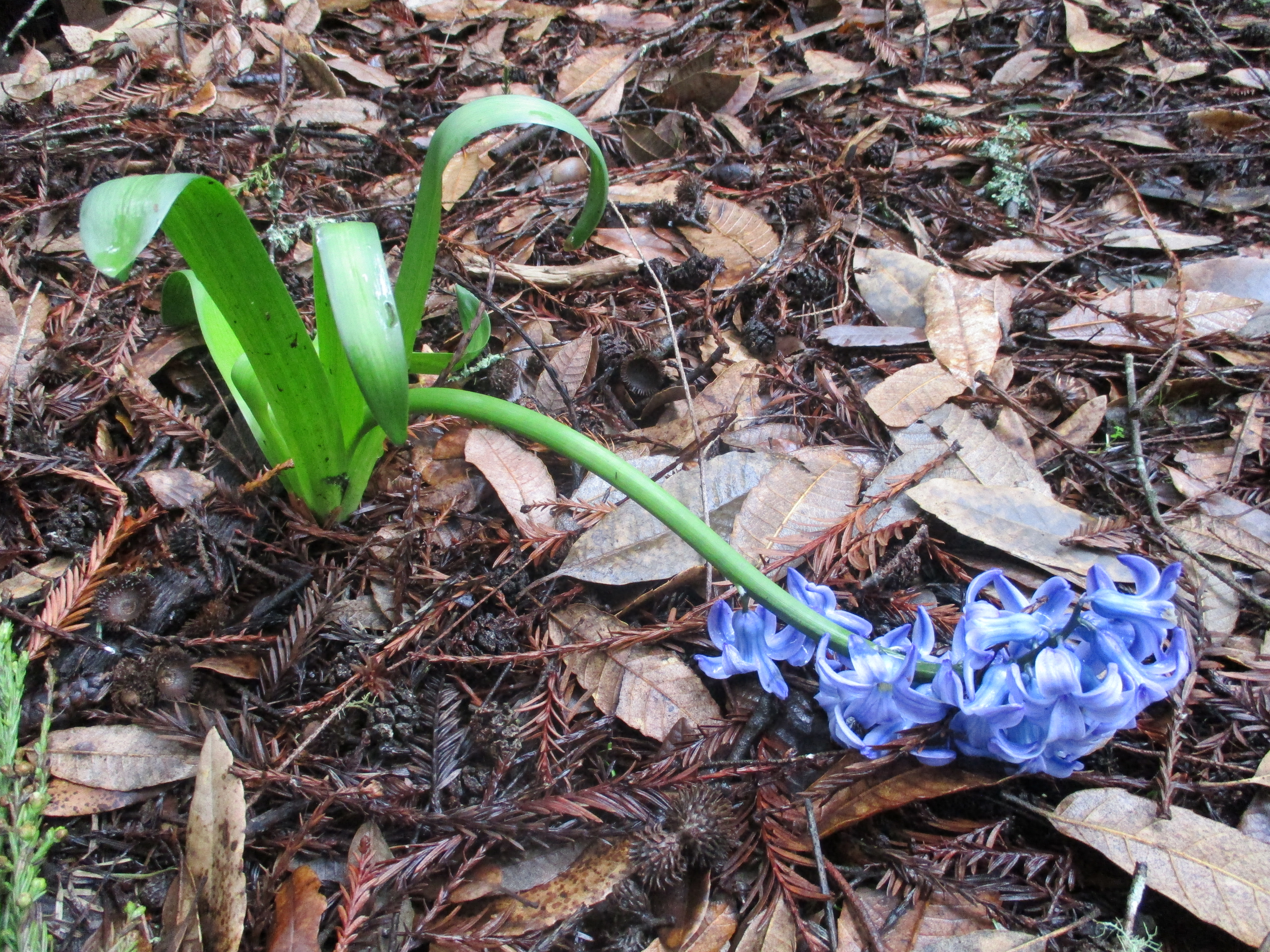 There are a few consequences to all this excellent rain. Gutters are flooding. Trees are falling. Mud is sliding. As much as we should be grateful for what we are getting while we are getting it, it is getting rather old. Clear and sunny weather that is forecast after today will be a welcome relief from all this muddy sogginess.
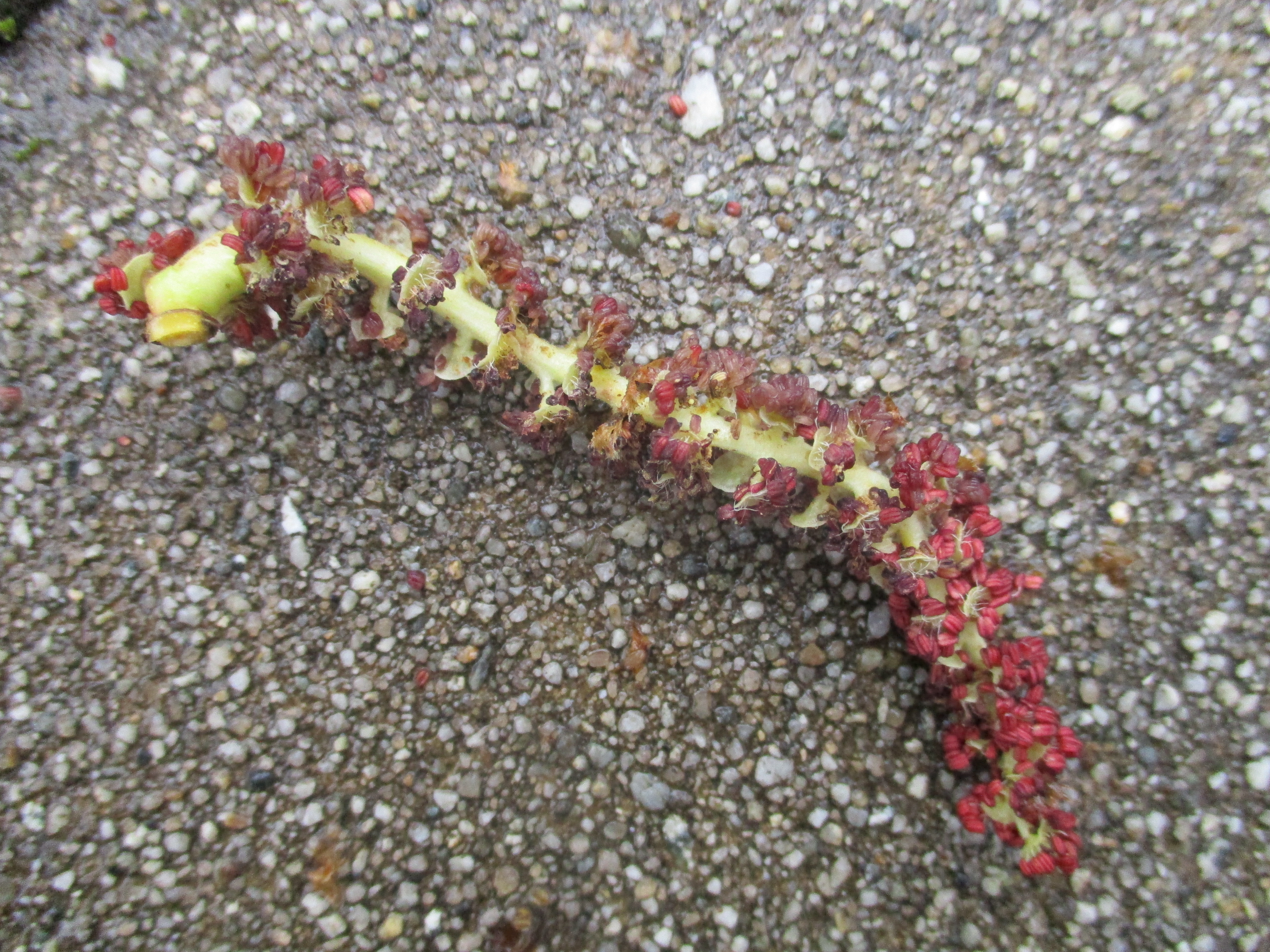 There are thousands of them, these weird motionless caterpillar like ‘things’, in big herds under all the cottonwood trees. They make a squishy mess in the rain, and stain concrete. They may not look like much from a distance, and are merely ignored as a minor nuisance that must be swept from pavement, but on closer inspection, they really look unworldly, like something from another planet, or a bad Japanese science fiction movie.



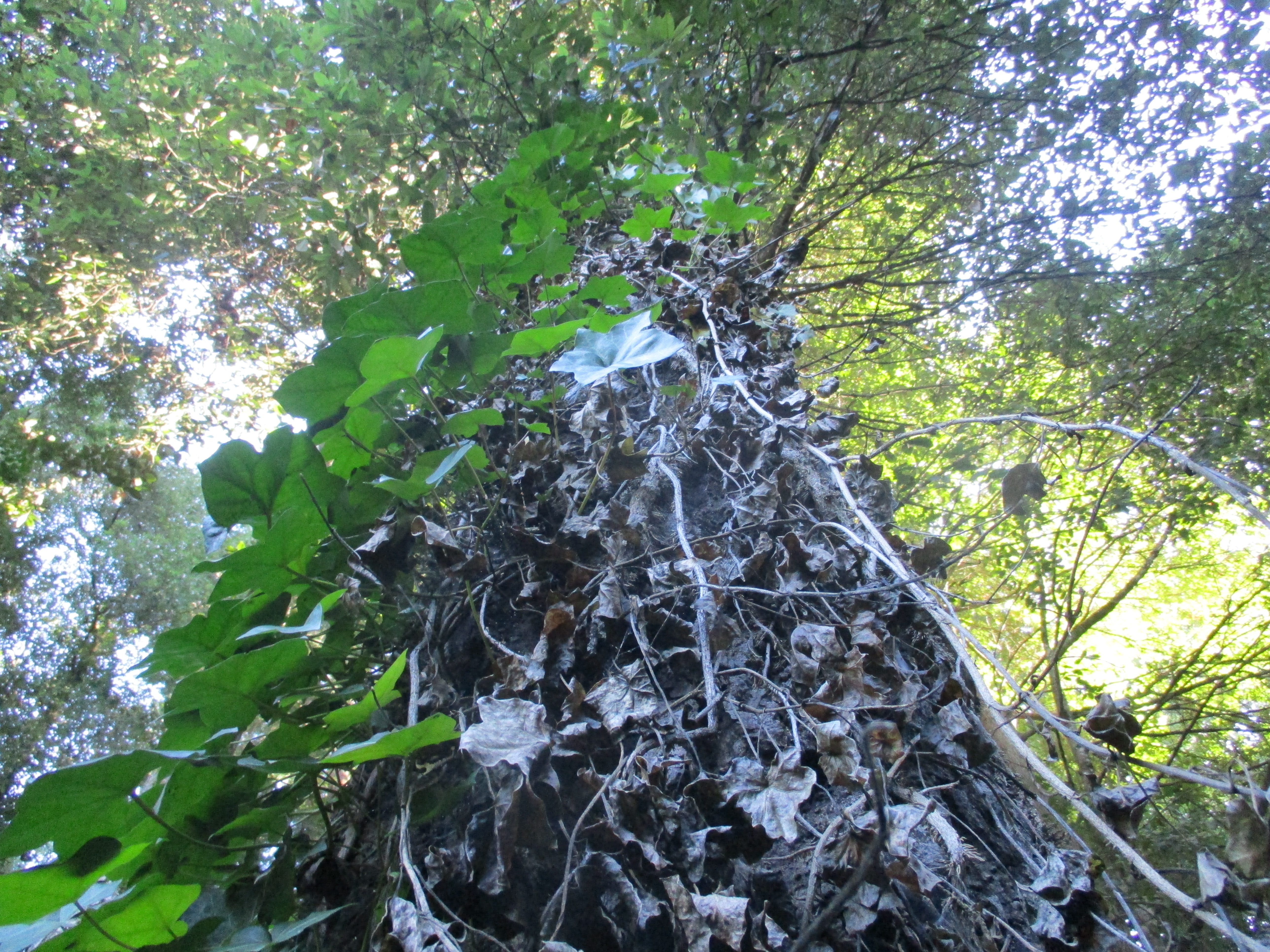 English ivy, Hedera helix, is probably the nastiest and most aggressively invasive exotic species that I work with. It climbs high into redwood trees and overwhelms understory plants (that live below the trees). It invades many of the landscapes, and worst of all, it climbs building where it ruins paint and causes rot. It grows faster than we can keep up with it.