Horticulturists are by nature, nonconforming. I happen to find it difficult to conform to what makes us nonconforming. Trends are fleeting. Old technology that has worked for decades or centuries is still best. Although I am not totally against chemicals, I find that almost all are unnecessary for responsible home gardening. Pruning is underappreciated, and fixes many problems.
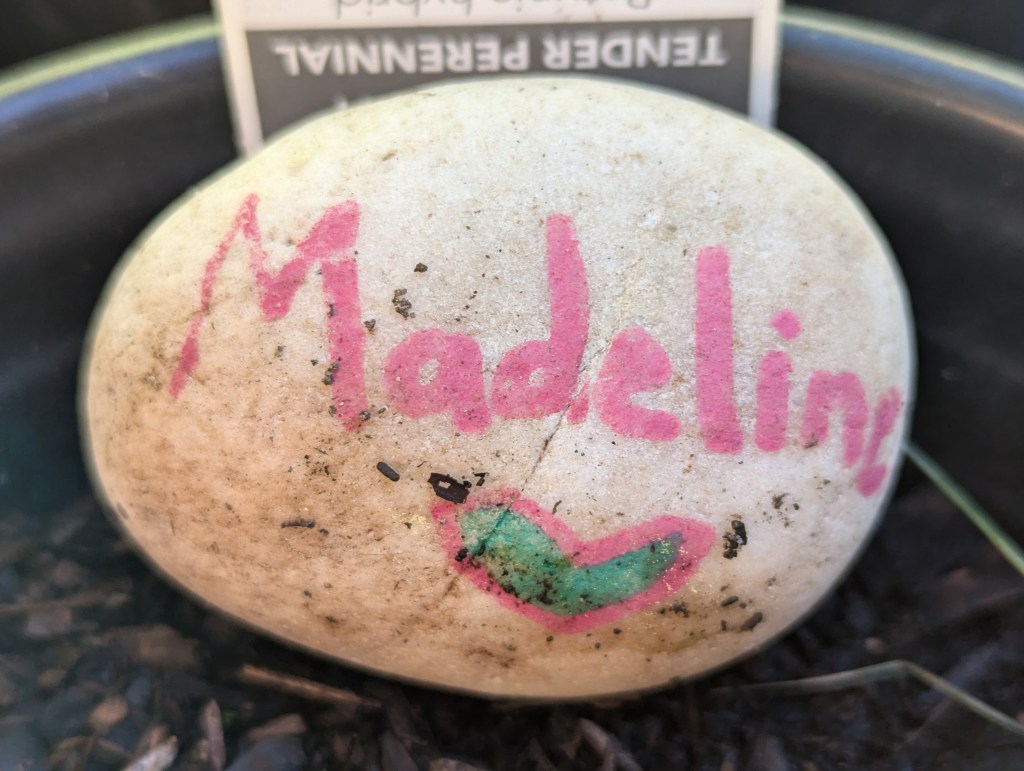
Most popular modern petunia are hybrids of two primary species, and a few others. They classify collectively and simply as Petunia X hybrida. Although popular as warm season annuals, some can be short term perennials. They are only uncommon as such because they get shabby through winter. Yet, with a bit of trimming, they can regenerate for spring.
Petunia are impressively diverse. Their floral color range lacks merely a few colors. Also, flowers can exhibit spots, speckles, stripes, blotches, haloes or variegation. Flowers can be quite small, or as broad as four inches. Some are mildly fragrant. Some are quite frilly with double bloom. Cascading types can sprawl three feet while most are more compact.
Petunia are perhaps the most popular warm season annual. They can bloom from spring until frost, though they can get scrawny after a month or so. Trimming of lanky stems can promote more compact growth. Deadheading might promote fuller bloom for some types. Petunia enjoy sunny exposure, regular watering and rich soil. They perform well in pots. Cascading varieties are splendid for hanging pots and high planters.
Planting should not be complicated. The primary objective is to settle formerly contained roots into the ground safely. It includes motivating roots to disperse into surrounding soil. This might involve disruption of constricting or congested roots. It may involve addition of fertilizer. Soil amendment such as compost is likely useful to entice root growth outward.
For almost all substantial woody plants and most large perennials, this is only temporary. Their roots disperse faster than their original soil amendment decomposes. They require no more soil amendment incorporated into their soil afterward. Such incorporation would damage their dispersing roots. This could defeat the original purpose of soil amendment.
For such substantial plants, soil amendment only provides a transition into endemic soil. Without it, roots may be tempted to continue to grow within their original potting medium. If endemic soil is less appealing to them, they might lack motivation to disperse outward. Soil amendment mixed with their endemic soil provides them the motivation they require.
Mulching with soil amendment over the surface of the soil is a different procedure. Since it requires no incorporation into the soil, it severs no roots below the surface. Yet, it helps retain moisture and insulates the soil. As it decomposes, mulch adds organic nutrients to the soil. For established plants, mulching is a noninvasive technique with a few benefits.
Vegetable plants and annuals enjoy soil amendment more than more substantial plants. Proportionately, they consume much more of the nutrients that the amendments provide. Yet, they do not inhabit their soil long enough to crave more than they start with. Addition of amendment during their replacement damages no roots. It provides for the next phase.
Soil amendment is available either bagged or in bulk from nurseries and garden centers. Home garden generated compost is less expensive, since it costs nothing but effort. The process of composting is involved, but it utilizes otherwise useless garden detritus. Many home gardens generate more compost than they may use. Neighbors sometimes share.
Four o’clock has been unusually pretty in bloom. It self sows almost enough to become a weed, but I am fond of it.
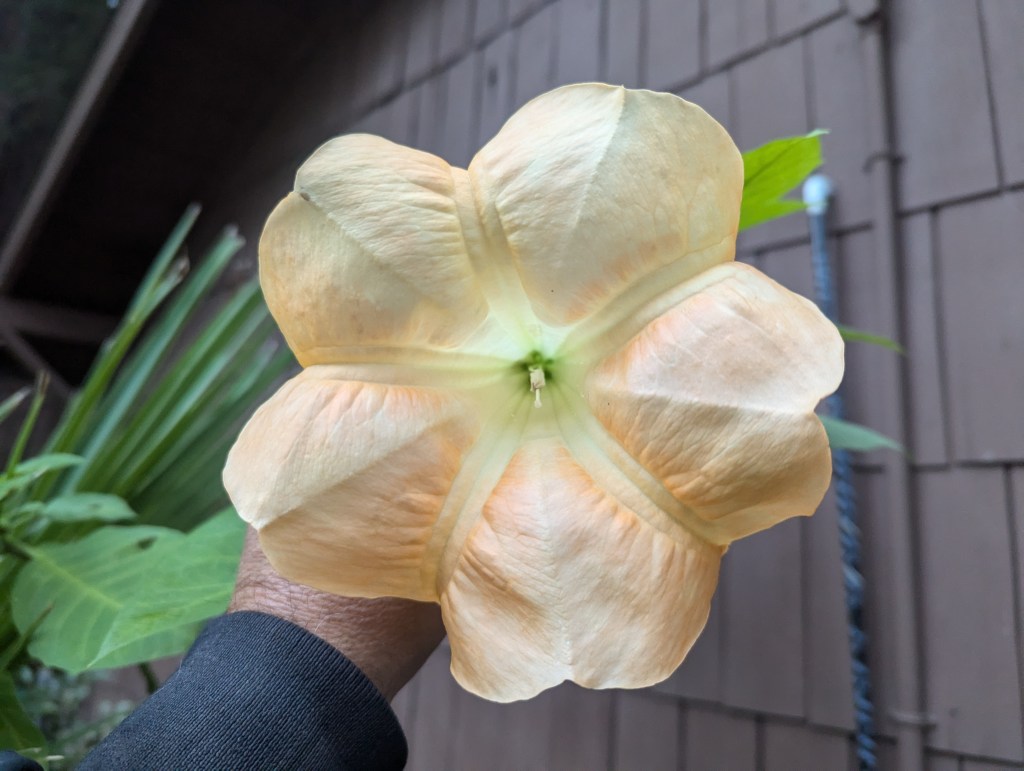
1. Mirabilis jalapa, four o’clock blooms in various shades of pink, including one that can be fragrant about 4:00 and into evening. It alternatively can bloom white, red, magenta, yellow, or with striped combinations of colors. Different colors may bloom on one plant.
2. Mirabilis jalapa, four o’clock does not exhibit very much variation of floral color here, though. This yellow bloom is one of only three variations. I thought that I noticed simple red bloom through previous summers, but can find none now. I would like to find white.
3. Mirabilis jalapa, four o’clock demonstrates what can occur when the two other colors here combine. It is the third of only three variations that I am aware of. From a distance, it seems to be peachy orange. Some of its flowers are just like the first two pictures here.
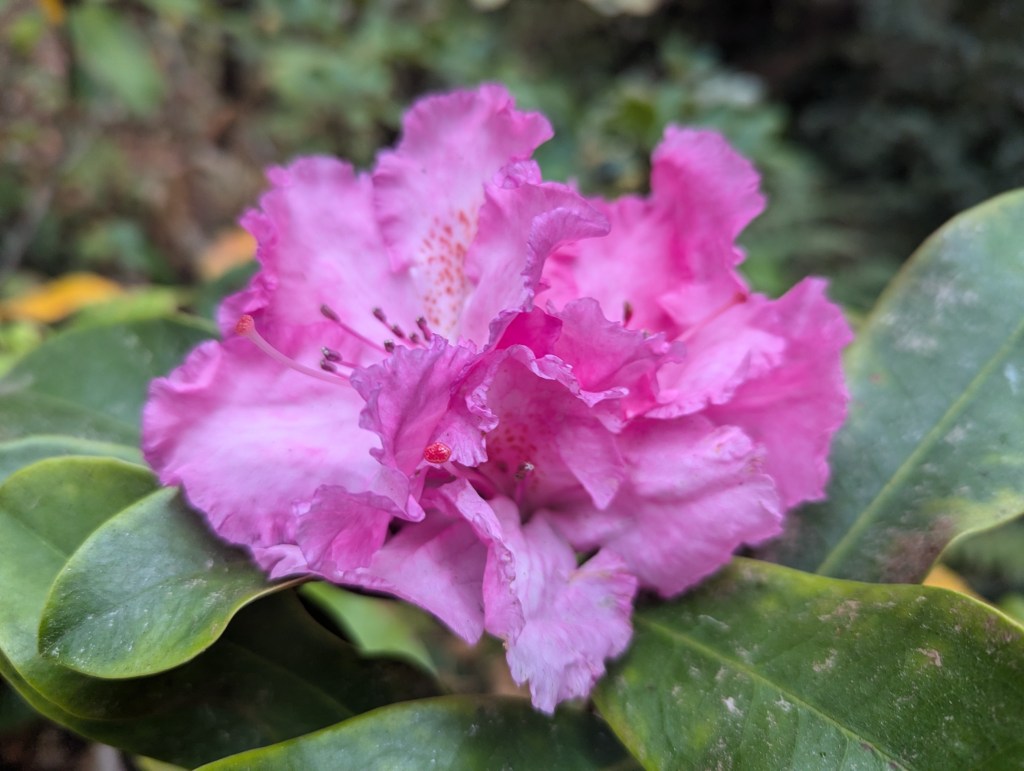
4. Nerium oleander, oleander that blooms pink mingles with the oleander which blooms white that I posted a picture of three weeks ago. Oleander is so cheap and common here that, even with oleander scorch, it is still the primary shrubbery for freeway landscapes.
5. Fuchsia magellanica, fuchsia is easy to miss where it is wedged between healthier and prettier hydrangea and canna. I should grow copies of it elsewhere. It would probably be bigger with fuller foliage where it gets more water than the four o’clock and oleander get.
6. Rosa spp., rose is in a rose garden that is nowhere near the four o’clock, oleander and fuchsia, but is too pretty to omit. I believe that it is ‘Double Delight’. It is nicely fragrant. Flowers bloom white with red edges, but fade to mostly pinkish red, just as they should.
My niece knows the weird flowers of passion vine as ‘flying saucers’ because they look like something from another planet. The most common species, Passiflora X alatocaerulea, has fragrant, four inch wide flowers with slightly pinkish or lavender shaded white outer petals (and sepals) around deep blue or purple halos that surround the alien looking central flower parts. The three inch long leaves have three blunt lobes, and can sometimes be rather yellowish. The rampant vines can climb more than twenty feet, and become shabby and invasive, but may die to the ground when winter gets cold. Other specie have different flower colors. Some produce interesting fruit. Passiflora edule is actually grown more for its small but richly sweet fruit than for flowers.
My colleagues and I are rather proficient with communicating with the plants in the garden. Plants let us know when they want a particular nutrient, or are getting hassled by a particular pest. Those that produce fruit and vegetables also tell us when it is time to harvest. The only problem is that some horticulturists are not quite as receptive to information about ripening produce as we are to problems.
As my tomatoes ripen, I eat them whenever I want to, even if they are warm from hanging out in the sun. Any fruits or vegetables are fair game as soon as they are ready to get eaten. Although I will grow just about anything in my garden, I never bothered to learn how cook or even handle fruits and vegetables properly. For me, the best time to harvest is when I am hungry.
Those of us with more discriminating taste eventually become acquainted with the produce that we grow, so that we know when and how to harvest it to achieve the best quality. We learn how to translate the fragrance of a ripening melon, and to tap to determine density and consistency. Maturity of corn can be determined by their drying tassels, and confirmed by puncturing a few kernels. Color and texture of pea pods let us know when the peas within have achieved their optimum plumpness.
Renee of Renee’s Garden, which is perhaps my favorite supplier of vegetable and flower seed, describes some less obvious recommendations for harvesting produce at the website http://www.reneesgarden.com. While the weather is so pleasant through summer, it is best to harvest vegetables in the morning, while it is still cool in the garden. If harvested later in the day, vegetables can wilt because of evaporation of moisture and absorption of warmth. If harvesting in the morning is not possible, harvesting in the evening is the next best option.
Leafy vegetables like lettuce, chard, collard, basil and parsley, as well as pea, are particularly sensitive to getting harvested during warm weather. Green beans grow like weeds during warm days, but are slightly crisper if picked while cool. Vegetables in the cabbage family that are grown later in the year or early in the following year, such as cauliflower and broccoli, can likewise get limp.
Root vegetables like carrot, radish and turnip are not nearly as sensitive to warmth because they are so well insulated underground. They should be brought in out of the warmth and refrigerated (if preferred) quickly nonetheless. However, turnip greens and any other greens that are grown as root vegetables are just as likely to wilt as other leafy vegetables are.
Eggplant, pepper and zucchini are more resilient, but can potentially get limp if harvested a few days before getting eaten and left to linger in a warm and dry (minimal humidity) kitchen. Many varieties of tomato are best directly out of the garden; but many others actually get better flavor if harvested a bit early and left to finish ‘off the vine’. In autumn, when tomato plants stop producing, the last but nearly mature green tomatoes that run out of warm weather can finish ripening on the kitchen windowsill.
What a pathetic tropical hibiscus flower! It is only about two inches wide. It should be bright red instead of this faded terracotta pink. It even lacks foliage in the background. So, why did I take a picture of it? I was impressed by this flower because it bloomed on a cutting that is still in the process of rooting. I should have removed the bud when it appeared, to conserve resources for root growth. Instead, I let it bloom to see what would happen. This is the result. Knowing all that I know about it, I am somewhat impressed. Of course, I plucked the flower off after taking its picture. After all, I am a nurseryman, not a gardener. I want the cuttings to root as efficiently as possible. Actually, more of them than I expected seem to be rooting, so there may be a surplus of these particular hibiscus in the future. Cuttings of another cultivar that blooms yellow did not perform so well. Only three survived so far, and they are rather wimpy. I may need to go back to collect more cuttings for that one. I also would like cuttings from a cultivar that blooms orange.
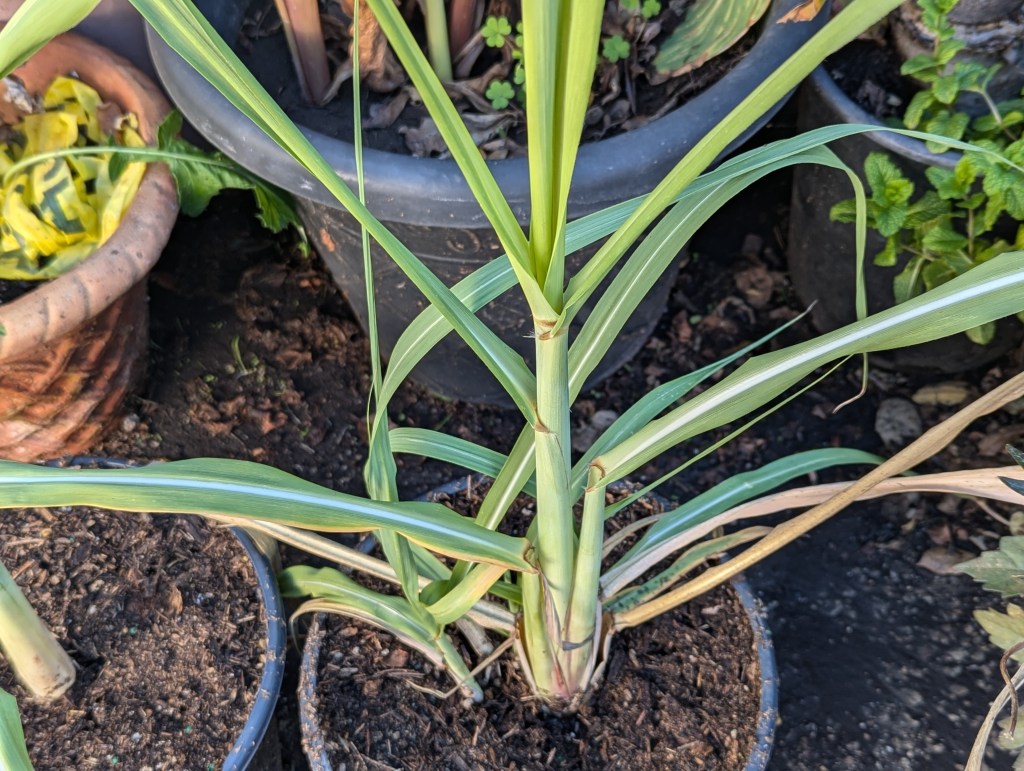
Curve leaf yucca is one of a few species of the genus that is difficult to identify. It may be a distinct species, Yucca recurvifolia. It may be a naturally occurring variety of mound lily, Yucca gloriosa var. tristis or recurvifolia. Yet, it may be a natural hybrid of Yucca aloifolia and Yucca flaccida. To complicate all of this, its physical characteristics are inconsistent.
The evergreen leaves of curve leaf yucca are typically pliable, and curve downward. Yet, they can be quite rigid and upright. Foliar color is typically grayish green but can be olive drab. Stout but upright trunks can potentially develop, but may never do so. Only their tall floral stalks that bloom for summer are consistent. Individual flowers are small and white.
Curve leaf yucca enjoys warm and sunny exposures. Occasional watering through warm weather may improve vigor, but is unnecessary. Old colonies form large mounds that can slowly grow as high and wide as ten feet. With the exception of gophers, which eat roots, not much bothers curve leaf yucca. In fact, it can be very difficult to eradicate if unwanted. Pups may continue to develop from rhizomes for many years.
Understory plants, which tolerate various degrees of shade, are more popular than ever. Basically, smaller modern gardens amongst larger modern homes are shadier than ever. Densely evergreen trees that provide privacy for such gardens also provide more shade. Sunlight can be scarce. It may be helpful to know where to locate optimal sun exposure.
The sun moves from east to west as each day gets warmer. It does so more or less to the south of vertical. It is a bit farther to the south for winter than for summer. Such orientation and motion determine sun exposure within home gardens. Each side of a house, garage or fence faces one of such exposure or another. Eaves might provide shade from above.
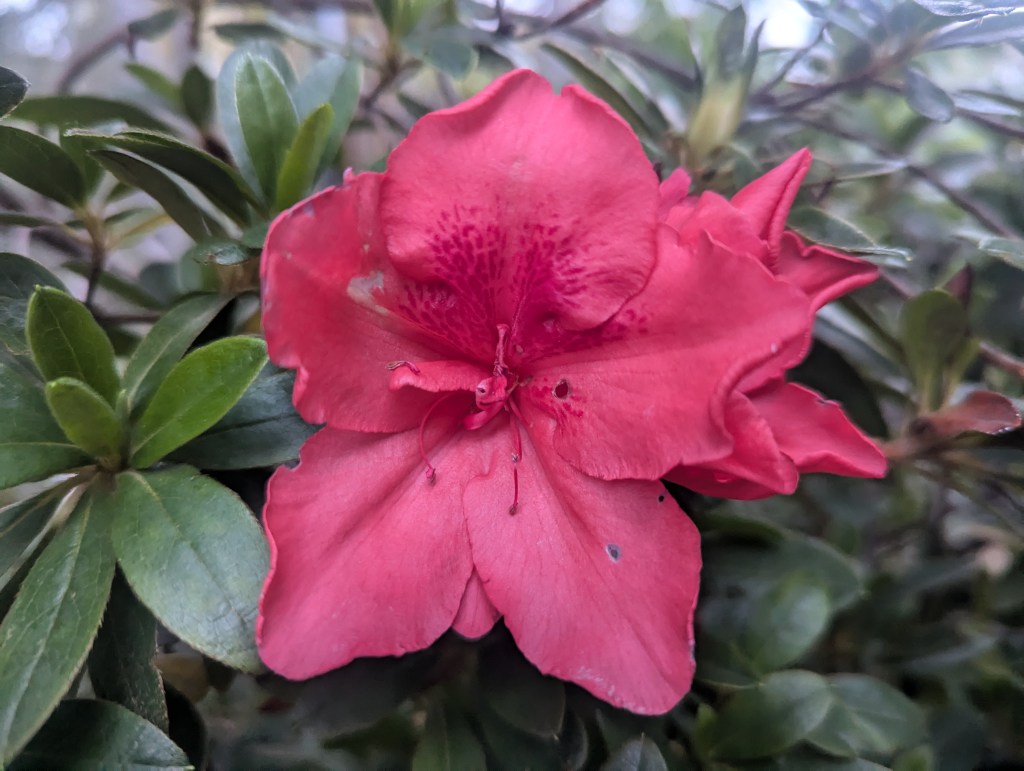
Eastern exposure is good for plants that crave some direct sun exposure but not warmth. Azalea, rhododendron, andromeda and hydrangea prefer such exposures. They receive enough sunlight to bloom, but not so much that their foliage scorches. They enjoy partial shade before sunshine gets uncomfortably warm. Eastern exposures are sunny but cool.
Northern exposure is good for plants that do not require much sun exposure. Hydrangea may be somewhat lanky within such situations. Clivia, elephant ears, philodendrons and ferns may be better options. Upper floors and eaves significantly enlarge the shadows of northern exposure. Shadows are also larger in winter while the sun is lower to the south.
Western exposure is good for plants that crave both direct sun exposure and warmth. It is the opposite of eastern exposures, but is certainly no less sunny. It is merely warmer. Lily of the Nile, lavender, oleander and bougainvillea enjoy such sunny warmth. Some types of ferns and elephant ears may scorch with such exposure. Eaves delay direct exposure.
Southern exposure is good for plants that crave full sun exposure, but tolerate heat. Most plants that enjoy western exposure can also enjoy southern exposure. Many vegetables, with regular watering, are more productive with such exposure. Eaves provide shade for the warmest summer weather. They provide less shade while the sun is lower for winter.