 The ‘X’ preceding its Latin name ‘X Cupressocyparis leylanii‘ designates Leyland cypress as a hybrid of two distinct genera, namely Monterey cypress and Nootka cypress. (Those who consider the parents to be two species of the same genus know Leyland cypress as Cupressus X leylandii.) The many cultivars combine desirable qualities of both parents, but also innate weaknesses.
Rows of Leyland cypress grow fast to become densely evergreen windbreaks or informal screens within only a few years. However, they are very susceptible to cypress canker, and are likely to succumb within twenty five years or so. Farther inland, they may not last half as long. That may be quite acceptable for temporary windbreaks in front of slower but more permanent shrubby trees.
Common Leyland cypress develops a distinctly plump but conical form, with slightly grayish foliage. Most other cultivars are more columnar. Foliar color ranges from bluish green to gold. The tiny scale leaves are densely set in flat sprays. Healthy trees can get nearly thirty feet tall in ten years. Most stay lower where exposed. Crowded trees that live long enough exceed a hundred feet tall.
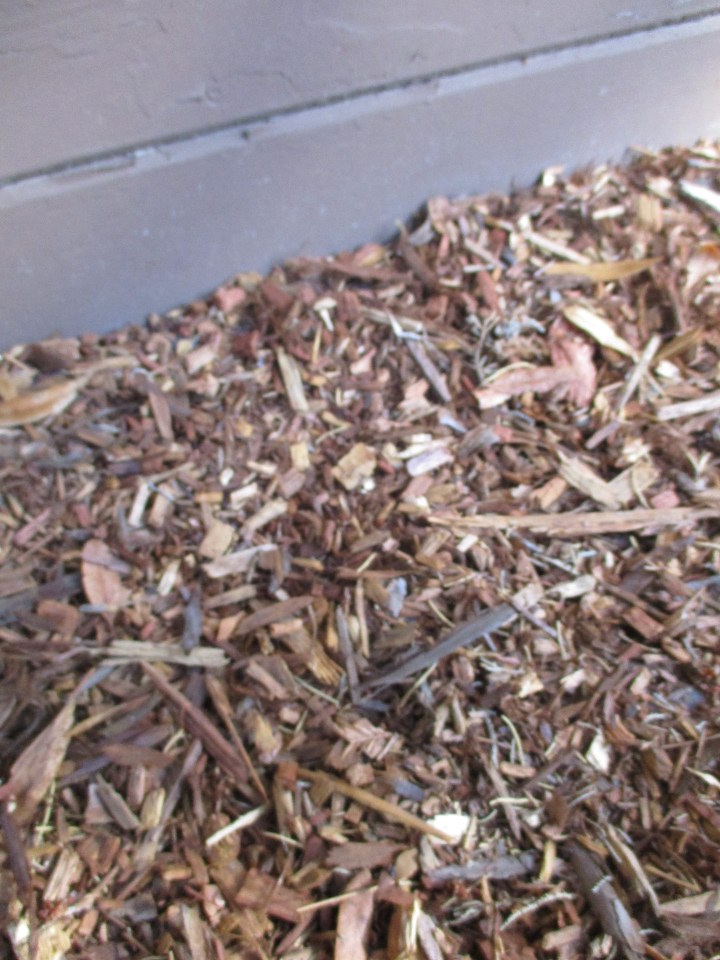 Every living thing in our gardens came from the wild somewhere. A few plants might be natives trying to adapt to synthetic landscapes. Some might be from similar climates. Some are likely from very different climates. Even houseplants came from the wild somewhere in the World. Regardless of their respective origins, in home gardens, all plants want to behave as they would in the wild.
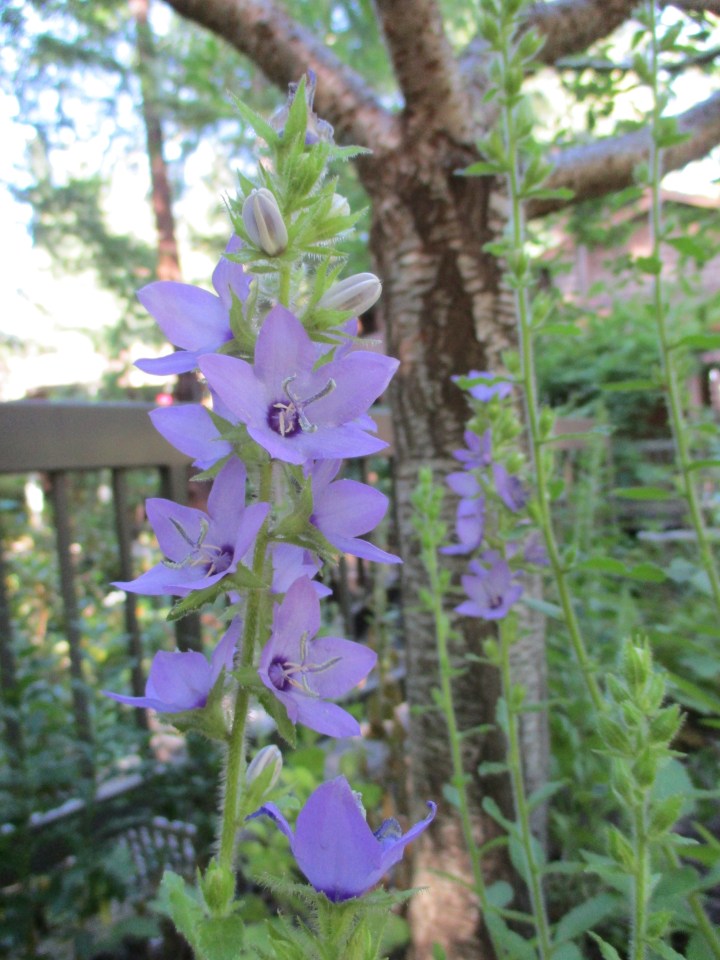 The seed is not really bad. At least I do not think that it is. It is merely misunderstood. Perhaps it would be more accurate to say that it is simply unidentified. I really do not know what it is. I do not say that very often, especially about seed that I bother to collect to sow elsewhere. I believe that it is of American bellflower, Campanula americana. If not, it is very closely related.
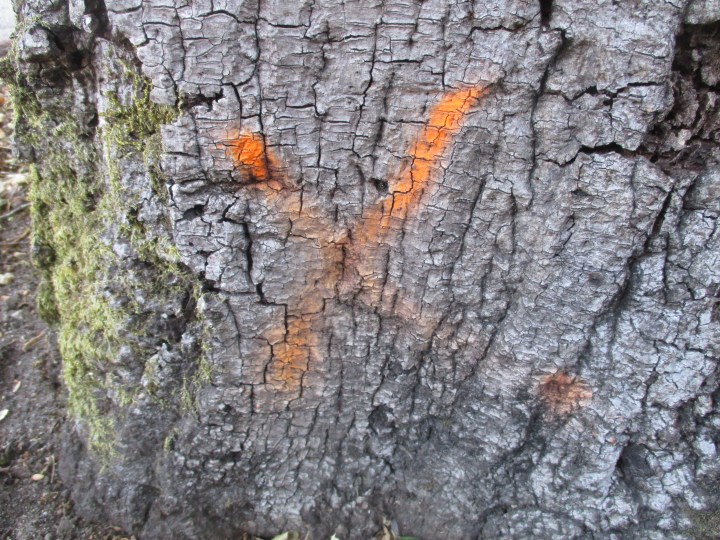 Horticulture is not all about growing things. If everyone was out planting trees, the World would eventually be overwhelmed with forest. It is sometimes necessary to cut trees down. There are several at work that we have been wanting to cut down for quite a while. Some are structurally deficient enough to eventually become hazardous, which is unacceptable in public spaces.



 As the colorful deciduous trees go bare, the evergreen trees get more attention. A weeping white spruce, Picea glauca ‘Pendula’, really stands out. It grows slowly to only about fifteen feet tall and maybe five feet wide, so does not need as much space as a typical spruce tree. What makes it so distinctive is the weirdly pendulous stems that hang limply from a strictly vertical trunk. It is hard to believe that it is only a different variety of the same species as the dwarf Alberta spruce, which is very short, dense and symmetrically conical, with stout little stems. The foliage of weeping white spruce is lighter green than that of most other spruces, but is not as blue as that of blue spruce. The short and stiff needles are rather prickly to handle.
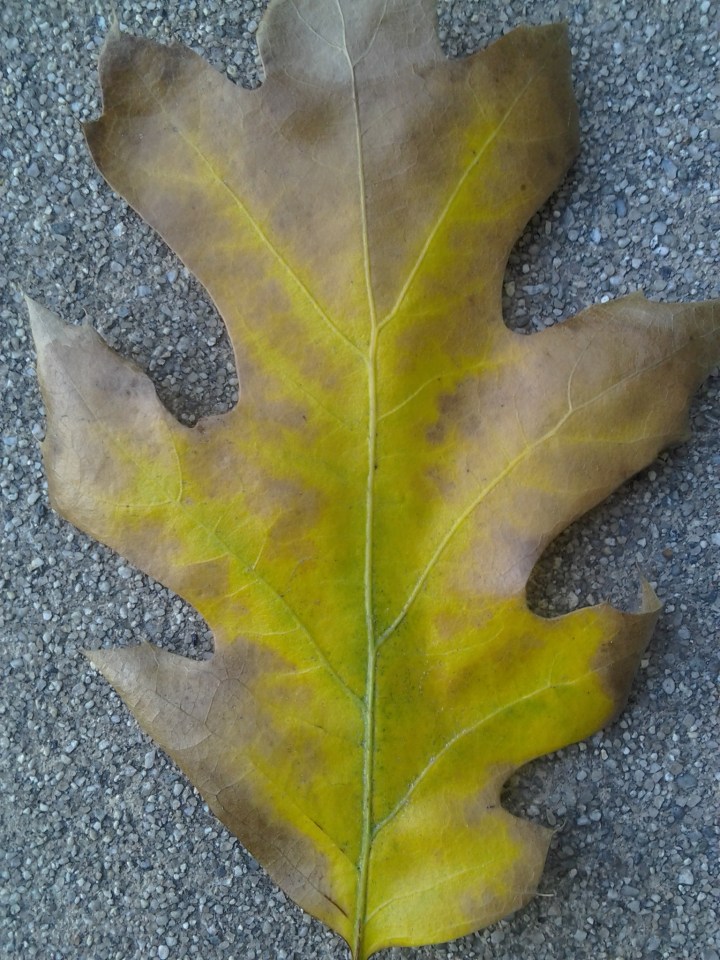 Sweetgum, flowering pear and Chinese pistache are the most reliable trees for flashy autumn foliar color, especially in such mild climates. They may not seem like it this year though. After a late start, only sweetgum is coloring well. Flowering pear trees that are beginning to show color farther inland seem to lack their typical bright yellow and orange, and are showing more dark rusty red.
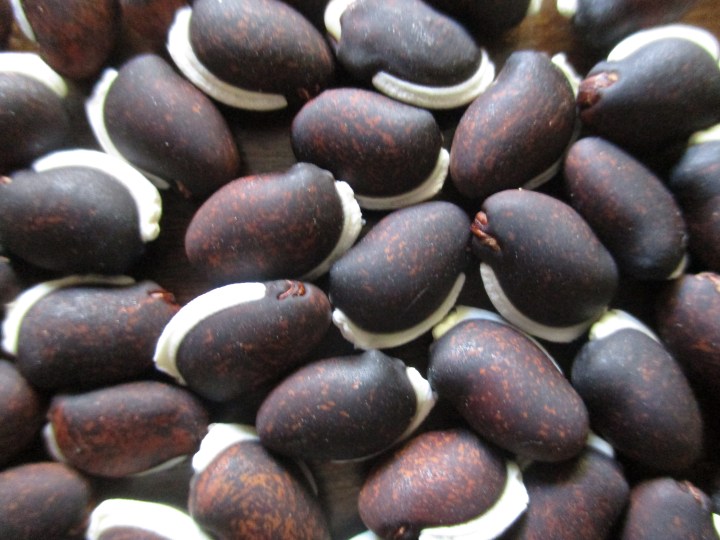 Hooey! It’s a bunch of hooey! Sweet pea seed that gets sown this time of year for next spring does NOT need to be soaked before sowing. In fact, unless there is some strange species of plant that has become that dependent on human intervention, NO seed need to be soaked prior to sowing. Not only is the technique completely unnecessary, but it is completely unnatural as well.
 Of all the Official State Trees, the coastal redwood, Sequoia sempervirens, of California is the grandest. Seriously, it is the tallest tree in the World, so it really ‘is’ the grandest! The tallest is 380 feet tall! Although the related giant redwood of the Sierra Nevada develops bigger trunks, the bulkiest coastal redwoods are thirty feet wide at the base! The oldest are more than 2,000 years old!
 The trees know what time of year it is. Even evergreen trees have shed some of their older foliage through late summer. Deciduous trees generally start later, but will be more blatant about their process as they defoliate completely through autumn to winter. Some get strikingly colorful first, as if to brag about it. Foliage is not so important during shorter days and dimmed sunlight anyway.
