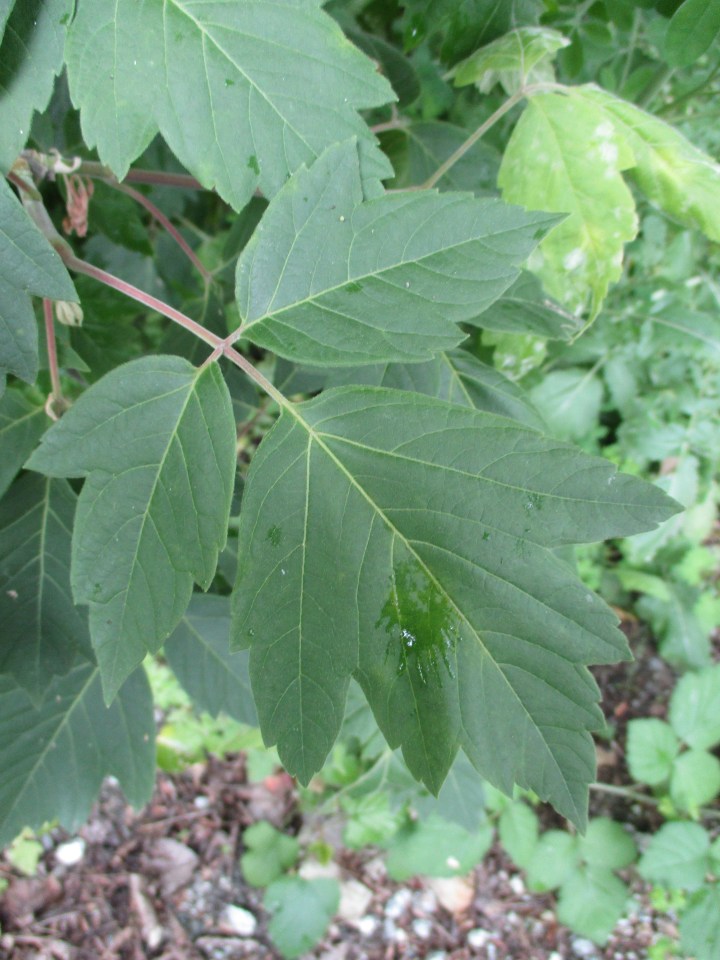
 This ain’t no ordinary maple. Although there are other maples with trifoliate leaves (divided into three distinct palmately arranged leaflets), box elder, Acer negundo, is the only maple with pinnately compound leaves (divided into three or more distinct leaflets that are arranged pinnately on a central rachis). Leaflets might be solitary too. Almost all other maples have palmately lobed leaves.
Box elder is considered to be the ‘trashy’ maple. It grows fast, but only lives for about half a century. The happiest barely get to be twice as old. Because it gets more than forty feet tall, possibly with multiple trunks wider than two feet, it can become quite a big mess as it deteriorates and drops limbs. Yet, it is aggressive enough to have naturalized in many regions where it is not native.
Despite all this, and the lack of good foliar color where autumn weather is mild, a few cultivars of box elder have been developed for landscape use. ‘Flamingo’, which is likely the most popular, is variegated with white through summer, after pink new growth fades. ‘Violaceum’ develops smoky bluish growth in spring. ‘Auratum’ starts out yellowish. Mature leaflets are about three inches long.
 It sounds like science fiction, but it is not. Every spring and during particular summer weather, limbs can fall from trees without warning, and seemingly for no reason at all. It happens when least expected, while the weather is warm and perhaps humid, but notably without wind. The lack of wind is what makes it so unexpected. It is a phenomenon known simply as spontaneous limb failure.
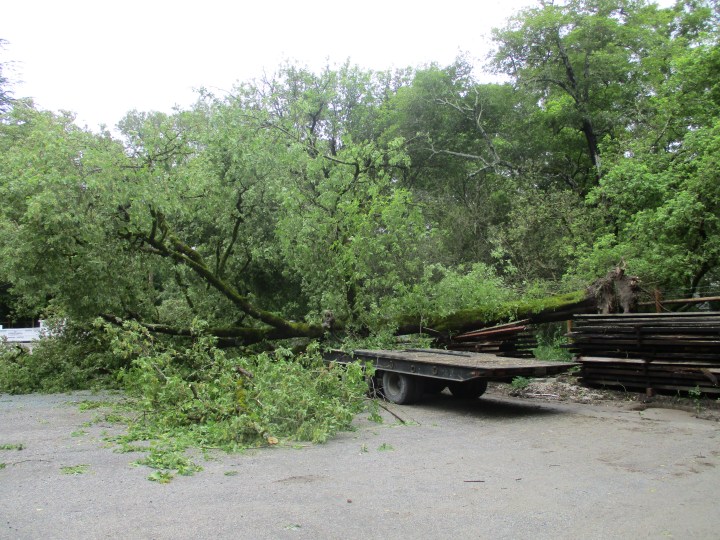 This is a formerly unplanned sequel to the article ‘

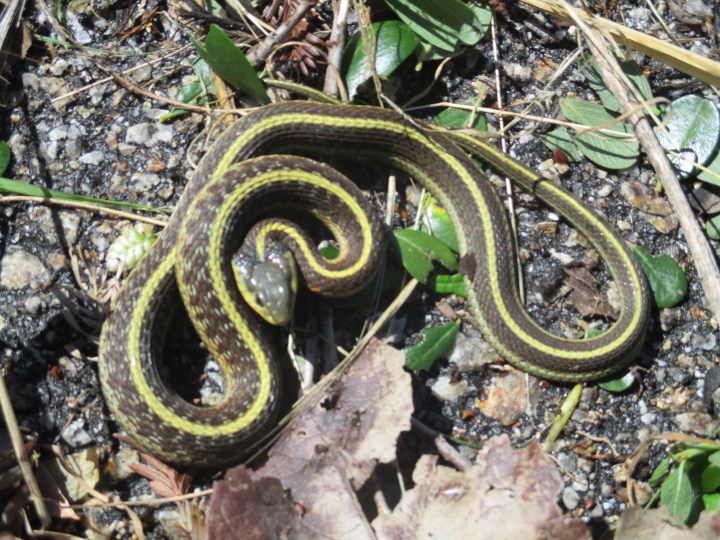 This little critter surprised me at work last week. Even though I knew it to be harmless, my instinctual response was to get away from it fast. I have encountered enough rattlesnakes to know better than to take the time to identify a snake before getting some distance from it. Even after identifying a snake as a harmless garter snake, I still prefer to avoid it as it leaves. This one was in no hurry, so got picked up with a rake and set safely aside.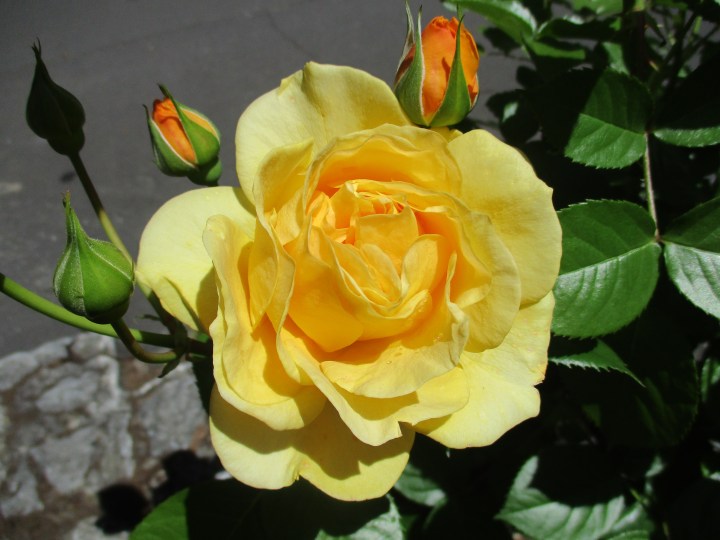
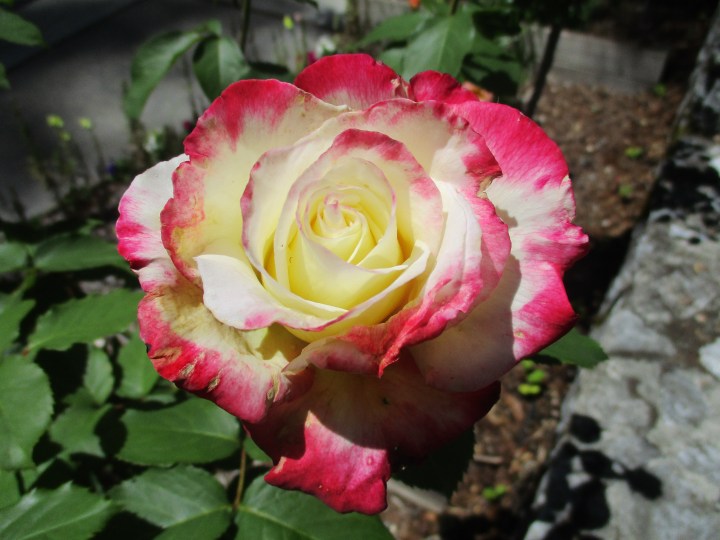
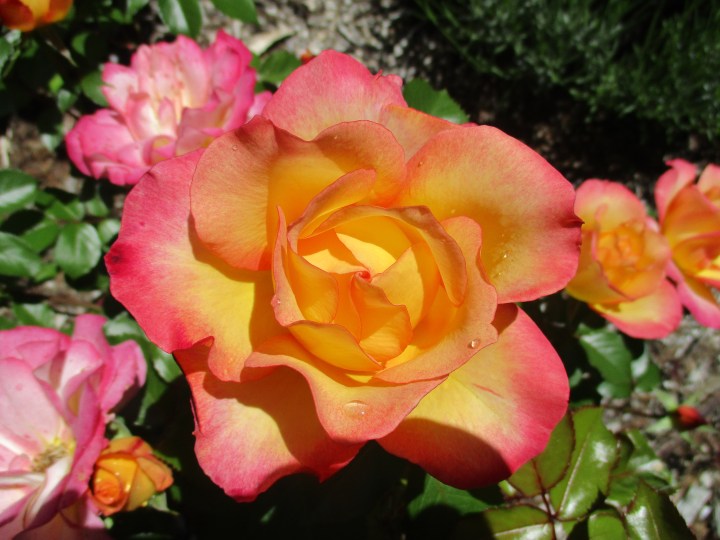


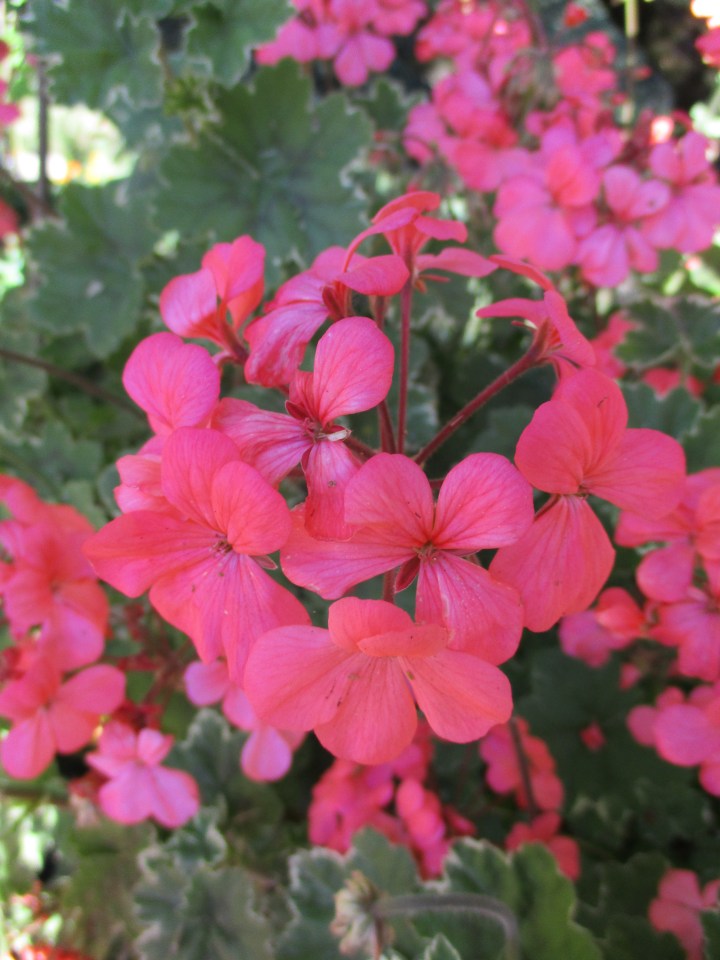 New and improved is not always better. Modern garden varieties of zonal geranium, Pelargonium X hortorum, with bigger, fuller and more profuse blooms, are more colorful than the relatively weedy classic varieties, but they are considerably more demanding. In fact, because they are so unhappy through winter, they are often grown as warm season annuals instead of as perennials.
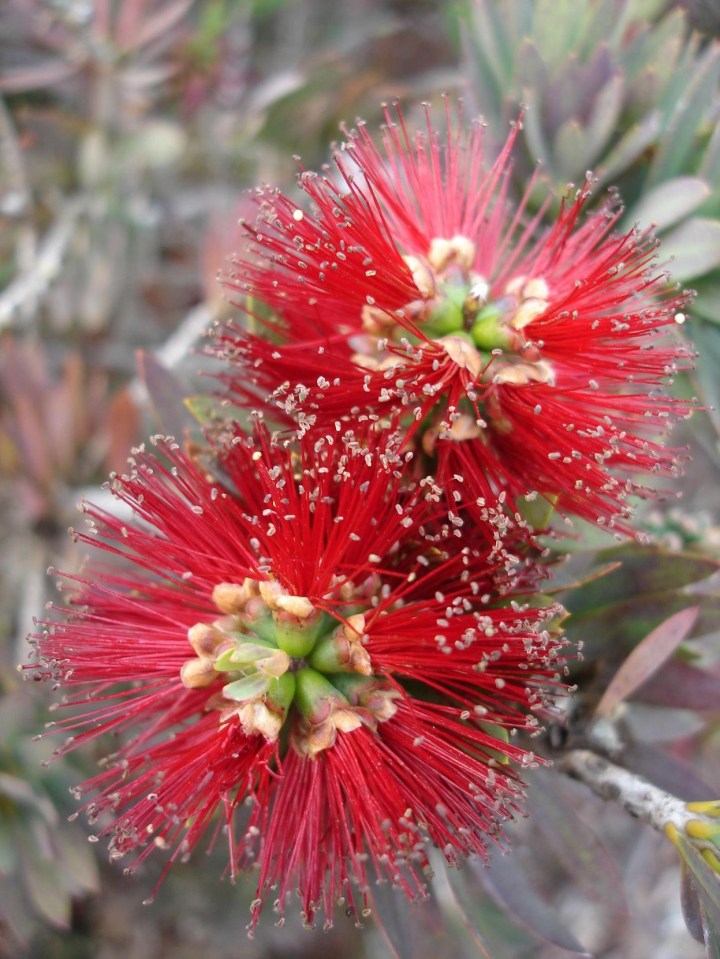 There is nothing like growing our own; whether vegetables, fruit or cut flowers. Most fruit and vegetables are grown to be eaten, so are not missed too much when harvested. Even colorful citrus fruit is better harvested than left out in the garden. No one wants to waste it. Flowers are not so simple. They are so colorful and fragrant in the garden, that it is tempting to leave them all out there.
 There is no doubt that fences are useful for a variety of functions. They exclude deer from the garden. They confine livestock. For suburban homes, they enclose a relatively safe space for children and pets. Fences should be designed according to their intended functions. Those designed to exclude deer might be as simple as coarse mesh on posts. Those enclosing backyards might be more refined and compatible with the landscape.
 Colorado is another state that was able to designate one of the most excellent wildflowers of North America as the Official State Flower because it happens to be native there. Rocky Mountain columbine, Aquilegia caerulea, however, did not contribute as much to the breeding of the many modern hybrid varieties of columbine as did common European columbine, Aquilegia vulgaris.
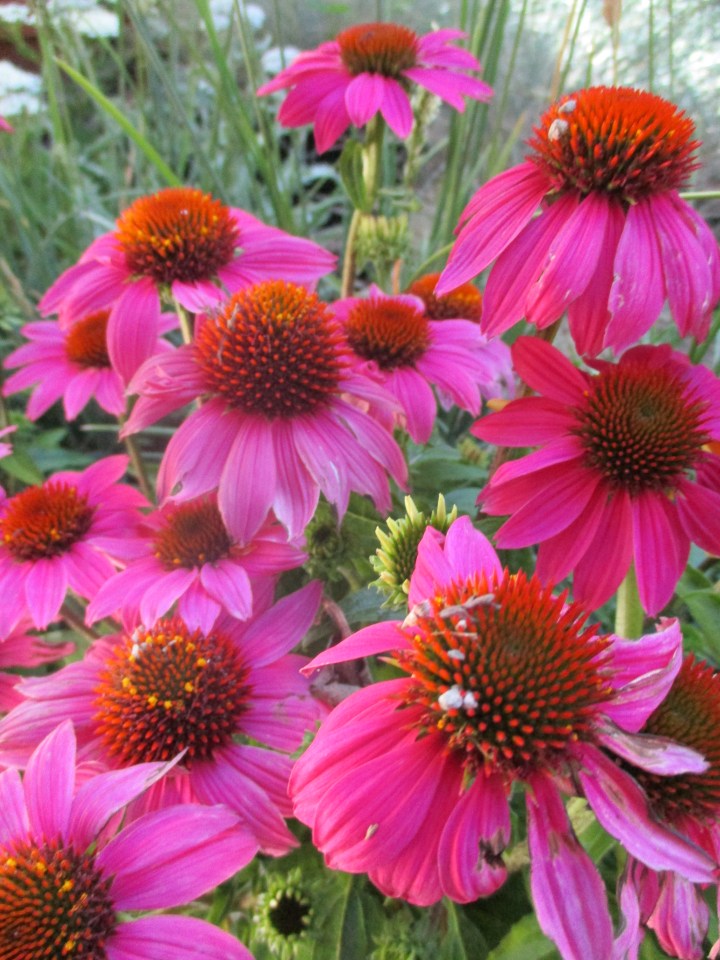 Annuals are plants that complete their entire life cycle from germination to death within a single year. Biennials complete their entire life cycle in two years, mostly by developing vegetative growth during their first year, and then blooming, producing seed and then dying after their second year. Perennials are the many herbaceous plants that survive longer than just a few years or indefinitely.
