 Stereotypes can be such a bother. For the past almost twenty years that I have been writing my gardening column, many of those who read the column have been making assumptions about who I am and how I behave. I actually find much of the behavior that I should conform to be rather objectionable. Even the lingo would be awkward for me. I am a horticulturist, and if you must know, an arborist as well. It is my profession. I did not take an interest in horticulture because I retired or got bored with my primary career. Nor did I flunk out at everything else. I am not a garden guru, flower floozy or hortisexual. I do not crowd my garden with garden fairies, repurposed junk or rare and unusual plants. There is nothing eclectic or quaint. There is no whimsy or magic, and most certainly NO riot of color! Brent does not even flinch at my offensive racial comments.
Does anyone remember the yellow clivia fad? Everyone wanted yellow clivias in their own gardens because they were so rare, and so different from the typical orange. Does anyone even know what ‘rare’ means? When we all get them growing in our own garden, they are NOT rare! Has anyone tried to find an orange clivia lately? Yellow clivias had been rare back when orange was the more popular color, but only because orange clivias were the previous fad, and nurseries did not bother to grow the undesirable yellow clivias. Both yellow and orange are nice, but only if they happen to be the right perennial for a particular situation. They work nicely in spots that are too shady for other plants, and the bright colors are striking against the richly dark green foliage. However, they are not better than lily-of- the-Nile for sunny spots. I have grown more lily-of-the-Nile than I can write about, but have grown only one orange clivia.
The same goes for dawn redwood, or like landscapers with something to prove say, ‘Metasequoia glyptroboides’. They are nice trees in the right situation, particularly where redwoods would be nice, but a bit of sunlight is preferred through winter. However, that certainly does not make the right tree for every situation. I have worked with a few, but have never grown one in my own garden.
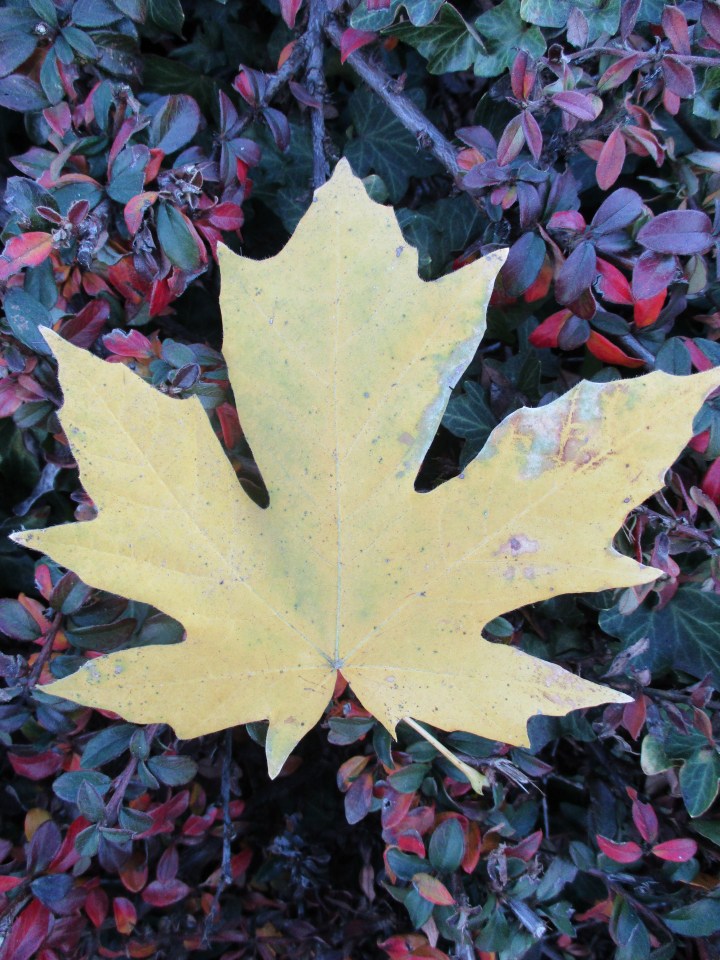
I loath Japanese maples! I do not mind growing them in the nursery, but I do not want to waste garden space on something so trendy. There are plenty of other more useful or prettier trees and shrubs. When I say that maples are some of my favorite trees, I mean ‘real’ maples, such as sugar maples and red maples. I know that silver and bigleaf maples are not very desirable trees, but they happen to be two of my favorites.
Being a good horticulturist is about knowing the many plant specie that we work with. Although silver maple happens to be one of my favorites, I have only been able to recommend it for just one application in my entire career. Just because it would be nice in my home garden, and I am willing to deal with the problems, does not mean that I can recommend it for other landscapes where others would need to contend with the problems. As much as I dislike Japanese maples, I have recommended them a few times for small spaces like atriums, particularly for clients who happen to like them. Unfortunately, they are more useful than silver maple. It is all a matter of knowing what specie are most appropriate for every application.

 Like Ginger and MaryAnn, choosing between the flashier hybrids of clematis and the anemone clematis, Clematis montana, might not be so easy. The fancier hybrids have the bigger, bolder and richly colored flowers that the genus is known for. Anemone clematis has smaller and more subdued flowers in soft pastel hues, but is more prolific, more vigorous, and blooms for nearly a month.
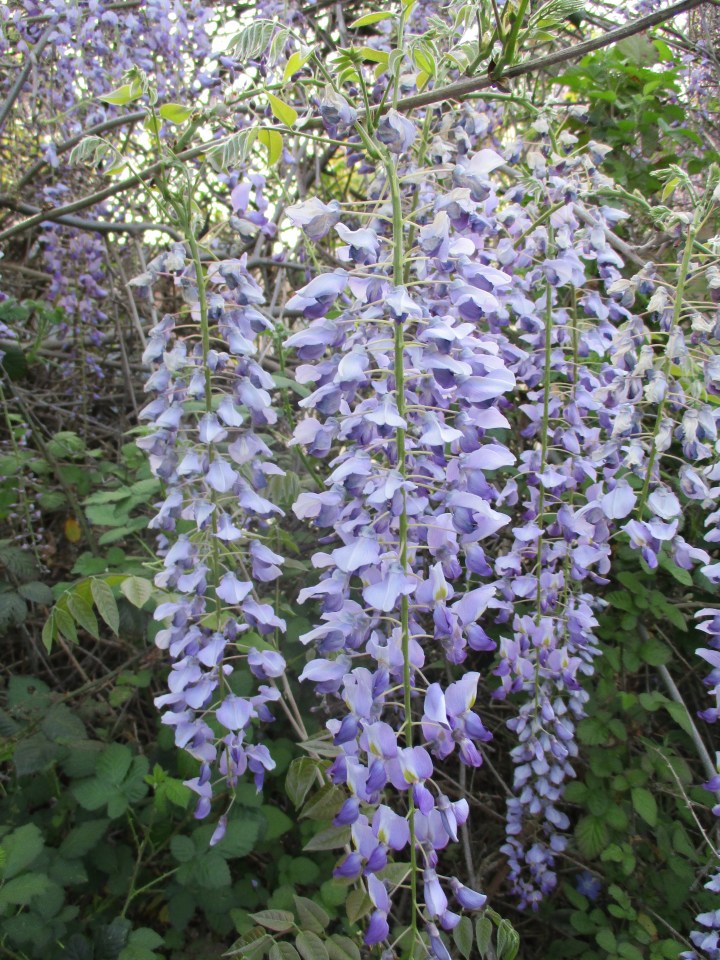 Anyone can plant a grapevine. With a bit of work, almost anyone can make a grapevine grow. Most who put forth the effort can figure out how to prune and cultivate a grapevine. Yet, grapevines so often get very out of control. They easily escape confinement, overwhelm nearby plants, climb into trees and overburden their trellises or arbors. It is easy to forget how aggressive they can be.
 Rarely planted but often found where the wildflowers grow, rose campion, Silene coronaria, has a way of sneaking in like California poppy or sweet alyssum do. It is so rarely planted that young plants are rarely available in nurseries. Seed is somewhat more available in nurseries, and quite available online. Although they self sow freely if allowed to go to seed, they are not really invasive.
 Of course, to the plants who do it, naturalizing is an advantage. To the rest of us, it is often a problem. The advantage to the plants who do it is that they move into new territory, make themselves at home, and probably do quite well with the new place. The disadvantage to everyone else is that naturalizing plants may not play well with others, and consequently interfere with the ecosystem.