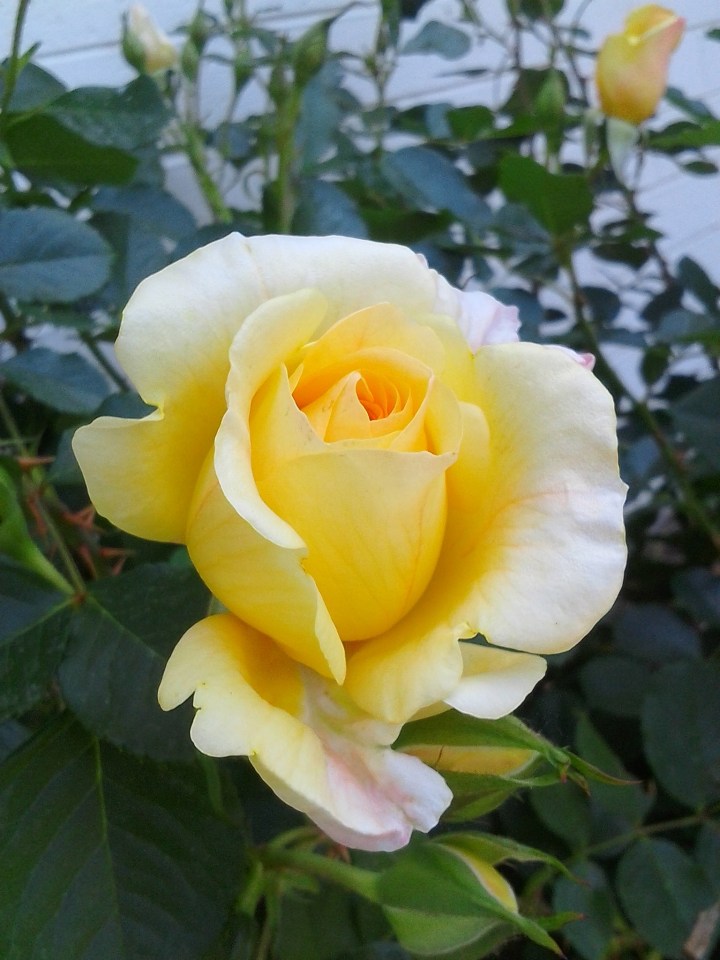
 Winter is no excuse to be less diligent in the garden. It would seem that gardening would be less demanding because there is less going on, and so many plants are dormant. However, dormancy is precisely why there is so much to do through winter. Bare root plants and bulbs are planted because they are dormant. Fruit trees get pruned because they are dormant. Now it is time for roses.
Just like fruit trees, modern roses were intensively bred for enhanced production. Their flowers are too big and abundant for overgrown plants to sustain. Consequently, aggressive specialized pruning is necessary to concentrate resources and promote vigorous growth. Rather than producing an abundance of inferior blooms, well pruned canes produce fewer blooms of superior quality.
Also like deciduous fruit trees, roses should be pruned while dormant, preferably after defoliated, and before new buds swell. This sounds easier than it really is. Some roses might still be trying to bloom on canes from last year. Others might be trying to generate new foliage for this year. Fortunately, they are tougher than they look. Besides, early or late pruning is better than no pruning.
Hybrid tea, floribunda and grandiflora roses need the same sort of pruning. They all should be pruned back to only a few canes that grew last year. Older canes should be pruned out completely, unless there are not enough new canes that grew last year. Hybrid tea and floribunda roses need only three to six canes, only about two feet tall. Floribunda roses might have a few more canes. Tree roses should be pruned just like shrub roses, as if the upper graft union is at ground level. The canes can be pruned shorter.
Suckers from below the swollen graft union (from where canes emerge) should be removed completely. If possible, they should be pulled or peeled off instead of cut. This seems harsh, but leaves less of a stub from which more suckers might develop later. Because fungal spores and bacterial diseases overwinter in decomposing foliage, fallen leaves should be raked from around roses.
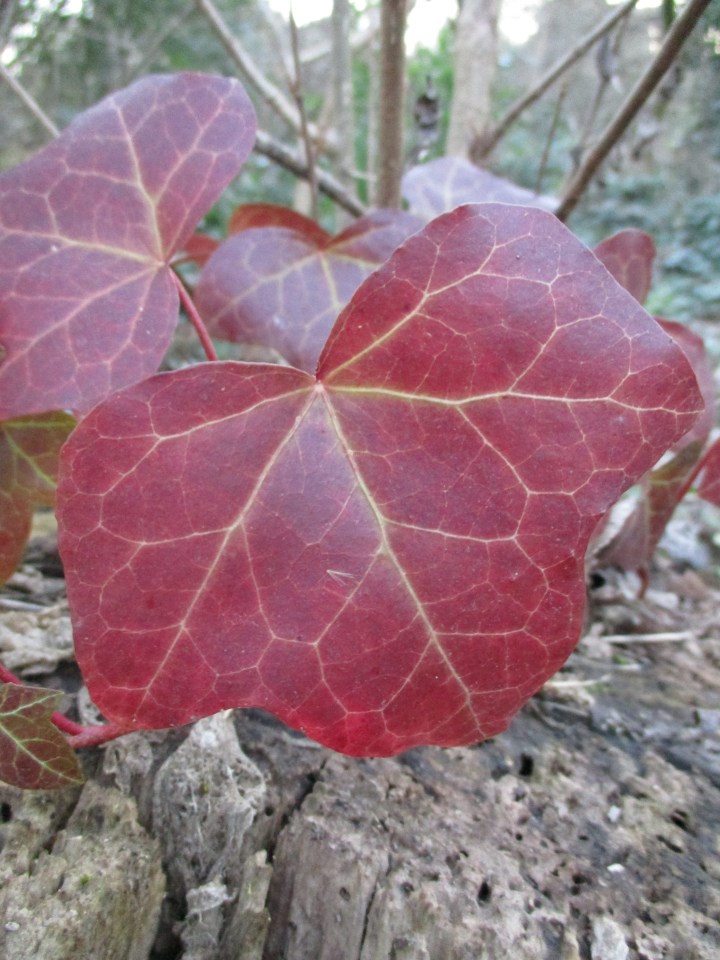 There is a time for everything, and a season for every activity under the Heavens:
 As a group, aloes really deserve more respect. Many will naturalize and thrive with only occasional watering through summer. Candelabra aloe, Aloe arborescens, wants a bit more water than most other aloes, but not much. It looks like a sensitive jungle plant, but is surprisingly durable, and very easy to propagate. Any pruning scraps can be plugged wherever new plants are desired.
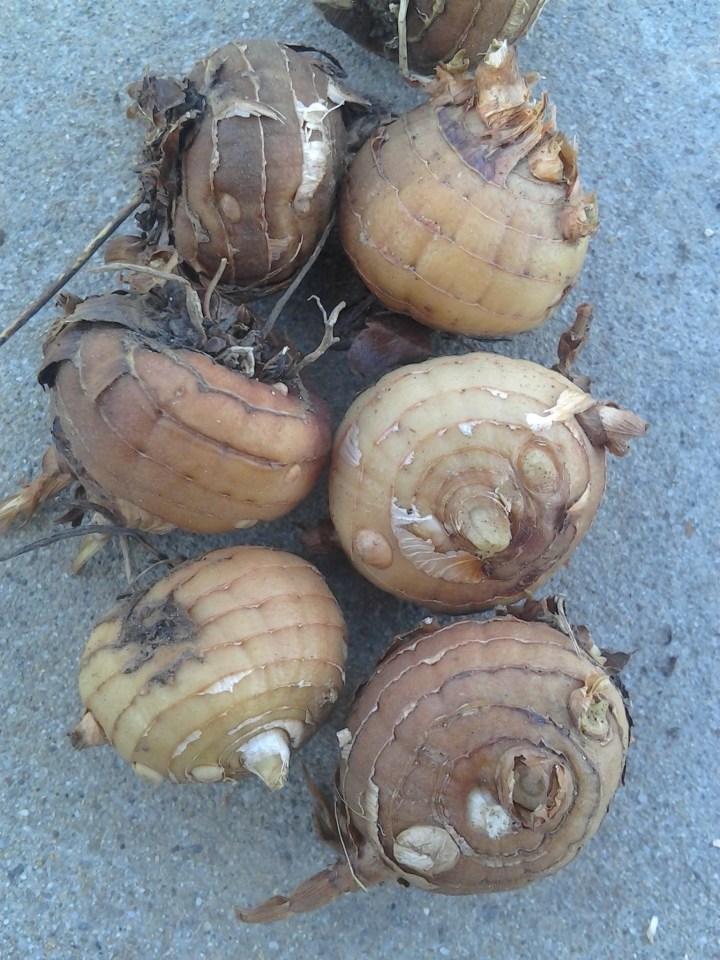 It might seem creepy to think about what spring bulbs are doing right now out in the garden. Like victims of a horror movie, they were buried in shallow graves last autumn. They were not dead though. They were undead but merely dormant. While no one can see what they are up to, they disperse roots and begin to push new foliage up to the surface of the soil. Some might bloom soon.
 It was probably one of the best television shows for children back then, and probably still is. Everyone of my generation in American remembers Sesame Street. We all identified with it, even if our neighborhood did not look like Sesame Street, or lacked the variety of neighbors. Sesame Street sometimes took us on television field trips to other neighborhoods. Some were more familiar. Those that were more foreign were presented within a compelling and inviting context that got us interested in how other children lived within their respective societies.
 The bright red berries of late cotoneaster, Cotoneaster lacteus, that ripen in autumn may not be as profuse or as bright red as those of firethorn, but they last longer, and even into winter. Birds strangely seem to avoid them. Although the clustered small berries can look just like firethorn berries, they are usually less shiny, and darker red. Clusters of tiny pale white flowers bloom in spring. The small evergreen leaves have a nice glossy and veined texture on top, with hazy gray or tan tomentum (fuzz) below. The grayish brown bark of old stems resembles that of apple or pear trees.
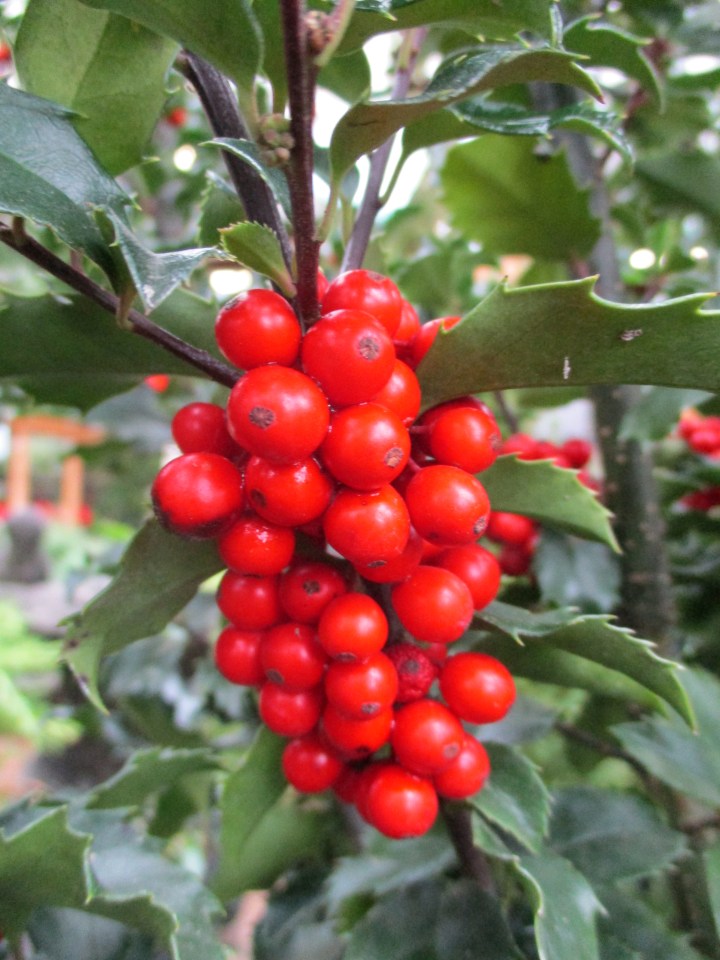 Plants compensate for their immobility by procuring the services of animals and insects. They bloom with flowers that attract pollinators with colors, fragrances and flavors. Their fruits use similar techniques to attract those who consume the fruits to disperse the seeds within. It is a pretty ingenious system. The animals and insects probably think that they are taking advantage of the plants.
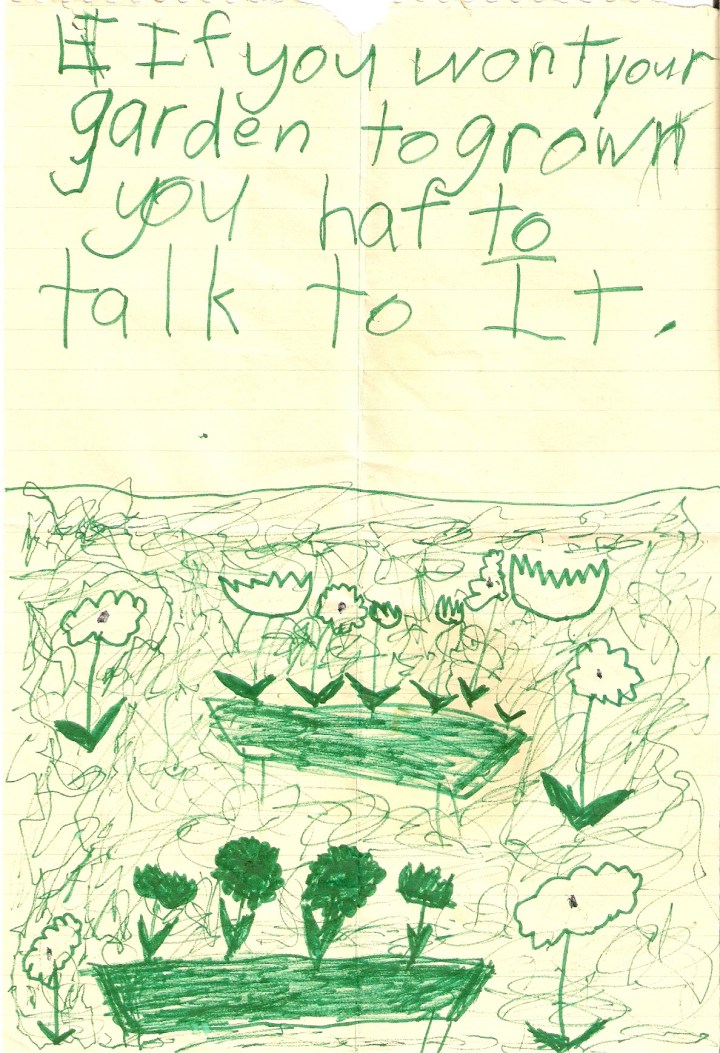 So the spelling is a bit . . . off. Ignore the ‘E’ before ‘If’ and the ‘n’ after ‘grow’. They are crossed out . . . sort of. ‘wont’ means ‘want’. ‘haf’ means ‘have’, as in ‘have to’ or ‘need to’. It made sense at the time, more than four decades ago. Perhaps I should rephrase it.
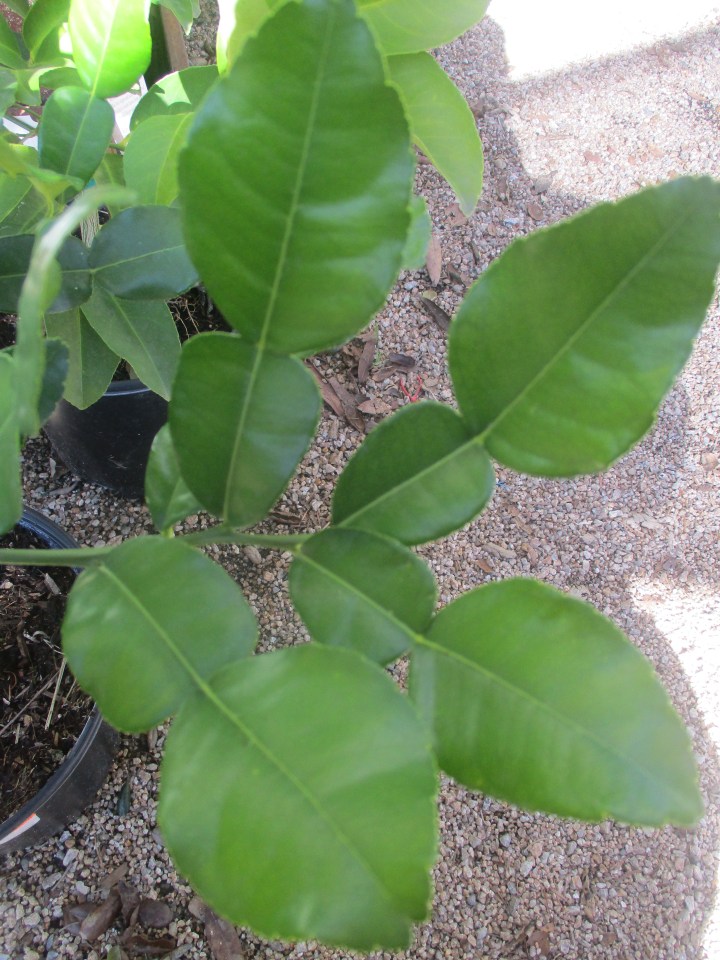 Of all the weird citruses available, this is one of the strangest. Makrut lime, Citrus hystrix, is not grown for its ugly wrinkled fruit. The rind and the juice are only rarely used for culinary or medicinal purposes. The important part of makrut lime is the aromatic foliage, particularly the modified petiole ‘wings’ that look like leaves. Fresh or dried, they are popular in the cuisine of Southeast Asia.
