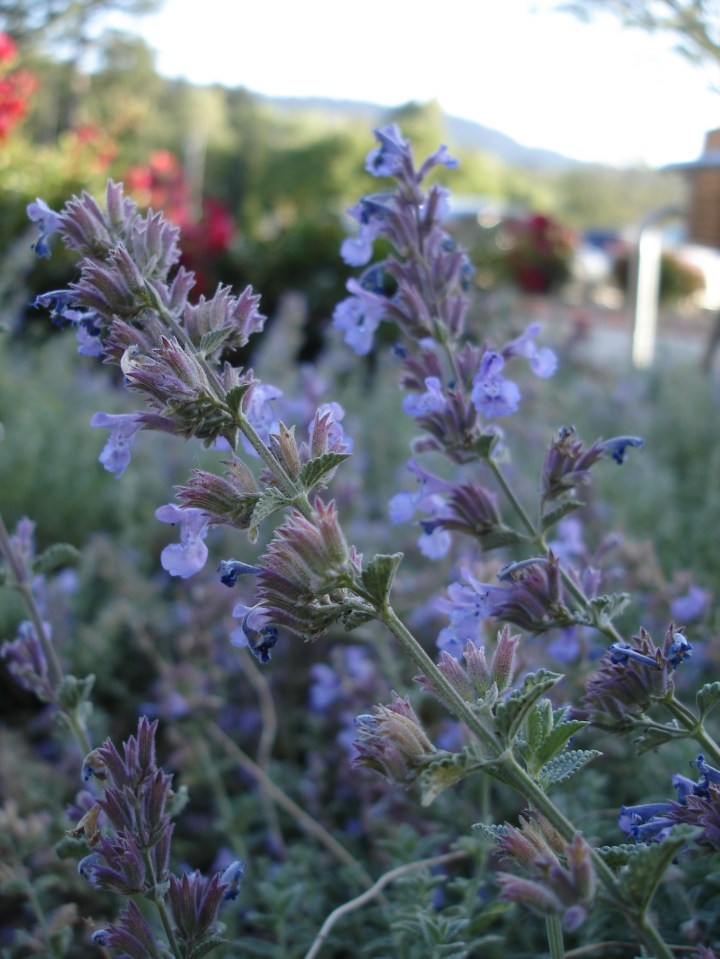
 Out in deserts, where vegetation can be a scarce commodity, cacti, agaves and yuccas protect themselves from grazing animals with thorns, spines, caustic sap and distastefully textured foliage. None of these defense mechanisms is perfect. They only need to be better than what the competing specie are using. Many plants find that objectionable flavor and aroma work just fine for them.
The funny thing about the objectionable flavors and aromas that some plants use to discourage grazing animals from eating them, is that these same flavors and aromas are what make so many of them appealing to people. It is ironic that what was supposed to make them distasteful to some is what makes them tasty to others. Yet, it also gets us to perpetuate them in our home gardens.
Mint, thyme, lavender, rosemary and sage, which all happen to be in the same family, are culinary herbs that also work well in the landscape. The mints need the most watering, and containment if their innate invasiveness is a concern. Thymes need less water, and some are nicely aromatic ground cover for small areas. Lavenders and rosemaries can survive with minimal watering here.
Both rosemary and sage are popular for landscaping anyway. Rosemary is most commonly grown as a ground cover that cascades nicely over low retaining walls, but some cultivars are shrubby. Sages are extremely variable. Some are showier than they are useful in the kitchen, with elegant and colorful flower spikes. Others are too strongly aromatic to cook with, but are used as incense.
Fennel and chamomile are often grown in vegetable gardens rather than out in the more refined parts of the landscape because they can get somewhat awkward. Fennel has such nice feathery foliage at first, but if not harvested, it gets tall, and then yellows after bloom. Chamomile gets tall and open in bloom, and then no one wants to ruin it by harvesting all the flowers if it looks too good. Chives are easier to work with. They have so many leaves that no one misses a few taken for the kitchen.

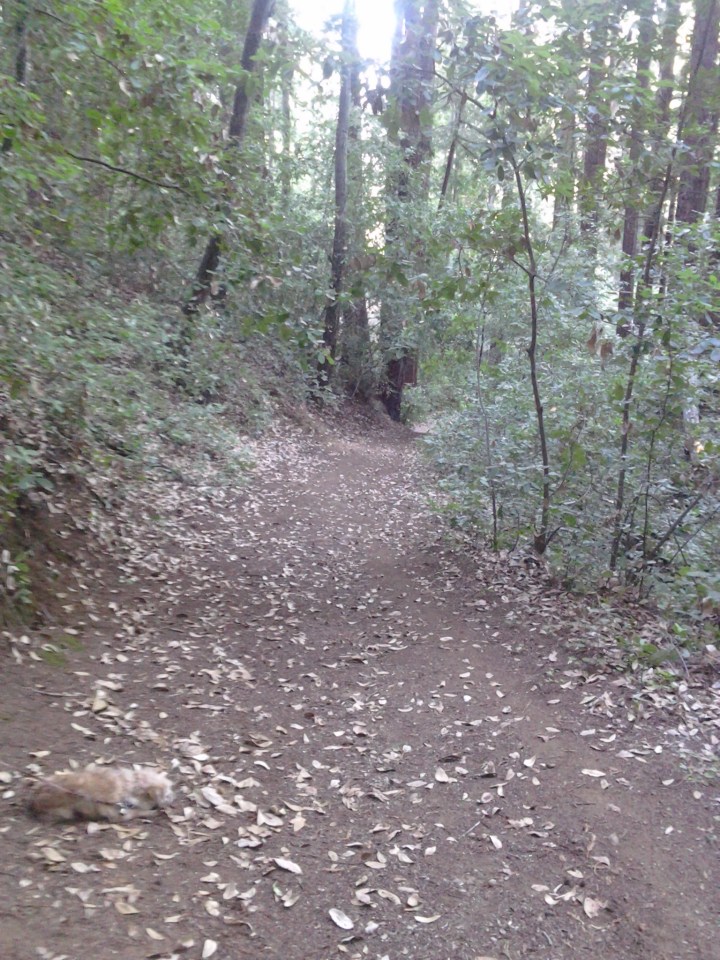
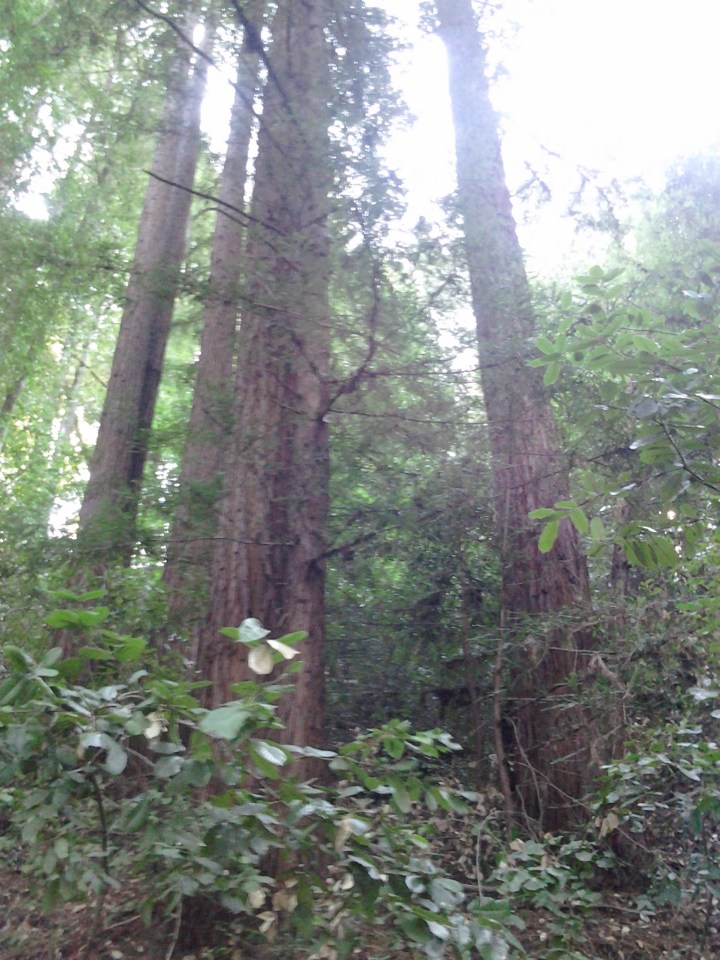


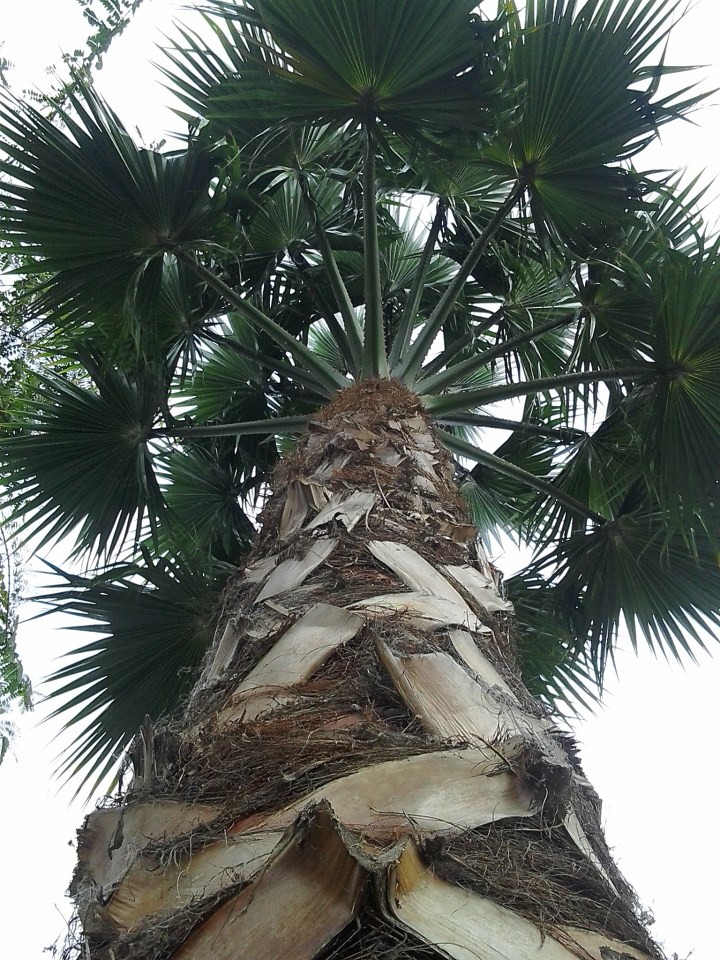

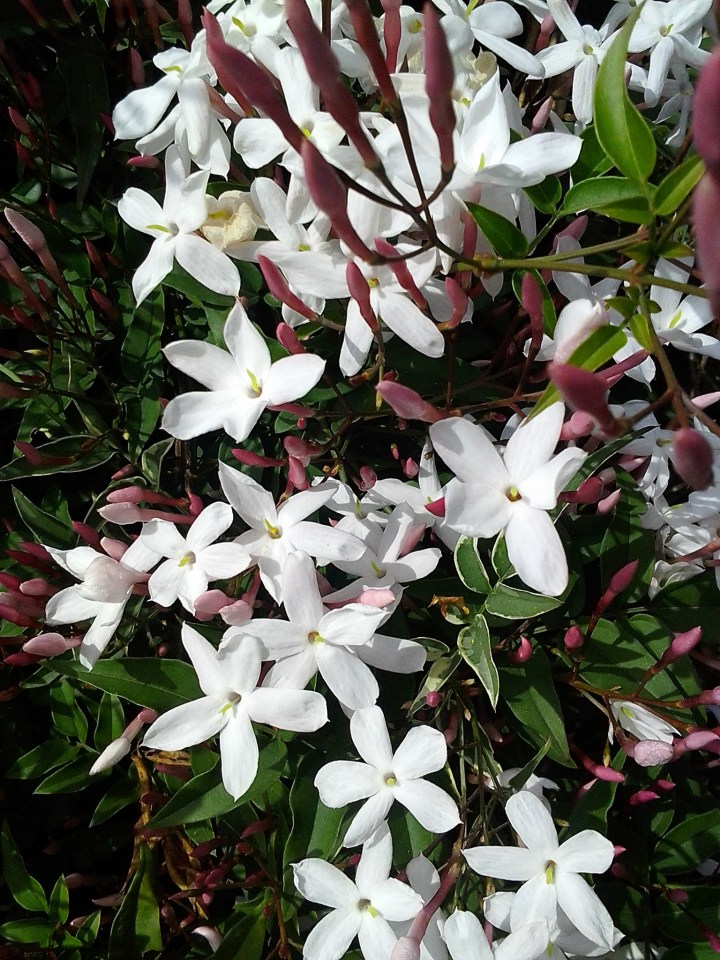


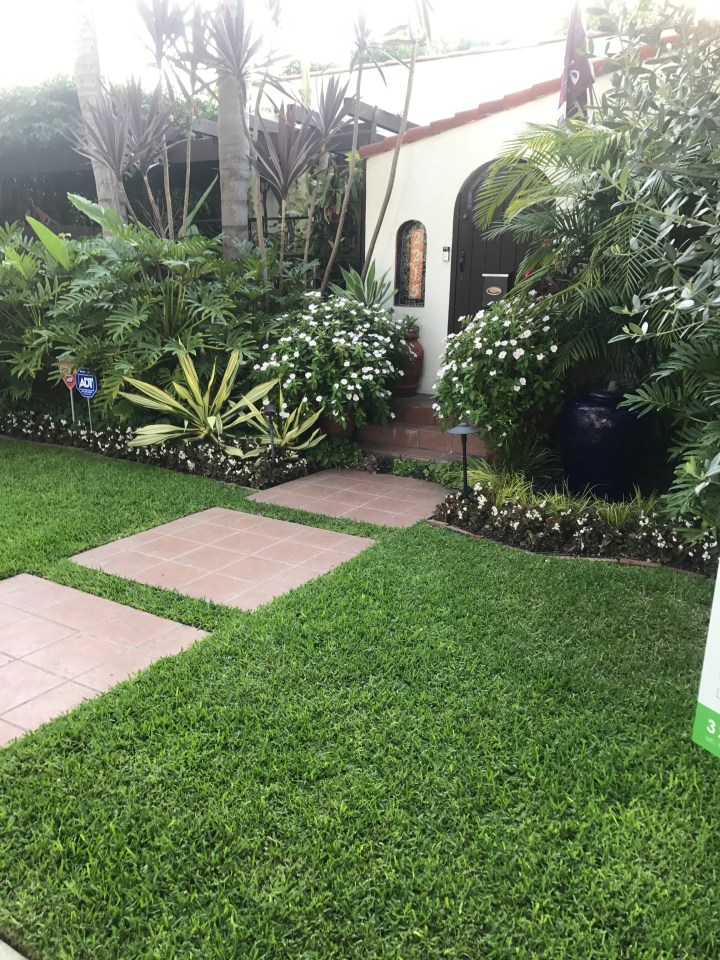

 The Jungalow is my colleague Brent’s bungalow home, surrounded by a jungle of a landscape, just about a block off of the Santa Monica Freeway in Mid City Los Angles.
 I just can not resist; although I do not intend to make a habit of this.

 Halston was quite the rage when I was a little tyke.
 Most of the brachyscome found in nurseries nowadays are the annual Brachyscome iberidifolia. Perennial species are rare. The name is still often spelled as ‘brachycome’, without the ‘s’, as it had been spelled for decades. Although it is a warm season annual, brachyscome is also popular now because it can bloom better through the locally mild winters than the warmth of mid summer.
 Water is no more scarce in California than it has been in recorded history. The problem with it is that it is a limited resource that must be shared amongst too many people. Likewise, rainstorms are no more torrential than they have ever been. Floods, erosion and wind are only more destructive now because there is so much more infrastructure that can be damaged than ever before.
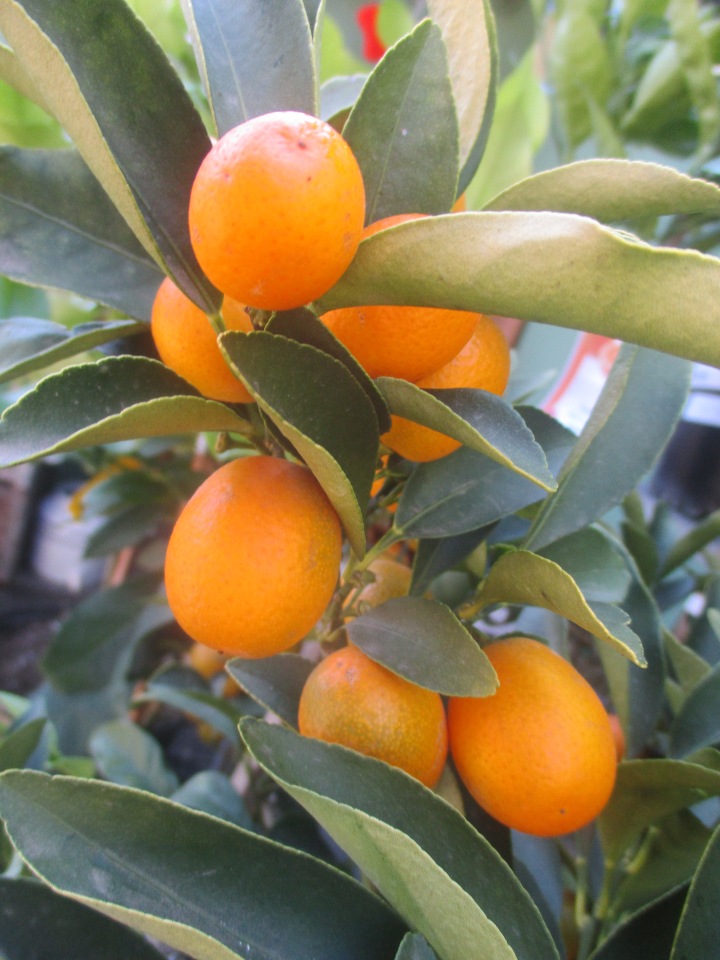 Tet, on February 16, will be the Vietnamese New Year’s Day for the Year of the Dog! Any year associated with the dog must be pretty excellent. Anyway, potted and fruited kumquat trees are very traditional decorations for Tet. Although less popular than orange and lemon trees, they are the most compact of the citrus trees, so are therefore the most adaptable to compact home gardens.
