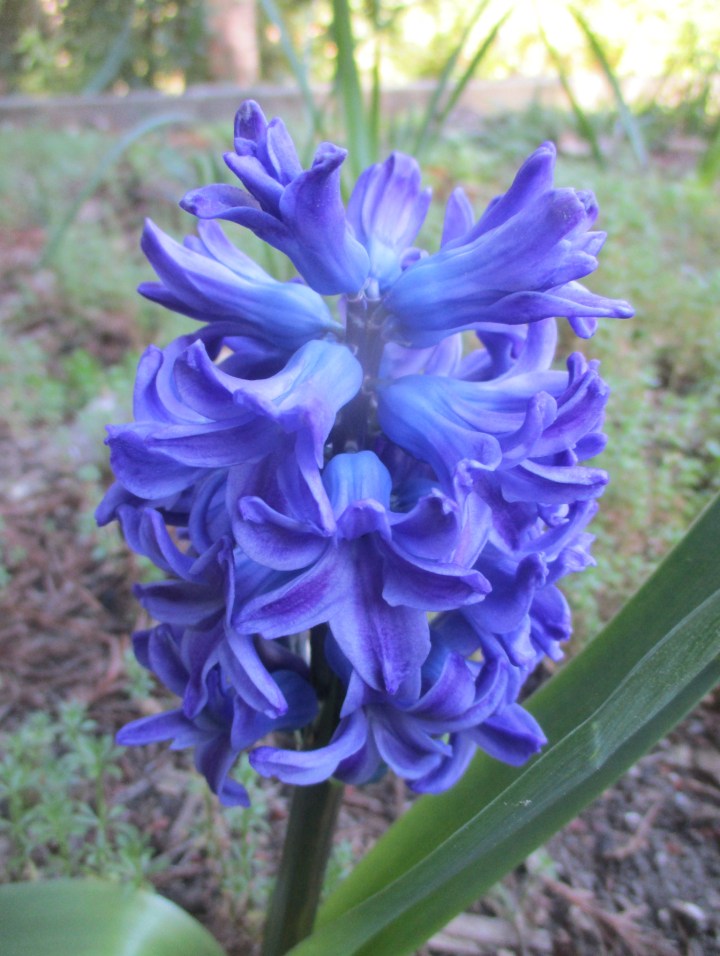
Autumn Planting Of Spring Bulbs

Spring bulbs start now.

Some of the most familiar flowers to bloom in the earliest of spring get planted now as bulbs. They sit and wait in the garden to finish their dormancy, perhaps get a bit of a chill through winter, and get an early start to their bloom cycles as soon as weather permits. Because winters are so mild here in the Santa Clara Valley, some do not even bother to wait for spring, but are instead happy to start bloom before winter ends.

Bulbs become available in nurseries when they can be planted. Those that are not available yet will become available when it is time to plant them for later spring or summer bloom. The first to become available are generally the first to bloom; although bearded iris seem to know when they want to bloom, regardless of when they get planted.

As long as they do not get stored too long or get planted too late, bulbs do not need to be planted immediately, and actually extend their performance if planted in phases. The earliest phases to get planted will bloom earliest. Phases of the same bulbs planted a few or many days later should bloom about the same amount of time later.

With proper planning, later phases bloom as earlier phases finish. For example, because crocus flowers do not last very long, different phases of bulbs can be planted only a few days or a week apart, so that more flowers start to bloom in time for earlier flowers to fade. Freesia flowers last a bit longer, so different phases can be planted two weeks or so apart.

Narcissus and daffodil bulbs are not so discriminating about how deeply they get planted, so various phases can be put in the same spots. As long as they do not get planted too deep, the earliest phases can be planted deep and covered with only a bit of soil, so that later phases can be planted above. If similarly covered with only a shallow bit of soil, later phases of the same bulbs can be stacked, as long as the last and shallowest phase still gets planted deep enough.

Not many bulbs are actually real bulbs. Most are corms, tubers, rhizomes or tuberous roots. They all do the same thing though; store resources through dormancy to sustain quick bloom as weather allows. Although many bloom reliably only once in their first season, some naturalize to bloom at about the same time each year. Tulips are capable of naturalizing, but rarely get enough chill in winter to bloom after their first season.

Anemone (windflower), hyacinth, lily, rananculus, tulip and small colorful callas are the less reliable of spring bulbs after their first year. Crocus, freesia, hymenocallis and harlequin flower can be more reliable if they get what they want. Grape hyacinth, narcissus, daffodil, watsonia, bearded iris and the old fashioned white callas are the most reliable of bulbs that get planted about now.
Autumn Foliar Color Is Chill

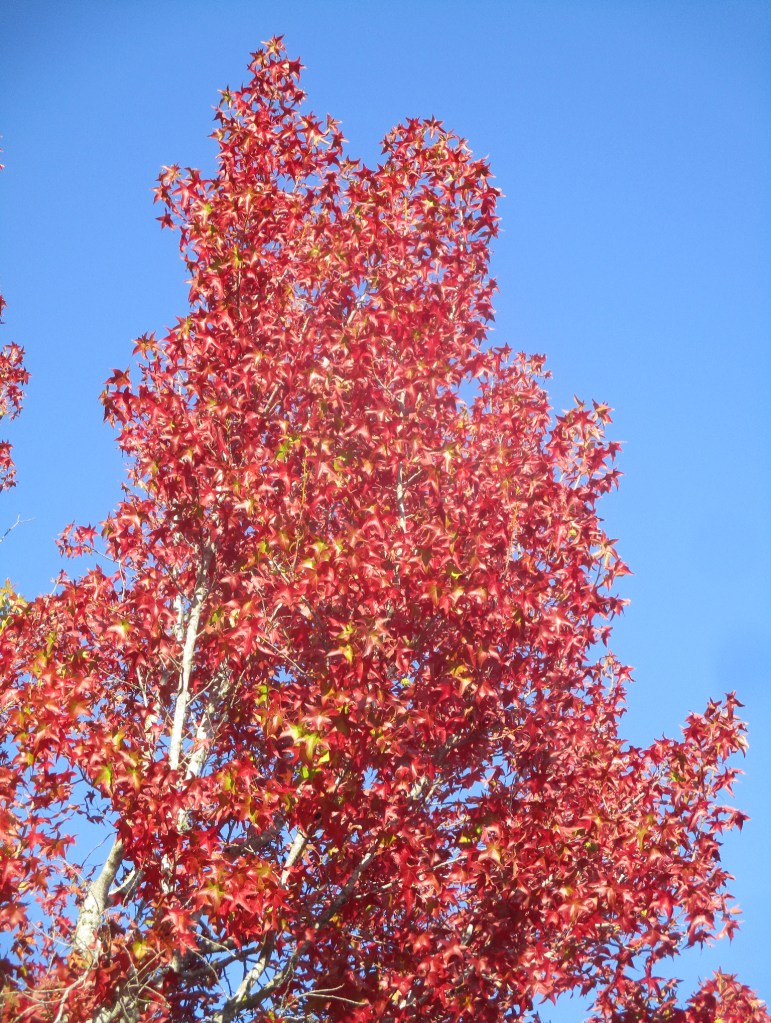
Sweetgum excels at autumn foliar color.

Cool season annuals are not the only options for home garden color for autumn. Even in mild climates, deciduous foliage eventually notices increasing autumn chill. While some merely sheds, some first develops spectacular autumn foliar color. Such foliage is not as conducive to instant addition to gardens as annuals are. Yet some may already be there.

A few deciduous shade trees and street trees provide the best autumn foliar color. Some are less popular with those who prefer evergreen trees. However, they are quite practical for some situations. Some are less messy than evergreen trees. They only seem messier because they defoliate so much at once. Most evergreen trees shed throughout the year.

Sweetgum, or liquidambar, probably provides the most colorful autumn foliar color. It also happens to be among the messier deciduous trees. That is because it retains its colorful foliage later into autumn and winter. While prolonged mess is a disadvantage, prolonged foliar display is an advantage. It is an unwieldy large tree, though, with aggressive roots.

Chinese pistache is as colorful, with dazzling yellow, orange and red autumn foliar color. It seems a bit less messy because it defoliates a bit sooner. Also, it does not produce the spiky seed capsules that sweetgum trees produce. However, its smaller leaves require a bit more effort to rake than larger leaves. Chinese pistache is a rather popular street tree.

Flowering pear, or callery pear, produces similar autumn foliar color, with more deep red. It also provides billowy white spring bloom. Crepe myrtle is a smaller tree with both vivid autumn foliar color and summer bloom. Ginkgo is a tall and slender tree with exclusively brilliant yellow color. Boston ivy is a clinging vine that is as colorful as Chinese pistache.

Not all deciduous trees produce impressive autumn foliar color. Sycamore might already be defoliating with just a bit of pale yellow color. Valley oak does the same later. Both are quite messy as they defoliate slowly through much of autumn. However, both are notably sculptural while bare later through winter. There are other advantages to deciduousness.

Village Harvest

The Santa Clara Valley was formerly famous for fruit and nut production.

(This article is recycled from several years ago, so contains outdated information.)

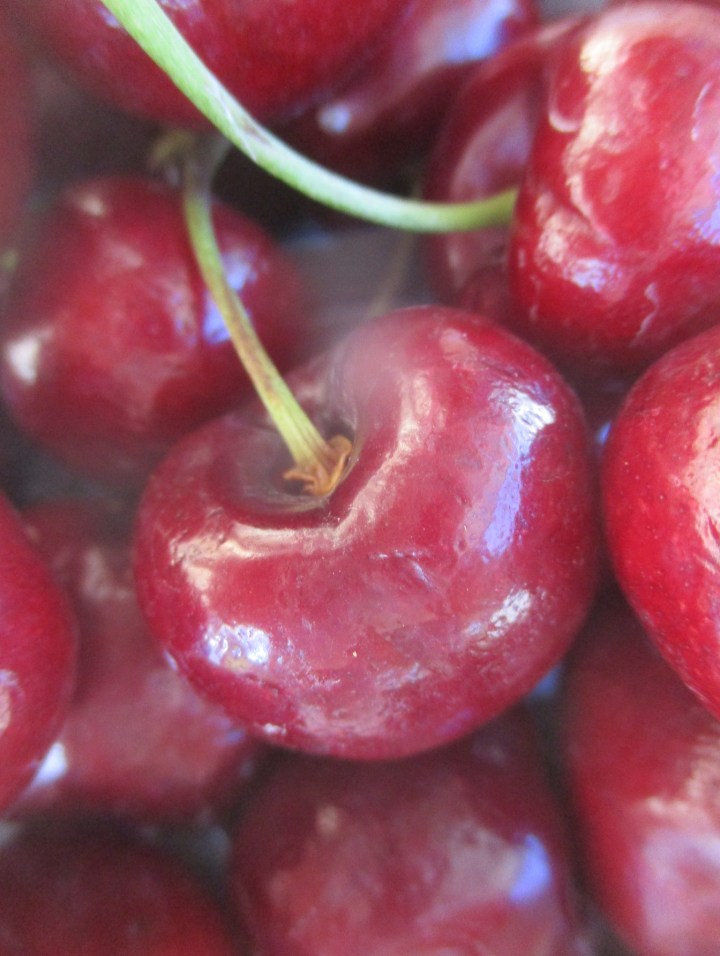
The vast orchards that formerly inhabited the Santa Clara Valley were here because this is among the best places on Earth to grow apricots, cherries, prunes, almonds and walnuts. Actually, there are not many fruit trees that would prefer to be somewhere else. Home gardens continue to produce the many traditional fruits, as well as many other types of fruit that were not so common in the orchards; such as citrus, figs, apples, pears, persimmons, avocados, peaches, nectarines and too many more to fit into a brief list.

Those of us who enjoy growing fruit trees do not need to be reminded of how well they do here. Some trees produce too much and  can become overwhelming. It is not always possible to can, dry, freeze or share with friends and neighbors all the fruit from the more productive trees. Leaving the fruit out in the garden is not only wasteful, but also bad for the garden, attractive to vermin, very messy and smelly.

Besides, there are other people in the community who could use it. During this past year, Village Harvest has harvested from local gardens, and distributed to those who can use the produce, approximately 156,000 pounds of fruit. The record for distribution of produce may be exceeded this year after apples, persimmons and citrus are harvested.

Volunteers make Village Harvest possible, by collecting excessive fruit from home gardens. Some of the people with productive trees like to retain some of the fruit. Volunteers are also welcome to take some of the fruit. The vast majority of fruit gets dispersed to others in the community who can use it.

(Most of the following information is outdated.)

The next apple harvest event in the Cupertino orchard on October 22 may no longer be able to accommodate additional volunteers; but the next major apple harvest in the Woodside Orchard on October 29 may still be in need of volunteers. Harvests take about three and a half to four hours, between 9:00 a.m. and 12:30 p.m.. Volunteers must be at least sixteen years old.

Volunteers can register for harvest events, or get more information at villageharvest.org. Early registration is recommended since space is limited. Volunteer instructions, including meeting location addresses will be e-mailed to volunteers a few days prior to each event. Those of us with excessively productive fruit trees who happen to be within range of harvest events can possibly make arrangements to get fruit harvested.

The next few neighborhood harvests will be on October 25 in Central San Jose, October 31 in Sunnyvale, November 1 in Central San Jose, November 6 in Mountain View, November 8 in Central San Jose, and November 14 in Sunnyvale. Sunnyvale harvests begin at 8:00 a.m.. Some harvests are repeated. For example, the Central San Jose harvests are weekly on Tuesday.

Bulbs For Spring Start Now

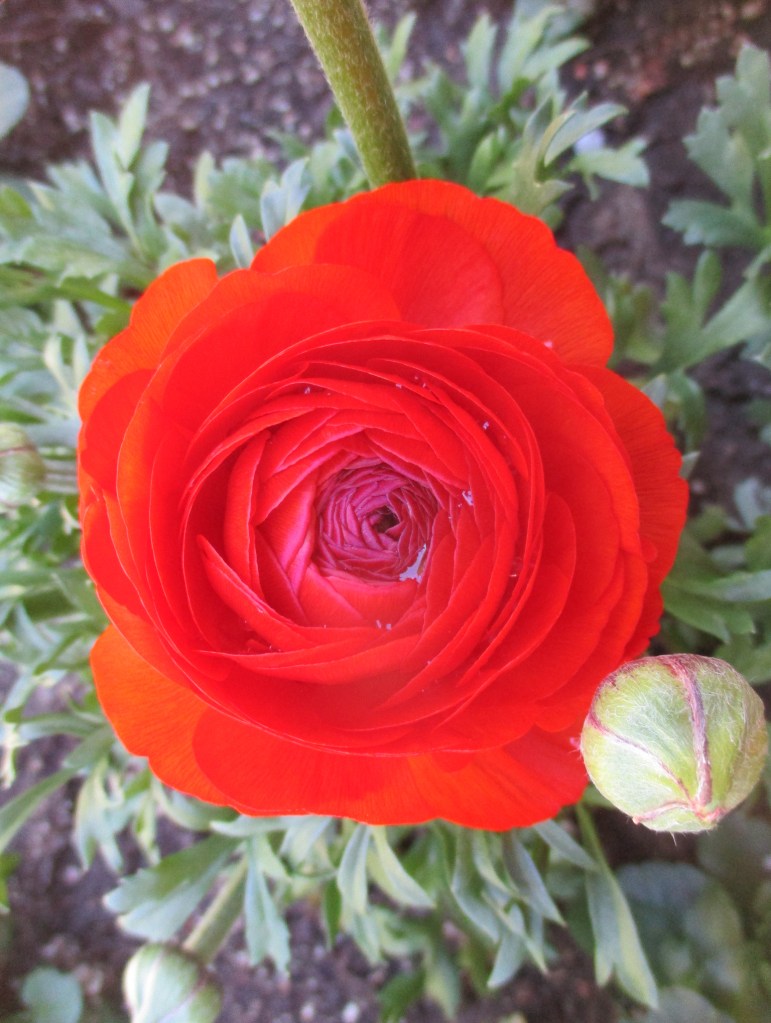
Ranunculus will bloom for early spring.

Summer bulbs, such as canna, calla and dahlia, can wait until spring. They do not enjoy winter chill during their dormancy like spring bulbs do. Spring bulbs become available at nurseries now because this is the time to plant them. They wait patiently for winter to end before blooming. A bit of winter chill actually helps them to maintain their strict schedule.

That certainly does not mean that their strict schedule is not adjustable. Most early bulbs prefer interment into their shallow graves within weeks of Halloween. However, they can wait as late as New Year’s Day. This allows for successive planting, which prolongs their ultimate bloom. Early planting promotes early bloom. Late planting promotes late bloom.

Most spring bulbs from nurseries are prechilled because winters are relatively mild here. They are therefore less reliant on significant winter chill. However, some of such bulbs in several of the milder climates may bloom only once. They lack the winter chill they need to bloom for subsequent springs. Avid garden enthusiasts compensate with refrigeration.

That requires major diligence, though. Most who enjoy gardening do not want to dig and refrigerate dirty spring bulbs. Consequently, most who grow them enjoy them as annuals or disposable perennials. Unfortunately though, spring bulbs do not bloom for very long, and are not inexpensive. That is why they are not as prevalent here as in other climates.

Freesia and narcissus, including daffodil, do not need much chill. They can settle in and bloom for many years after their initial planting. Ranunculus and anemone may not need much chill either, but are less likely to regenerate from year to year. Dutch iris and Dutch crocus are unpredictable. They might become reliably perennial, but may not cooperate.

Tulip and hyacinth may be more disappointing, since they require significant winter chill. If they can not experience such chill naturally from the weather, they require refrigeration. Otherwise, they bloom only once for their primary season, and only after prechilling. Yet, both are among the most popular of spring bulbs. Their blooms are simply too appealing.

Autumn Foliar Color

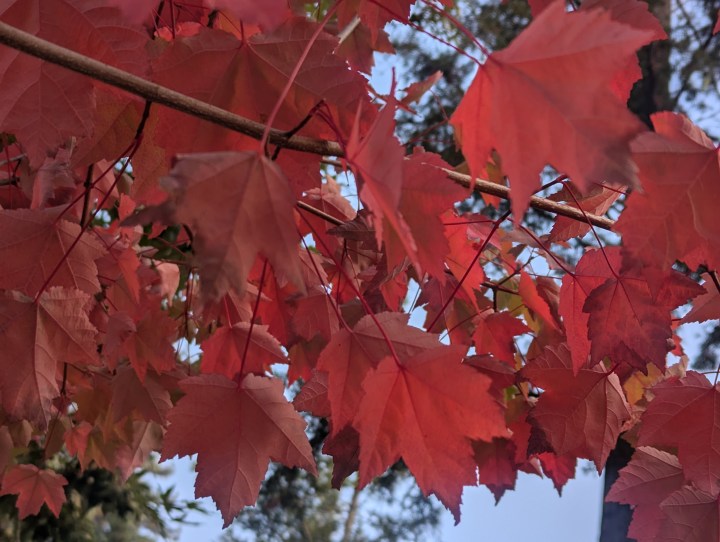
Red maple colors nicely, but the color does not last for long.

Spray paint is no way to get good autumn color in the garden. The healthy rich green king palm out front would look ridiculous and be very embarrassed, not to mention unable to breath, if it were painted yellow, orange and red, like the sweetgum trees that will soon be getting so colorful in the neighborhood now that the weather is getting cool.

Just like every other feature in the garden, autumn foliar color takes proper planning. Most of the plants with the most impressive autumn color happen to be substantial trees, so are not as easy to accommodate in as many situations as flowering annuals are. There are a few smaller shrubby plants and perennials that provide autumn foliar color, but almost all are deciduous, so defoliate to leave bare branches through winter.

Boston ivy (which is not really ivy) is probably the most colorful of climbing vines. It is a bit too aggressive for small spaces though, and damages painted surfaces and just about anything that it gets a hold of. It is best on concrete walls, which is why it is so prominent on freeway soundwalls and overpasses. Grapevine and wisteria are only moderately colorful.

Currant, crape myrtle, pomegranate, smoke tree and redbud are a few of the shrubby plants that provide good color in autumn. Crape myrtle and Eastern redbud are actually more commonly small trees. Many of the Japanese maples with good autumn color are small trees that stay smaller than most shrubbery.

Sweetgum, Chinese pistache, flowering pear and maidenhair tree are the best trees for autumn color, though maidenhair tree turns only bright yellow without the oranges and reds that the others get. Where well exposed, Japanese persimmon is comparable to Chinese pistache. Fruiting pear, apple, apricot, plum, prune and almond trees are not quite as colorful.

Several of the North American and European maples are remarkably colorful, but do not hold their foliage as long as sweetgum does. Silver maple and box elder (maple) happen to be less colorful than the other maples. Various poplars and locusts, as well as tulip tree and black walnut can almost get as bright yellow as maidenhair tree does.

Botanical Nomenclature Should Simplify Horticulture

“Buick” is comparable to a genus.

The language of gardening can sometimes seem confusing. That is because so much of it is Latin. Some of it is Latinized Greek, or Latinized names of botanists. As confusing as it may seem, this botanical nomenclature is quite simple. It is, furthermore, more practical than the use of regional common names. Botanical nomenclature is practically universal.

Botanical nomenclature is not actually a language. It is a standardized system of naming botanical organisms, or plants. It is so standardized that it is the same everywhere in the World, in every language. Common names are different in different regions or in different languages. In that regard, common names can be more confusing than botanical names.

Botanical nomenclature is basically binomial, which means that it uses only two names. The first name is the general or genus name. The second name is the specific or species name. The genus name is capitalized, while the species name is not. Both are italicized. A species name is often an adjective that describes a characteristic or origin of its genus.

Many botanical names include a third variety or cultivar name. Such names are in single quotes, without italicization, but with capitalization. For example, Sequoia sempervirens ‘Soquel’ is ‘Soquel’ redwood. “Sequoia” is its genus name. “sempervirens” is its species name, which also describes it as evergreen. “‘Soquel'” is the particular cultivar or variety.

Botanical nomenclature is actually quite similar to automotive nomenclature. Italicization and lack of capitalization of the species names are the primary differences. For example, Buick, Chrysler and Mercury are all like genera. Electra, Imperial and Grand Marquis are all like species of these particular genera. Buick Electra is therefore like a botanic name.

Buick Electra ‘Limited’ is like a cultivar of Electra, which is more specific than species. Its family is General Motors, which is more general than genus. Botanical nomenclature has families too, although they are rarely mentioned. Sequoia sempervirens ‘Soquel’ is in the family of “Cupressaceae”. Botanical family names lack italicization but not capitalization.

Palms

Mexican fan palm is the most prominent palm.

Only a few of the  many different palms that can be grown locally are actually common. The Canary island date palm and the Mexican fan palm, which had historically been the most common palms, have unfortunately given palms a bad reputation. Both get too large for small gardens, and need costly maintenance when they grow out of reach.

Since the late 1980s, the formerly uncommon queen palm has become the most common palm. Although it too eventually grows beyond reach, it is still more proportionate to home gardens while young. It has a relatively narrow trunk that is partially ‘self-cleaning’ (which means that old fronds, or leaves, often fall off or can be easily peeled off).

The windmill palm and the Mediterranean fan palm, although no more common now than a century ago, are two of the better palms for home gardens, since they do not get too large, and are somewhat easy to maintain. The Mediterranean fan palm has several sculptural trunks that curve out randomly from the base. Sharp teeth on their petioles make pruning a challenge, but not impossible.

The windmill palm has a straight solitary trunk that is distinctively hairy where old fronds get pruned away. It eventually grows out of reach, but takes many years to do so. By that time, many people allow beards of old fronds to accumulate on the trunks overhead instead of bothering to keep them pruned.

The desert fan palm, which is the only palm that is native to California, is very similar to the Mexican fan palm, but is about twice as stout and half as tall, with a fluffier canopy. Because it grows slower and stays smaller, it would be a better palm for urban gardens, except that it does not like to be watered regularly when mature. It really prefers warmer and drier climates.

Pindo palm and Mexican blue palm would also be great palms for urban gardens, but grow rather slowly before getting big enough to get noticed. In some climates, pindo palm produces strange and messy, but sweet and tasty fruit. Mexican blue palm is one of the most resilient palms, and blooms with really cool long floral tassels that a can drag on the ground from short trees.

‘Feather’ palms, like Canary Island date palm, queen palm and pindo palm, have pinnate (and generally compound) leaves, with small leaflets arranged on solitary midribs. Their fronds must be removed as they deteriorate.

‘Fan’ palms, like Mexican fan palm, Desert fan palm and windmill palm, have palmate leaves, centered around the distal termini of solitary petioles. These are most often pruned away, leaving distinctive patterns of petiole bases, but can alternatively be left to accumulate into thick beards of thatch.

Mexican fan palms are sometimes ‘shaven’ of their petiole bases to expose elegant lean trunks, although the procedure is intensive and expensive. Desert fan palms and some Mexican fan palms drop their own beards naturally.

Division Can Equate To Multiplication

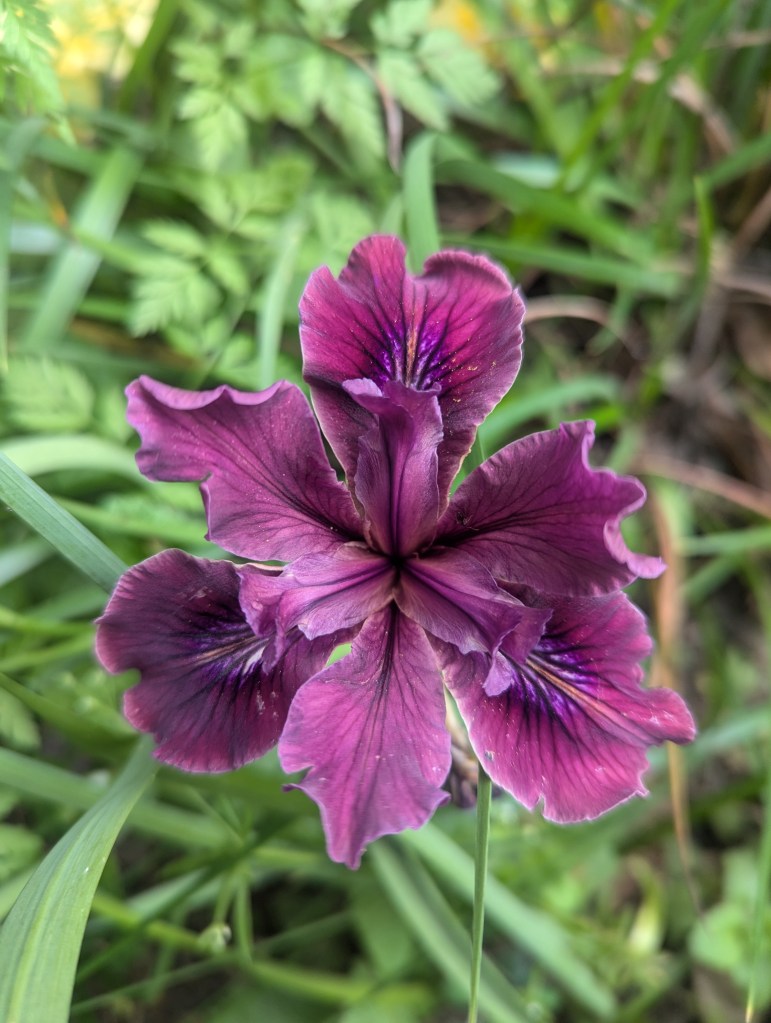
Pacific Coast iris eventually appreciates division.

Propagation produces more plants from minimal and readily available resources. Within home gardens, propagation is practical by seed, cutting, layering or division. Seed which is not available directly from the garden is generally not very expensive. Cutting, layering and division utilize what already lives within the garden. In other words, the stock is free.

Seeding produces genuinely new plants. Other forms of propagation produce genetically identical copies of their parent plants. Cutting compels pieces of stem to grow new roots. Layering does the same, but while pieces of stem remain attached to their parent plants. Division involves separation of portions of stems that already developed their own roots.

Most species that are conducive to division are substantial perennials. Flowering quince and lilac, though, are woody shrubs that produce dividable suckers. Most division should happen during late summer or early autumn. However, several species prefer late winter. Deciduous species, like lilac and flowering quince, prefer it during their winter dormancy.

Shasta daisy, lily of the Nile, daylily and coneflower prefer division during late summer. It is after their bloom and summer warmth, but before cool weather of winter. They disperse their roots through winter to resume growth even before spring. Bearded iris are ready for division a bit earlier, and resume growth by autumn. They are then ready for early spring.

Division of phlox and penstemon should be a bit later, when they get cut back. Bergenia blooms for winter, so should not be disturbed until late winter. Torch lily might bloom late, so also prefers to wait until late winter. New Zealand flax recovers from the process more efficiently after winter. It grows slowly during wintry weather, so is more susceptible to rot.

Daylily is easy to divide by simply digging and separating foliar rosettes from each other. Lily of the Nile is as simple but more work because of tough roots. Shasta daisy involves cutting apart clumps of its matted basal stems. Each clump, which may be cut away with a shovel, contains several such stems. Newly divided plants might bloom better because they are not quite so crowded.

Firewood

It is not too early to procure firewood.

Despite the pleasant warm weather, it will be autumn soon. This is the time to get ready for cooler weather through autumn and winter. The plants in the garden do that on their own without our help. They somehow seem to know what time it is. We only need to clean up the mess and empty the gutters when deciduous trees start to drop their leaves later. Most of our work involves features that are not plants.

Winters are so mild here that some of our work often gets delayed until it becomes necessary. If needed, we can paint, stain and seal decks, fences, patios and anything else outside anytime the weather allows right through winter. Many of us leave patio furniture outside all year both because the weather is not too harsh on it, and because patios are usable spaces even through winter.

Firewood is also commonly neglected or not even needed, but for different reasons. Many fireplaces were damaged or destroyed by the Loma Prieta Earthquake decades ago, and never repaired or replaced. Modern building codes outlawed the construction of new fireplaces even prior to that; so newer fireplaces are instead pellet stoves. Those of us who still use old fireplaces and stoves have more difficulty obtaining wood now that the orchards are gone and the outskirts of town are so much farther from home.

The advantage of pellet stoves is that fuel (which looks like stove food) is always available so does not need to be accumulated, stored and seasoned. The fuel also burns cleaner. Synthetic logs (made from compressed wood byproducts and fuel) are an expensive alternative for conventional fireplaces and stoves, but also burn cleaner than wood, and are always available. They are lightweight and clean, so can be picked up at the store and brought home in the trunk of a small car whenever a fire is wanted in the fireplace.

Good old fashioned firewood is both more work and stigmatized because of pollution. Those of us who do not have firewood available within our own gardens can purchase it from some tree service companies. It is most commonly obtained already split and seasoned directly from the wood yard where the tree service company stores it. It can be delivered for a price. Some people even like to pay a bit extra to get it  stacked.

Firewood obtained in this manner is typically a mix of random woods from trees found in local landscapes. There is often a preponderance of a particular type of wood. No one ever knows what to expect. The specific type of wood is designated only when a large tree or group of trees needs to be removed, and can be isolated from mixed wood.
Palms and yuccas, known as ‘herbaceous trees’, do not produce effective firewood! A few pieces in a load of firewood should not hurt anything, but palm or yucca ‘wood’ should not be purchased. Mixed wood often contains some resinous wood and eucalyptus, which burns just fine, but produces a bit more soot that needs to be cleaned from chimneys.

Firewood should be obtained annually in quantities that are likely to be used each winter. It is perishable, and can rot if stored several years outside. Even if it does not rot, it can become infested with rodents if it stays idle too long. Besides, excessive firewood simply takes up space that could be used for something else.

Successive Planting Increases Vegetable Production

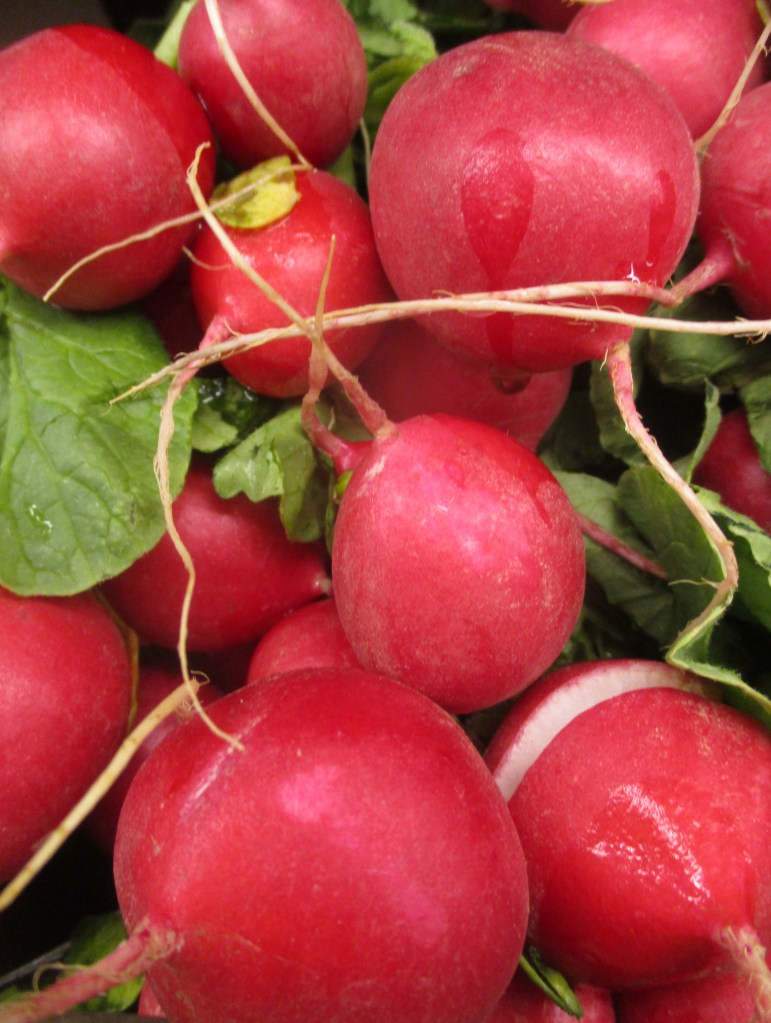
Radishes produce for a limited time.

Cool season vegetables might seem to be a bit early while the weather is still warm. It is technically autumn, though. If the weather is a bit too warm now, it should not be for long. Cool season vegetables may soon enjoy the cool weather they prefer. Their subsequent phases of successive planting can enjoy it even more. Spring is a few months from now.

Successive planting begins early and finishes late. It entails cultivation of relatively small groups of vegetables throughout their seasons. The first groups start as soon as they are seasonable. The last groups should finish at about the end of their season. Each type of vegetable prefers particular seasons. Therefore, some begin or finish earlier than others.

Ideally, each group of each vegetable finishes production as a subsequent group begins. The expected duration of production determines the frequency of phasing. For example, if radishes produce for two weeks, each phase should be two weeks apart. Also, each of the phases should provide enough radishes for two weeks. Scheduling is very important.

Larger vegetables, such as cabbage, broccoli and cauliflower, likely need fewer phases. Successive planting for them may involve only one early group and one late group. Each group may remain in production for a month or longer. Individual vegetable plants within each group mature at different rates. Even when mature there is no rush to harvest them.

Cucumber and pea vines remain in production throughout their seasons. Those that start now might continue production until the middle of winter. Those that start after the middle of winter might continue production until spring warmth. Two such phases are the extent of their successive planting. (Cucumbers and peas are really fruit rather than vegetable.)

Successive planting also prolongs the bloom of spring bulbs that will be available soon. Of course, it is only effective for the first spring after initial planting. Bulbs synchronize for any subsequent bloom if they naturalize. Successive planting is not so effective for bulbs that bloom later in summer or recurrently. Cannas bloom late regardless of planting time. When seasonable, all dahlias should start on time.