 Weeds are weeds because they grow where they are not wanted. They might be desirable plants in the wild within their native ranges, or beyond their native ranges where they are useful, but for one reason or another, are undesirable in other situations. In fact, many of the most invasive exotic (non-native) weeds were imported because they were useful for something, and then escaped.
Many invasive exotic weeds that were not imported intentionally by humans likely stowed away intentionally by their own means. Some produce edible fruits that contain their seed so that animals who eat the fruit transport and disperse the seed. When animals such as cattle, swine, sheep, horses and chickens are imported, they can bring such seeds with them, and have already done so.
Not all plants have such mutually beneficial relationships with the animal vectors who transport their seed for them. Rather than expend resources on fruit to appeal to, and reward the animals who eat it, they produce seed structures that cling to animals. Most get tangled in the hair of mammals. Some get wedged into cloven hooves. A few are just sticky enough to stick to the feet of birds.
It is sneaky and exploitative, but effective. Most of these sorts of seed structures stick to the fur only for short distances before falling to the ground, where they really want to be. Some types cling for longer distances, in order to take advantages of larger migratory mammals. Dispersion is their objective. Even though they provide no benefit to their vectors, they do not intend to harm them.
However, they sometimes do. Sharply pointed seed structures that are designed to slip smoothly into fur, but not come out easily, can get into eyes, noses, ears and throats of innocent animals. Foxtails are the most dangerous, and sometimes need to be removed by a veterinarian. Burclovers get tangled in soft fur, and sometimes do so in very uncomfortable clusters.
Domestic dogs and cats are more susceptible to the dangers of weed seeds than wild animals are, because their fur is longer, shaggier, and maybe curlier.
 Lawn is the carpeting for our outdoor spaces. Like pavement or decking, it makes the space in or gardens useful for more than growing other plants. Since it is designed to share its space with us, we give it more ground space than any other type of plant. For what it contributes, most of us do not mind giving lawn all the water and attention that it requires. It really seems indispensable.
 It is hard to say why boulders and sculptural stone are sometimes incorporated into American landscapes. A long time ago, boulders were only left in landscapes if they were to big and heavy to move out of the way or break apart. Early American landscapes were designed to express dominance over nature by replacing as much of it as possible with unnaturally organized landscapes.
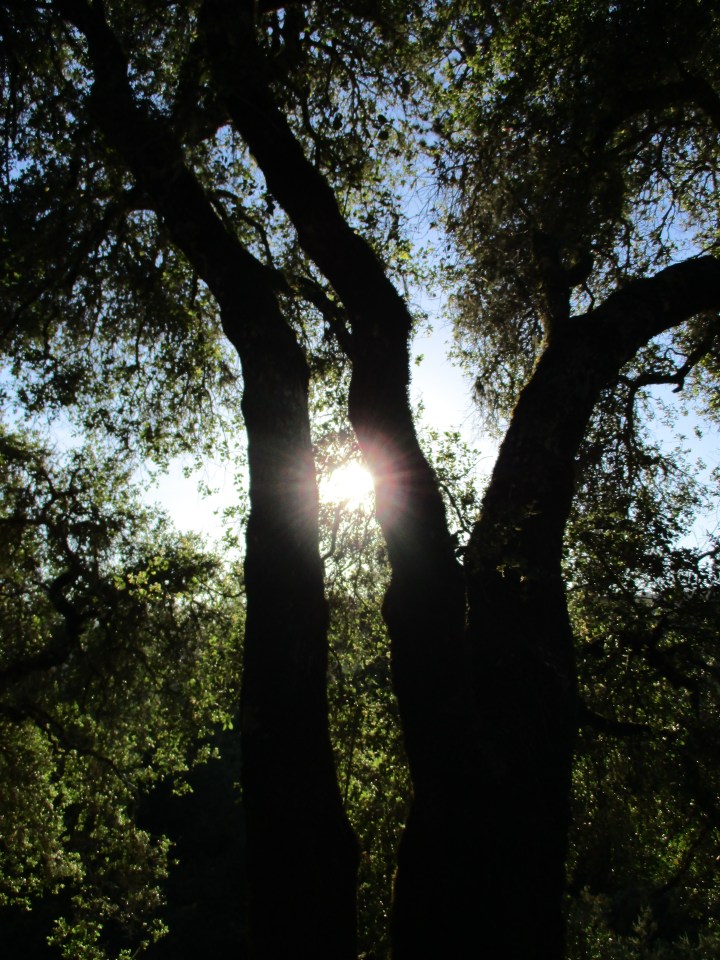 Modern urban lifestyles are becoming less conducive to gardening all the time. Bigger and taller homes cast larger shadows over smaller garden spaces. The taller fences between these homes do not help. The densely evergreen trees employed to obscure the views of other larger and taller homes also obscure sunlight. Not much sunlight reaches the ground where shorter plants need it.
 Does the heat seem to have come on suddenly this year? There was all that rain through winter, then a quick but delightful spring, and now it is suddenly over a hundred degrees in some places! What happened?! There is certainly nothing abnormal about such warmth in the middle of June. It just comes as a surprise when it arrives so suddenly after such pleasantly mild spring weather.
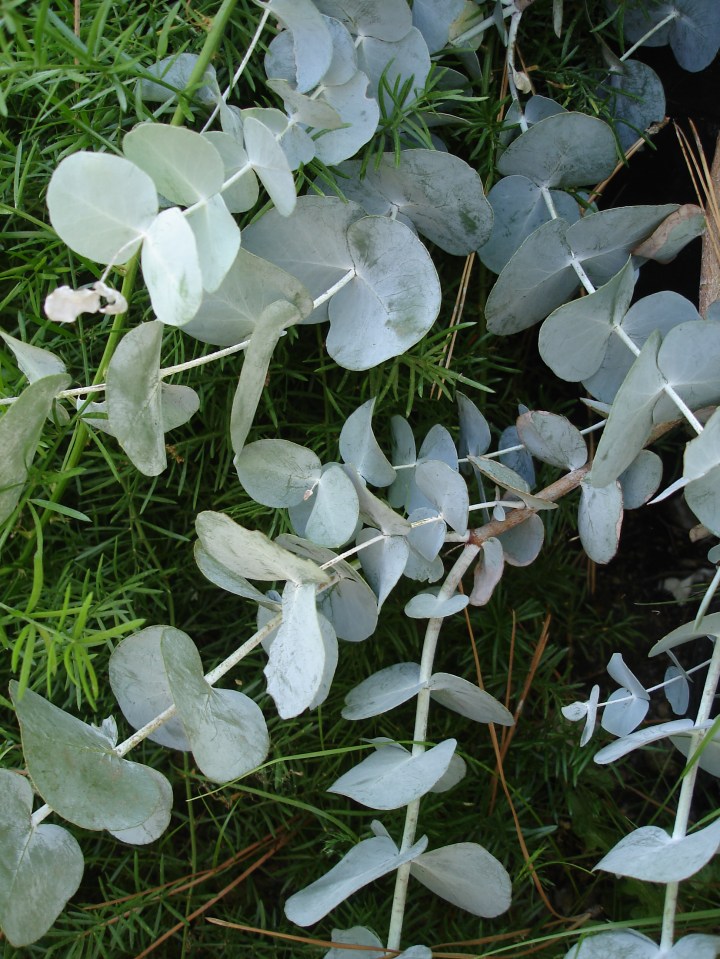 The best and brightest color in the garden is obviously still provided by flowers. Autumn color can be spectacular, but only amongst relatively few deciduous trees, shrubs and vines that turn color reliably in mild climates, and only if the weather is conducive to coloration. The next best option for color beyond green is the sort of colored foliage that does not wait for autumn to materialize.
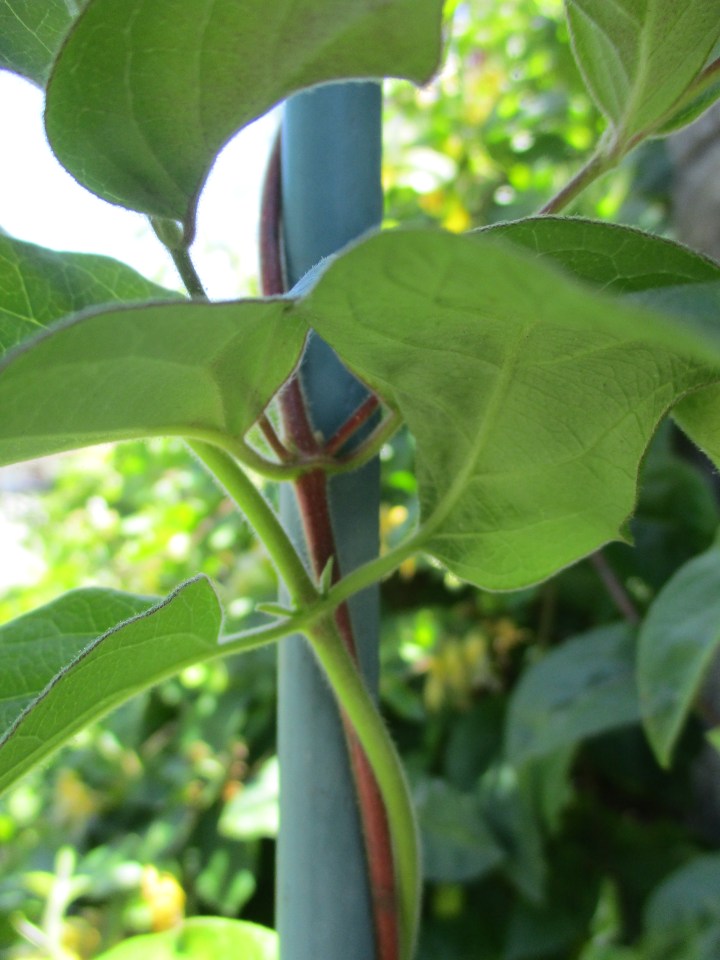 Vines in the wild are downright exploitative. They do not support their own weight, so instead climb or sprawl over shrubbery and trees. Some are satisfied staying down below the canopy of the hosts who support them, as if aware that a healthy host will support them for a good long time. Many vines climb aggressively to the top and overwhelm their hosts, even if it eventually kills them.
 Not many plants are sensitive to mere heat alone. Actually, many plants prefer warm weather. The difficulty that some plants have with heat locally is that it typically accompanies aridity, and often accompanies afternoon breezes. As appealing as breezes and minimal humidity are to us while the weather is warm, they promote and accelerate desiccation of exposed sensitive foliage.
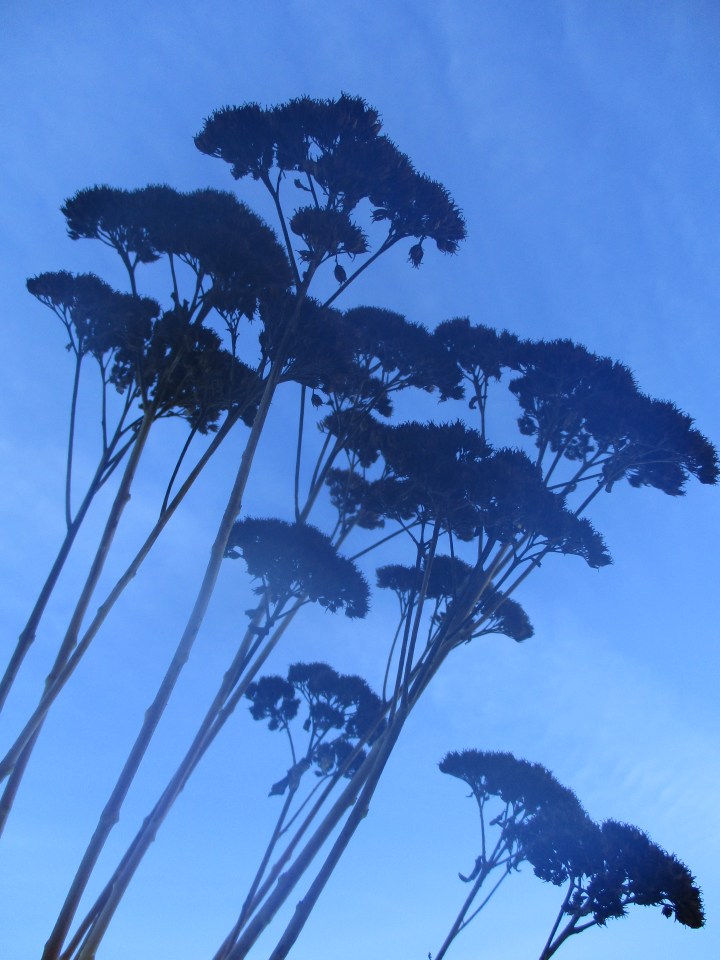 April showers bring May flowers. May flowers make a mess. Well, some of them do. Most simply disintegrate and fall from the trees, shrubs and vines that produced them, and decompose into the soil below. Some might have needed to be swept off of pavement and decks. Regardless, most of us do not notice the very minor consequences for the majority of spectacular spring bloom.
 It could be either an asset or a liability. With few exceptions, ferns do not want to be too exposed to direct sunlight or wind, especially during warm and dry weather. However, as long as they get just enough filtered light, they can be quite happy in sheltered spots that are a bit too shady for other plants. Most like to be watered regularly, and perhaps lightly fertilized in spring and summer.
