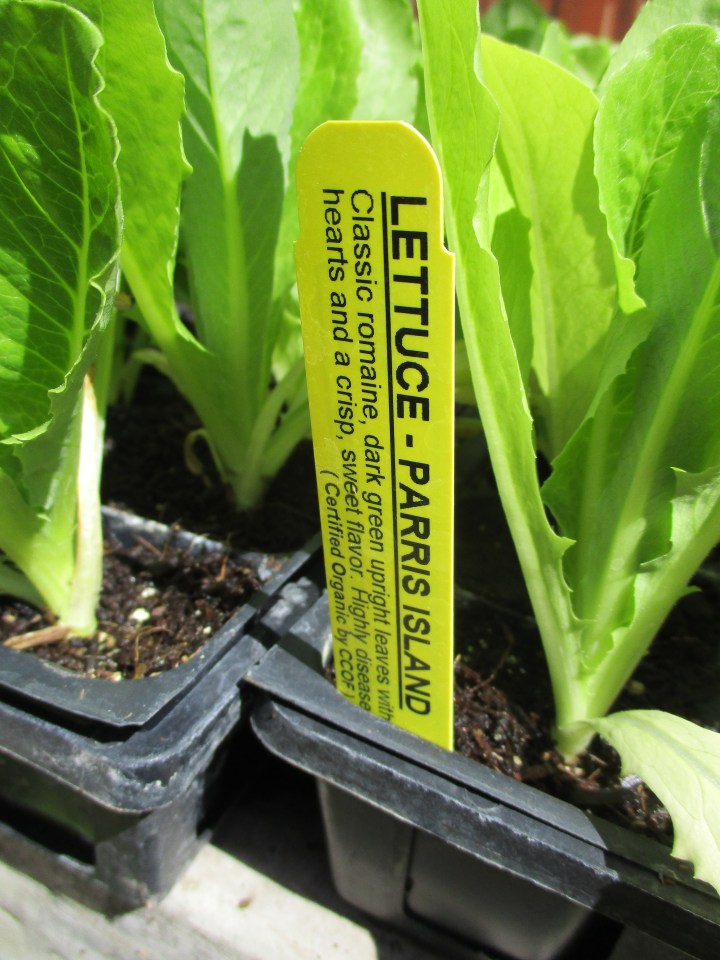
 Right smack in the middle of the warm part of summer, it is already time to be getting ready for autumn gardening. This involves more than just ordering our autumn planted spring bulbs while the selection is still optimal. Most of us purchase bulbs from what is available in nurseries when they are in season anyway. Seed that gets sown in the next few weeks is a more immediate concern.
The majority of cool season vegetables will get planted later, when the seasons actually start to change to become . . . well, cool. Seed for beets and carrots gets sown directly in about a month, followed by pea seed even a bit later. At about that same time, many of us will plant small seedlings of other cool season vegetables, like broccoli, cauliflower, cabbage, lettuce, spinach and kale.
For many of us though, it is not that simple. If we want varieties of these cool season vegetables that are not likely to be available as seedlings in nurseries later, we must grow our own from seed. Whether they get sown directly into the garden, or into flats to be grown as seedlings to be planted later, broccoli seed should be sown about now. By the time it gets to growing, it will be autumn.
Seed purchased online or from mail order catalog should be ordered by now. It is not too late for broccoli if the seed arrives and gets sown soon. Cauliflower and cabbage seed gets sown within a month or so, as late August becomes early September. Lettuce and spinach seed should wait half way through September, like beet and carrot seed. Kale seed can wait until after September.
Seed for secondary phases of most of these cool season vegetables can be sown early next year.
In the meantime, warm season vegetables must continue to be harvested very regularly. If they stay in the garden long enough to get tough and bland, they also interfere with continued production. Foliar herbs can be harvested for drying just about any time they are fresh and not blooming. Regular harvesting inhibits bloom, and therefore promotes more of the desirable foliar herbal growth.
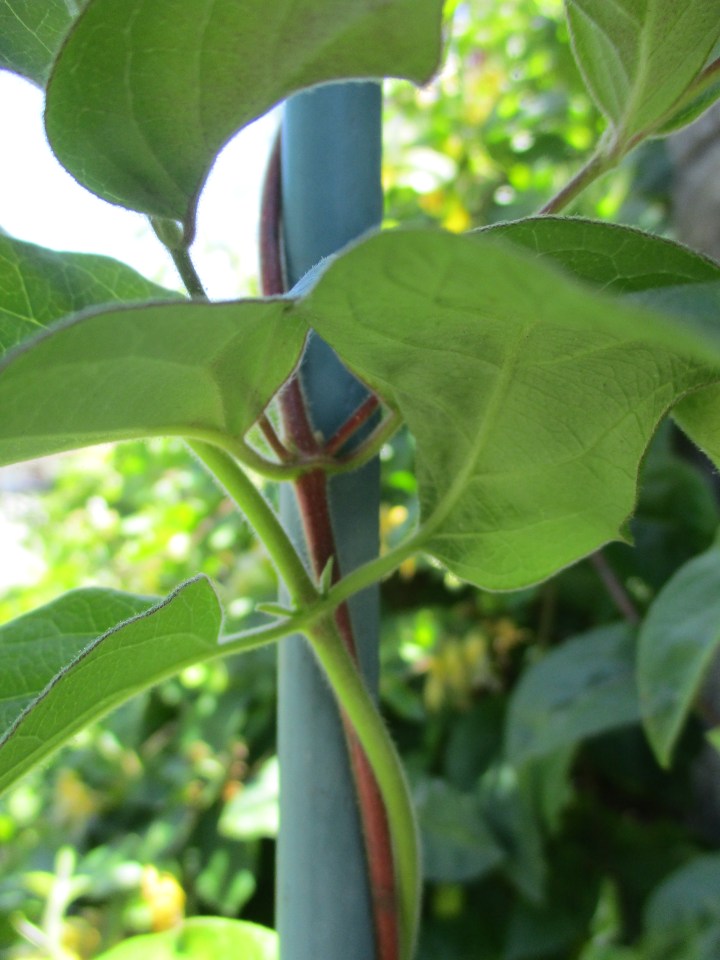 Urban homes are innately close to other urban homes. Newer homes are even closer to each other than older homes are, and are more imposing. Establishing or maintaining privacy can be a challenge, especially for high windows in narrow spaces. Even though home builders prefer to place windows strategically, some windows invariably face into neighboring windows or gardens.
 Most of the familiar vines really are exploitative bullies. They shade the same trees and shrubs that they climb for support. Some will even strangle and kill those who make it possible to get where they want to be. If they do not find trees or shrubs to victimize, they are likely to climb walls and ruin the paint, stucco or siding. Their aggressive nature can be a problem in landscape situations.
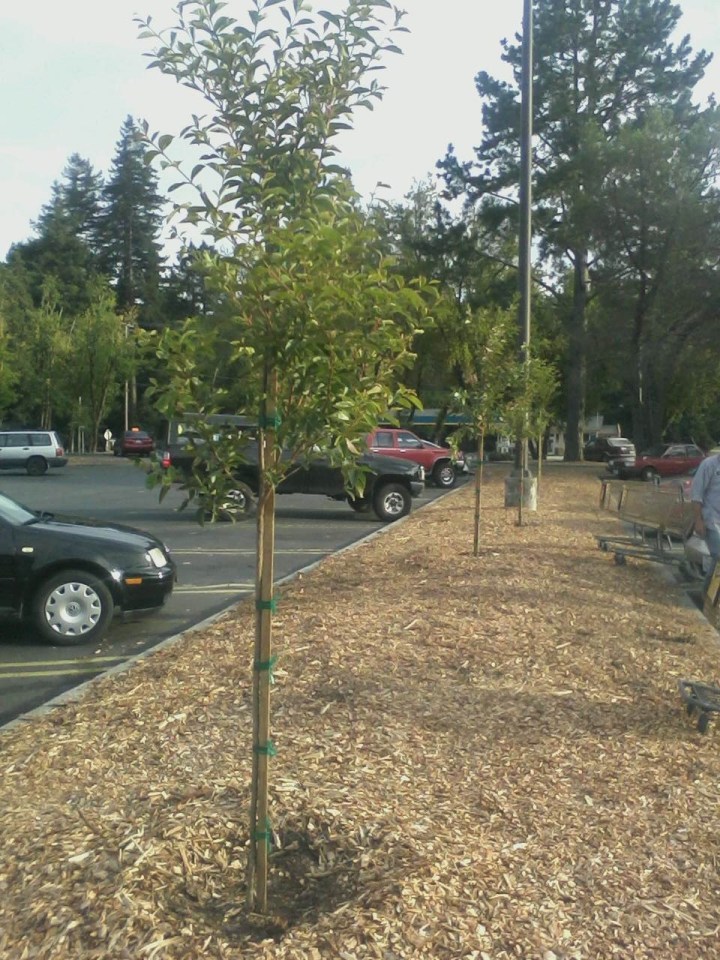 Most plants would prefer the real thing; how they do it in the wild. They drop their leaves, flowers and twigs. Deciduous plants do it mostly in autumn. Evergreens might spread it out through the year. The debris accumulates on the ground below, and decomposes at about the same rate as it accumulates. There is no one there to clean it up. Yet, the natural ecosystems know what to do.
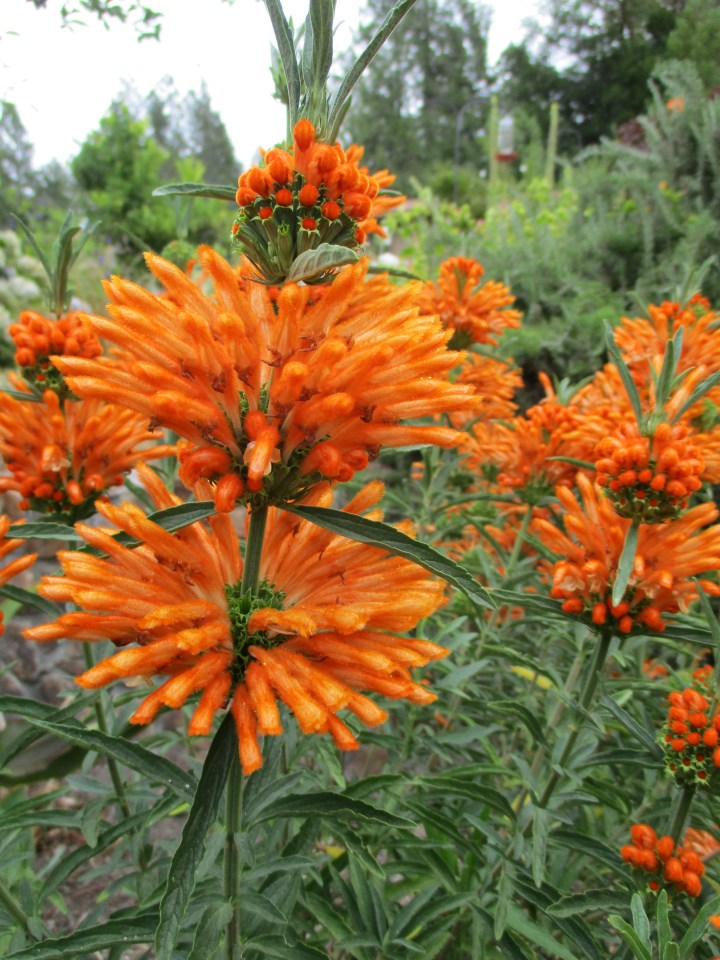 Are warm season annuals really the most colorful flowers for summer? Perhaps. They have their limits though. They are also very demanding. They need to be watered very regularly, and should probably be fertilized too. Many need to be deadheaded frequently. After all that, they are only temporary, and will get replaced with cool season annuals in autumn. Perennials are more practical.
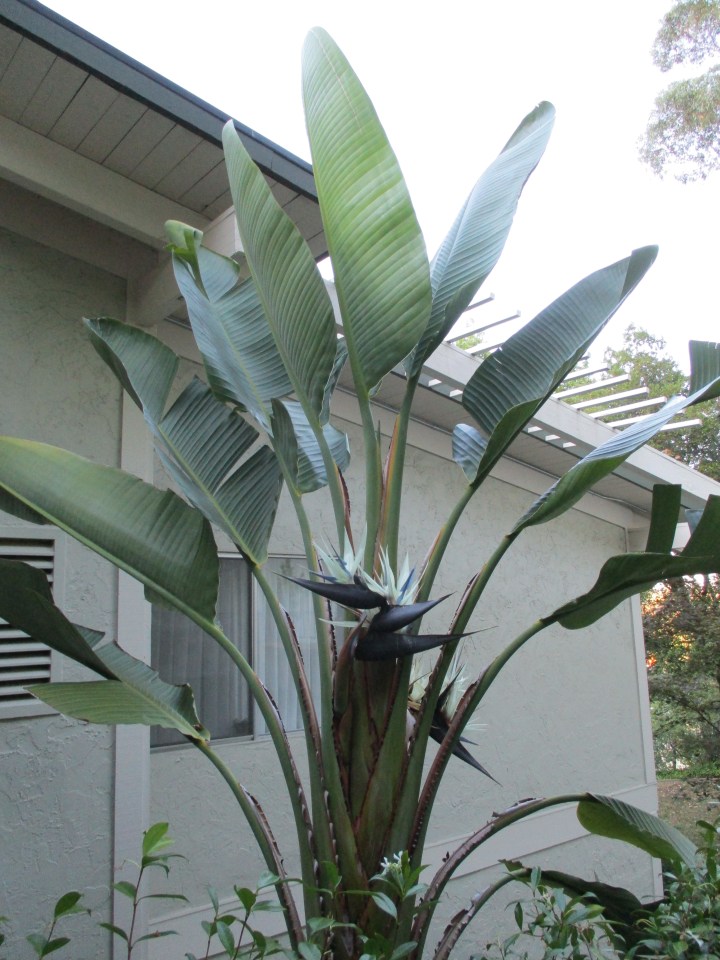 Just like anything else that gets planted in the garden, new perennials seem to be so cute and innocent. They get even better as they mature. Some grow and spread to impressive proportions. Then . . . some perennials get to be too large. Some get overgrown enough to obscure their own appealing characteristics or other plants. Others get crowded enough to inhibit their own bloom.
 The terminology has certainly changed over the years. Not many of us remember what tree surgeons were, or that there were actually a few different kinds of tree surgeons, who performed very distinct tasks. Tree surgeons are now known as ‘arborists’. Much of what they used to do is done by other types of horticultural professionals. The work that arborists still perform is ‘arboriculture’.
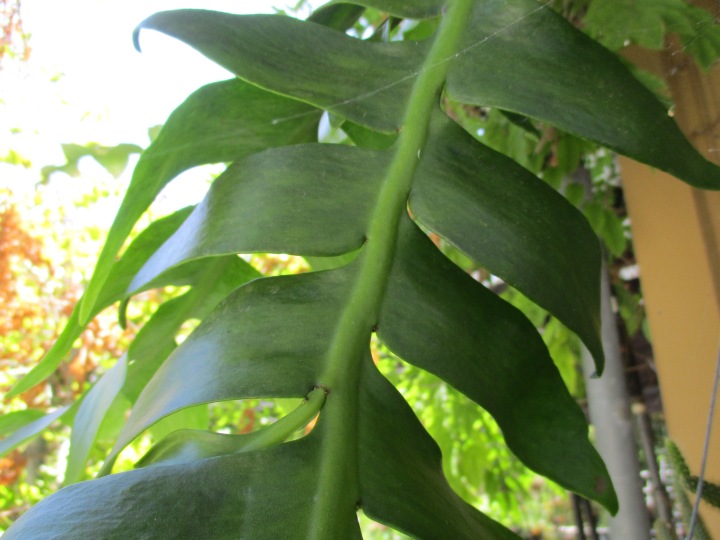 Plants can inhabit nearly every climate on Earth. They live in hot and dry deserts, cold arctic regions, rainforests and just about everywhere in between. Plants seem to have it all figured out. Some even know how to live in our homes as houseplants, although they probably did not plan it that way. Most houseplants are tropical plants that are naturally endemic to tropical ecosystems.
 Flowers do not last forever. Whether they last for only a day, or weeks, they all eventually finish what they were designed to do, and then whither and deteriorate. They only need to stay fresh and appealing to pollinators long enough to get pollinated. After all, that is their only job. The next priority is the development of seed and any associated fruit structures that contain the maturing seed.
 Anyone who has ever owned a cat knows that no one owns a cat. They do whatever they want to do, whenever and however they want to do it. They take orders from no one. If they decide to use a dry spot in the garden as their litterbox, or a tree trunk as their scratching post, it is impossible to dissuade them. They are so smug and arrogant. It is no wonder that so many dogs dislike them.
