 Autumn is for planting; and for good reasons. It is the beginning of dormancy for almost all plants, including evergreens. It precedes cool and rainy weather that inhibits desiccation until new roots are able to disperse sufficiently to sustain new plants. Some plants need to be in the garden in time for winter chill in order to initiate bloom. However, not everything should get planted in autumn.
Winter is the best season for some plants. Many summer blooming bulbs get planted in winter because they are likely to start growing prematurely and get damaged by frost if planted in autumn with spring bulbs. Some perennials that are slightly sensitive to frost may get planted after average frost season so that they can bulk up enough to be more resilient to frost by the following winter.
Besides new plants that are purchased from nurseries to be planted in the garden, there are plants that are already established in the garden that might need to get dug, divided, and then planted back into the garden, or shared with friends and neighbors. Some might need to be transplanted because they are crowded or in the way of something. These present a different set of variables.
Once divided and transplanted, grasses, New Zealand flax, lily-of-the-Nile, African iris and other stoloniferous perennials (that spread by creeping stems known as stolons) are more susceptible to rot than nursery grown plants, because so many of their roots get severed. Even if aggressively pruned while getting divided and transplanted, shrubby plants, like lilac and forsythia, are more susceptible to desiccation than nursery grown plants, simply because they lack sufficient roots.
If divided or transplanted through winter rather than autumn, plants get a few weeks of cool and rainy weather to settle and disperse their roots, but do not have enough time to rot or desiccate before the weather gets warm enough for them to resume growth and recover resiliency. Perennials that get cut back in the process spend less time looking shabby before new growth develops.
 This theme may be getting a bit redundant about now. There is just so much that needs to be done in the garden through winter for what will bloom in spring and summer. We plant new fruit trees, and prune mature ones. When we finish planting spring bulbs, we can start planting summer bulbs. Berries, rhubarb and grapes all get planted. With all this going on, it is also time to prune roses.
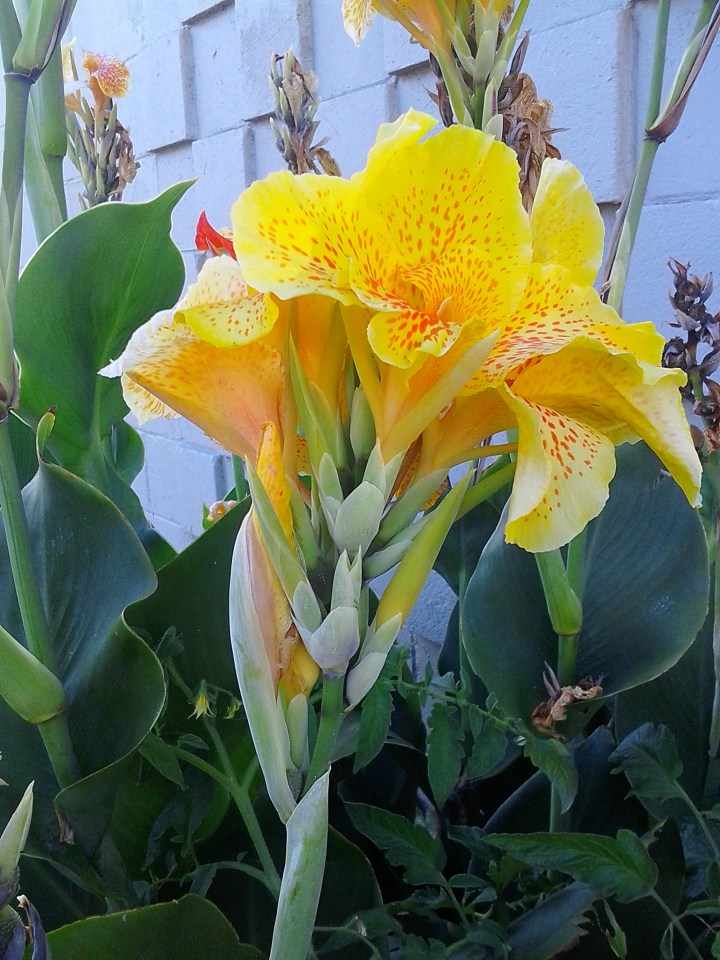 It was easy to forget about spring bulbs after they went into the ground so unceremoniously last autumn. They got buried without so much as proper funerals. Cool season annuals got planted over the grave sites of some, just because bare soil is not much to look at. They stayed silent out in the garden through the cool and rainy winter weather. It might have seemed like the perfect crime.
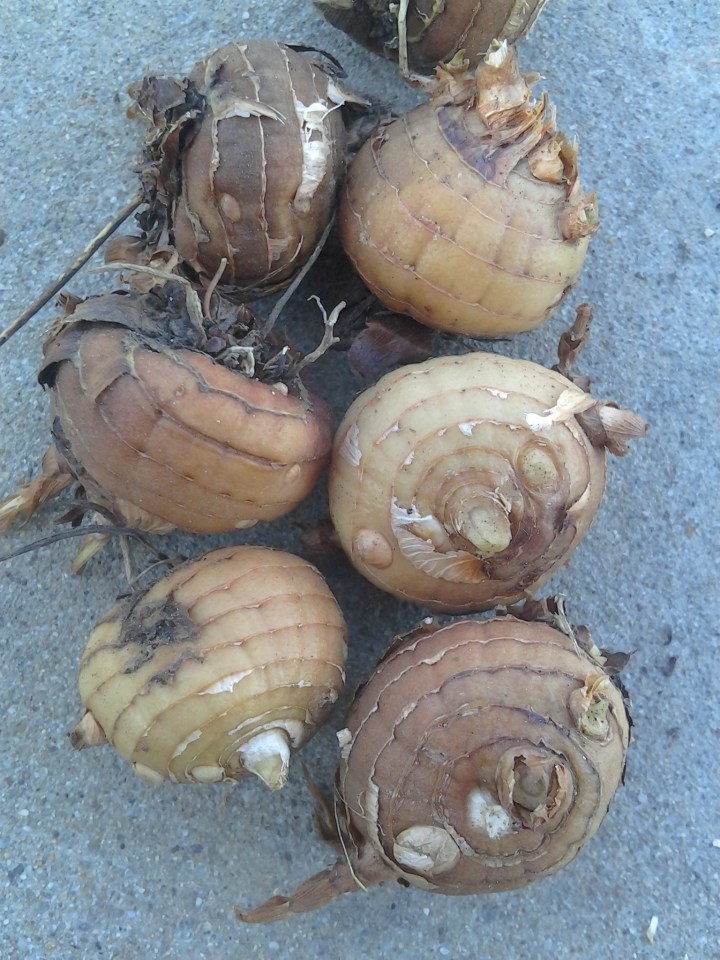 Like a timely sequel, bulbs are back. Spring blooming bulbs were available in nurseries earlier, so that they could get planted and disperse their roots through winter, and get ready for their early bloom. Since then, Christmas trees came and went as they were replaced by bare root stock. Now that bare root stock is selling, summer blooming bulbs are arriving for late winter planting.
 Compared to canned (potted) nursery stock, bare root plants have a few advantages. They are less expensive, easier to handle, more conducive to pruning into a desired form, and they disperse roots and get established more efficiently. One more advantage that is not often considered is that they are easier to install into the garden. For some, it is as simple as poking a stick in the mud.
 Conifers are the most prominent forest trees in North America, but are notably scarce in home gardens. Except for compact varieties of juniper (which were probably too common years ago) and arborvitae, most conifers are trees that get too big for residential gardens, and few adapt to regular pruning that might keep them contained. Almost all are evergreen, so block sunlight in winter.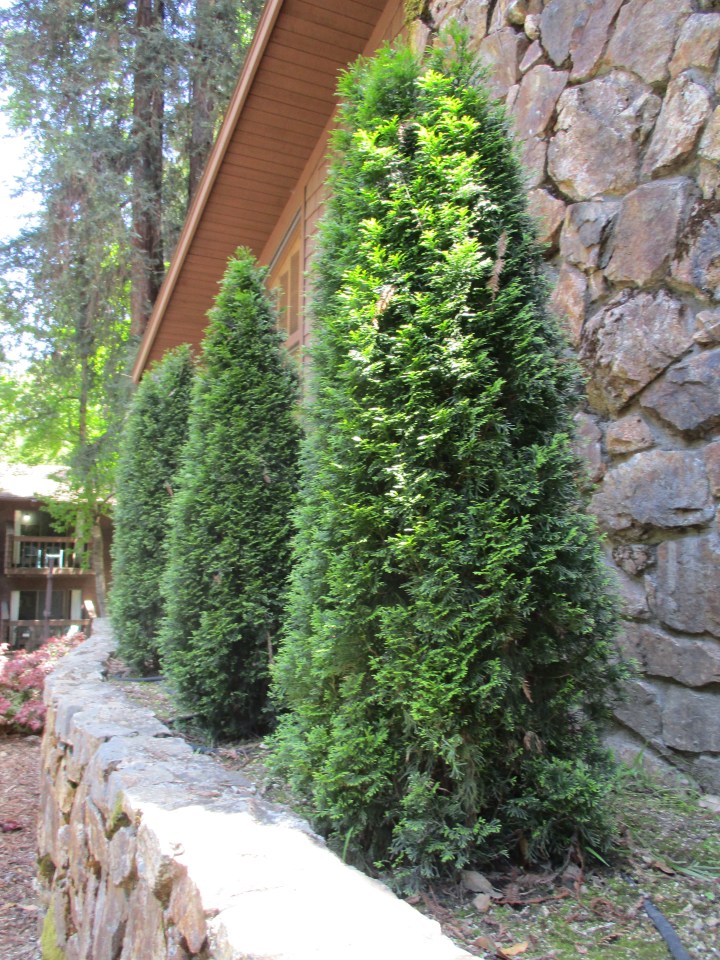
 The vast orchards of the Sacramento and San Joaquin Valleys might make the impression that production of fruit is easy. The trees naturally bloom in spring, and develop fruit over summer, as if they do most of the work prior to harvest. In reality, those trees have been so extensively bred to maximize production that they need, among other maintenance, very specialized pruning in winter.
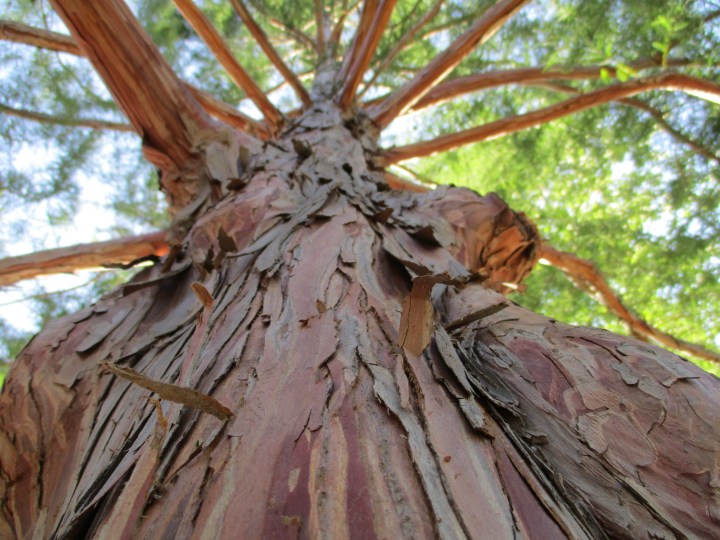 Lemon eucalyptus, ‘Marina’ madrone, cork oak and all sorts of melaleuca trees are known more for their interesting bark than for their foliage or flowers. It helps that their distinctive trunks and branch structures are ideal for displaying their unique bark. Color and texture of bark is remarkably variable, and tends to get noticed more in winter while blooms and foliage are lacking.
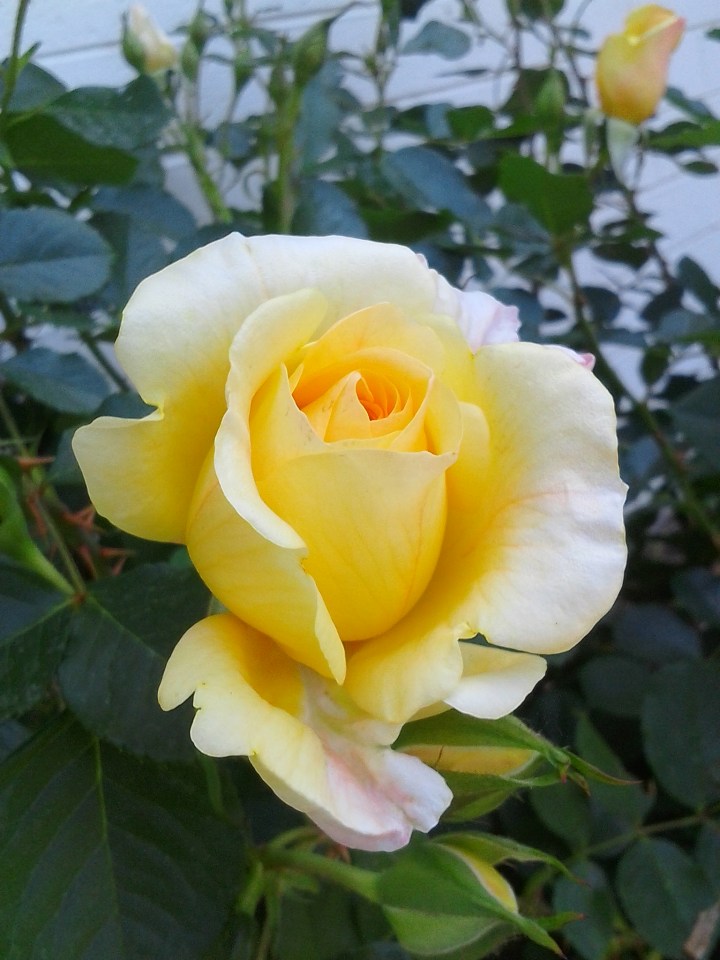 The main problems with roses locally are not related to climate, soil, insects or disease. Warm and semi-arid climates of California happen to be some of the best places in the World for roses. Sure, many roses have problems with insects such as aphid, and diseases such as powdery mildew, but primarily because such pathogens proliferate among roses that are not pruned properly.
 It is no surprise that there are many different types of physicians within the medical industries. Pediatricians, surgeons, cardiologists, dermatologists, and all sorts of ‘doctors’ are all recognized for their particular medical specialty. Yet, almost all horticultural professionals are known simply as gardeners or landscapers, even though many never work directly in gardens or landscapes.
