 A south or west facing fence is a perfect place to grow pole beans. Twine can be strung in a zig-zag pattern between single rows of partly protruding nails along the top and bottom. The spacing of the nails should match that of the pole bean plants. Bean seed sown at the base of the fence germinate and grow quickly. Vines are happy to cling to the string and climb to the top of the fence.
Alas, it is temporary. Pole beans are annuals. They start to grow now, produce all summer, and then yellow and ultimately die by autumn, leaving the fence bare again. If the technique is repeated in the same spot with the same sort of pole beans the following spring and summer, the plants could be noticeably less vigorous. Repeating if for a third season could be downright disappointing.
It is best to grow beans in a different location every year if possible. After a few years, they can return to the same fence. Until then, tall plants, like caged tomatoes or corn, can be cycled through the area in front of the fence. Tomatoes and corn also perform better if not grown in the same spots for more than one season at a time. This process of cycling crops is known as ‘crop rotation’.
Soil borne pathogens proliferate along with the host plants that sustain them. Such pathogens may not be a noticeable problem in the first year while they get established. However, they are likely to be established and ready to infest the same sorts of host plants more aggressively in a subsequent season. Crop rotation of the host plants to cleaner locations annually interrupts this process.
In local soils, crop rotation is likely more important to compensate for nutrient depletion. Tomatoes are greedy with particular nutrients that other vegetable plants may not need in such quantities. The same applies to other vegetable plants. Tomatoes planted where other tomatoes grew last year may notice a lack of the nutrients that they crave the most of. However, zucchini may not miss what the tomatoes of last year took. Conversely, tomatoes may not notice what may be lacking where zucchini or other vegetables grew last year.
 Palm trunks grow in only one direction; upward, toward sunlight and away from gravity. Each trunk is equipped with only a single terminal bud. If that bud encounters an obstacle, it can not be pruned around it. Palm trunks that get get too close to high voltage cables, or that might sway too close with a breeze, must therefore be removed to maintain minimal clearance from the cables.
 Every year at about this time, there is the same concern that it is too early to put summer or warm season vegetables into the garden. When the time comes, replacing warm season vegetables with winter or cool season vegetables will also seem to be too early. Nonetheless, it is best to start the transition early so the garden will be ready for production as the weather warms into spring.
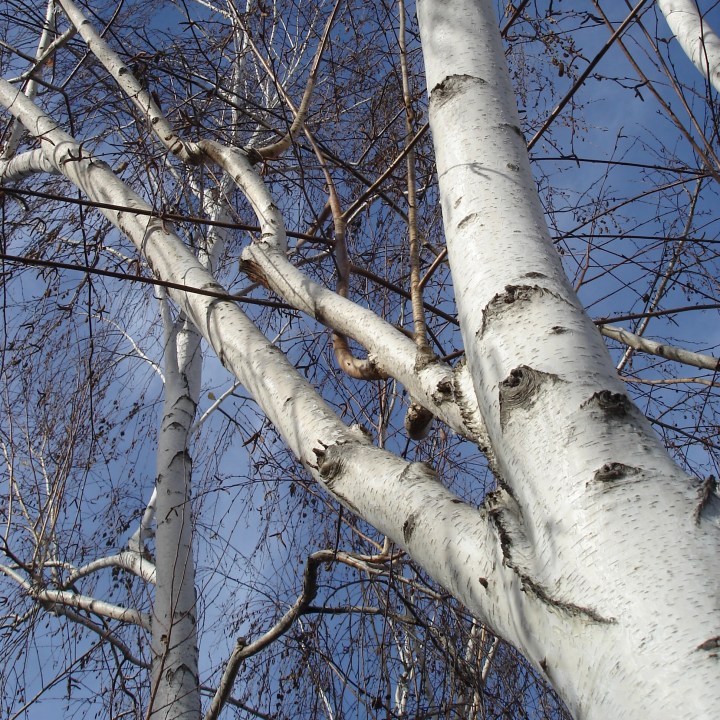 Landscapes appeal to our senses. The colors and textures of blooms and foliage are visually appealing. Floral fragrance and foliar aroma appeal to the sense of smell. Fruits and vegetables can provide flavor. Wind chimes, fountains and birds visiting bird feeders might add a bit of delightful sound and motion. Yet, the motion of certain plants in the breeze is rarely considered.
 There may not be exceptions to every rule, but there are a few exceptions to the rule that winter is the best time for pruning. It is generally true that most plants are the most dormant through the coolest part of winter. It is also true that while they are the most dormant, most plants are less sensitive to pruning, as well as other horticultural techniques that interfere with their normal function.
 Nomenclature is a standardized technology of naming. It dictates the universal ‘botanical’ names of all plants, so that everyone everywhere can communicate more efficiently about horticulture. Botanical names might seem confusing, and maybe even unflattering, but they eliminate the confusion associated with regional common names that are as variable as languages and cultures.
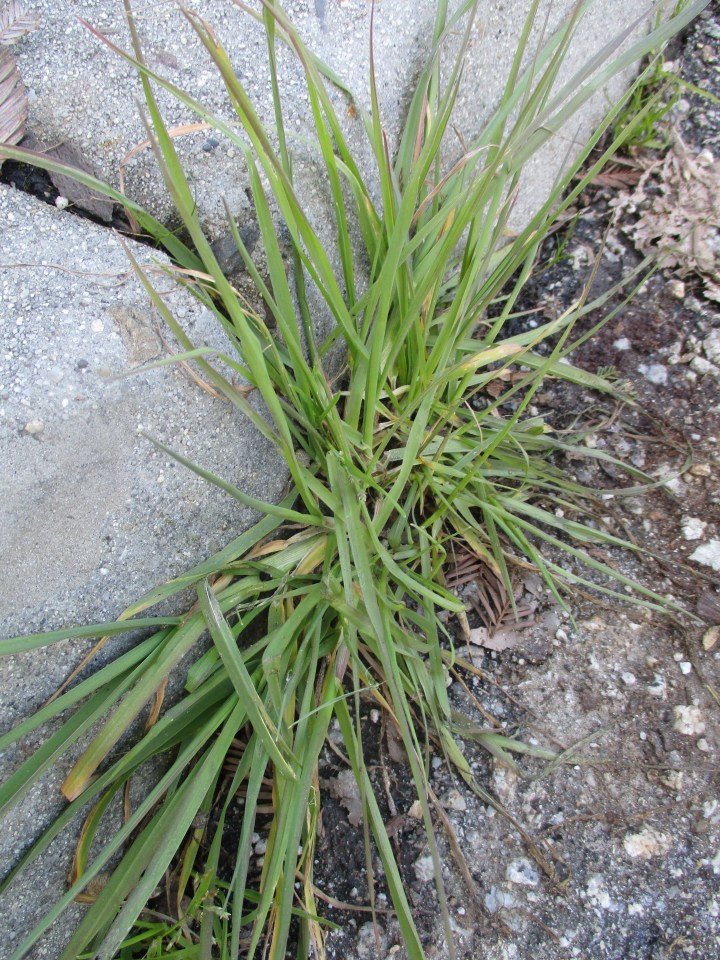 Not many of our favorite plants grow like weeds. We must help most of them along, and give them what they want. A few might naturalize and perform well on their own, but if they do too well and become aggressive or invasive, they too become known as weeds. Although we might prefer some of our favorites to be easier to grow, we are probably fortunate that more do not do too well.
 Properly pruned deciduous fruit trees probably do not have too many extra stems to spare now. Neglected trees would have more to offer. Believe it or not, a few of us who prune deciduous fruit trees diligently and meticulously in winter sometimes leave a few unwanted stems to prune out and take into the home now that the flower buds are beginning to swell and are about to bloom.
 There is no shortage of color for the garden here in our mild climates. If we want to, we can grow various flowers to bloom at various times throughout the year. If that is not enough, we can grow plenty of colorful foliage too. Evergreen sorts can stay fresh and resilient to minor frost all winter. A few deciduous plants and warm season perennials with colorful foliage will refoliate in spring.
 Climate is what makes gardening so excellent here. It is just warm enough in summer for plants that like a bit of heat, but not too unbearably hot for too long. It is just cool enough in winter for plants that like a chill, but not cold enough for hard frost or heavy snow. The climate is also comfortable for us while out in the garden! Yet, even local climate is neither perfect nor predictable.
