 They were not always houseplants. They came from somewhere else. Most came from shady tropical forests, which is why they have such big dark green leaves, and are so tolerant of shady home interiors. They are pretty good sports about tolerating the domestic lifestyles that we subject them to, but they would really prefer to be thousands of miles away, growing wild back home.
Home interiors lack the sort of weather that the natural environments of houseplants get. The majority of houseplants would prefer rain, humidity, occasional breezes and perhaps more warmth. Some succulents may not miss the rain, but might crave heat and more sunlight. Regardless of what houseplants want, that can not get all of it in the comfort of our homes. They want to get out!
Unfortunately, that is not an option. Plants that have adapted to the relative darkness and protection from (shortwave or SUV) ultraviolet light in the home would roast if suddenly exposed to direct sunlight. (Windows block SUV light.) They would get battered by wind and damaged or killed by frost in winter. Those that become outdoor plants should be transitioned slowly and methodically.
However, there are a few times a year when the weather is not expected to get too cold, hot or windy, when houseplants can come out to the garden to get very lightly rinsed with a hose. Taking them out immediately prior to a light rain is even better. Rain is gentler and more sustained than a brief and coarse hose rinsing. Both techniques rinse away dust and residue from insect activity.
Rinsing does not eliminate mite, scale or mealybug infestations, but temporarily eliminates the residue from such infestations, and somewhat disrupts their activity. Mites prefer dusty plants to clean ones. While plant are outside, it would be a good time for any necessary repotting, or to apply horticultural oil to control mites or scale. Mineral deposits can also be scrubbed from saucers and the bottoms of pots. If hosed during sunny weather, houseplants should be shaded by a larger tree or awning.
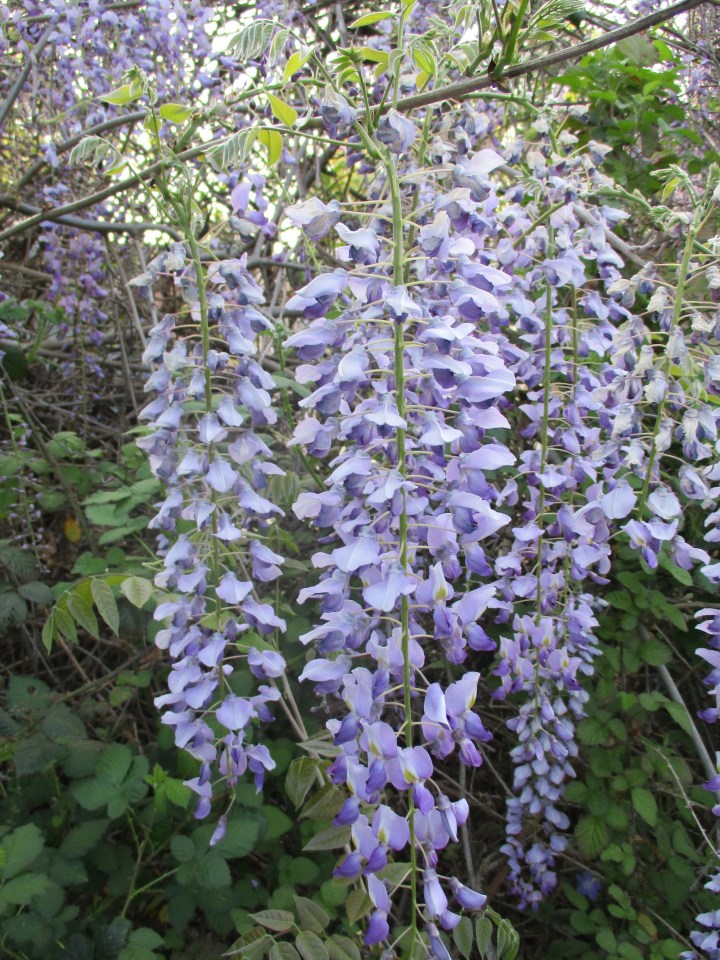 It is easy to see why there are optimum times to prune, and just as easy to see when pruning should not be done. Generally, deciduous plants prefer to get pruned while dormant and bare. They should not be pruned when actively blooming or making new foliage. Roots are of course not so easy to see. Do we really know what they are doing, or what sort of mischief they are getting into?
 There is no doubt that frost will return next autumn. It does that every year. Right now, we are more concerned that is should not return prior to that. It is now safe to plant plants that are sensitive to frost. Even if the weather were to somehow get cold enough to necessitate protection of frost sensitive plants, it will not be severely cold, and it will not last long. It is best to start now than to delay.
 They are weeds for a reason. They grow like . . . well, weeds! By definition, they are unwanted. Yet, they typically proliferate and grow faster than desirable plants. They aggressively compete for space, sunlight and resources. Many weeds start to grow through winter, and get established while other seedlings are just beginning to germinate, or other plants are just waking from dormancy.
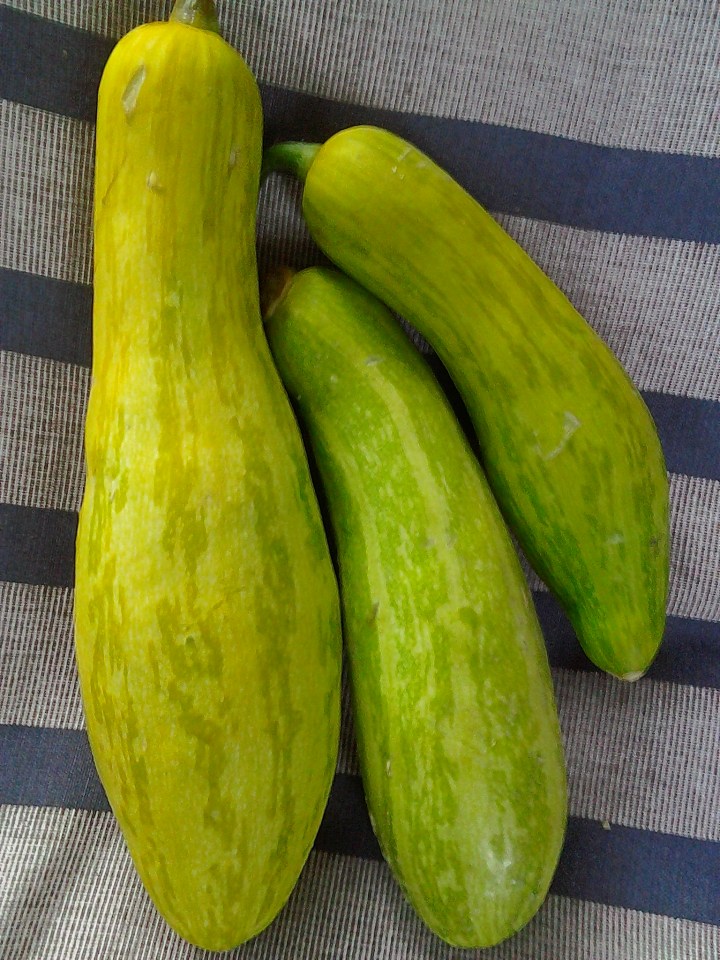 The calendar does not always agree with the weather. It really is about time to start replacing aging cool season vegetable plants with fresh new warm season vegetable plants. Earlier warm and dry weather had suggested that it was getting late. More recent frosty weather followed by rain suggested otherwise. Regardless, there is no point in arguing with what the calendar determines.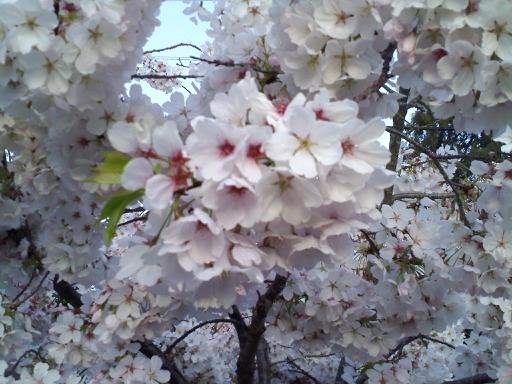
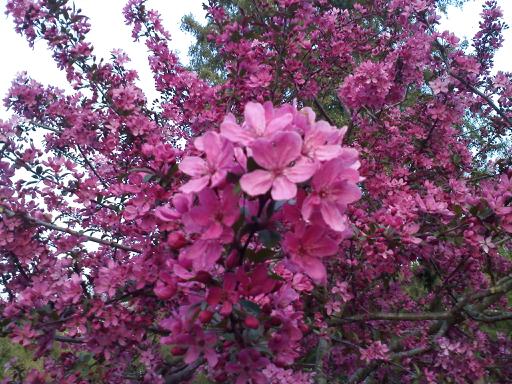
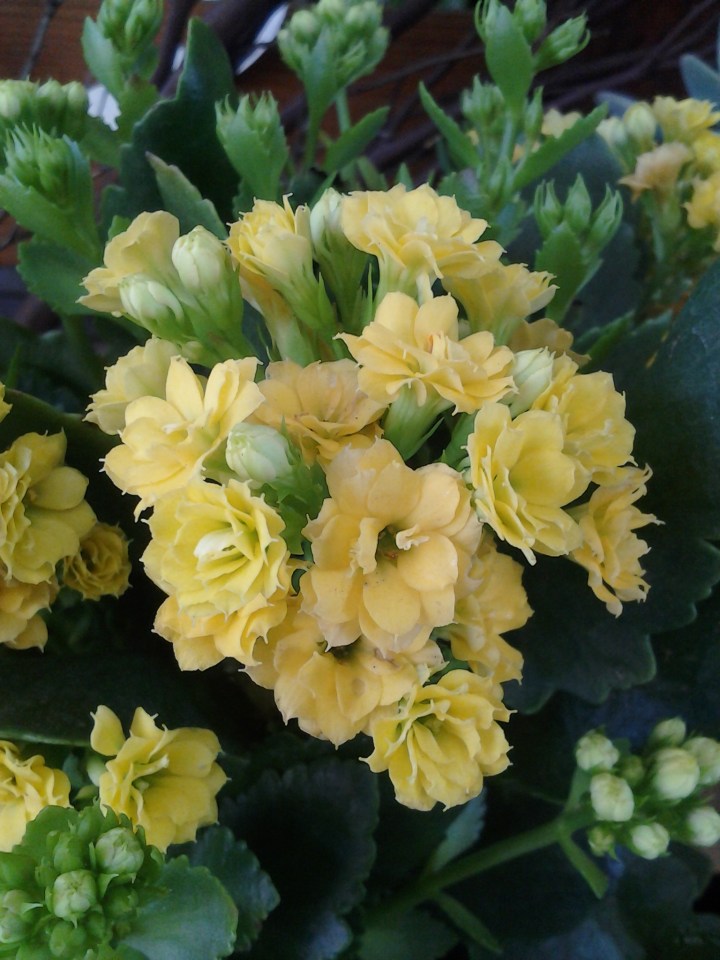 It seems like such a waste that so many of the prettiest blooming plants are generally regarded as temporary. They are grown in the most synthetic of environments, forced into bloom, sold at their prime, and kept as potted plants just long enough to finish their bloom cycle. When their bloom deteriorates, they typically get discarded, or planted out into the garden where they rarely survive.
 Watering has not been much of a concern lately. All the rain has kept our gardens too wet to work in. Some of us have been more concerned with erosion caused by runoff. Automated irrigation systems are probably disabled until the rain stops. Soil can drain somewhat between rain, but will not really dry out until the weather gets warm again. Dormant plants do not draw much moisture.
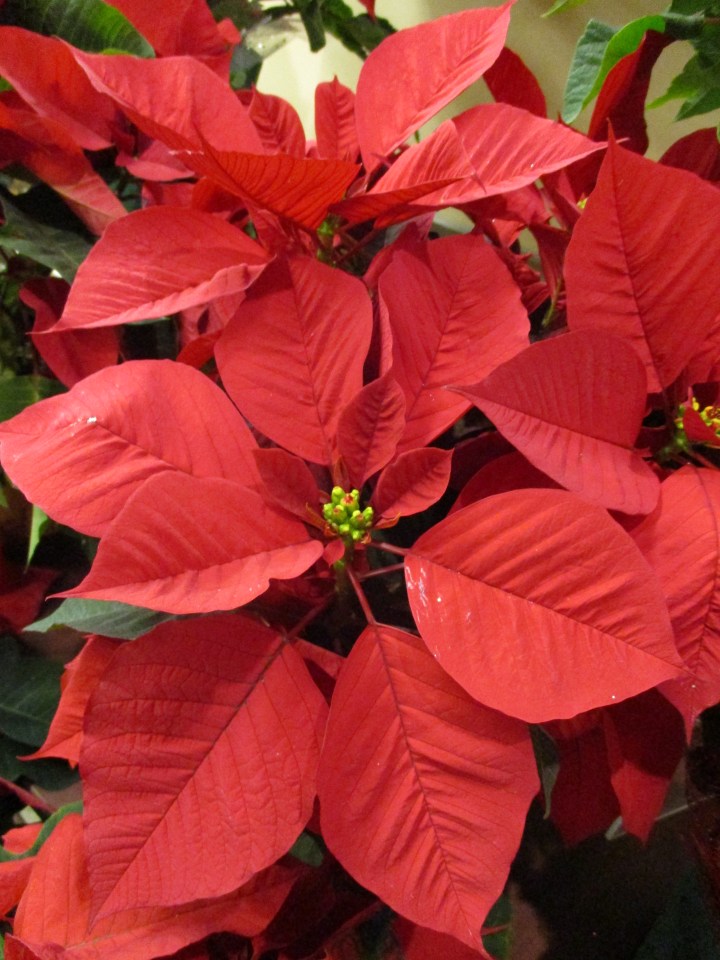 Many of us already understand that daisies, sunflowers, asters and all related flowers are composite flowers, which bloom as many tiny flowers clustered tightly together to form what appears to be significantly larger single flowers. Distended ‘ray’ florets around the edges imitate petals that other types of flowers are equipped with. It is like one stop shopping for pollinators craving nectar.
 This is getting to be cliché. “While they are dormant through winter”, plants tolerate all sorts of abuse that would offend them at any other time of year. It applies to planting bulbs and bare root plants. It also works for pruning deciduous fruit trees and roses. It is a predictable seasonal pattern. Most winter gardening is contingent on dormancy. Processing potted plants is no exception.
 Tony Tomeo