
Sunday Best – Photobomb
The unseasonably relocated roses that I had been so concerned about for the past month or so continue to surprise with more growth and bloom. So do a few other species. These first three happen to be from Tangly Cottage Gardening. The following two happen to be white. The last happens to not be of horticultural orientation.
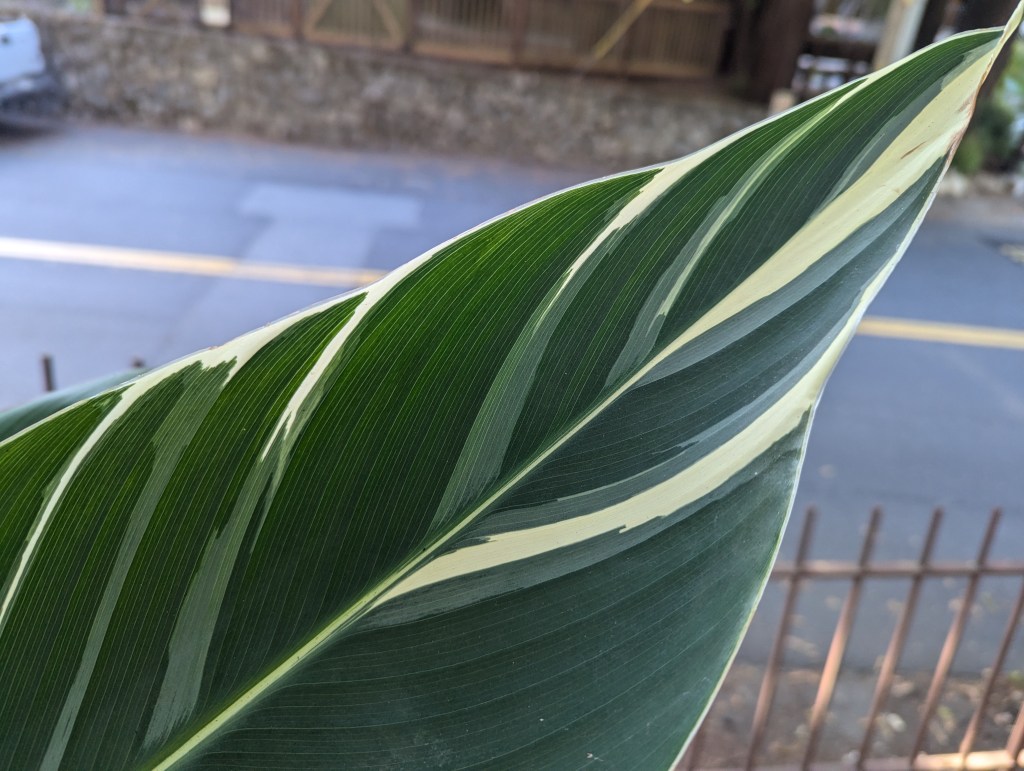
1. Canna ‘Stuttgart’, along with a few other fancy potted Canna, unfortunately needed to be relocated from the deck that they inhabited at work. However, it seems to be happier after relocation, and makes larger and more ornate leaves, which is what it is grown for.
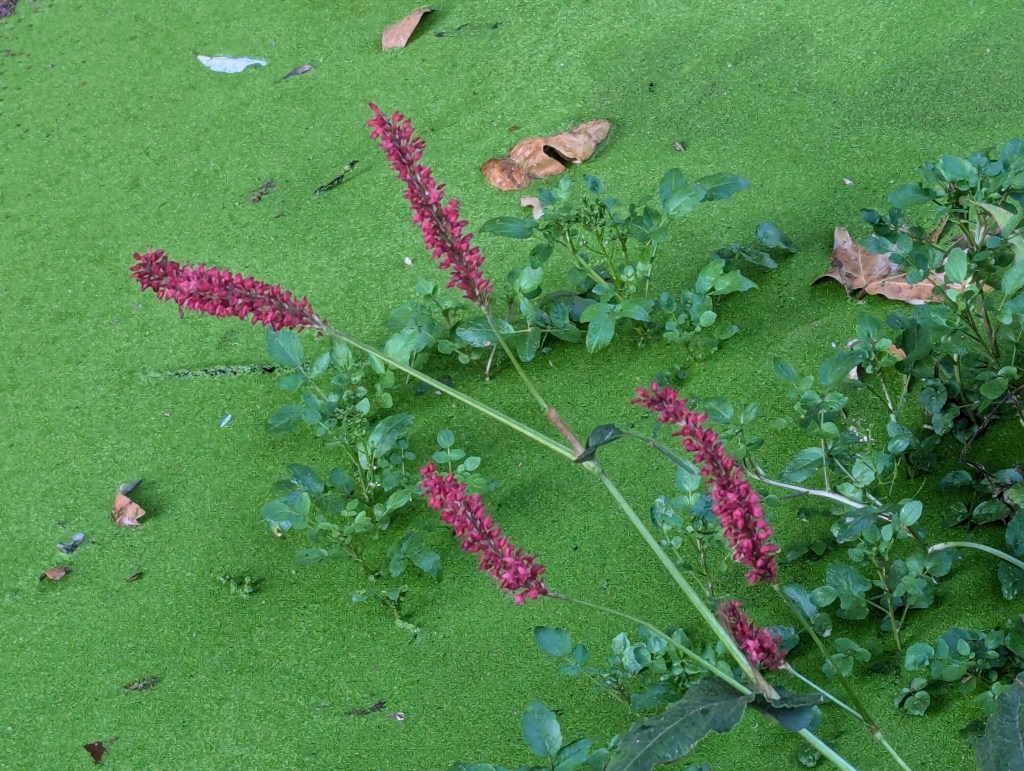
2. Persicaria amplexicaulis ‘Firetail’ bloomed lightly but on time for early summer, and then bloomed again before the original bloom faded completely. The secondary bloom is only now fading, with a backdrop of duckweed and watercress. (This is an older picture.)
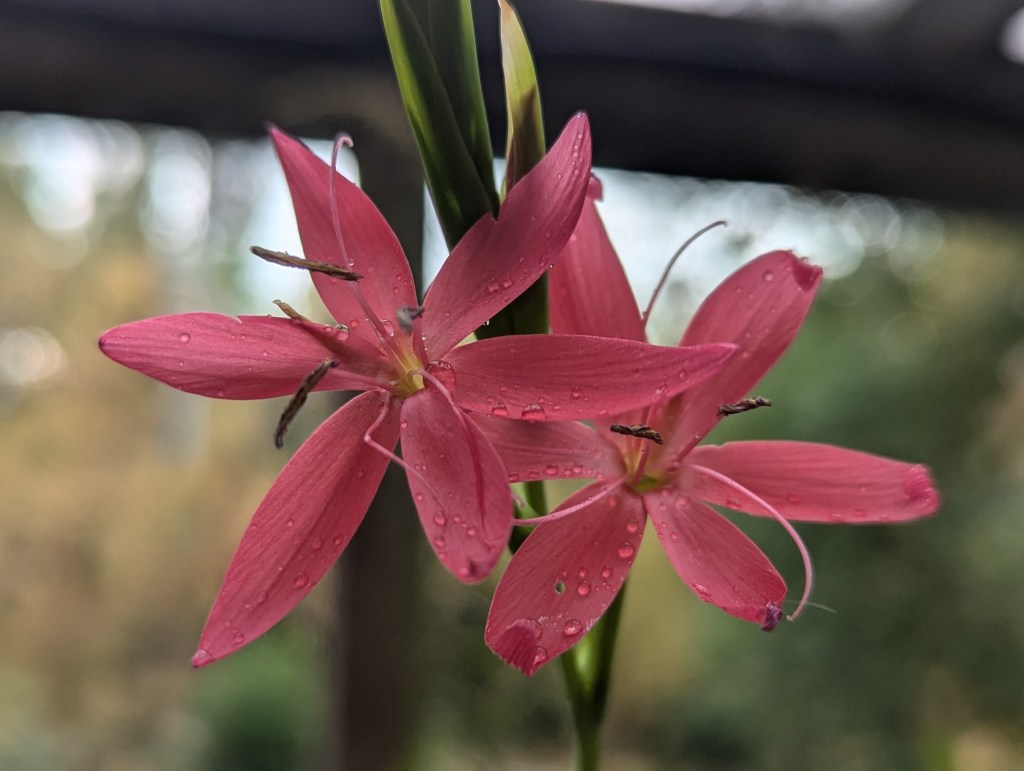
3. Hesperantha coccinea, crimson river lily was not expected to bloom because it was so dinky when it arrived late last winter. I thought that its bulbs would need to mature for a year or so before they would be mature enough to bloom. Apparently, it wastes no time.
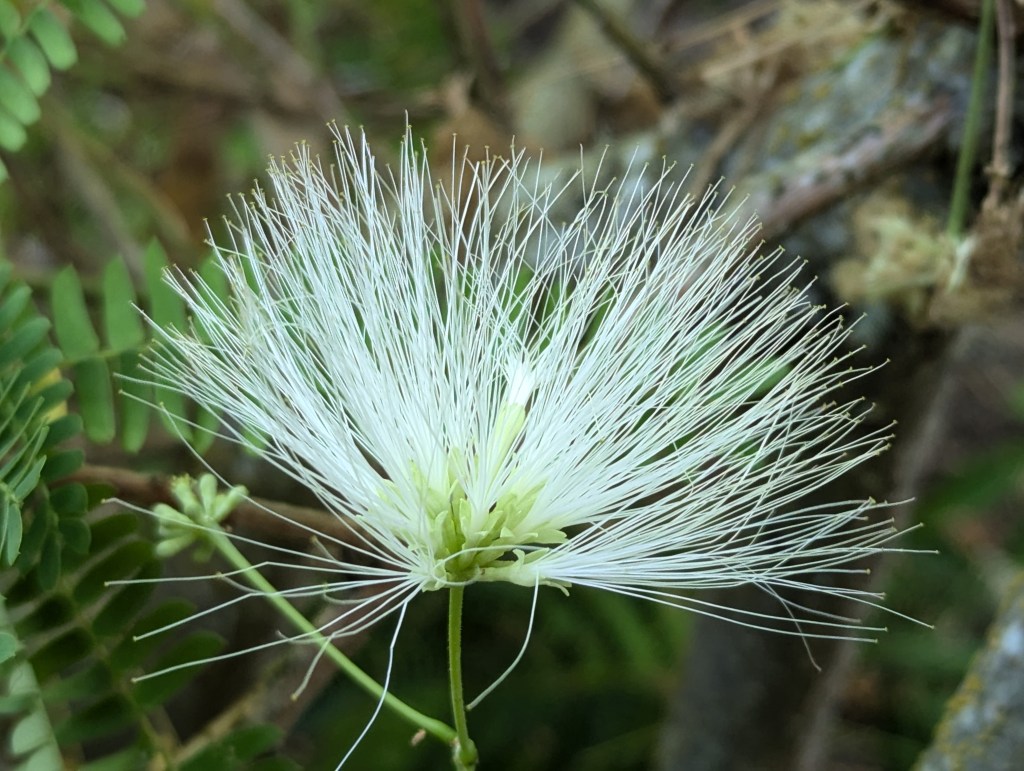
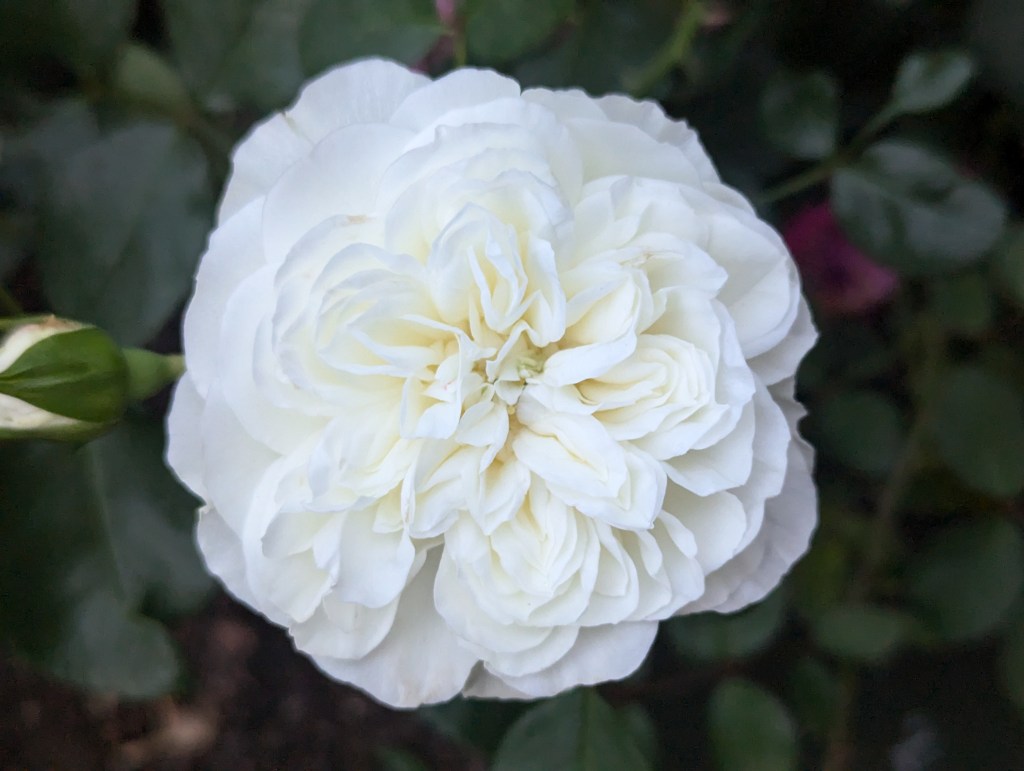
4. Albizia julibrissin, silk tree blooms white instead of pink, although, because it blooms on top of its high canopy, not much of it is visible from the ground. It finished blooming already, but some minor pruning recently revealed a few of these aberrant white flowers.
5. Rosa spp., rose is another of the few roses that were not expected to bloom after their unseasonable relocation. It seems to be a climbing type, with long and limber stems, and trusses of small flowers. I am impressed that it not only survived, but is growing so well.
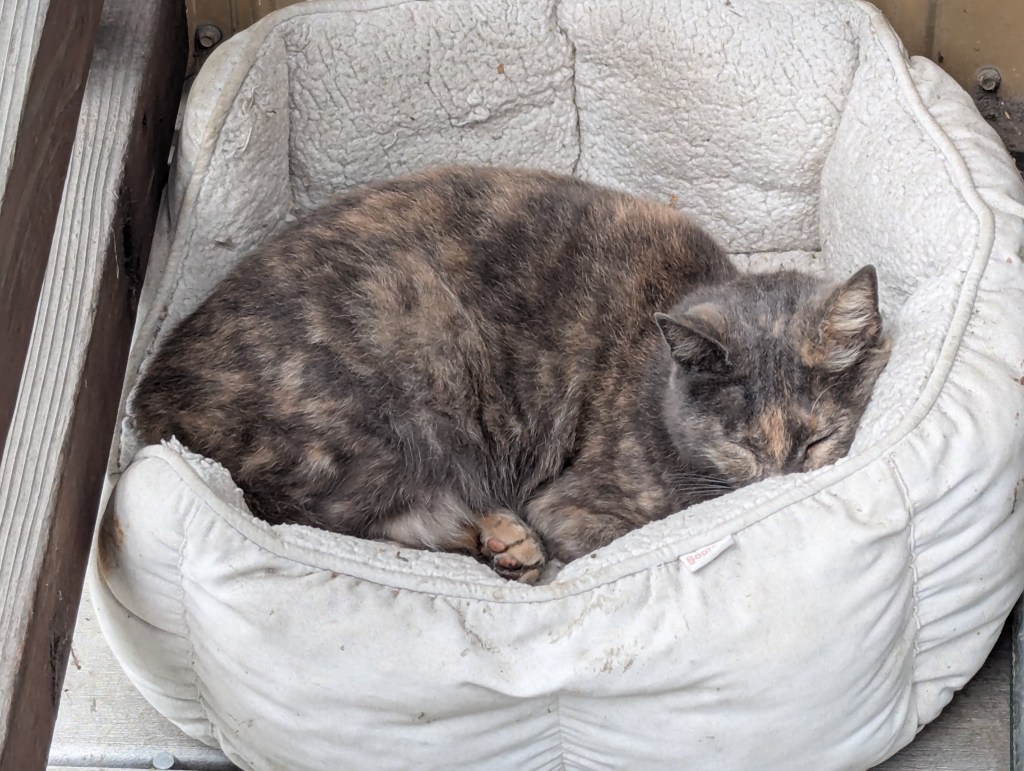
6. Heather fails to be as impressed by these developments that I find to be so surprising.
This is the link for Six on Saturday, for anyone else who would like to participate: https://thepropagatorblog.wordpress.com/2017/09/18/six-on-saturday-a-participant-guide/
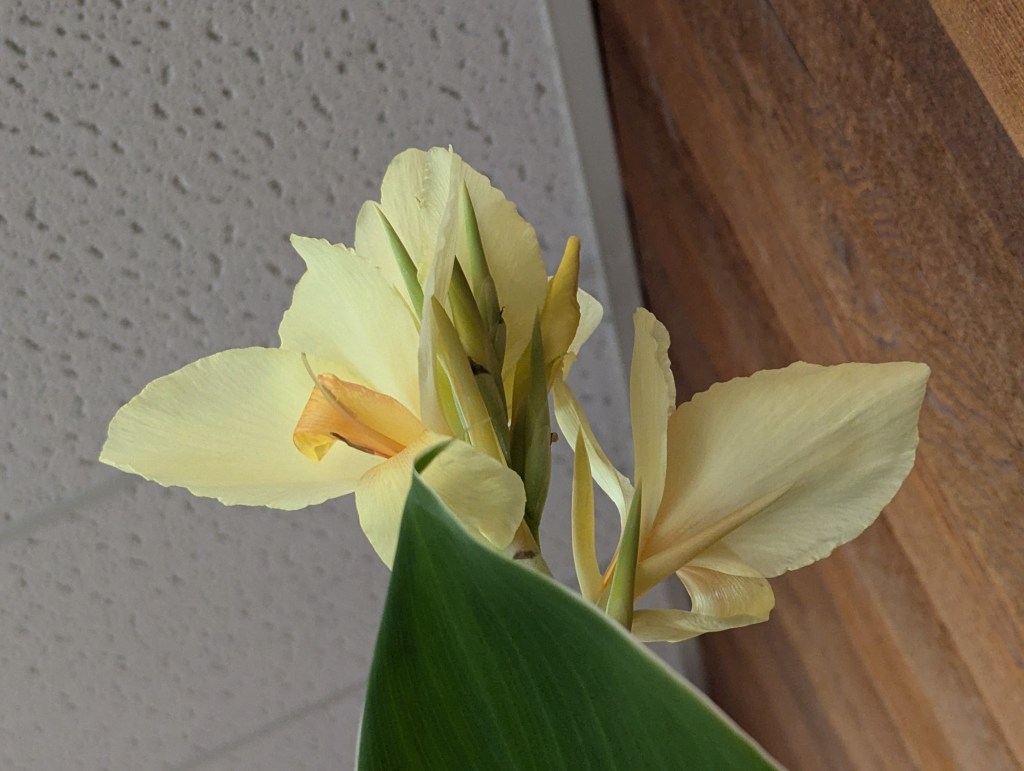
Just about everything in my garden has history in someone else’s garden. Almost nothing came from a nursery. I like to say that purchases are against the rules. However, I did purchase ‘Alaska’ Canna from Horn Canna Farm because I want to grow a white canna. I am over the shame already, and am very fond of this first white canna that I have seen since I was very young. As you can see, it is not very white, and is more of a creamy white or vanilla white. Actually, it is very pale yellow. It is presently growing as a houseplant in one of the buildings at work, which might have enhanced the pale yellow color of its bloom. I believe that it would have been whiter out in the weather. It is already growing quite nicely, so will need to move out into a landscape with all the other Canna for next year. I doubt that it will be as popular as the other brightly colored Canna, but a few who see it in bloom might recognize how rare creamy white Canna are now. I think that ‘Alaska’ would contrast splendidly with the dark bronze foliage of ‘Australia’.
As mentioned last week, I got pictures of the roses that were in bud at the time, in bloom now. It will be autumn on Monday, though, and cool season annuals are replacing warm season annuals.
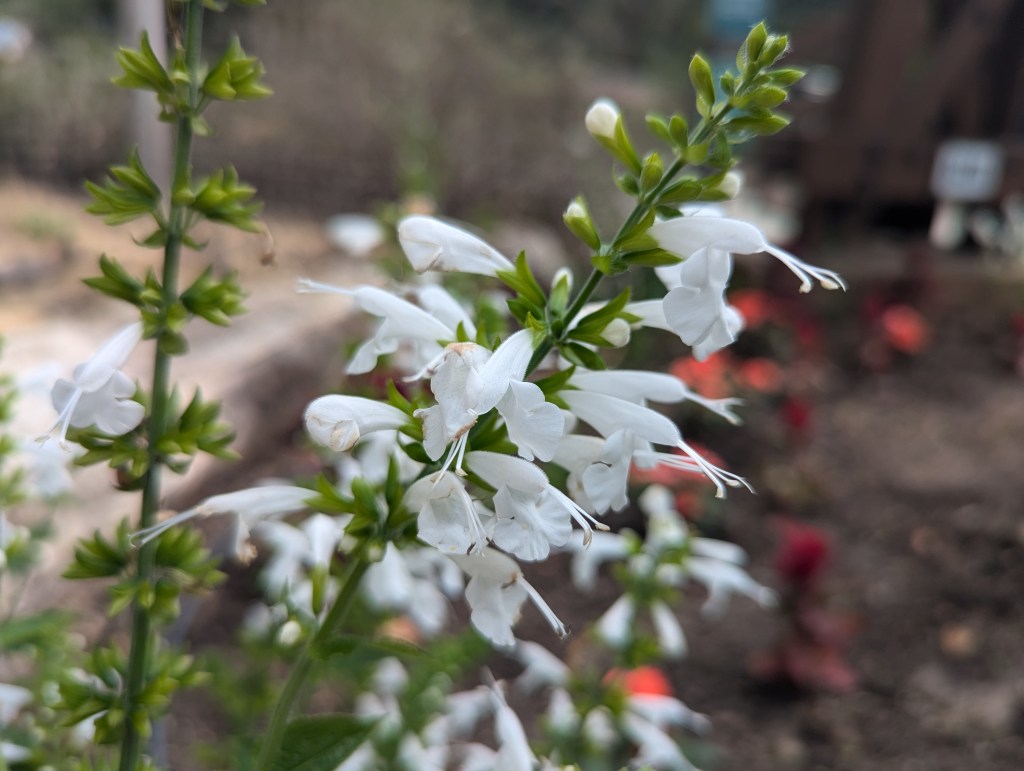
1. Unidentified Salvia was added to one of the landscapes by someone who was here for the summer, just prior to his departure. Now, I have no idea what it is. I could ask, but I feel that I should recognize it, or at least be able to identify it. I like its pure white bloom.
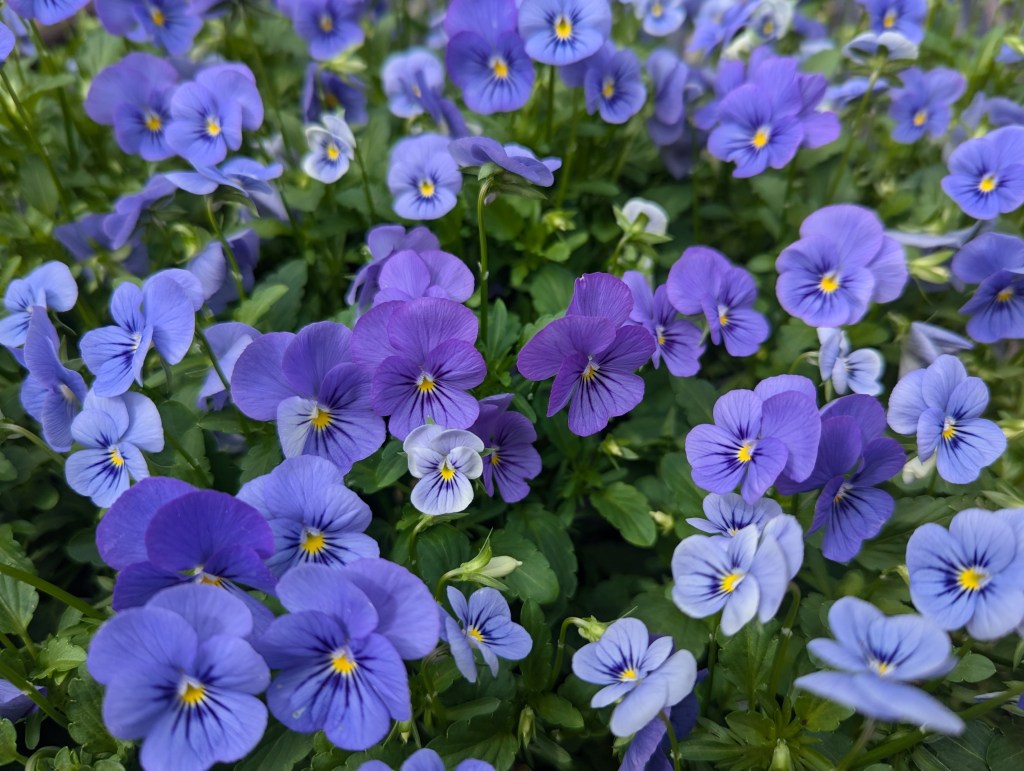
2. Viola is now in season, whether or not it seems as if it should be. We must rely on the date as much as the weather. While the weather suggests that it is still summer, the date insists that Monday will be autumn. These viola will be safe with several days of warmth.
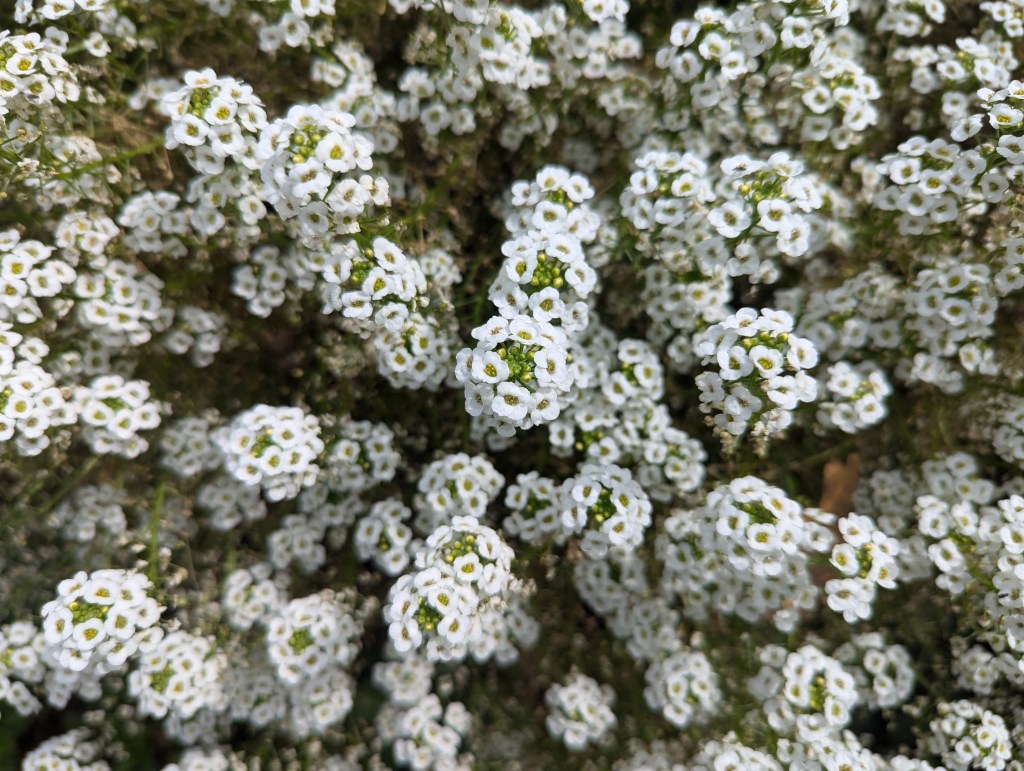
3. Lobularia maritima, alyssum makes the transition from warm season annuals to cool season annuals difficult. It is still too pretty to remove. Technically, it could perform as a short term perennial until individual plants get too old. By that time, it can reseed itself.
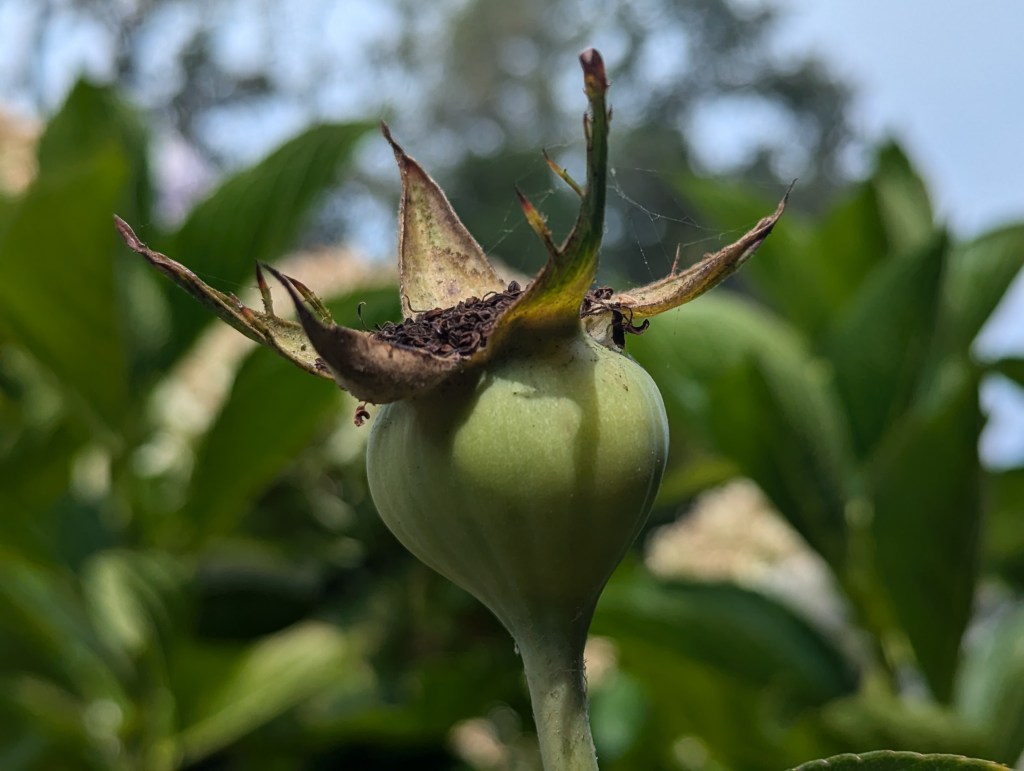
4. Rosa spp. of an unidentified cultivar produced a few notably plump rose hips like this to remind me that I have been negligent with deadheading. Now that subsequent bloom is unlikely, I could leave them to ripen. However, the new roses are continuing to bloom.
5. Rosa ‘Sheer Magic’ rose is one of the new roses that surprisingly bloomed after brutal and unseasonable relocation. This is the same flower that I posted a picture of while still in bud last week. A few more floral buds continue to develop but will lack time to bloom.
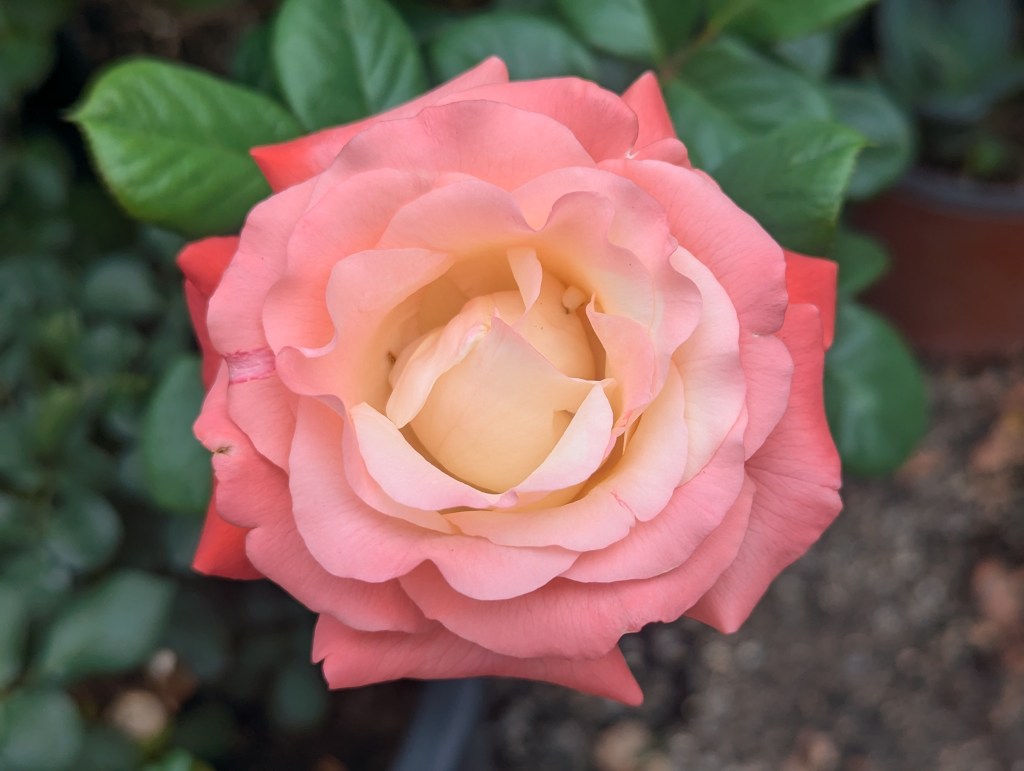
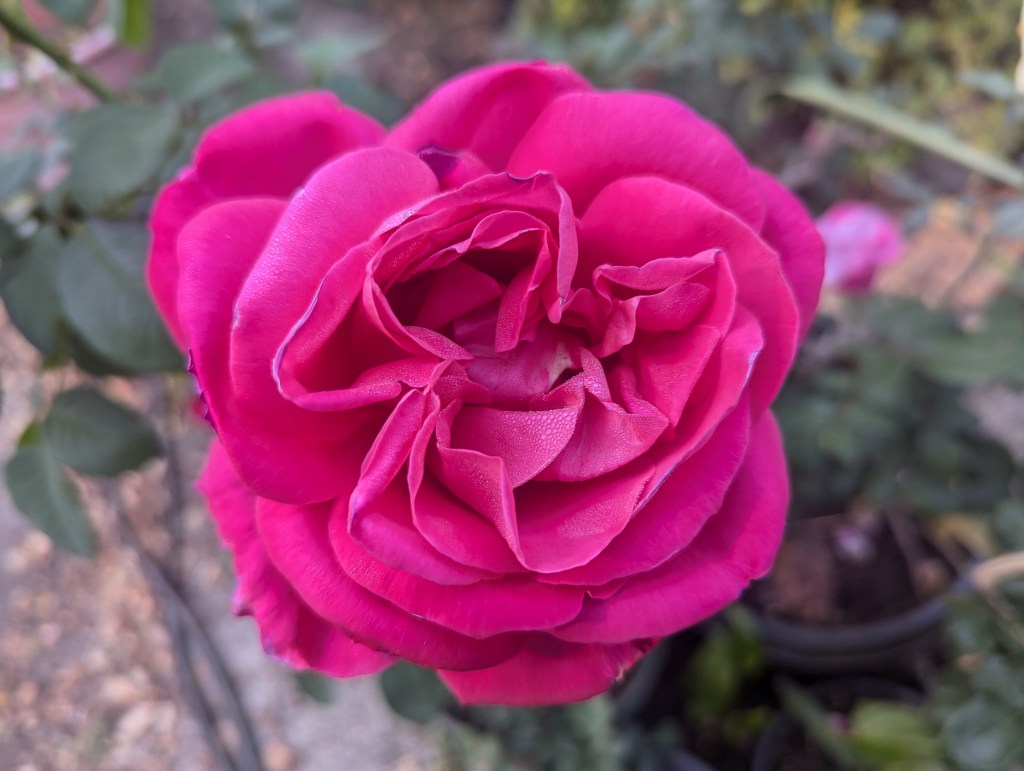
6. Rosa spp. of an unidentified cultivar is another of the new roses. This is also the same flower that I posted a picture of while still in bud last week. I have reason to believe that this rose is ‘Chrysler Imperial’, which should be red, but very often blooms reddish pink.
This is the link for Six on Saturday, for anyone else who would like to participate: https://thepropagatorblog.wordpress.com/2017/09/18/six-on-saturday-a-participant-guide/

The industrial shop buildings at work are not exactly visually appealing. Fortunately, they are partially obscured from the roads outside by wild forest trees within the adjacent Zayante Creek and a roadside ditch. One road is on the opposite side of Zayante Creek. The other is on the opposite side of the roadside ditch that is perpendicular to Zayante Creek. Their intersection with associated traffic signals is therefore right outside. I added five Arizona cypress trees to the forested area of the roadside ditch, and three Monterey cypress to the forested area of Zayante Creek, to obscure the buildings more in the future. Unfortunately, though, some of the trees beyond needed to be removed for renovations of a major water main for Santa Cruz. One was a mature Monterey cypress between one of the shop buildings and the intersection of the two roads outside. Not only did this reveal the view of the backside of the building from the roads and intersection, but it revealed the view of the intersection from the few windows of the building. Now, from where I do much of my writing, I can see this traffic signal monotonously change from green to yellow to red.
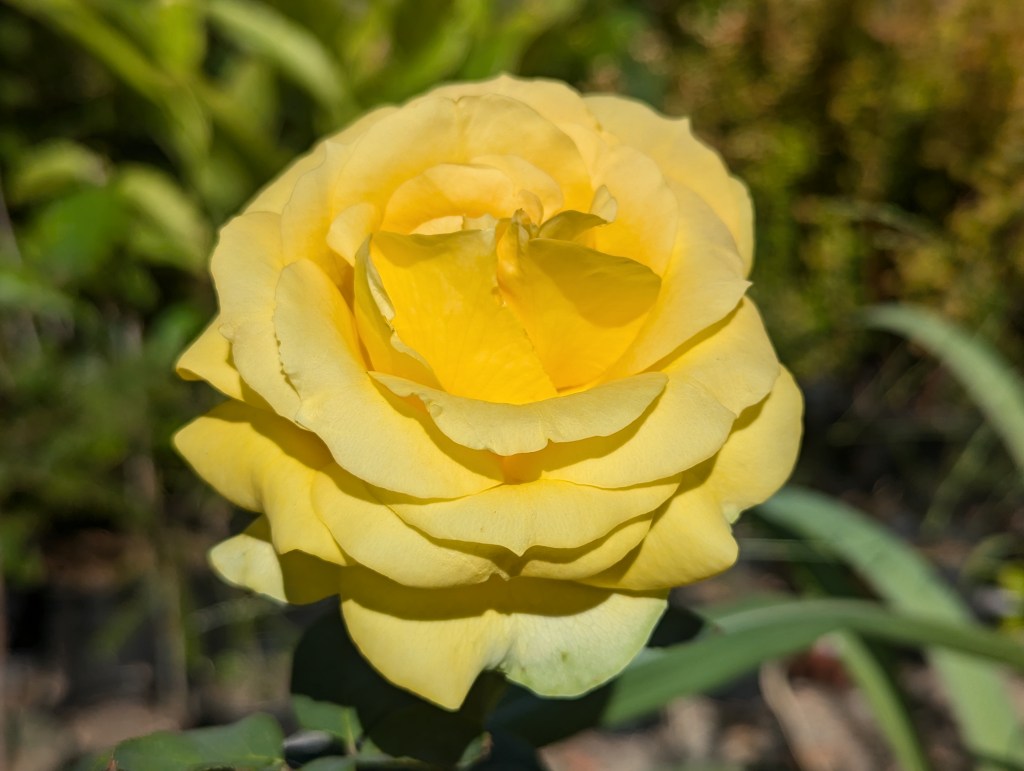
Again, it makes sense at the end.
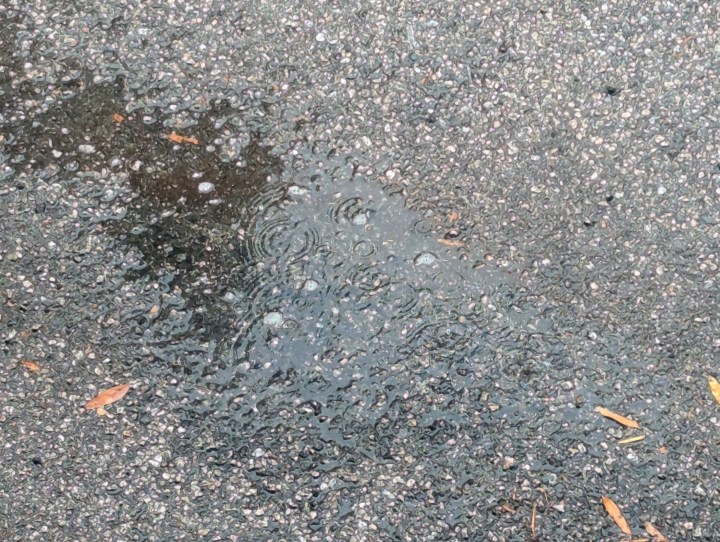
1. Rain dampened the landscapes for the first time since last spring. It was not much and did not last for long, but was fun while it lasted. Actually, it was barely more than drizzle and made only a few tiny and grungy puddles. Pavement had not been rinsed in months.
2. Agapanthus orientalis, lily of the Nile confirms the end of summer by finishing bloom and necessitating deadheading. One last bloom looks silly and lonely at the center of this big colony. It may be cheap and common, but lily of the Nile happily blooms for months.
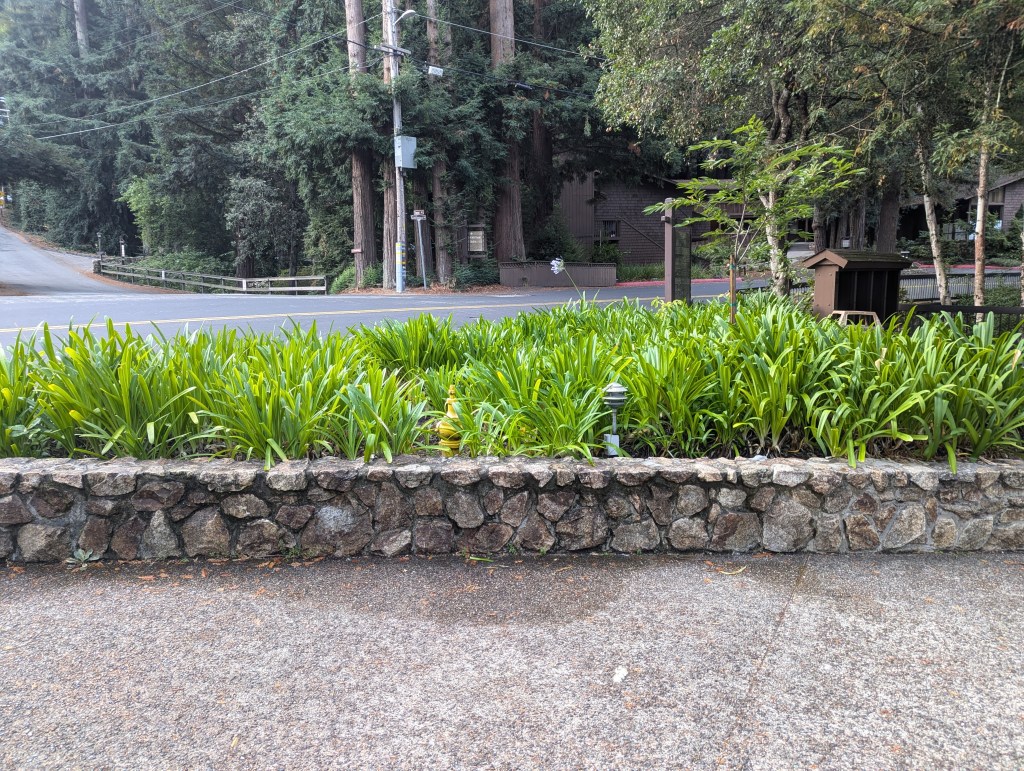
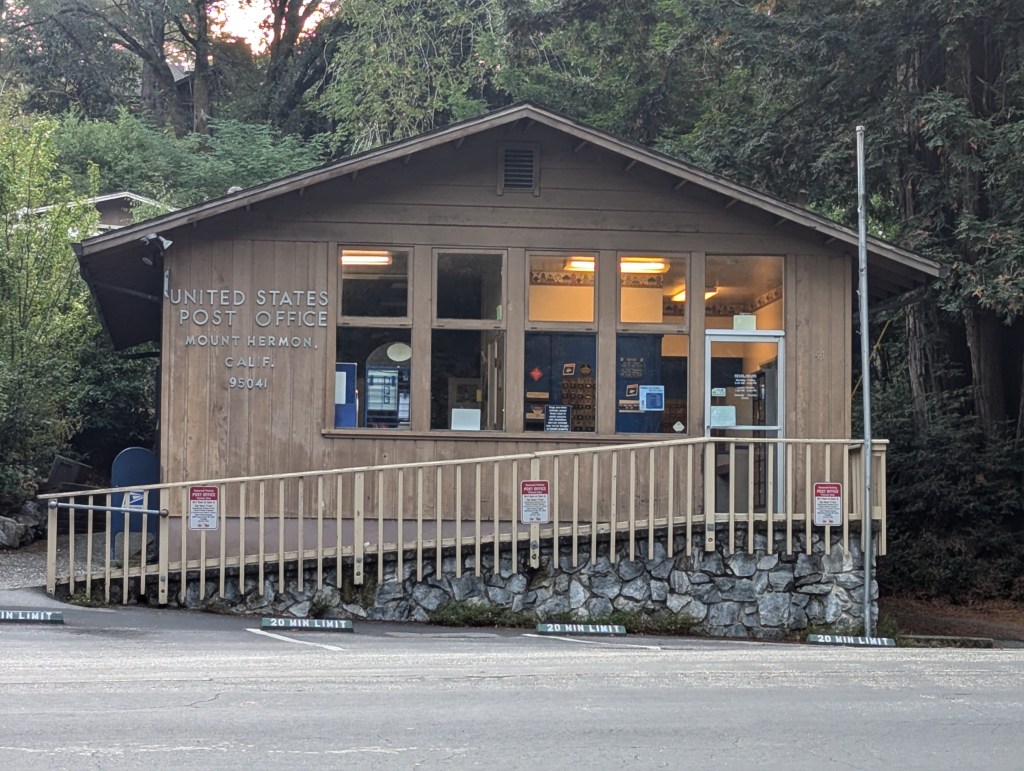
3. Pelargonium X hortorum, zonal geranium has left the building. The Post Office looks better without its shabby planter boxes that were so predictably bashed by parking cars. Some believe that we must replace them with other prominent potted plants. I disagree.
4. Rosa ‘Sheer Magic’ rose was actually labeled as such. I misidentified another rose that was blooming last week as such because I thought that it looked about right. I found the label afterward. This is the only one of four recycled roses that retained its original label.
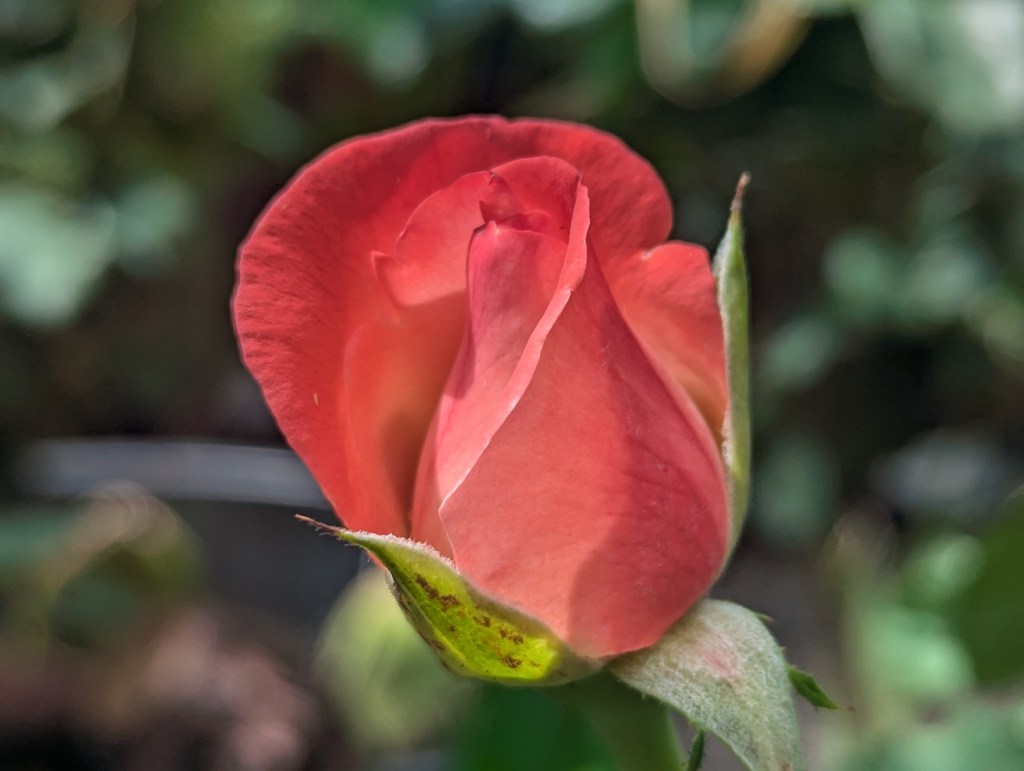
5. Rosa, rose is one of the other three recycled roses that did not retain its original label. It looks as if it is about to bloom red. Perhaps I will get a picture of it for next week. Any color would be nice from roses that were not expected to survive an untimely relocation.
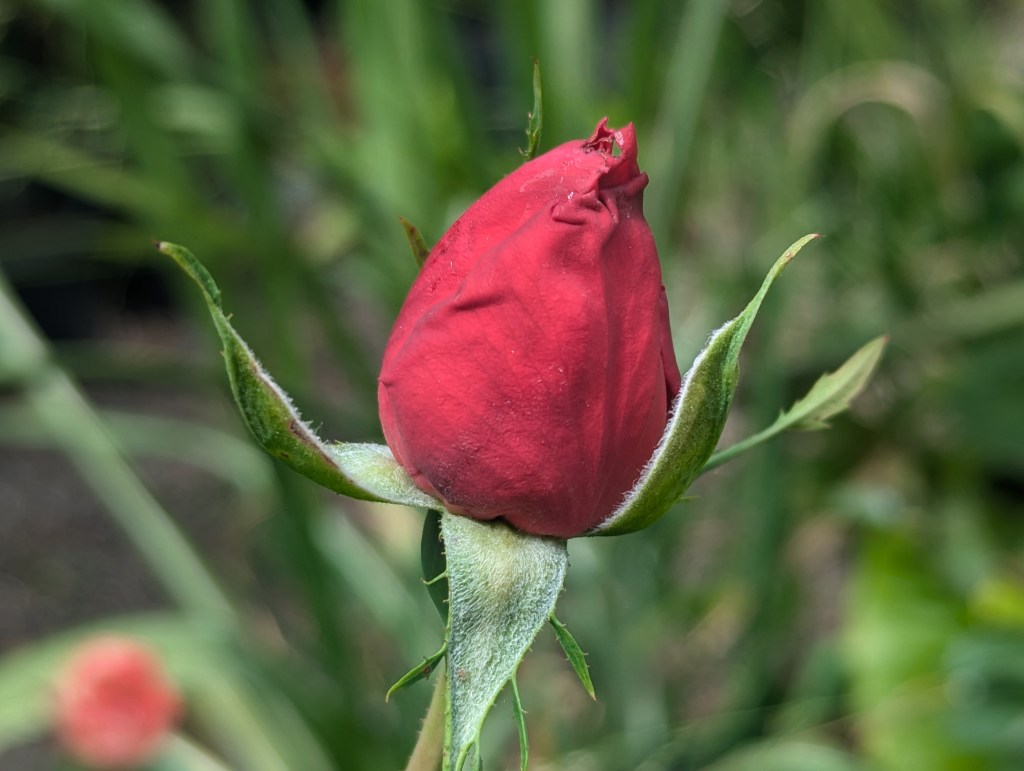
6. Rosa ‘Proud Land’ rose is not one of the four relocated roses, but is from my own rose garden. It was too pretty to not show off. I planted it with two others in about the winter of 1984 or 1985. Although I did not choose it, ‘Proud Land’ is likely my favorite red rose.
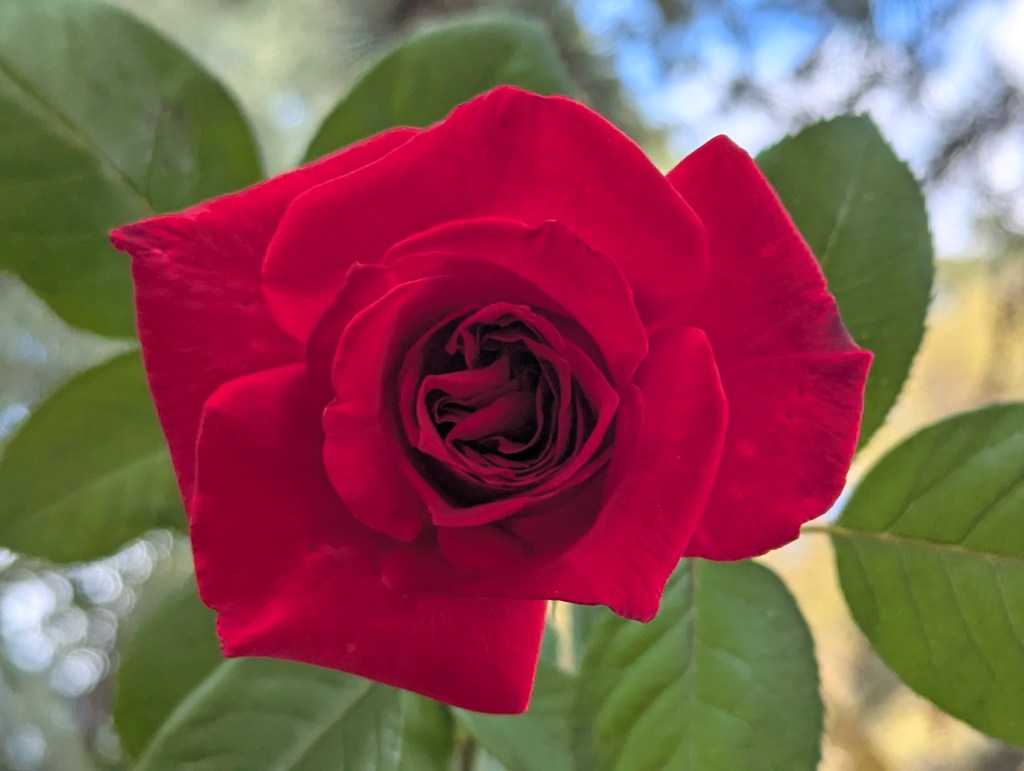
This is the link for Six on Saturday, for anyone else who would like to participate: https://thepropagatorblog.wordpress.com/2017/09/18/six-on-saturday-a-participant-guide/

Yucca whipplei, which is now also known as Hesperoyucca whipplei, was the first species of Yucca that I met in the wild when I relocated to San Luis Obispo in 1985. Although it is too unpleasantly spiny for me to recommend it for home gardens, it is my favorite species of Yucca.
The only specimen of Yucca whipplei that inhabits our landscapes produced a few seed pods two years ago. I dried the seed and sowed them last year. I would have been pleased if a few germinated successfully. Instead, hundreds of them are now growing! Again, I grew too much of a good thing.
I can install several as a deer fence below a portion of my home garden. Although they grow only about three feet tall, deer will not try to jump over them uphill if they can not land beyond their painful foliage on the uphill side. However, if I put them three feet apart, only about twenty seedlings will be needed for approximately sixty linear feet of deer fence. That might be only about a twentieth of the hundreds that are now growing! They are still babies. I can worry about finding homes for them later.


