Rhody and I needed to go to San Jose for the past three days, and will be going there again at least until April. We had not been there or even into the Santa Clara Valley for a very long time. I did not realize how long we had been gone until I collected my accumulation of mail on the way through town, and found Christmas cards!
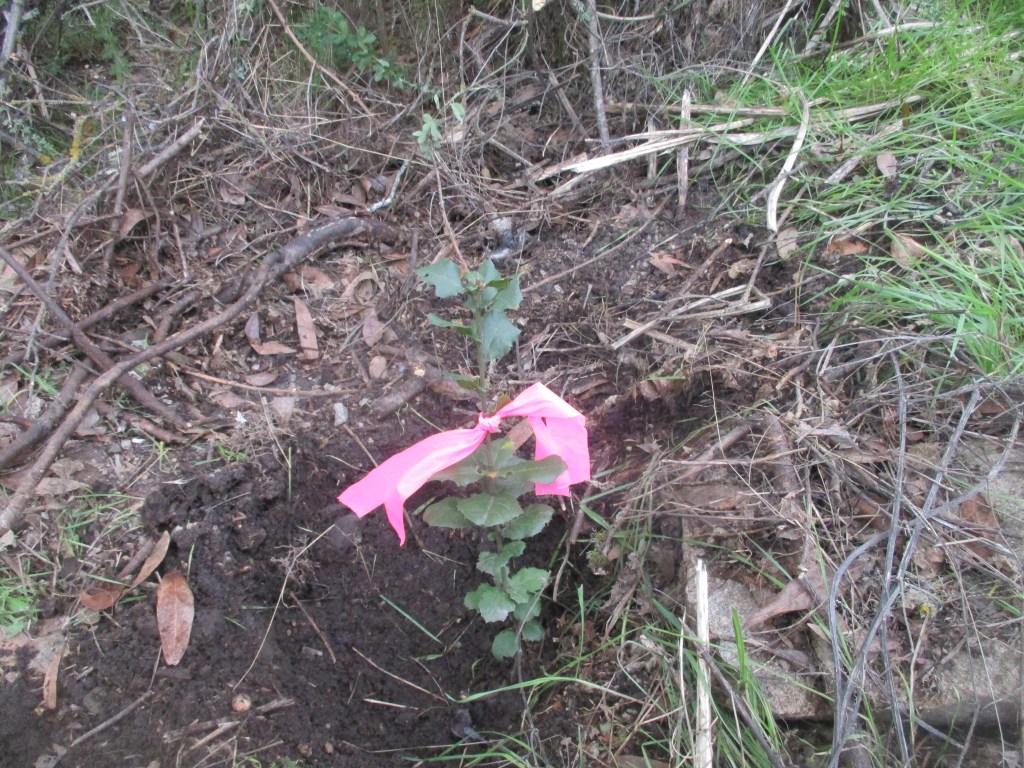
1. Tecoma stans is the second most important topic of my Six for this week! The Shrub Queen sent me these seed from wild plants that are native to Southern Florida! It is so rare here that I had seen it only a few times prior. A compact cultivar became available only a few years ago. I wanted the straight species. Embarrassingly, these seed were in my mailbox since December.

2. Camellia japonica is still blooming, with buds that will continue even longer. Technically, it is not late. Some bloom as late as March. I do not remember the name of this particular cultivar.

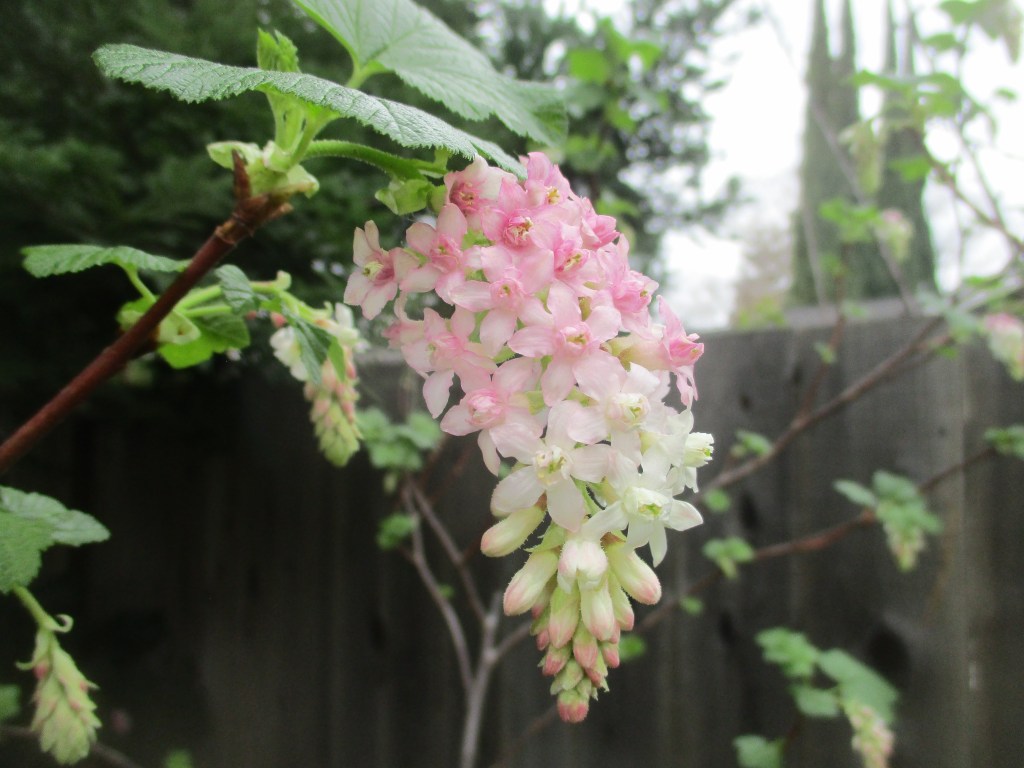
3. Ribes sanguineum is native to the forests only a few miles from here. This one and another like it were planted here a few years ago. Two others that bloomed white did not last very long.
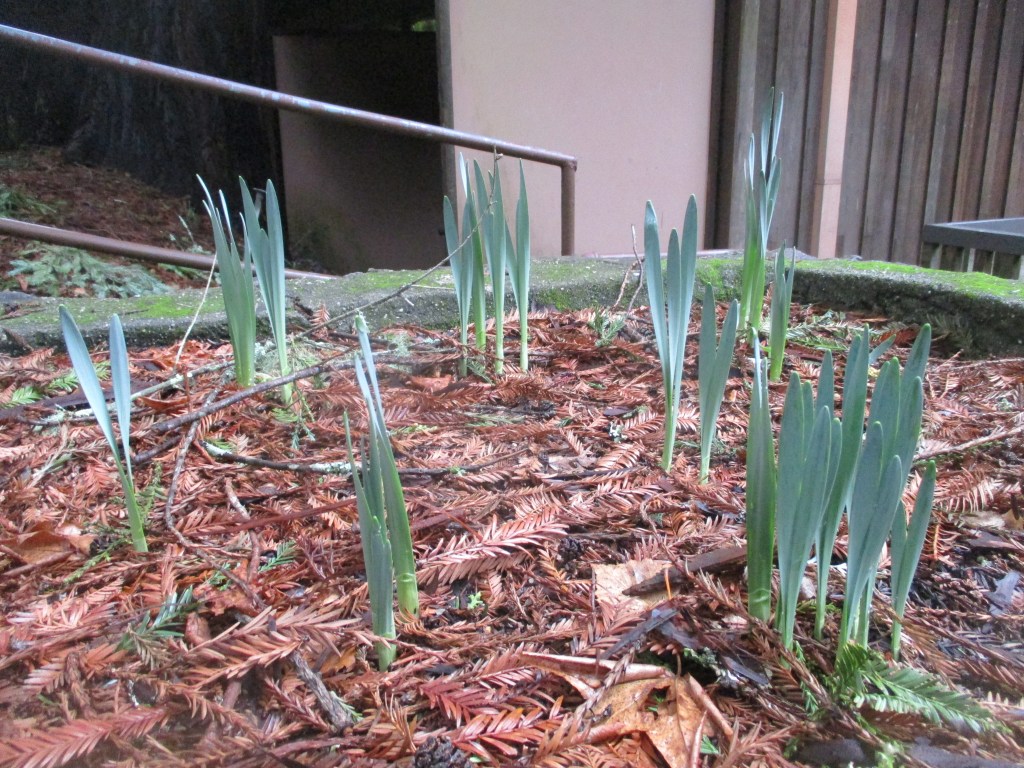
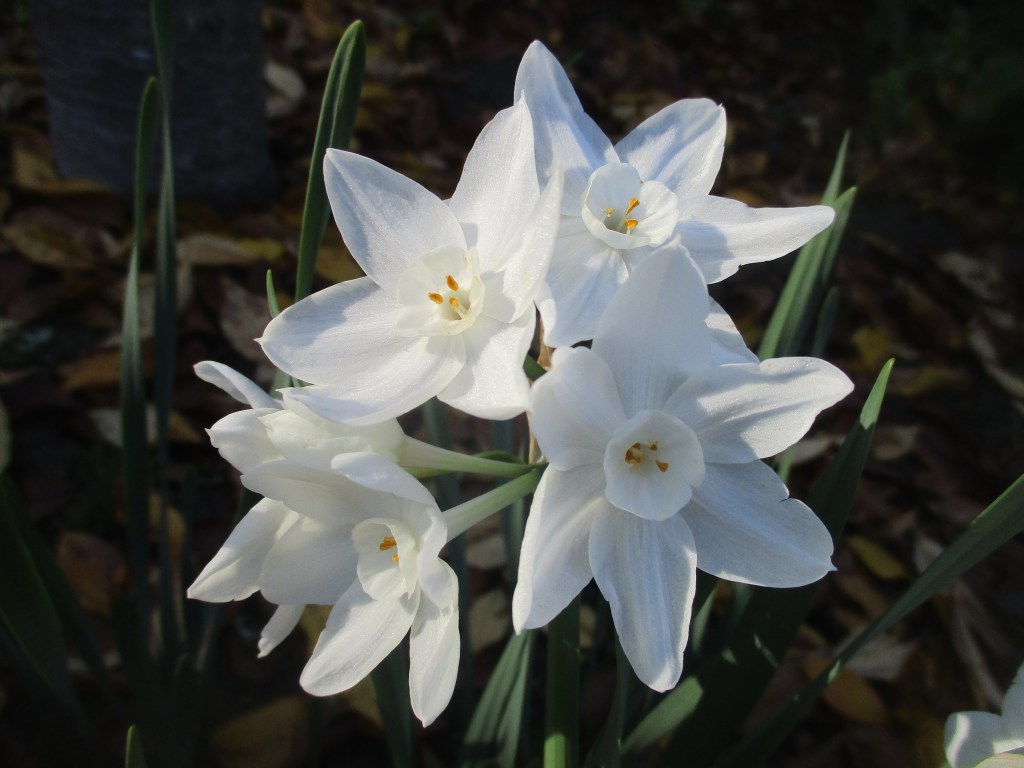
4. Narcissus pseudonarcissus, or simply ‘daffodil’, bloom sporadically in the oddest of situations. Their bulbs remained where they got planted years ago, as the landscape changed over them.

5. Spirea prunifolia ‘Plena’ is sparsely branched, but perhaps delightfully so. I am surely no expert in regard to aesthetics, but it seems to me that more profuse bloom would be less delicate.

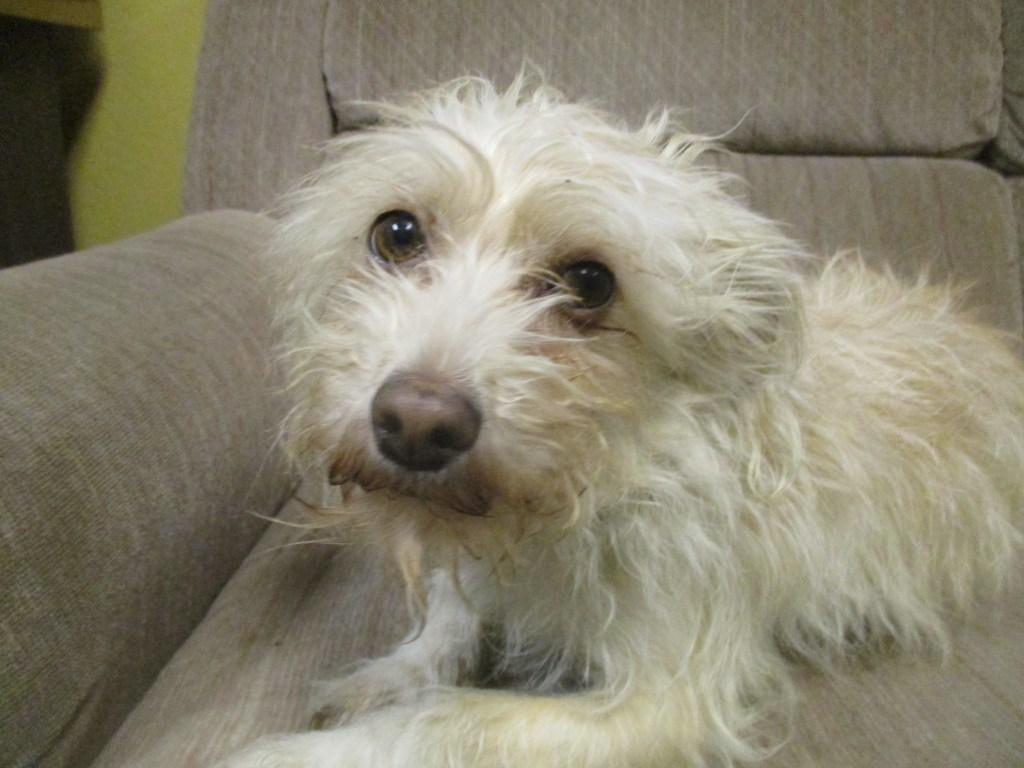
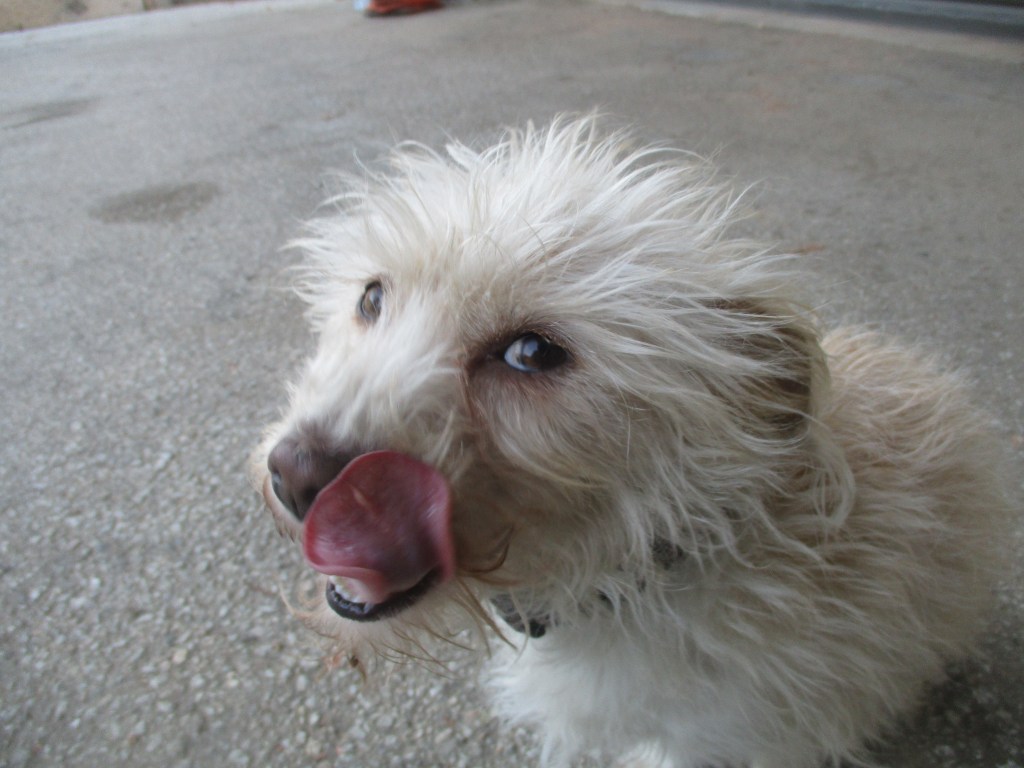
6. Rhody is the most important topic of my Six for this week. This was the moment immediately prior to his realization that I was aiming the camera at him, and his spry reaction to avoid it.

This is the link for Six on Saturday, for anyone else who would like to participate:
https://thepropagatorblog.wordpress.com/2017/09/18/six-on-saturday-a-participant-guide/