Contrary to popular belief, there is a bit of chill during winter here. I was surprised by how many were surprised by my pictures of slight frost last week. The stone fruit that used to grow in the Santa Clara Valley could not have produced without adequate chill. Some deciduous trees color well for autumn, and all defoliate. We do not use much firewood, but some of us use some.
It may not look much like autumn to outsiders. Nonetheless, I find the local climate to be more than satisfactory for what I grow. In some regards, I find it to be ideal. Rhody just stays in by the stove.
1. Sycamores are trashy. Because of anthracnose, they dropped leaves in spring. They dropped more after the Fire. Now they are defoliating for winter. A bulldozer is used for all the leaves.

2. Bald cypress colors well by simple local standards, even if it is merely orangy brown. Bald cypress is rare here, perhaps because of the climate, or perhaps because of its buttressing roots.

3. Dogwood fruit is messy through winter. Surprisingly, wildlife is not particularly interested in it. I should make jelly with it for competition at the Harvest Festival next year (if it happens).

4. FreeBay is how we refer to small piles of bay firewood left on roadsides for neighbors to take away. Vegetation management has become a priority, and generates firewood as a byproduct.

5. Canna behave as outsiders expect them to here. They try to continue blooming until they eventually get frosted. The minor frost they experienced so far was insufficient to stop them yet.

6. Minor frost seems to evaporate as readily as it thaws when exposed to sunlight. This sure looks like autumn. I somehow sort of believe that this is what autumn looks like in other regions.

This is the link for Six on Saturday, for anyone else who would like to participate:
https://thepropagatorblog.wordpress.com/2017/09/18/six-on-saturday-a-participant-guide/

 Yes, we get it too. It took a while, but we finally got it just like most of everyone else in North America and the Northern part of the Norther Hemisphere. It is not much to brag about, but it is enough to melt the big feral pumpkin vine that I wrote about earlier (
  “It’s not nice to fool Mother Nature.” That old margarine commercial was lame back in the 1970s, but the quote is so true. Inadvertent interference with the natural process of wildfires has unfortunately increased the combustibility of the flora of forests and wildlands throughout California. No one really meant to interfere with the process. It is just what happens when we need to protect our homes and properties from fire.



 Horticulturists have a way of making all those long Latin names sound easy to pronounce. Lyanothamnus floribundus ‘Asplenifolius’ – Syzigium paniculatum – Metasequoia glyptostroboides. I do not know why proper pronunciation of their names is so important. They have no ears. They can not hear if we simply call them ‘Earl’. Even if they could hear, they would not respond.
 Just a few feet downhill from where the old valley oak had lived for centuries (
 Now that I have been watching a few other blogs for three months, I notice that some people write some very interesting or at least entertaining articles about topic that are not directly related to the main topic of their respective blogs. Most are just like old fashioned slide shows (remember those?) with cool pictures from around the neighborhood, travels, home projects, or whatever might be interesting. I have not done this yet; but I happen to have a bit of free time at the moment, so thought that I would post these three pictures of the historic Felton Covered Bridge. Although I am technically from Los Gatos, my home is in the Santa Cruz Mountains between Los Gatos and Felton. I also have history in Felton, since my grandparents and my Pa used to live here.



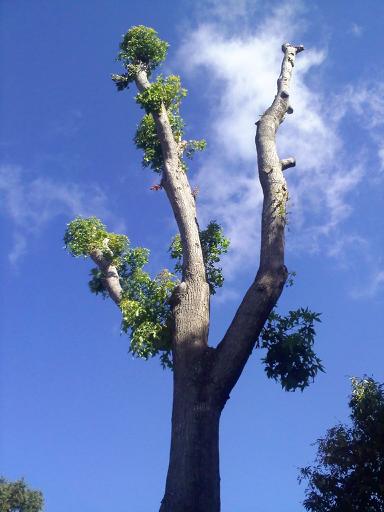
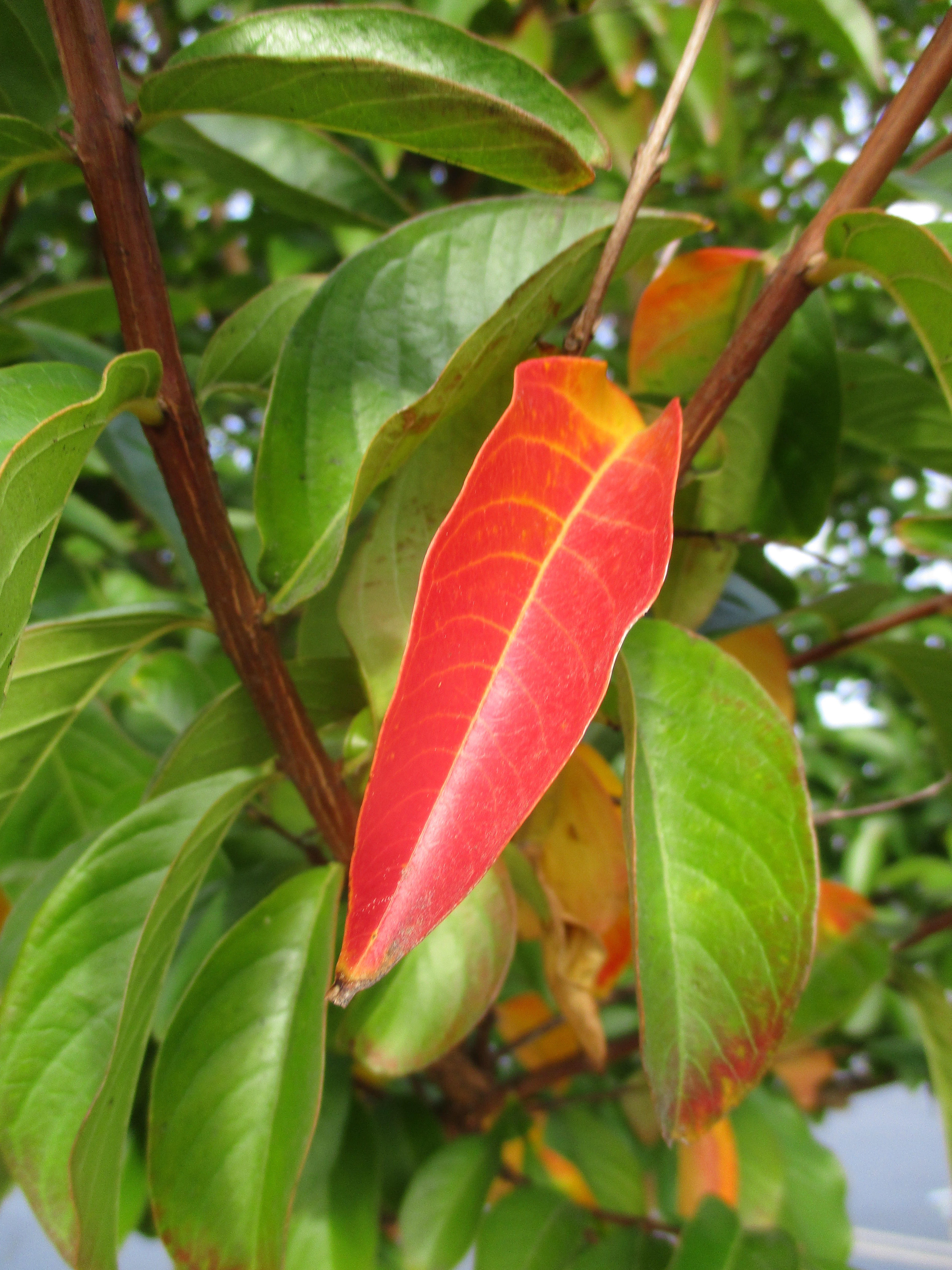 After reading so much about the exquisite foliar color that most everyone else in the Northern Hemisphere gets this time of year, I must admit, I can get rather envious of those who experience four seasons instead of just two. The abundance of spring in the Southern Hemisphere does not help. Why have I not found a garden blog from Ecuador or Indonesia so that I have something to point and laugh at? It just isn’t fair.
