Six on Saturday: Impressive Roses

It will make more sense at the end.

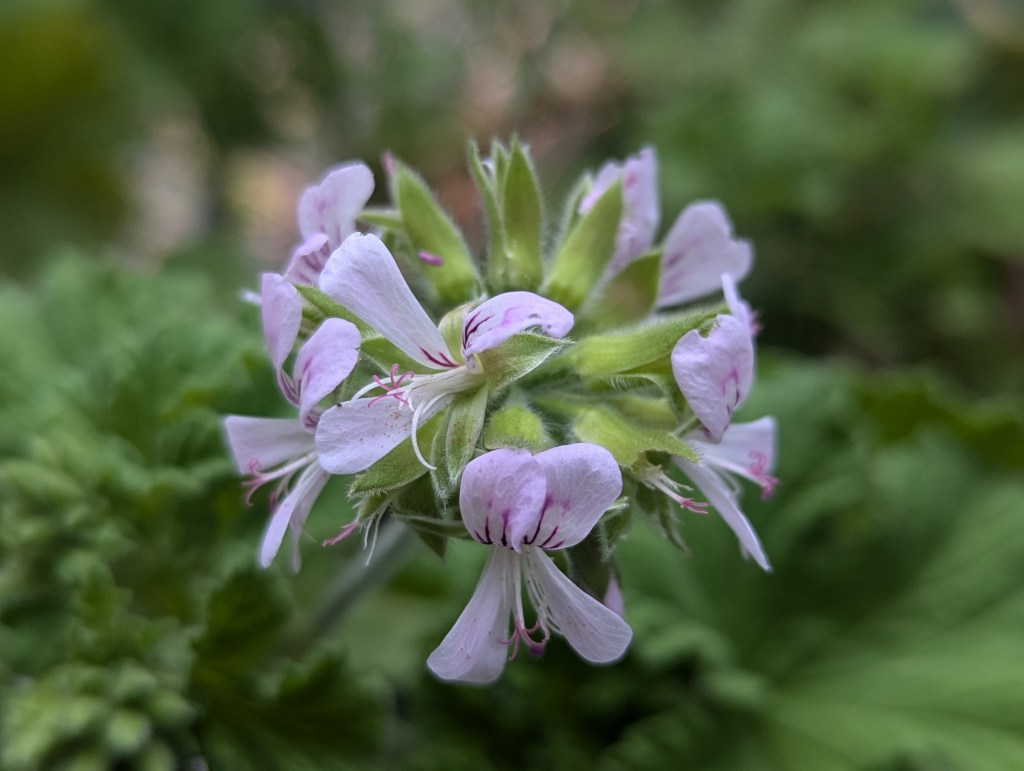
1. Pelargonium citrosum, citronella, like the scented geranium that I featured last week, is one of three scented geraniums here that technically remains unidentified. This name is merely a guess. It is most aromatic, but its bloom is not as pretty as that of the others.

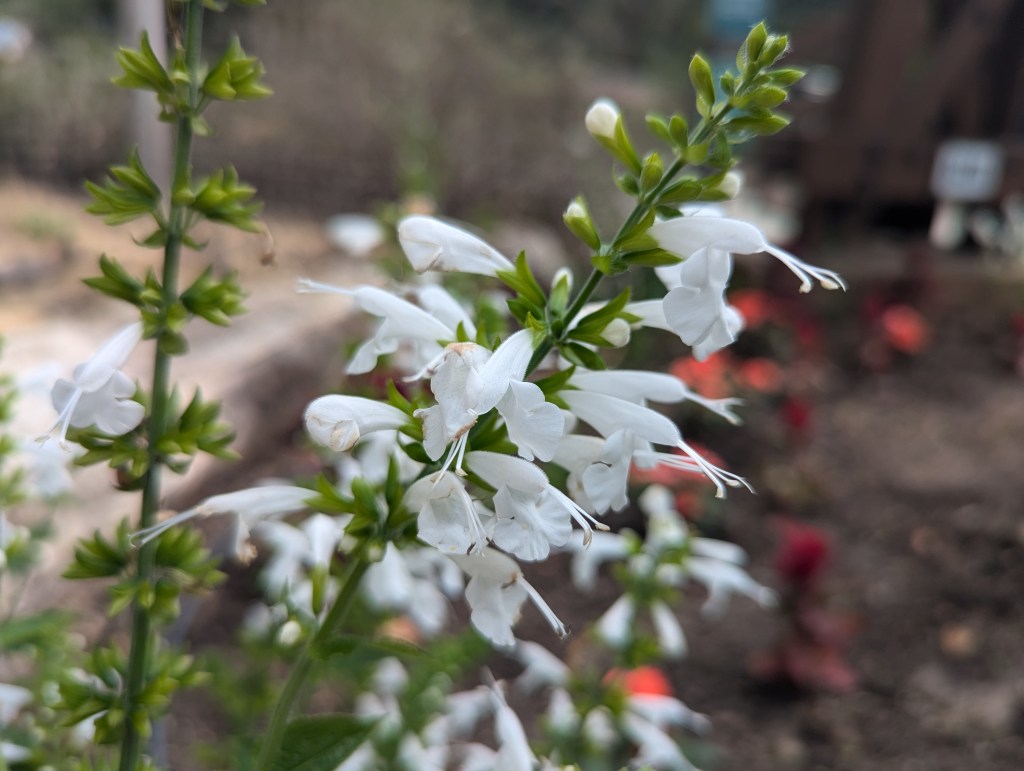
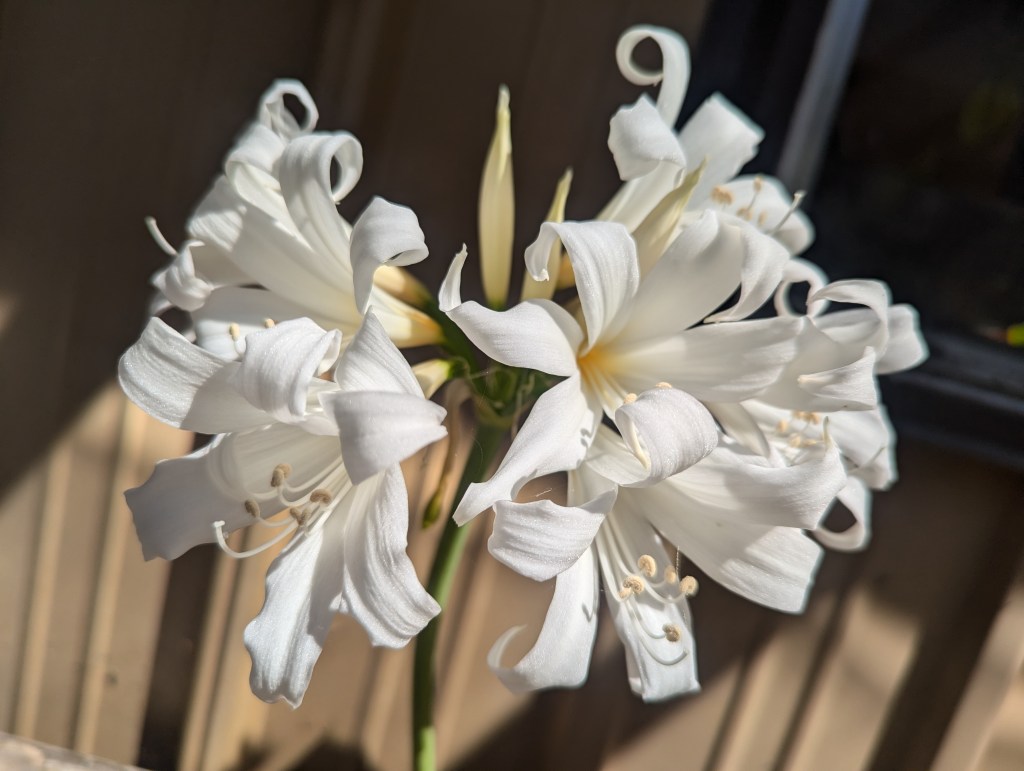
2. Amaryllis belladonna, naked lady is not so cliche or mundane with white bloom. I am so fond of these that I separated their bulbs for relocation to a distinct colony, as well as my home garden. There are not many, so it will be a while before there are any to share.

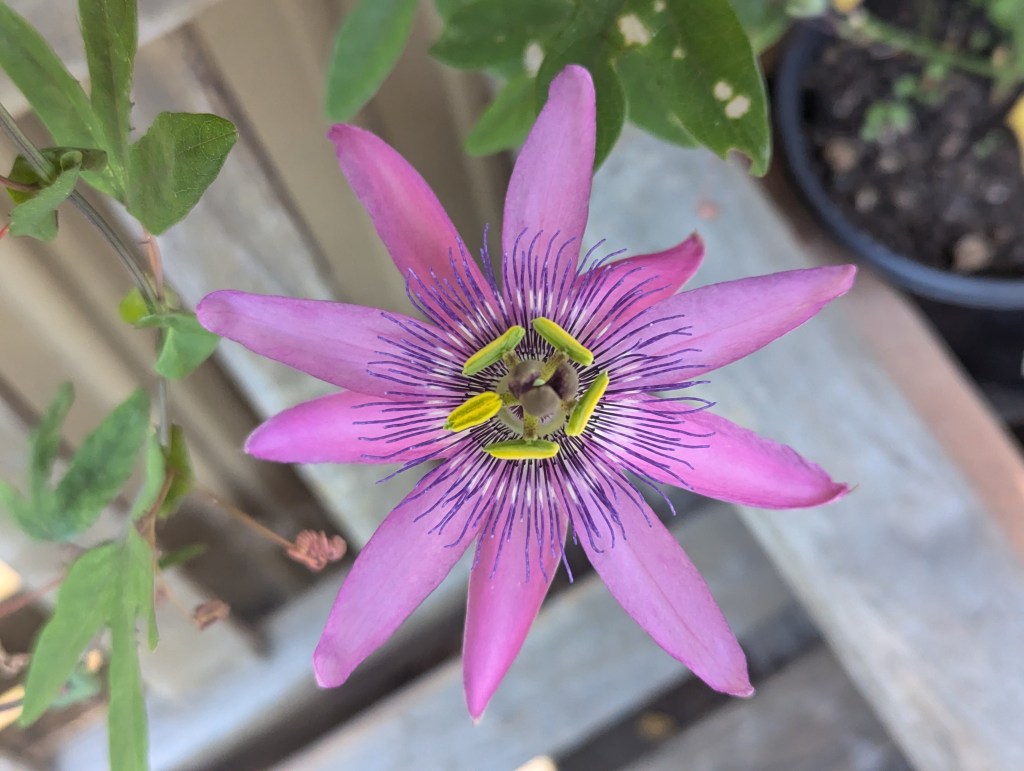
3. Passiflora edulis, passion fruit vine blooms nicely, but with perpetually shabby foliage and clingy tendrils. Its flowers are really more purplish than this one seems to be in this picture. I have no idea what cultivar this is or even if I like it, but I want to see if it fruits.

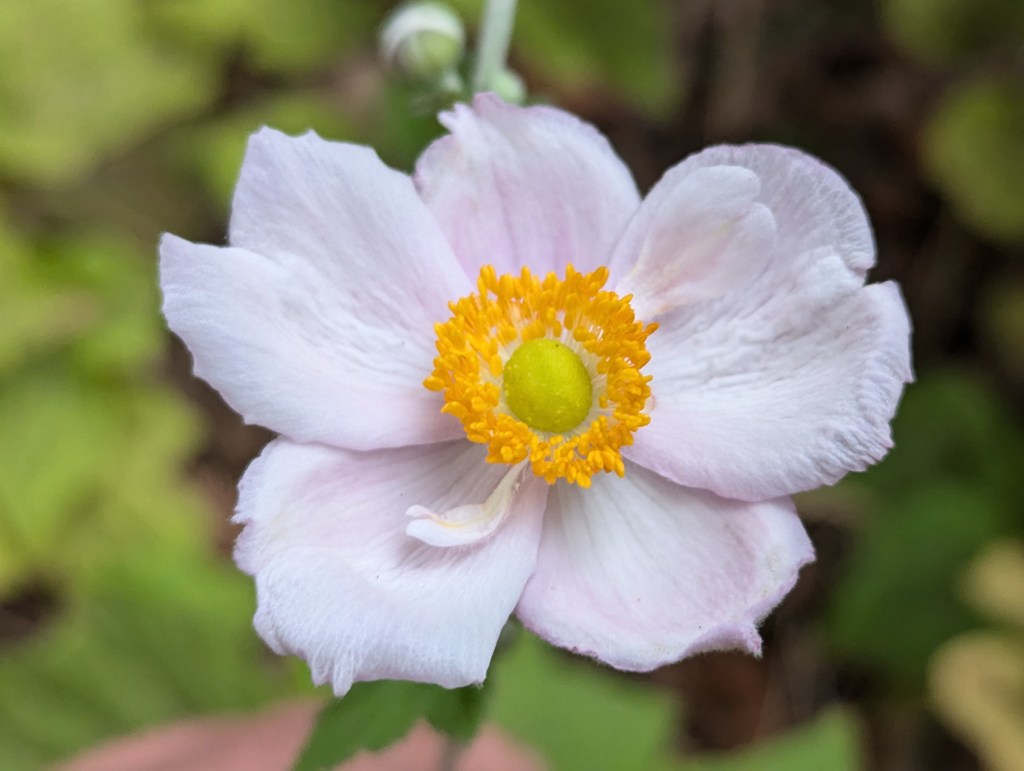
4. Anemone hupehensis, Japanese anemone does not bloom quite as white as it seems to be in this picture. It is not exactly blushed with pink either. It is just dingy. I know that a few happier pups in more favorable conditions will eventually bloom more impressively.

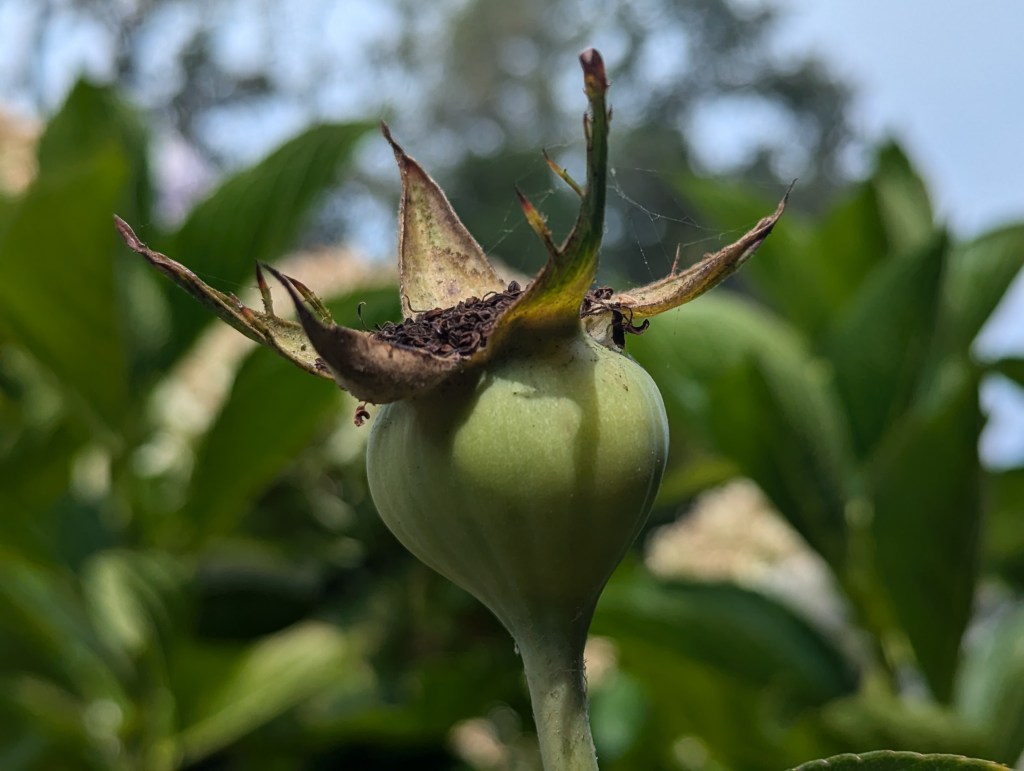
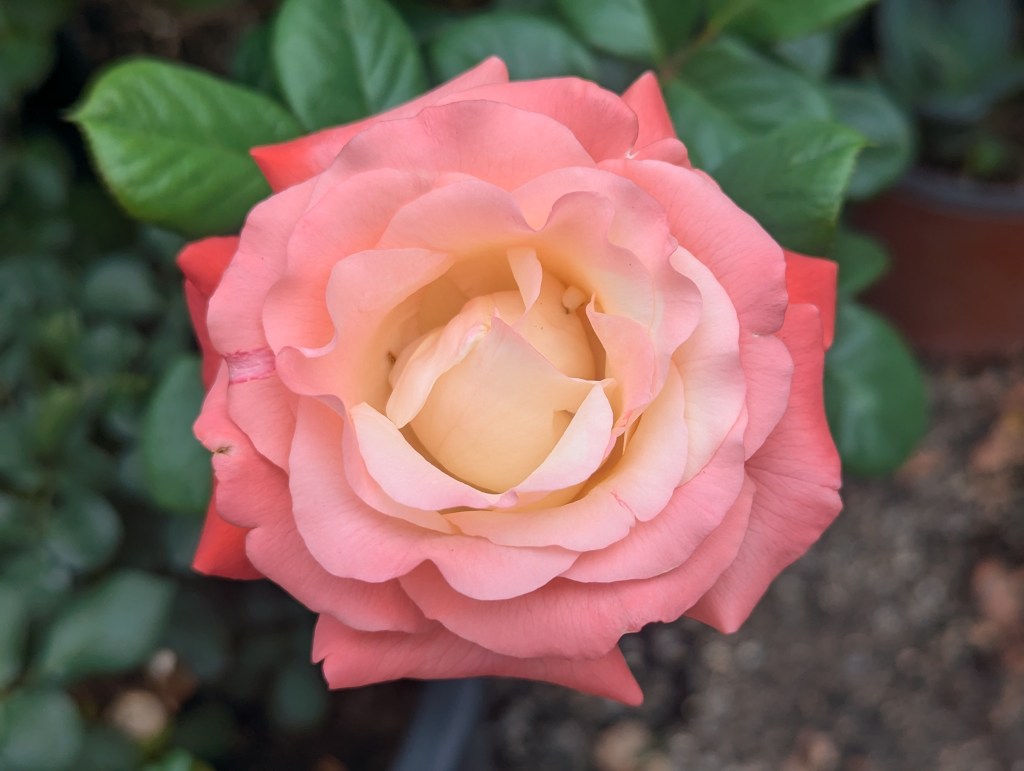
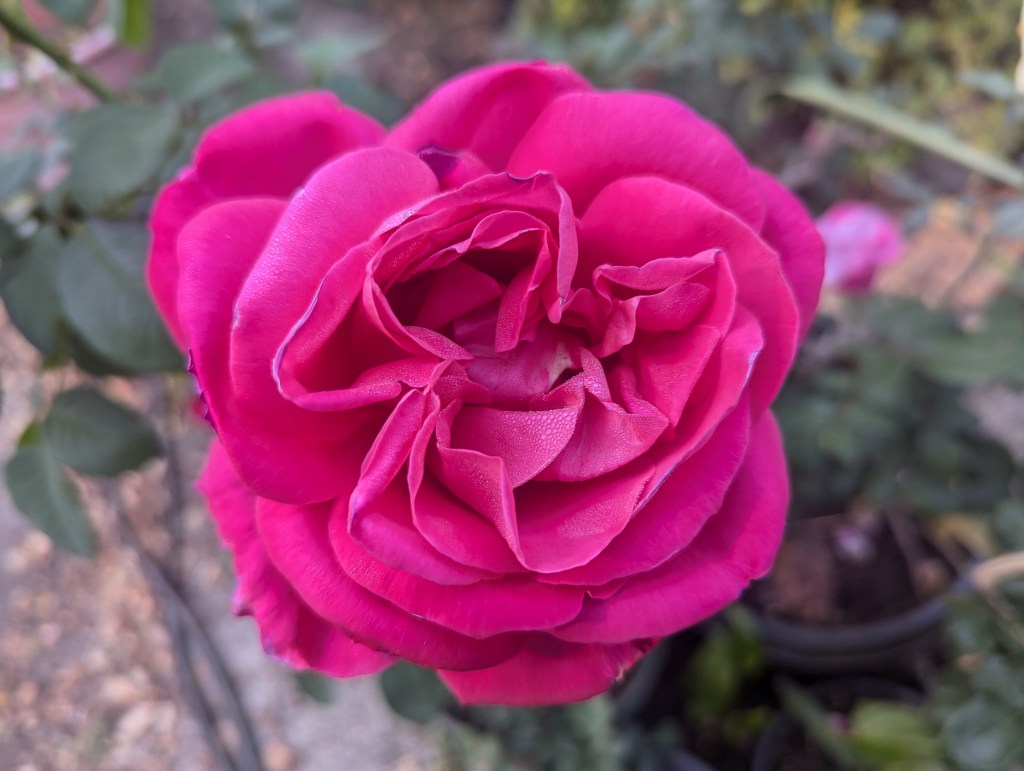
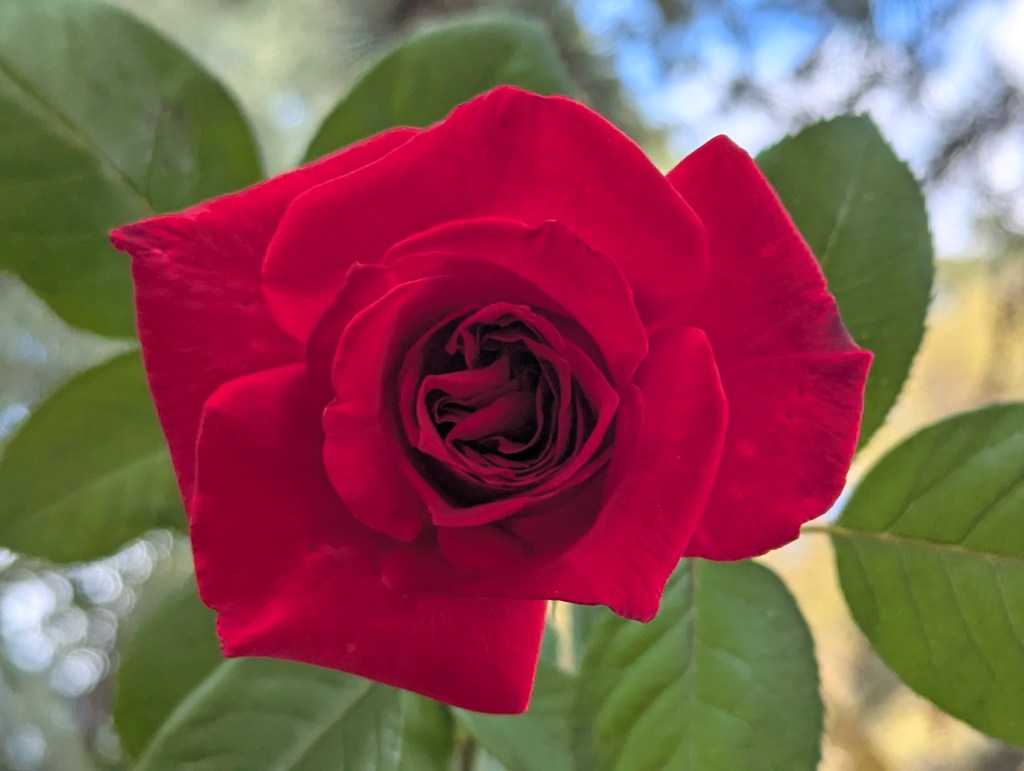
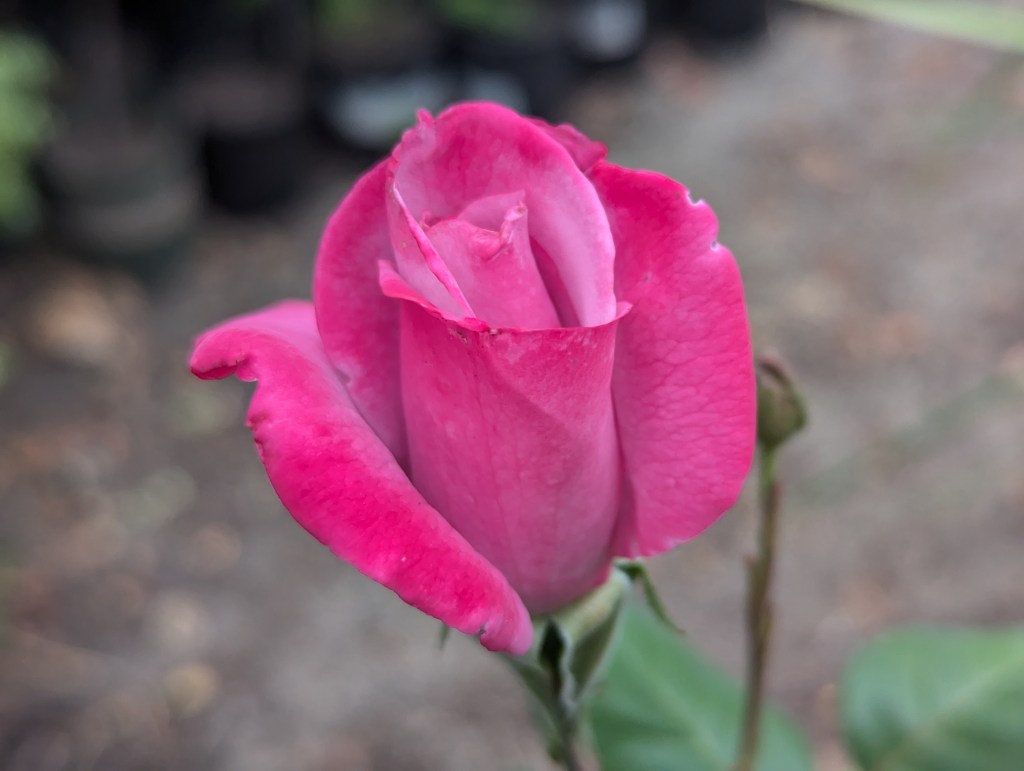
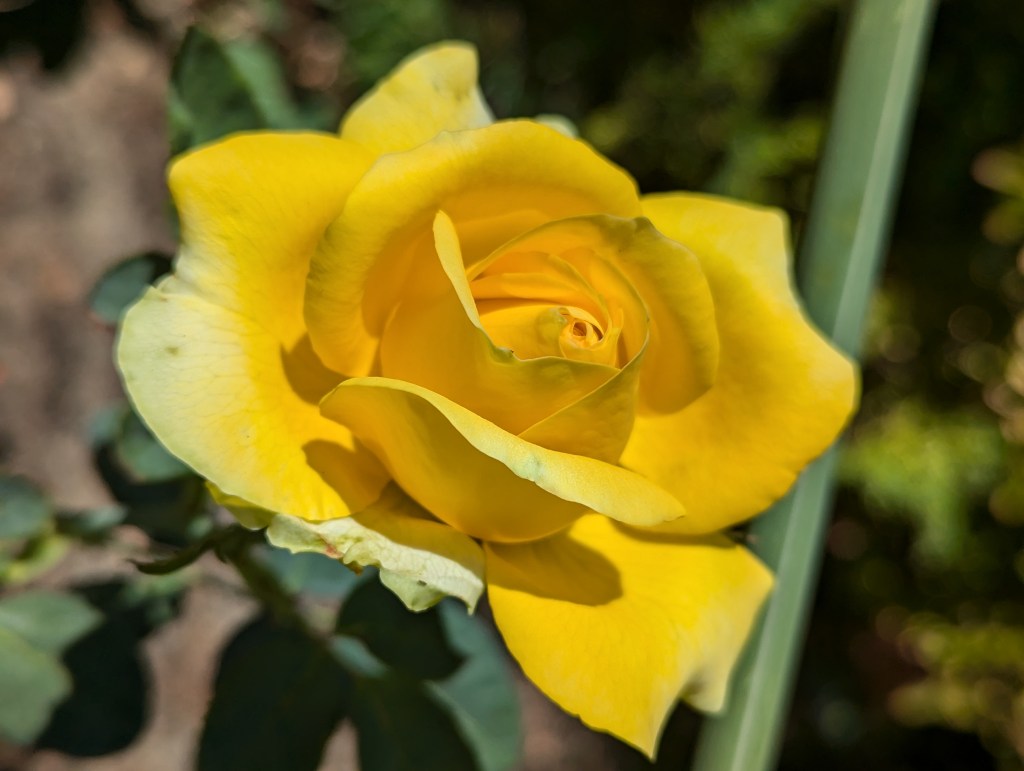
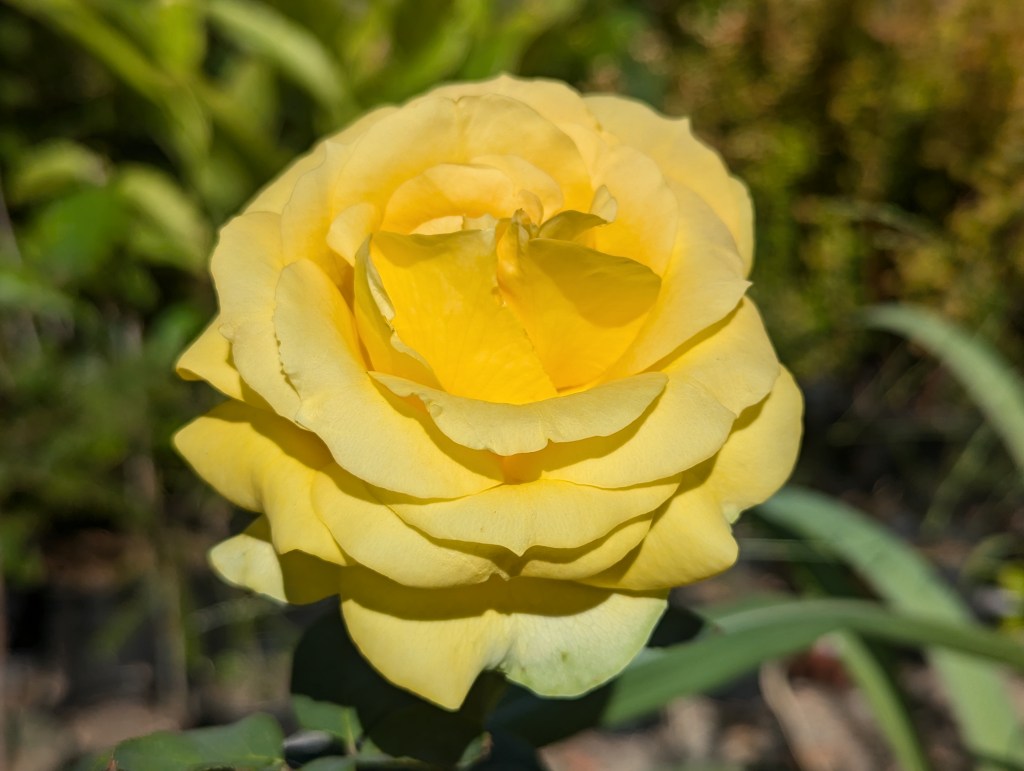
5. Rosa spp., rose might not look like much to brag about, but is blooming like this after getting hacked back and removed from its original garden during the middle of summer. Its survival alone is impressive. Its bloom is even more impressive. It is not the only one.

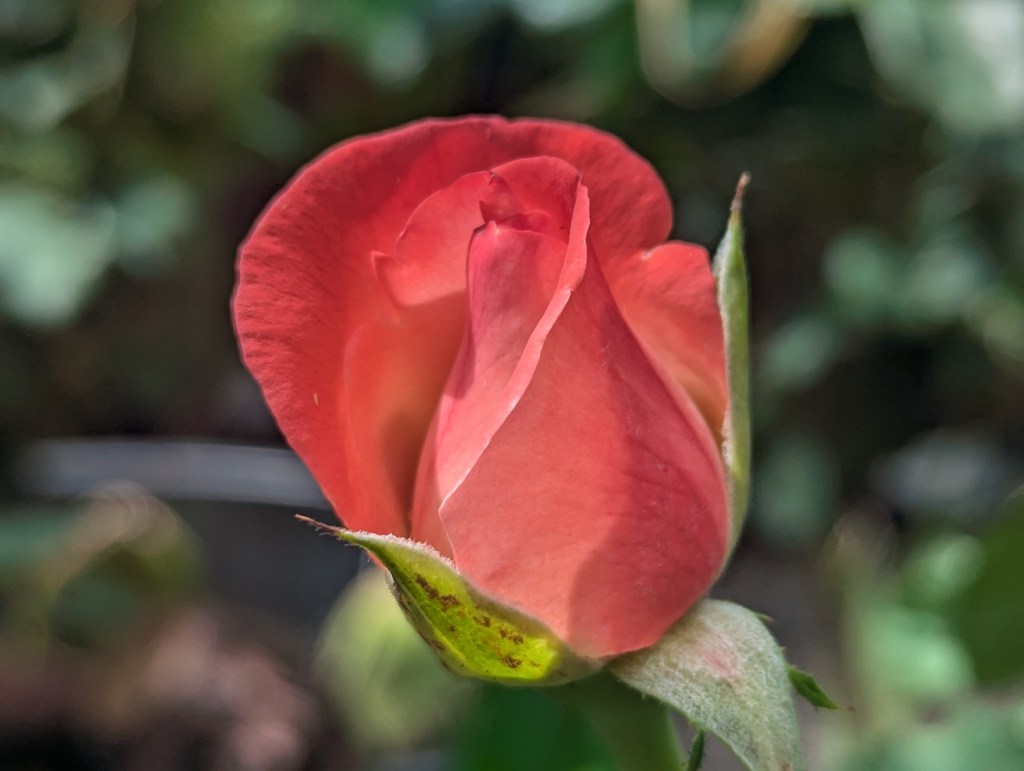
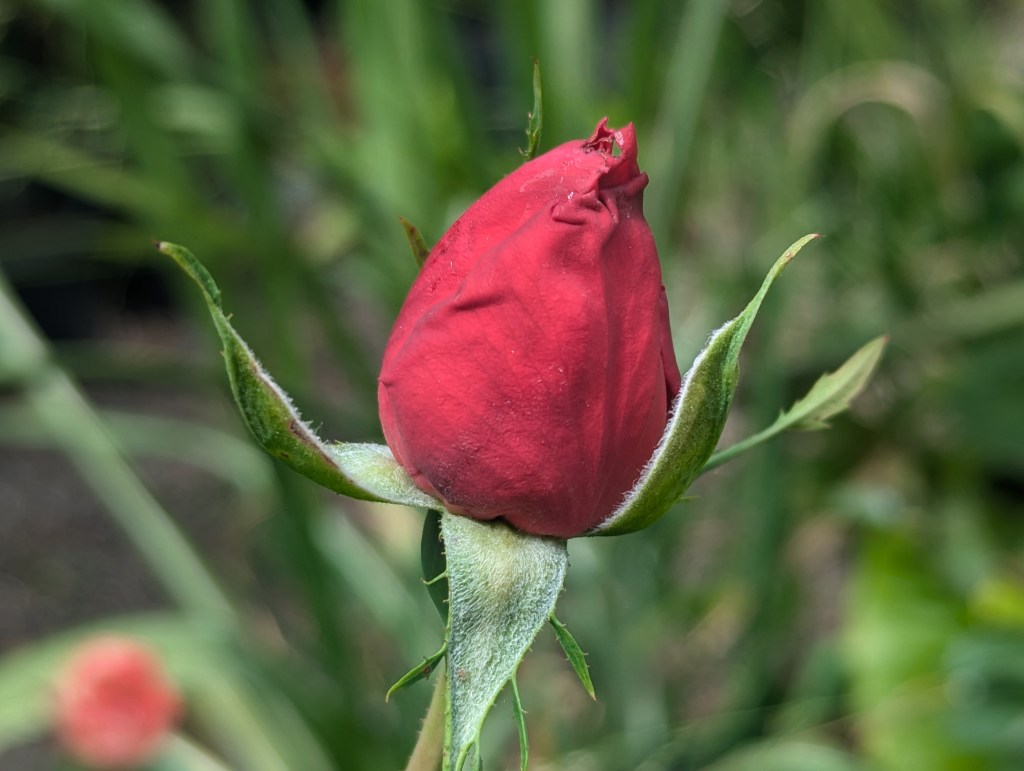
6. Rosa spp., rose is one of the others. A third has floral buds that will likely bloom prior to next Saturday. There are four altogether, so only one is not trying to bloom yet. One is ‘Sheer Magic’, perhaps the pink one above. The other three lack identification otherwise.

This is the link for Six on Saturday, for anyone else who would like to participate: https://thepropagatorblog.wordpress.com/2017/09/18/six-on-saturday-a-participant-guide/

Pair of Pears

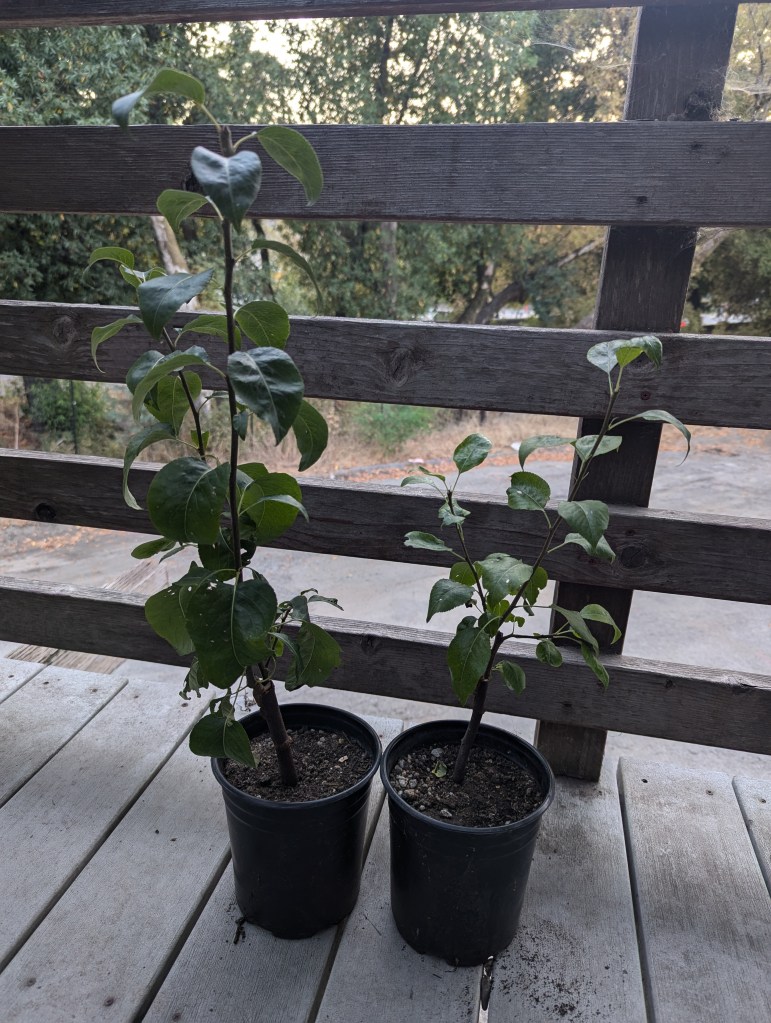
‘Beurre d’Anjou’ is to the left. ‘Seckel’ is to the right.

Two new pear trees have grown well this year after being grafted last winter.

‘Seckel’ is to the right in the picture above. I acquired its scion from the Scion Exchange of the Monterey Bay Chapter of the California Rare Fruit Growers on the first of February. It was one of only two cultivars that I wanted to graft onto one of only three quince understock trees that were available at the time.

‘Beurre d’Anjou’ is to the left in the picture above. Because it was unavailable from the Scion Exchange, and also because it was the other of only two cultivars that I wanted to graft, I purchased its scion online.

I wanted to retain one of the three quince understock trees for its fruit, and possibly for cuttings for understock for more pear trees in the future. However, more copies of it grew from cutting from the two trees that were grafted last winter. Now, I have a third quince tree to graft a pear scion onto this winter. I will most likely procure a scion of ‘Bartlett’, because, a very long time ago, that was the most common cultivar within the orchards of the Santa Clara Valley.

Six on Saturday: Major, Minor & Unidentified

Two of my six for this week were purchased, which is rare in my garden. Two were gifts. Two were acquired by other questionable means.

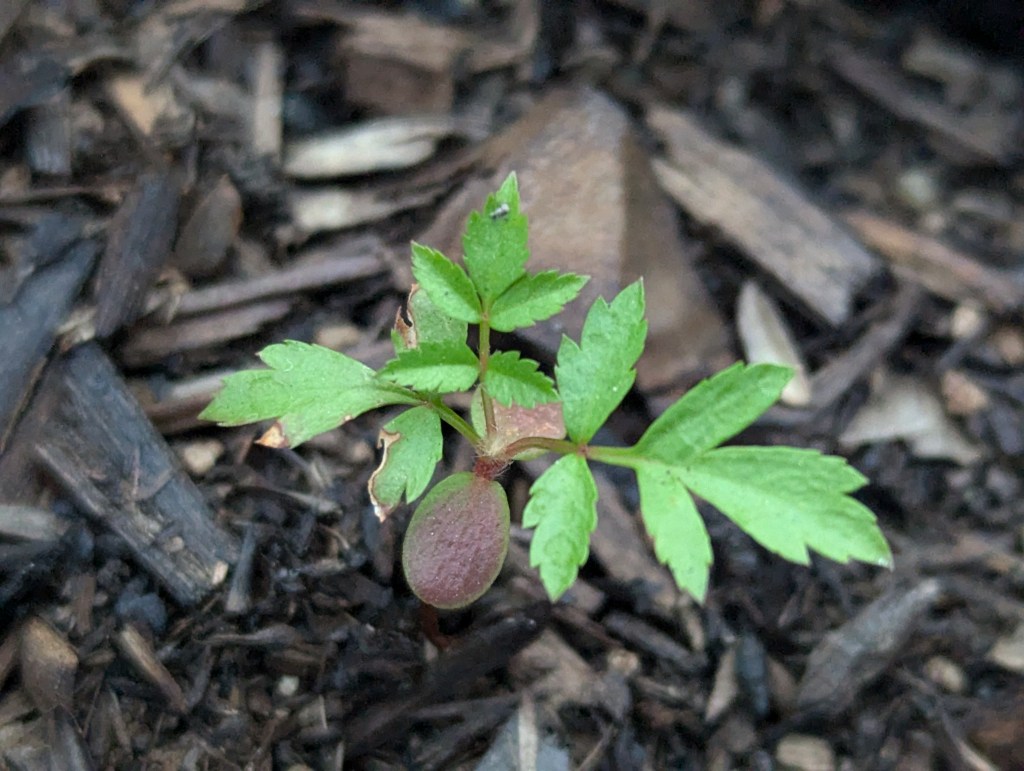
1. Sorbus americana, American mountain ash does not conform to my theme. It is about average and identifiable. I merely wanted to show it off because it is the only seedling to grow from several seed. It can be reasonably productive without another pollinator tree.

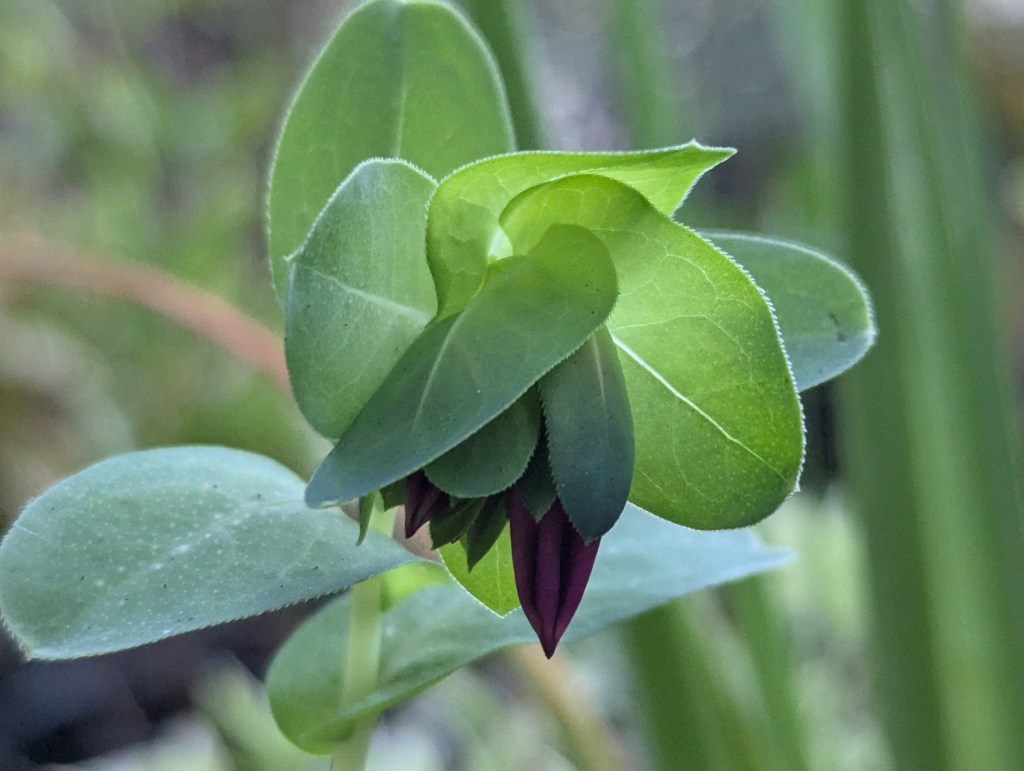
2. Cerinthe major, honeywort grew from seed from Tangly Cottage Gardening. This is its first bloom here. Because I did not sow all the seed this year, I could sow more next year. If it self sows here, it will likely only do so within gardens which are generously irrigated.

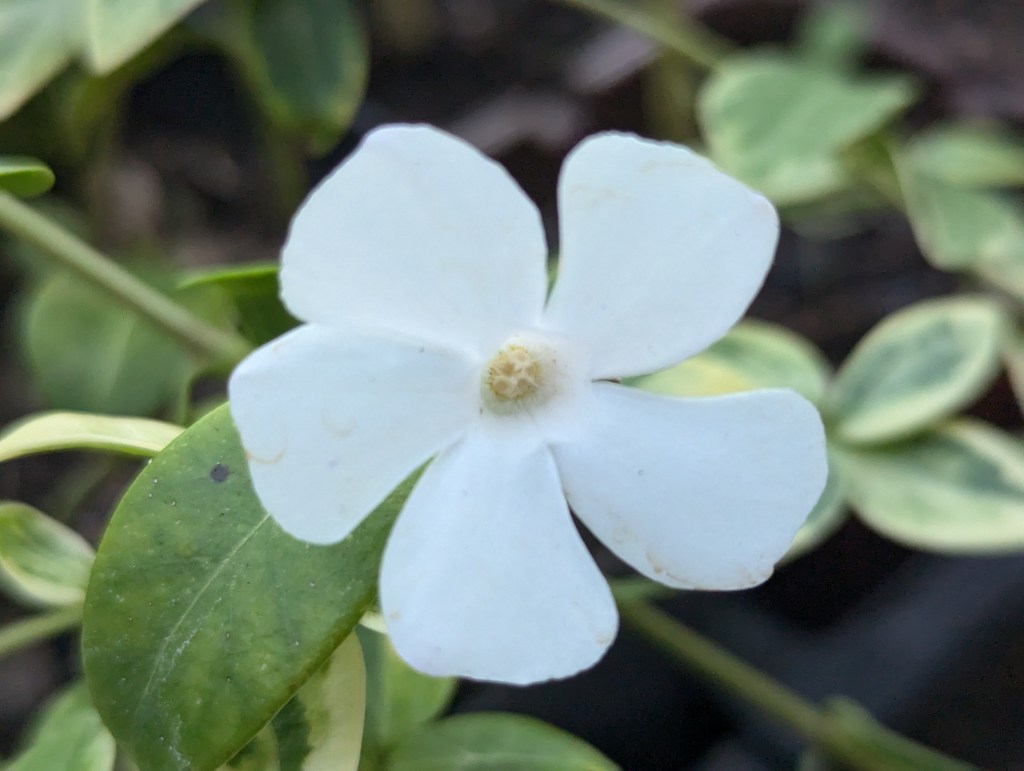
3. Vinca minor ‘Alba Variegata’, small white variegated periwinkle was another gift from Tangly Cottage Gardening. Although white is my favorite color, these little white flowers do not look very impressive against the background of their yellowish variegated foliage.

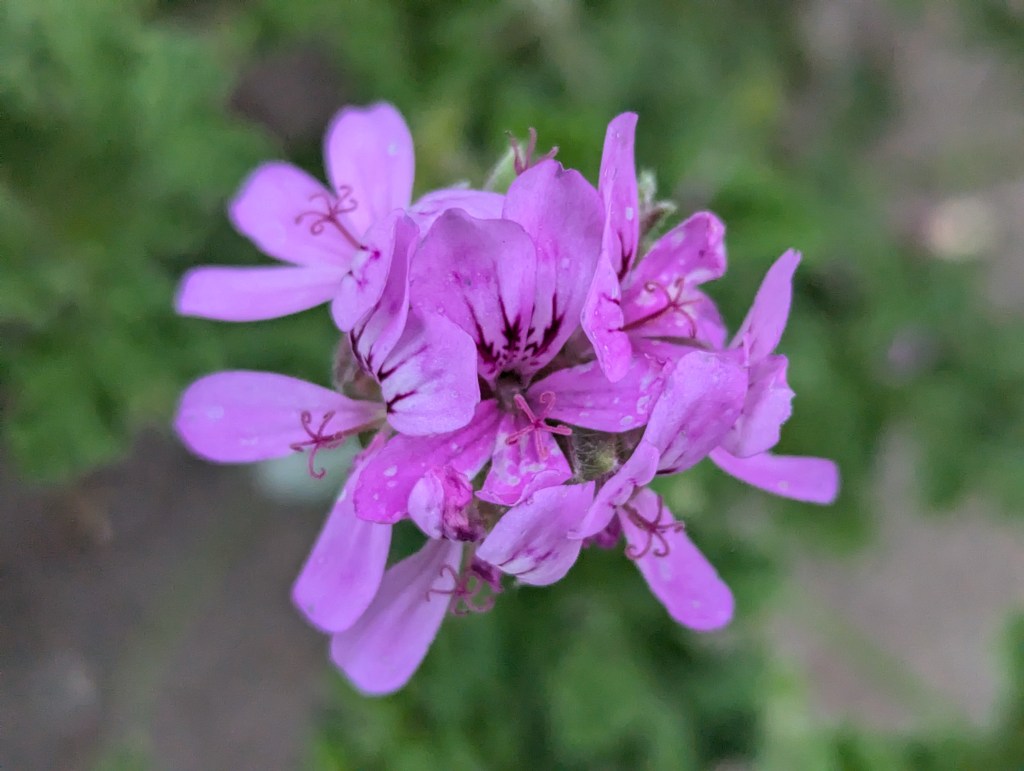
4. Pelargonium graveolens, scented geranium, like two other scented geraniums here, is unidentified. I think that the other two are lemon and rose scented geraniums. This one has a less distinct or identifiable foliar aroma, but has prettier and more colorful bloom.

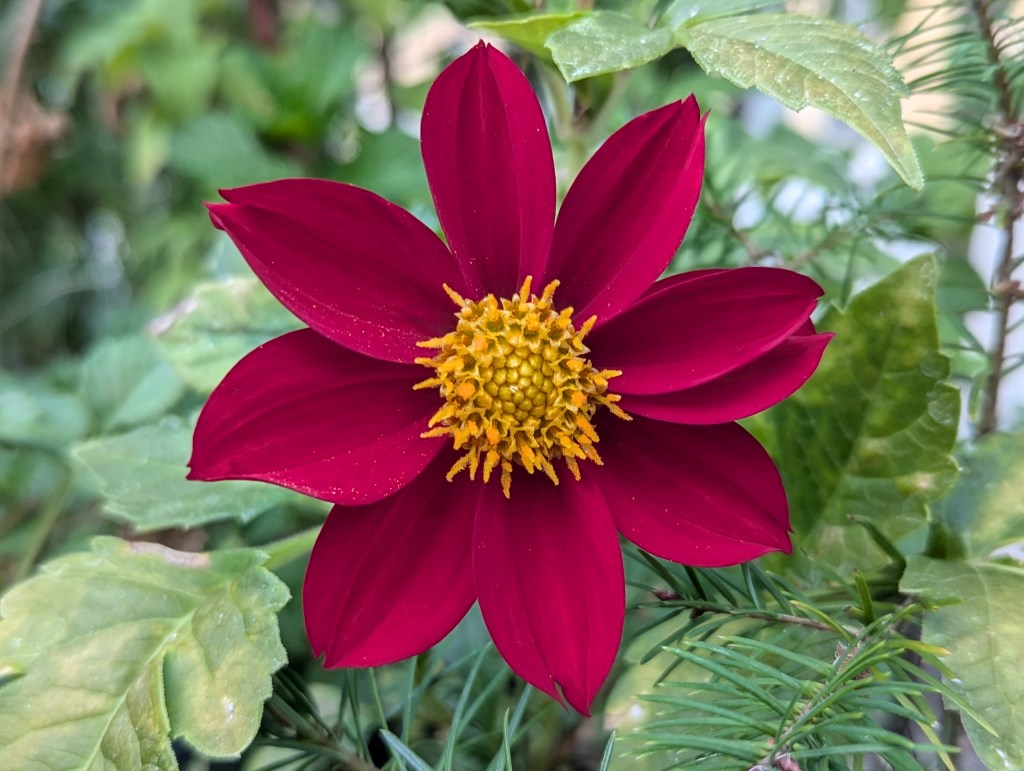
5. Dahlia is also unidentified. I know what it is not, though. It is most definitely not any type of assorted dinnerplate dahlia, which I purchased it as. Although pretty, its flowers are only about three inches wide. Foliage stands about as tall as that of a bedding dahlia.

6. Canna is the third unidentified subject of these six; but it is one of the most important of the many Canna here. It is a souvenir from the funeral of an old friend two years ago. It did not bloom last year, so this is the first time that I confirmed that it blooms yellow.

This is the link for Six on Saturday, for anyone else who would like to participate: https://thepropagatorblog.wordpress.com/2017/09/18/six-on-saturday-a-participant-guide/

Canna Virus

This is not a new problem, but it is infuriating nonetheless. ‘Cleopatra’ canna expressed symptoms of at least one virus about two years ago. A few other nearby cannas expressed similar symptoms shortly afterward. ‘Australia’ canna is particularly expressive of foliar streaking caused by virus. Isolation and disposal of obviously infected specimens seems to have prevented dispersion of the virus or viruses; but I really am uncertain. Three cultivars of Canna musifolia have suspiciously avoided any infection from adjacent infected cultivars. I can not help but wonder if they are actually infected but merely asymptomatic, and possibly able to transmit viruses to cultivars that are more expressive of symptoms. The canna in this picture is an important cultivar because it is one of only two remaining original cultivars that could have inhabited the landscapes here since about 1968. Because of gophers, very little of it remain, and some of what remains succumbed to virus already. I am quite protective of these few specimens that have not been infected, but would also like them to be able to inhabit the landscapes with the questionable Canna musifolia cultivars. For now, I must wait until they proliferate enough for some to be expendable.

Six on Saturday: Leave It To Beaver

Squirrels have been chewing some of our foliar plants since spring. Now that they found our banana trees, I am more concerned. Their damage is more severe and impossible to ignore.

1. Musa acuminata ‘Golden Rhino Horn’ banana got chomped by a squirrel, right where its new leaf is unfurling. A Musa acuminata ‘Ever Red’ banana got chomped at its base! Squirrels are also chomping other cultivars of banana and two species of Chamaedorea.

2. Musa ingens, oem, or giant highland banana demonstrates what a young banana tree should look like without squirrels chomping on them like little arboreal demon beavers. I will be furious if I see any more damage on any of these more prominent banana trees.

3. Crassula ovata, jade plant is not often considered to be a ‘foliar’ plant, but happens to function splendidly as such by obscuring the otherwise bare bases of several of the small banana trees. It all grew from pruning scraps from one big, old and sculptural specimen.

4. Hedychium coronarium ‘Vanilla Ice’ ginger was chomped by squirrels as soon as new growth began to develop last spring. Fortunately, it recovered. Although it appears to be ‘Vanilla Ice’, and likely is, I was told that its flowers are white rather than vanilla yellow.

5. Alocasia gigantea, elephant ear was also chomped by squirrels as soon as it started to regenerate foliage last spring, and also recovered. It is quite large now. If its foliage were not so simple, it would be as striking as that of the old fashioned Philodendron selloum.

6. Philodendron selloum ‘Lickety Split’ philodendron produces the striking foliage of the species, but not the form. Its multiple trunks are so stout that I have not seen them yet. I suspect that individual leaves do not get very big either. Squirrels have ignored it so far.

This is the link for Six on Saturday, for anyone else who would like to participate: https://thepropagatorblog.wordpress.com/2017/09/18/six-on-saturday-a-participant-guide/
Fountain

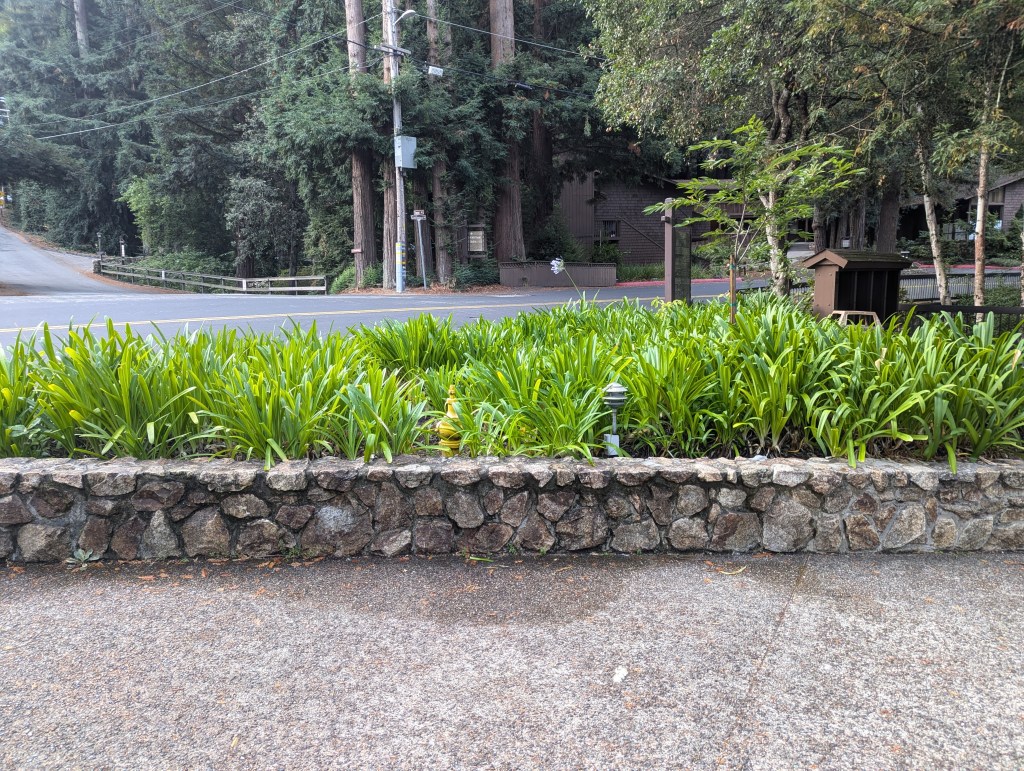
Life was very different where I lived in town in the 1990s. I miss that neighborhood and my garden there very much. However, it was an urban neighborhood, only a few blocks from the interchange of Highway 17 and Highway 85. My neighbors had me build a small solar powered fountain adjacent to a patio of our apartment building to obscure the ambient urban noise. I thought it was a silly component of the landscape, but everyone else was fond of it. Well, sadly, I left that home and garden many years ago, and relocated to a quieter neighborhood a few miles away. Except for a few lights at night on distant hillsides, I can see no other households. I do not hear much more from them than I can see. Air traffic to and from Mineta is the most traffic that I notice, if I notice. In fact, the noisiest noise in my garden is from this creek that flows through it. I flows all day at night, so does not stop when the sun goes down. I can not unplug it. It gets louder during winter. Perhaps I should build another solar powered fountain to obscure the noise.

Six on Saturday: Construction Site

An old deck at work is presently being replaced. Potted cannas that resided on it needed to be moved. Camellias below it are in the way, but safe for now. It is quite a big project.

1. Camellia japonica, camellia under the old deck are temporarily getting more sunlight than they are accustomed to. There are about eight. This will not last long, though, until the new deck replaces the old. The disheveled irrigation tubing was for pots on the deck.

2. Camellia japonica, camellia at the far end of this row is somehow undamaged by this accumulation of debris from the dismantled deck above. I am impressed. Some extent of damage is expected from such a project, particularly with so many camellias in the way.

3. Canna indica, canna was looking good on the deck across the road in the background. Not only were they removed, but because of a realistic concern that they promote decay, they will not return to the new deck. For now, they were straightened into position here.

4. Canna indica ‘Australia’ canna is probably the boldest of the five even without bloom. The others are ‘Wyoming’, ‘Cleopatra’, ‘Stuttgart’ with an unidentified cultivar with large red bloom, and ‘Inferno’ with a notably tall but unidentified cultivar of Canna musifolia.

5. Phoenix roebelenii, pygmy date palm paired on another area of the deck will also need to be removed prior to a second phase of reconstruction. Unfortunately, I do not know if these big old pots can be moved intact. Both are deteriorated, fractured, and very heavy.

6. Pelargonium X hortorum, zonal geranium should also be removed, but from another situation. They were originally installed to hold posts for the signs that are now attached to the fence behind them. Now they just get bashed by parking cars. One is already gone.

This is the link for Six on Saturday, for anyone else who would like to participate: https://thepropagatorblog.wordpress.com/2017/09/18/six-on-saturday-a-participant-guide/