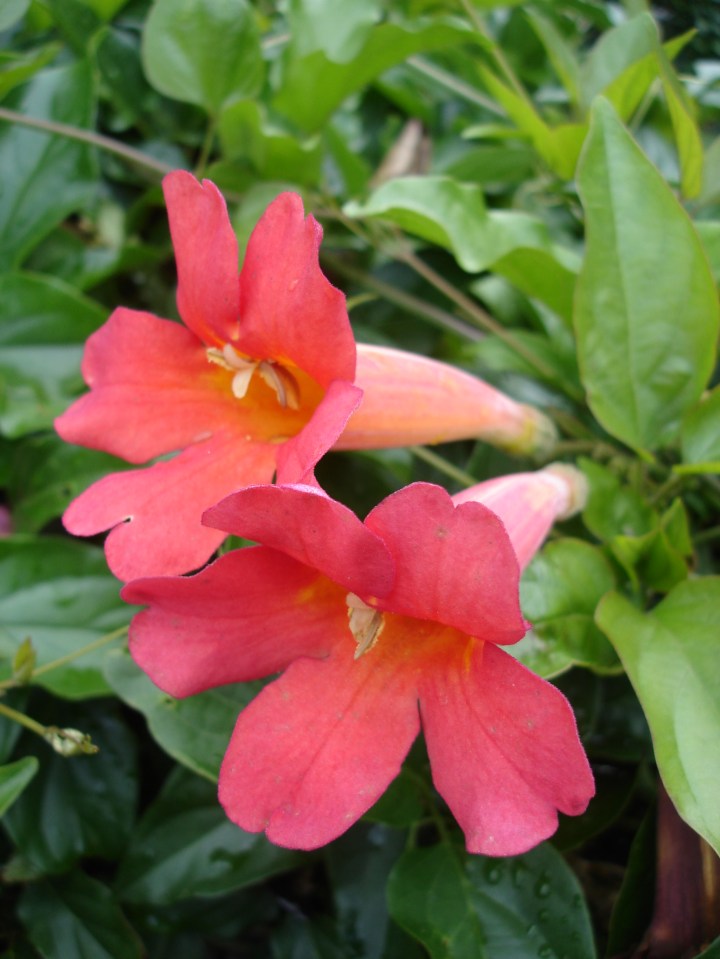
 Red trumpet vine, Distictis buccinatoria, is more green than red. The tubular orangish red flowers with yellow throats are pretty while weather is warm, but not too abundant. Slightly distressed plants tend to bloom more abundantly. Each evergreen compound leaf is a pair of leaflets with a sneaky central tendril that will grab onto anything while holdfast discs get a more permanent grip.
Vines tolerate significant shade, but will find their way to sunnier situations where they grow more aggressively. They can easily reach the roof of a two story house, and grow out of reach in trees. Their holdfast discs will damage paint, and even shingles! Overgrown plants can be cut to the ground and allowed to regenerate.
Red trumpet vine wants to be watered somewhat regularly while young. Mature plants can disperse their roots well enough to find water if they do not get it directly.
 Long before hydrangea blooms with its distinctively round floral trusses of abundant small flowers, the snowball bush, Viburunum opulus ‘Roseum’, shares its own unique version of similar bloom. Although the cultivar name suggests that the bloom would be pink or red, it is exclusively white. Hydrangea will bloom later, mostly in pink or red, with some in blue or lavender, and a few in white.
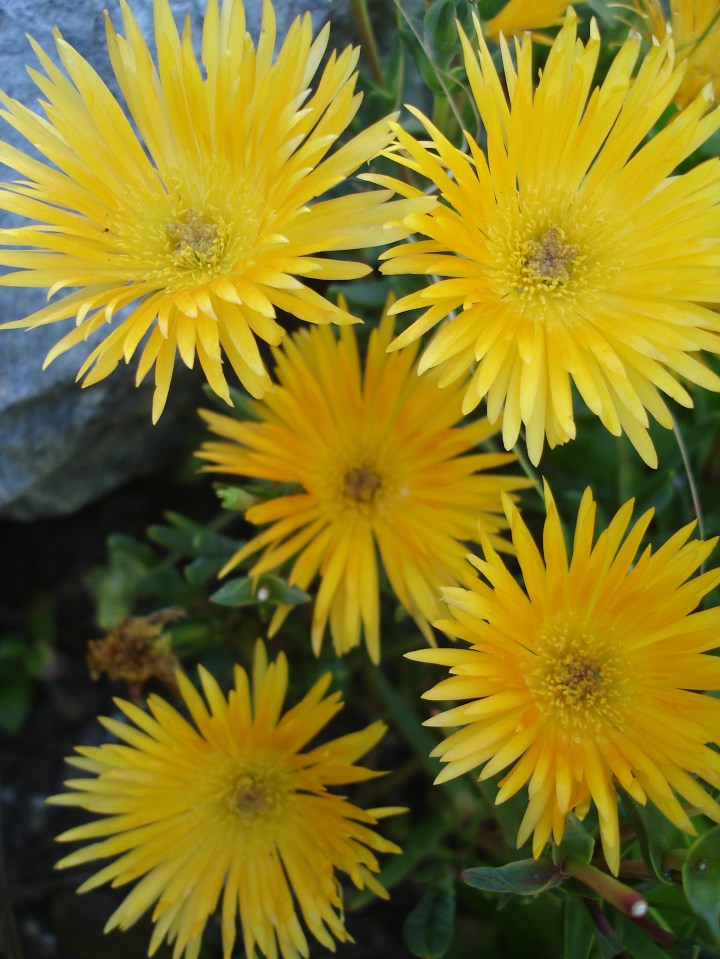 Bright pink bloom that can be profuse enough to obscure the succulent foliage below is nothing new for iceplant. Some bloom bright purplish pink. Others are reddish pink. A few are softer pink or white. What is unexpected is iceplant that blooms bright yellow, orange or gold, like Lampranthus aureus does. (Freeway or beach iceplant that blooms soft yellow or pink is not a true iceplant.)
 It may not be the mother of all lemons, but Lisbon lemon, Citrus limon ‘Lisbon’, is the original cultivar from which ‘Eureka’ lemon was derived; and ‘Variegated Pink’ lemon was later derived from ‘Eureka’ lemon. ‘Variegated Pink’ is still uncommon, and the pink juice is unusual, but because its variegated foliage is less efficient than greener foliage, it is more manageable in small spaces.
 Actually, it is a fruit. It contains seeds. Tomato, Solanum lycopersicum, is one of the most popular vegetables in American gardens. Most are red. Some are yellow or orange. A few weird varieties are pink, green, dark purple, brownish or creamy white. The largest tomatoes can get more than four inches wide. Tiny clustered ‘grape’ tomatoes are less than a quarter inch wide. There are literally thousands of varieties!
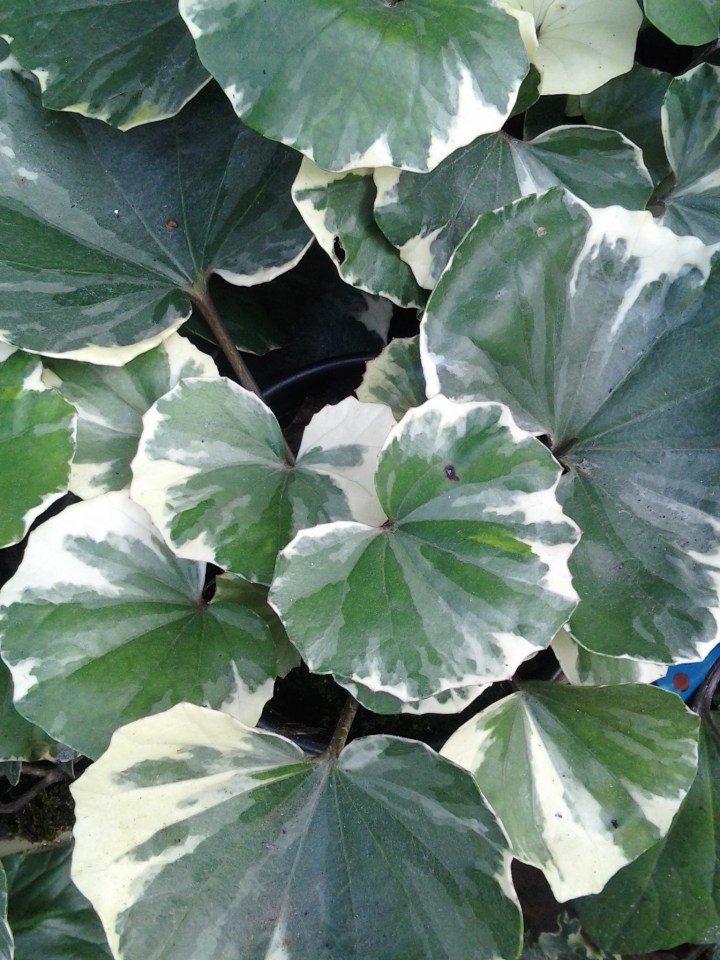 As an understory species that naturally grows under forest trees in its native environment in Japan, leopard plant, Farfugium japonicum, can be quite happy in parts of the garden that are too shady for other plants. If it does not get too warm or dry, it can tolerate full sun. It likes rich soil and frequent watering. Fertilizer should be applied moderately, since too much can cause foliar burn.
 The flowers may not last very long once cut, but cosmos, Cosmos bipinnatus, blooms so abundantly, that there might not be any shortage of new flower to cut and bring in to replace those cut a day or two before. Their pastel pinks and lavenders, as well as white, suit the Easter season perfectly. Their soft light green foliage is remarkably lacy. Mature plants are about two to four feet tall.
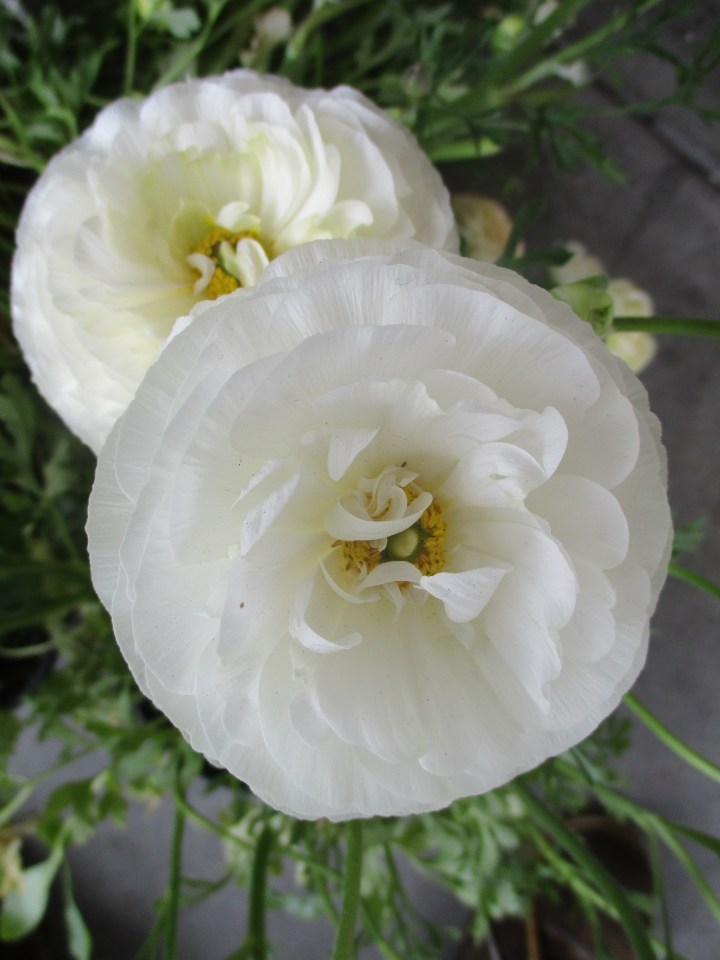 Their little tufts of tuberous roots that were buried late last year were not much to look at. They were more like bits of dried and shriveled sea anemone than something that would grow and bloom with fluffy anemone like flowers. Ranunculus do not bloom as prolifically as related anemones, but they do so with different colors and bulkier flowers that seem crowded with too many thin petals.
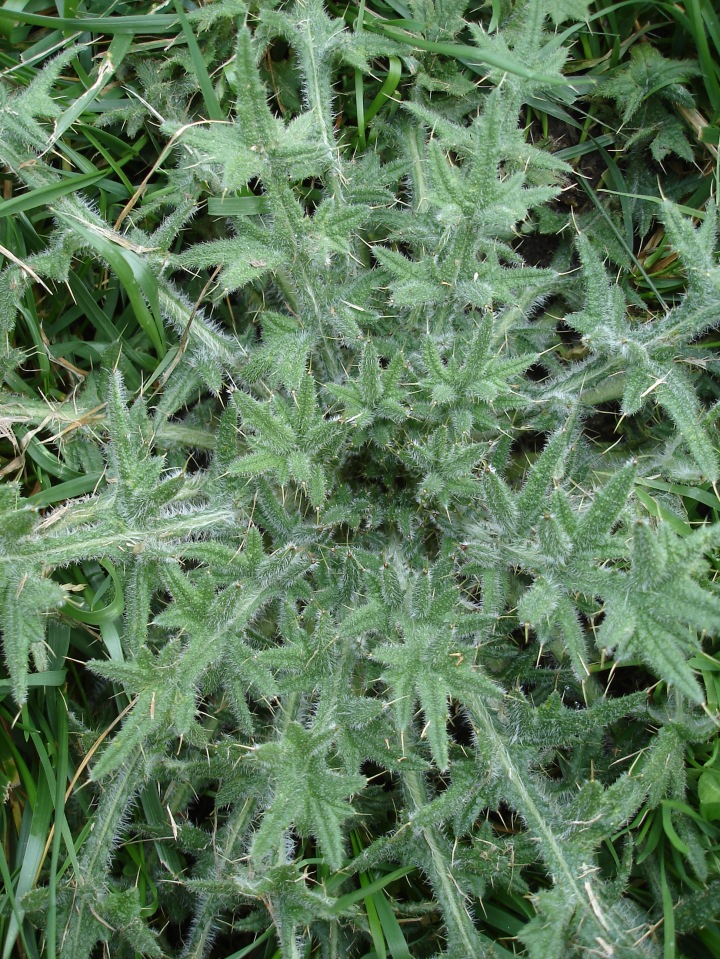 Some of the biggest and nastiest weeds are thistles. The most common is annual sowthistle, which can get taller than four feet in just a few months. It is relatively easy to handle, since the bristly foliage and stems are somewhat soft, almost like coarse lettuce. Blessed milkthistle is much nastier, with sharp foliar spines that can penetrate boots! It can get more than five feet tall and broad!
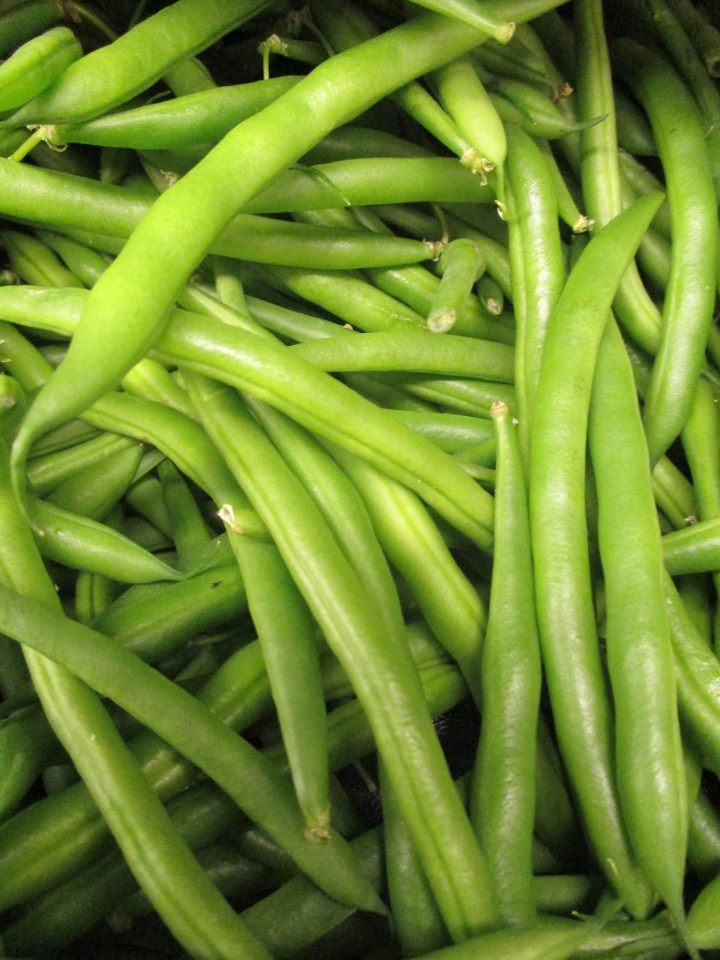 The main difference between pole beans and bush beans should be obvious. Pole beans climb poles. Bush beans are bushy. To complicate things, bush beans are more common in commercial agriculture because they are more adaptable to harvesting machinery, and they are most productive in a brief season, so are more efficiently harvested all at once rather than throughout summer.
