This old article describes how horticulture can not fix everything.

 Foliar tapestries are impressive in the right situation. https://tonytomeo.wordpress.com/2018/02/25/foliar-tapestries/ They work as nicely on exterior walls as conventional tapestries or paintings might work on interior walls. However, they require much more maintenance!
Trendy green walls are overrated. Their only real advantage is that they are pretty. They are not a ‘real’ solution to anything. They may keep the interior of a small building a bit cooler, but no more than light colored paint or a shade structure would. They do not save water, and actually use more water than plants grown in the ground. All that water is likely to rot the walls behind, or the decking below. They do nothing for melting glaciers or saving the planet. In a few more years, when they are no longer trendy, they will be more junk in the landfills.
Most obtrusive exterior walls can be obscured or partly obscured with less demanding…
View original post 144 more words
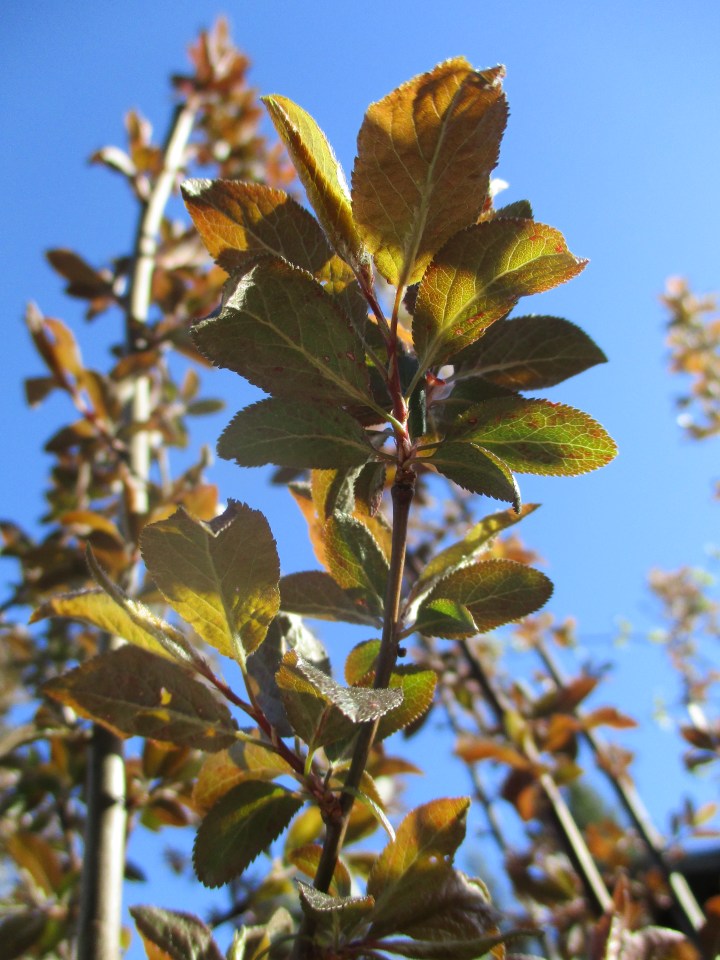
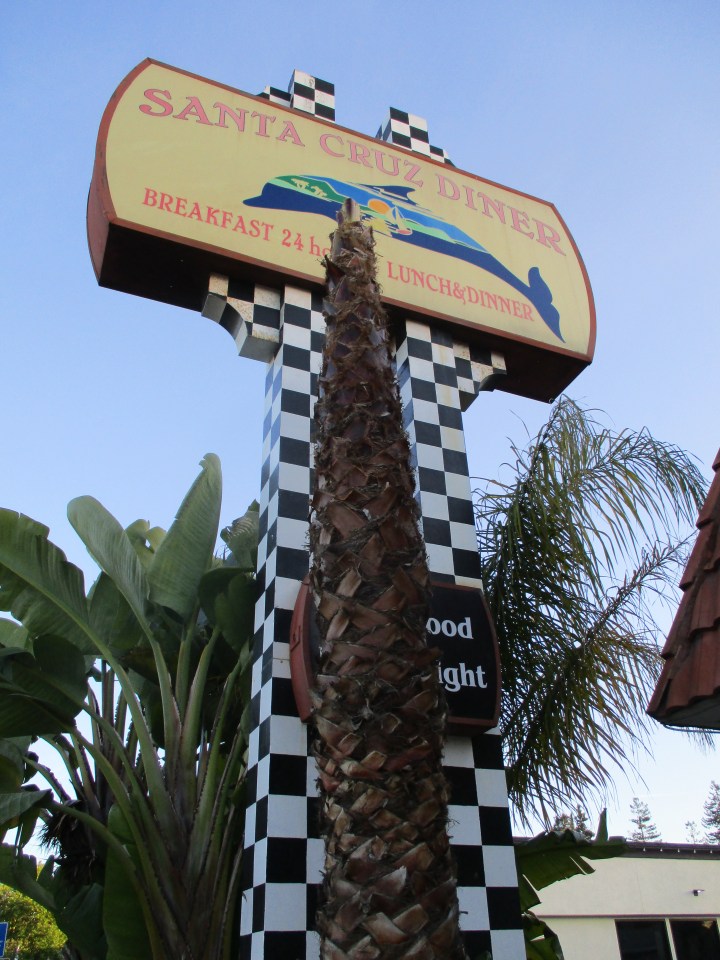 Speaking of which, this is not the right location!
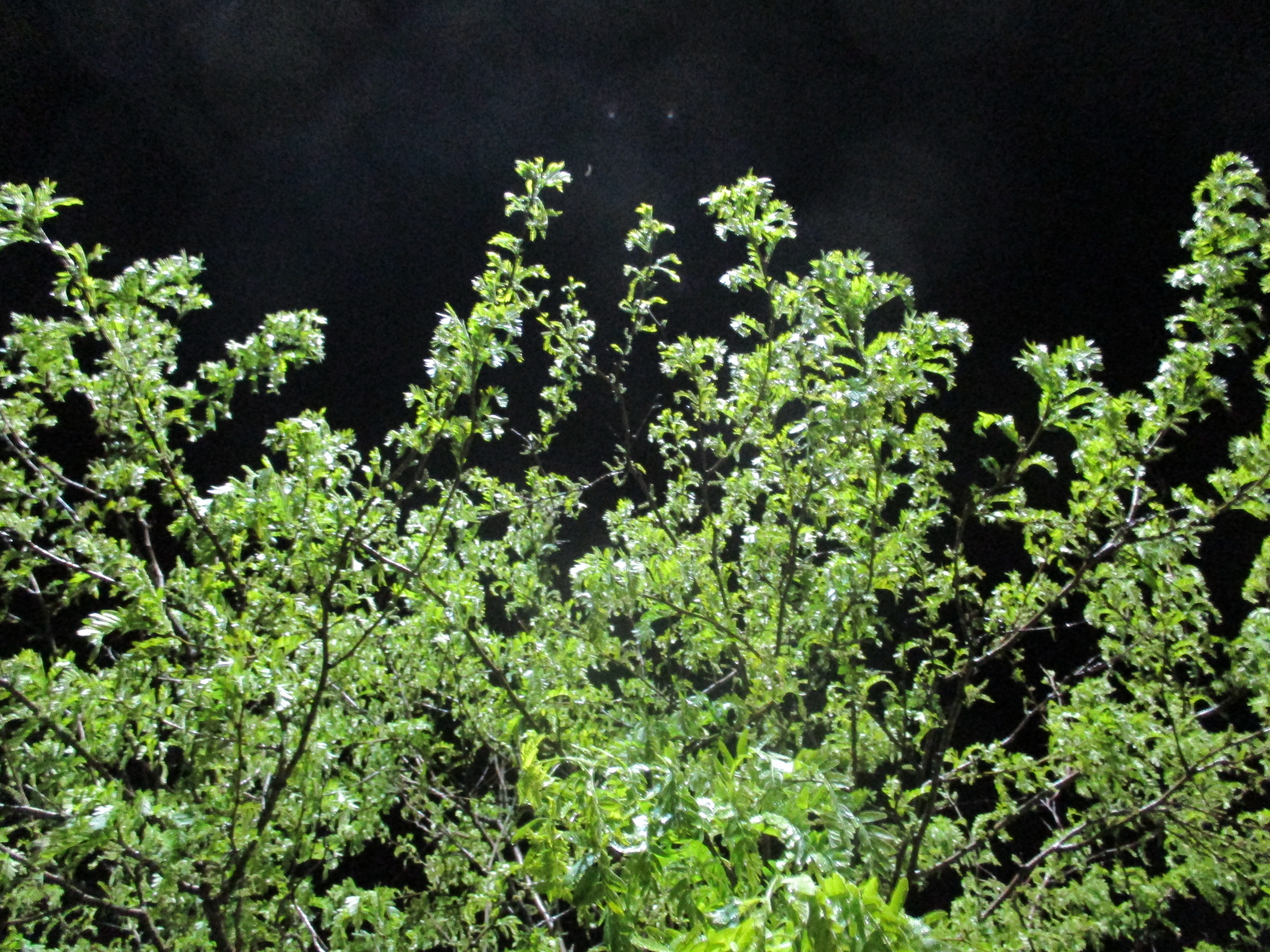 Color in the garden is nice as long as we can see it. There is not so much to see after the sun goes down. That is why some gardens that get used at night are illuminated.
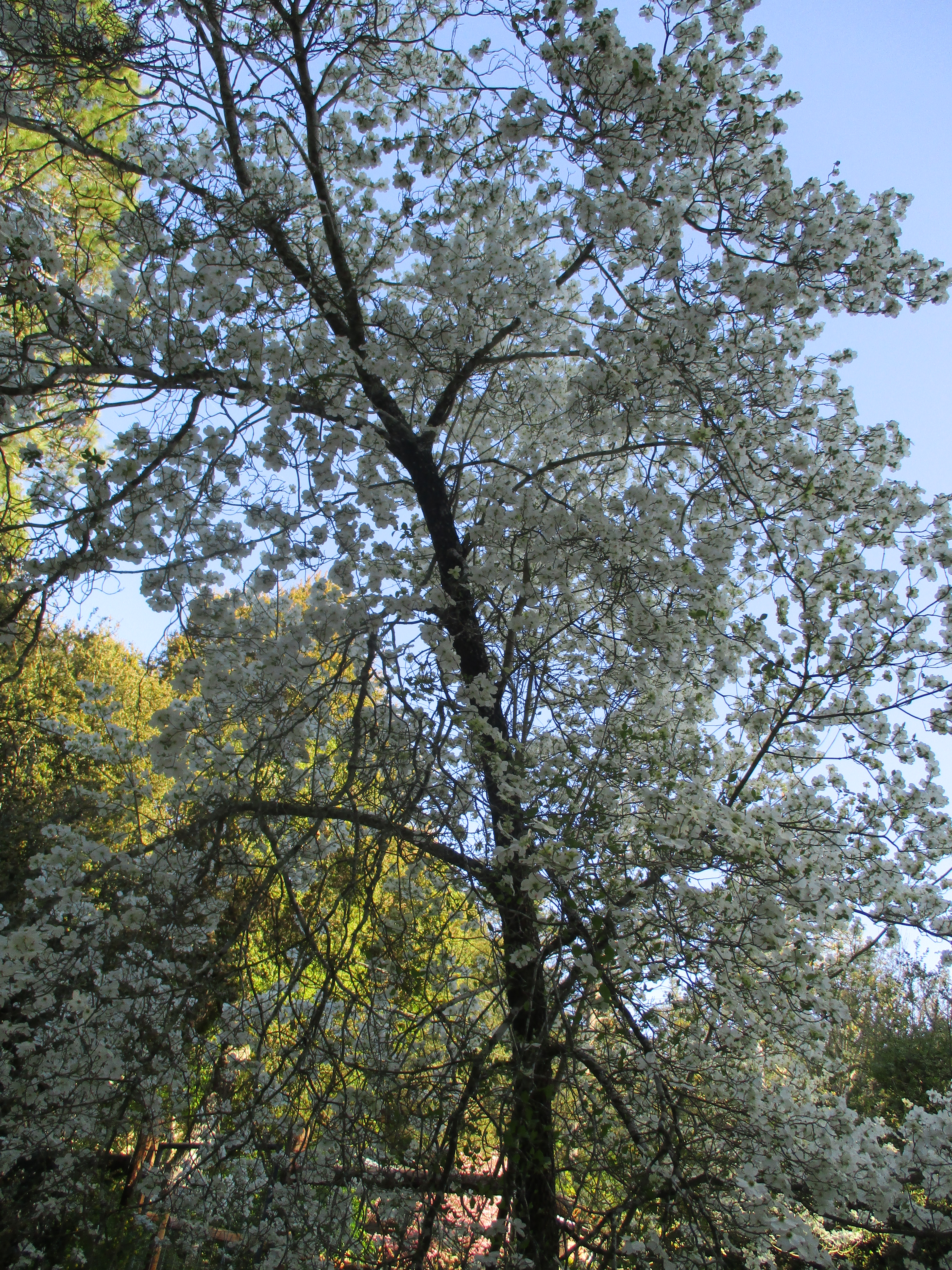 My weekly gardening column does not have much space for everything that should be said about the various topics and featured specie. I just try to fit the most basic of information into the space available, but usually would like to fit more in.
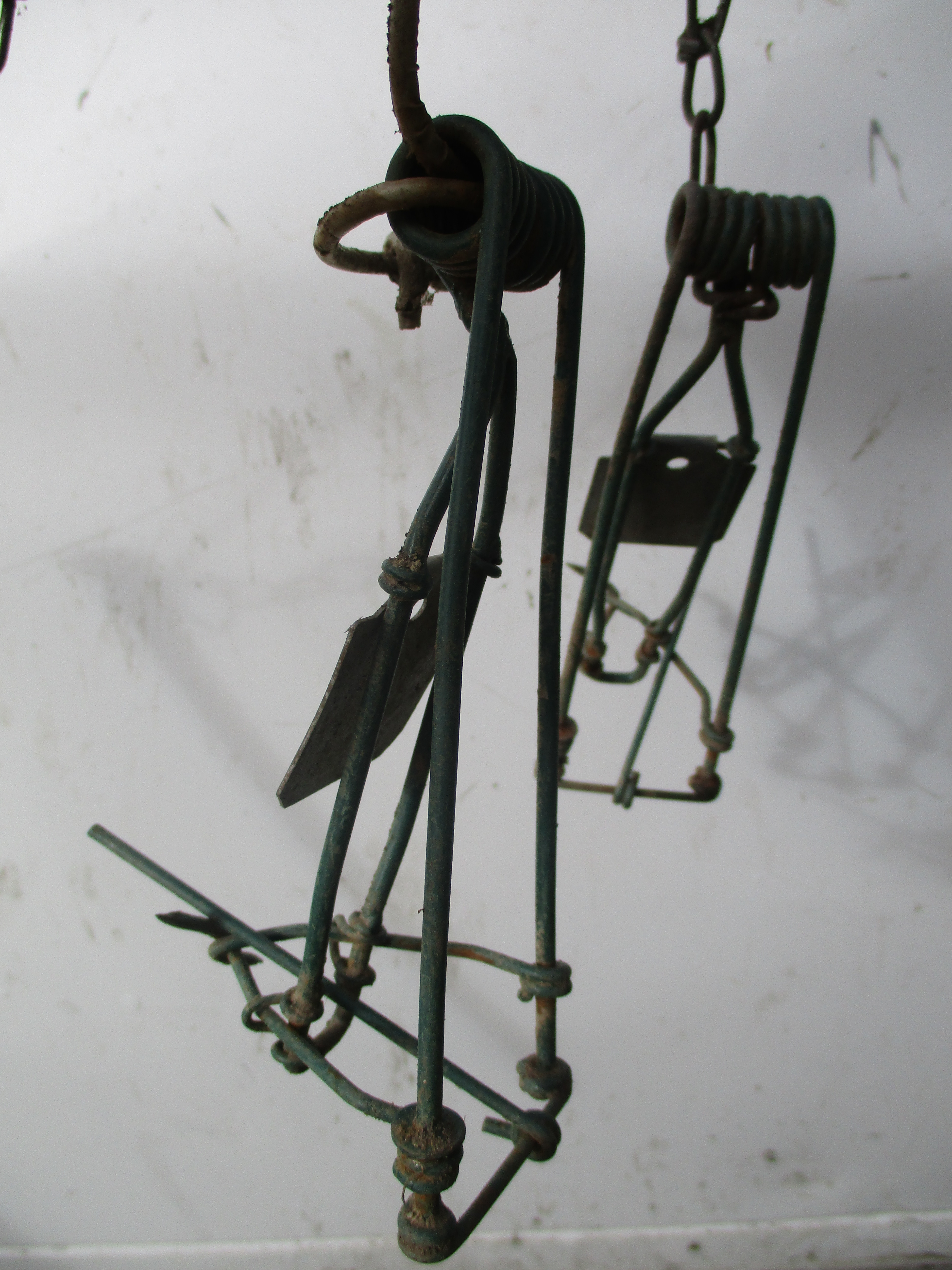 Halston, with the help of several friends, could make a nice pill box hat. That is the origin of the name; from pill box hate fame. This might help clarify,
 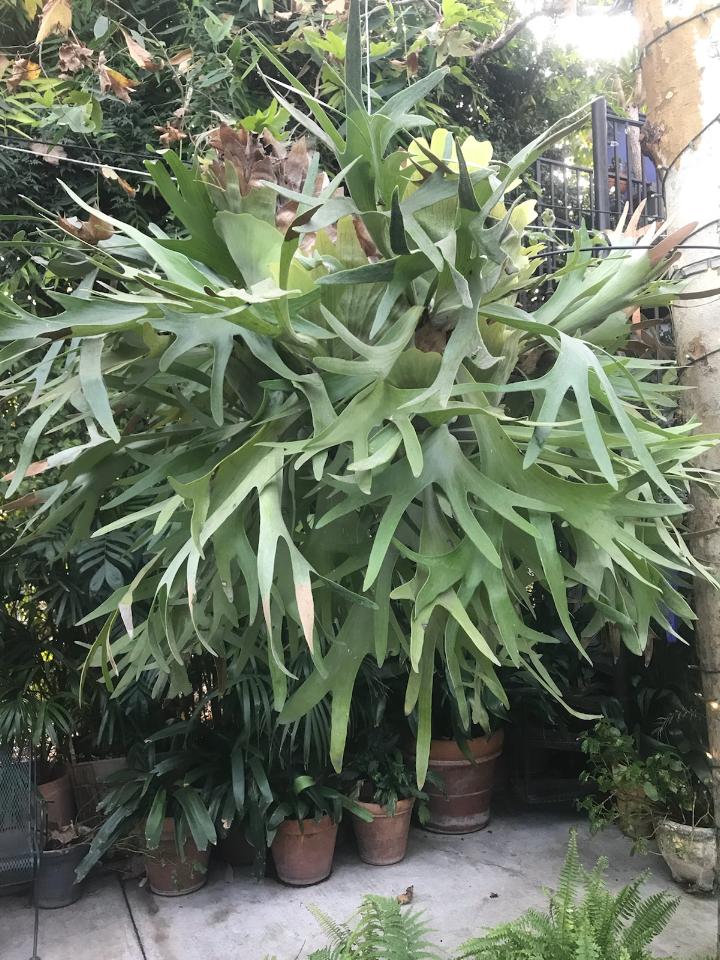 Staghorn ferns are epiphytes. They cling to tree trunks, rocks or whatever they happen to grab onto. They can root into decayed wood if it is porous enough, but they are satisfied to just cling to the exterior. They do not need soil. They sort of make their own soil by collecting debris that falls from the canopies of trees above. In the jungles where they live, they get all the water they need from rain. They often live in the crotches of branches because that is where they happen to land. (The epiphyte I wrote about earlier was just a palm that landed in the wrong place, but is not really an epiphyte.
 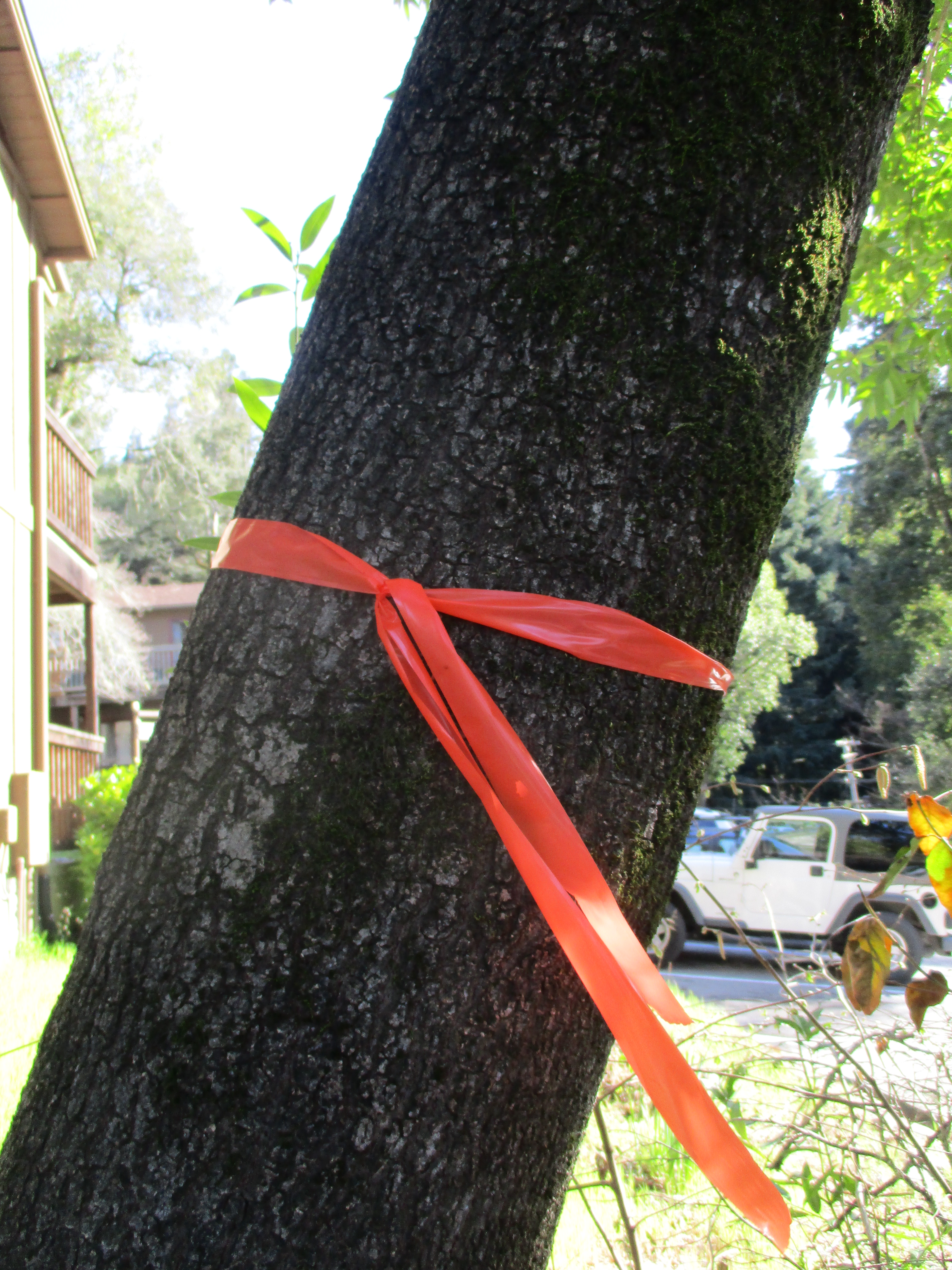 This exquisite yet elegantly simple persimmon orange cravat is to die for! See how distinguishing it is for the Umbellularia californica sporting it! The brilliant color is so appropriate for a tree that needs to stand out in a crowd! How else would the arborists coming to cut it down find it? Yes, it is to die for!
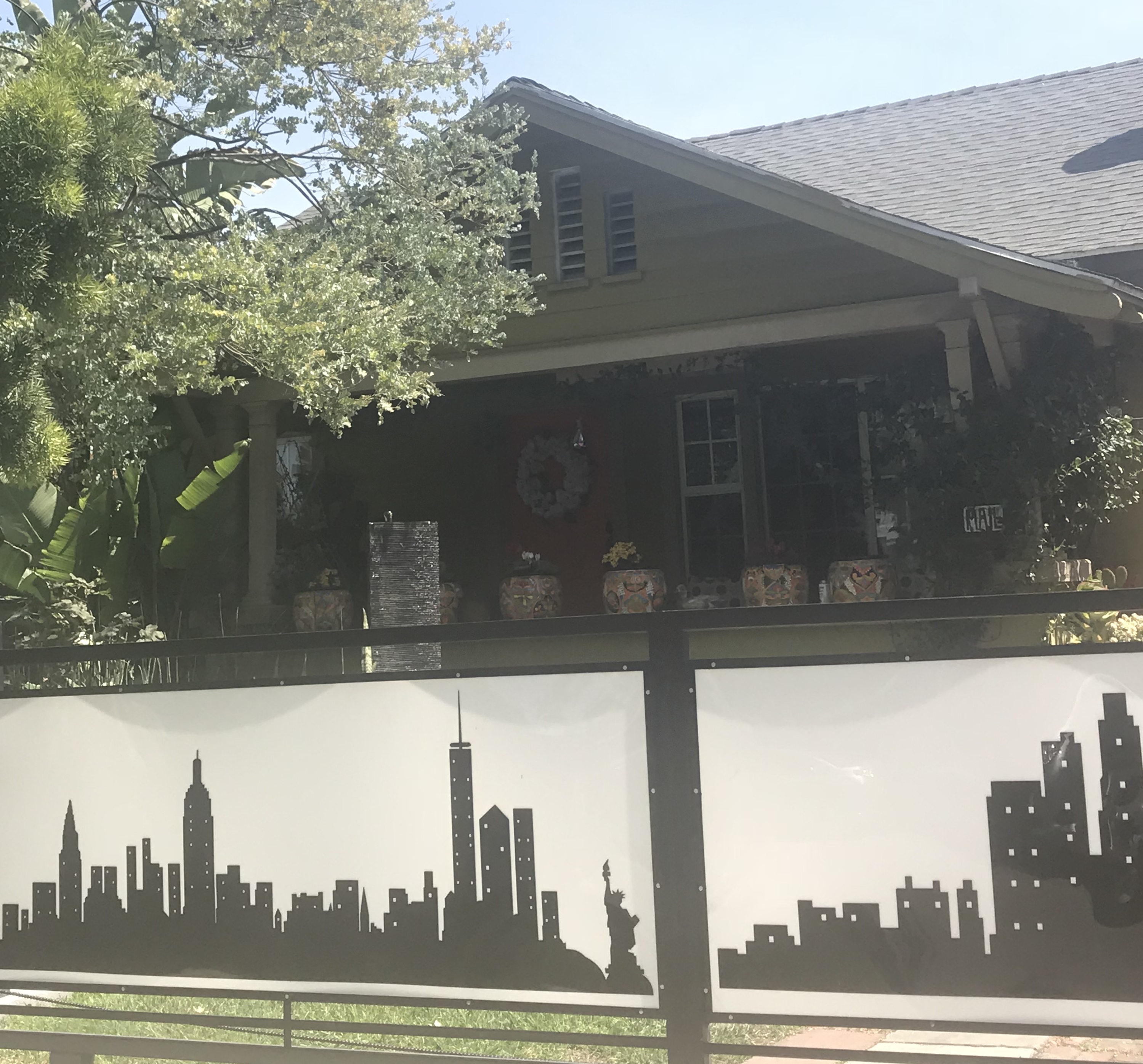 After all the years it was out there, someone, somewhere must have gotten good pictures of it. I never did. Nor did anyone I know. It was something of a famous landmark in Santa Clara.
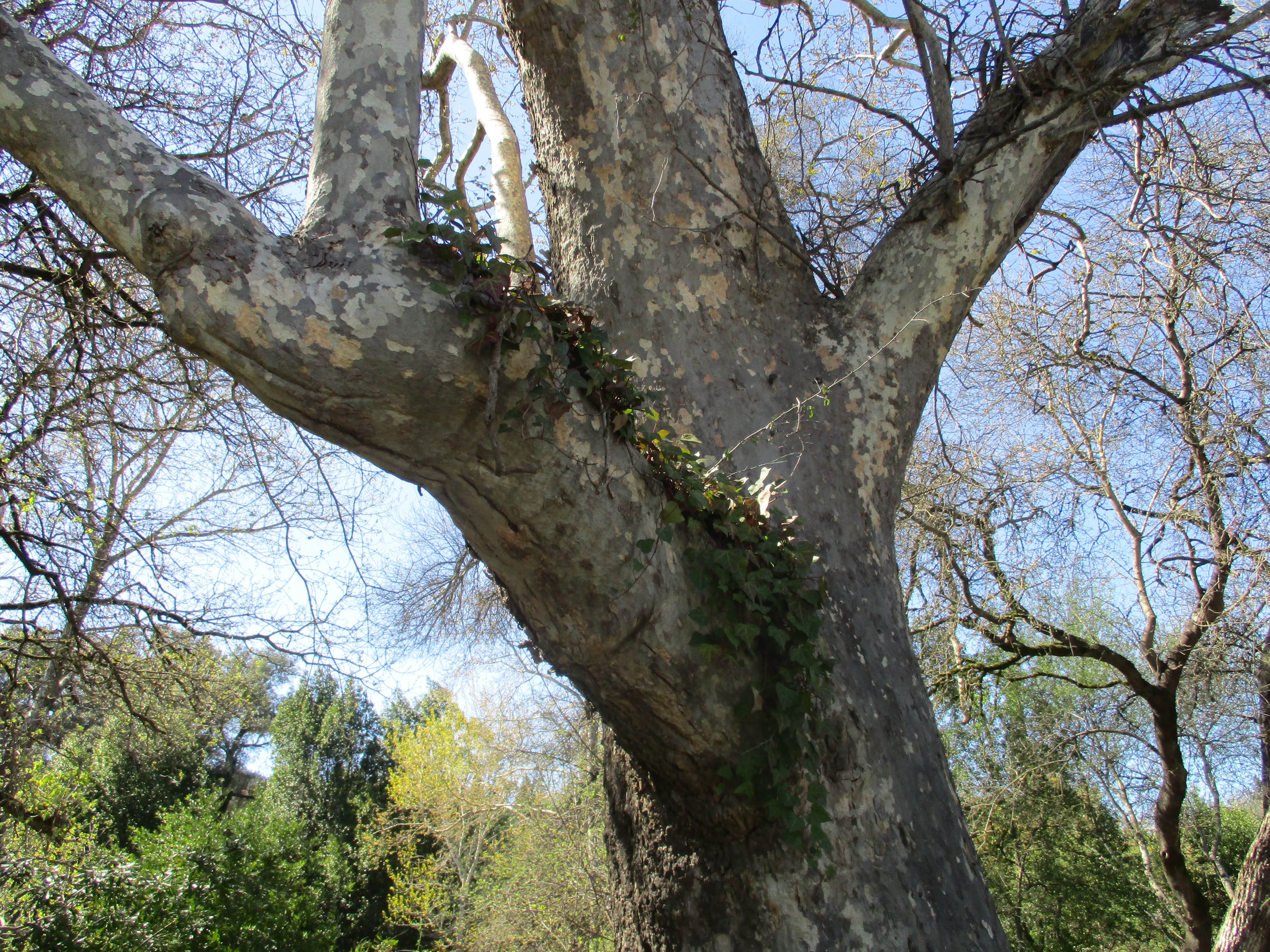 The ivy in this sycamore did not just climb up from the ground to hang over this big limb. If you look closely, you will see no vine coming up from the ground. This small patch of ivy as well as a small pyracantha, are growing in a decayed cavity on top of the big limb. The ivy may have climbed up a long time ago, and then rooted into the cavity before the original vine was somehow removed. Alternatively, the ivy might have grown from a seed that was dropped by a bird or ivy vines that are higher up in nearby box elder trees. It is impossible to say now.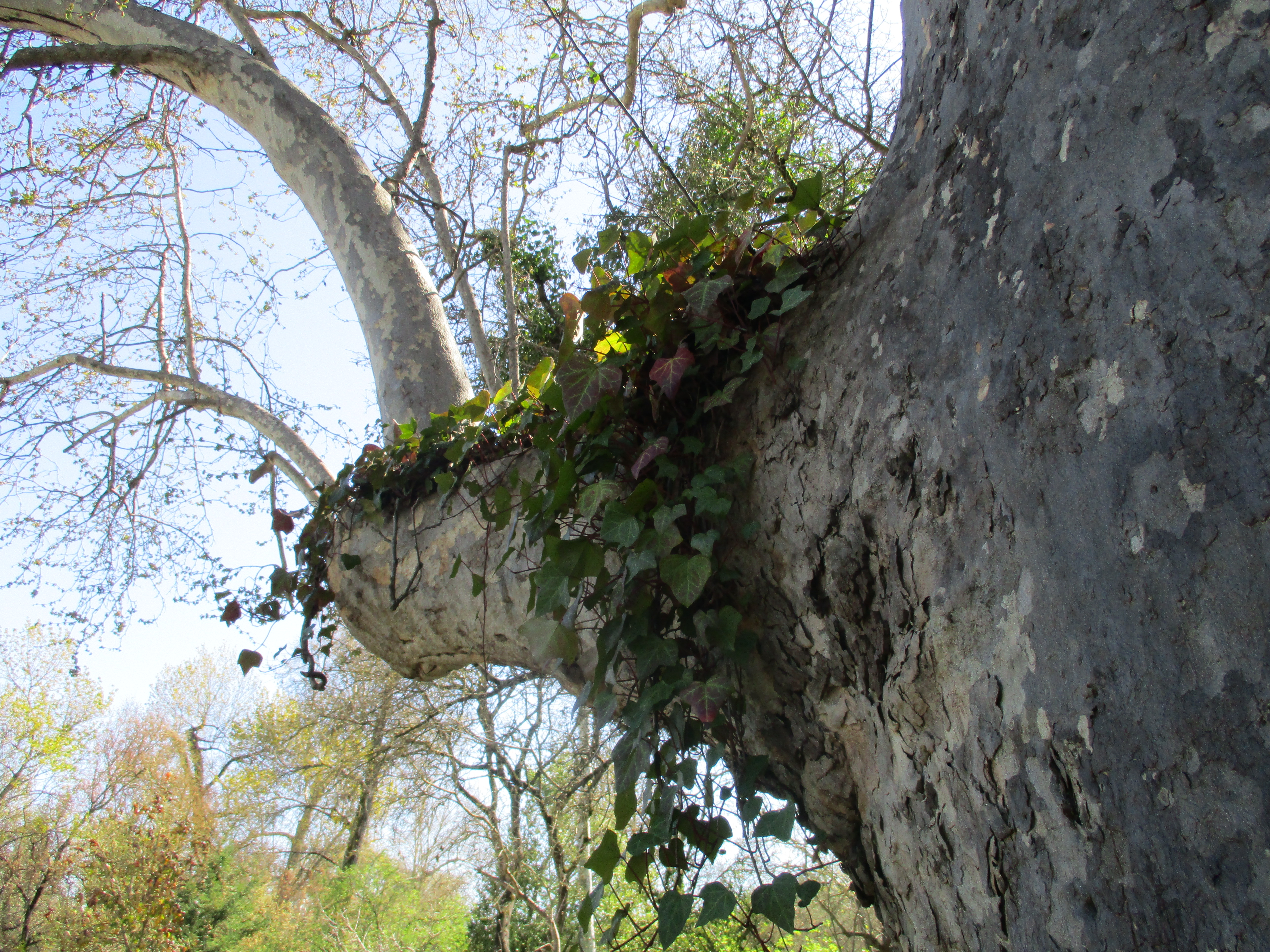
 Tony Tomeo