For this Wednesday, I will not even try to comply with the ‘Horridculture’ meme. As I reblog old articles, I take what I can get. I could complain about the subdued autumn foliar color here, but I happen to appreciate our mild climate that does not get cool enough for better color.

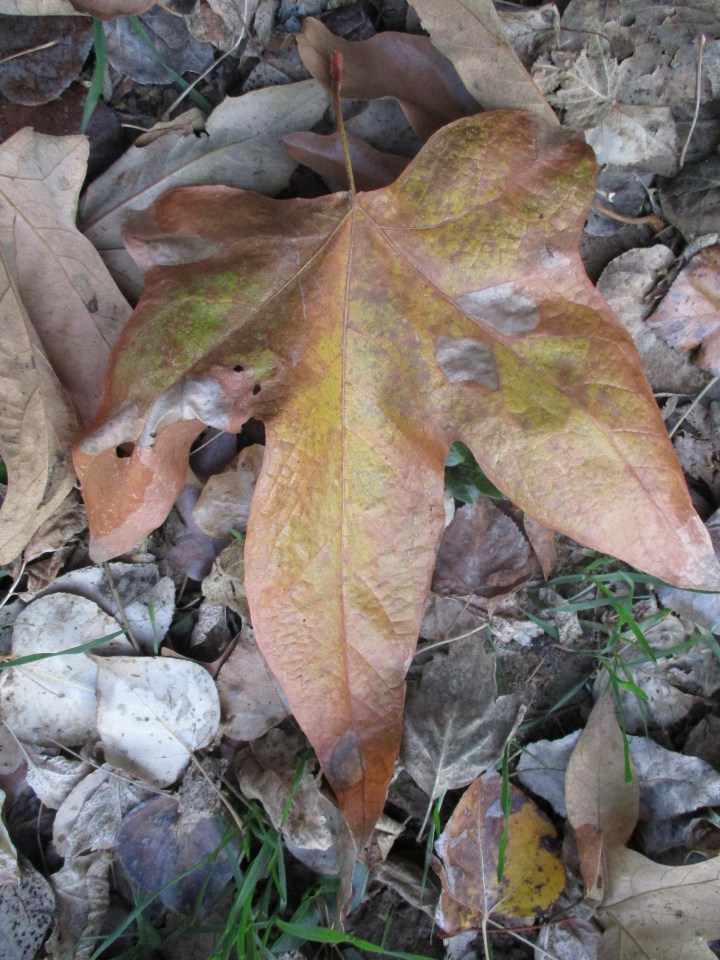 I do not know where they went. There are plenty that are not worth getting pictures of, but the pretty and colorful ones that I wanted to show off in the ‘Six on Saturday’ post are gone. I suppose that they are still out there. They just are not as pretty and colorful as they were earlier.
Pistache leaves deteriorate quickly. They were very colorful while still in the trees, but were not much to look at by the time they were on the ground.
Ginkgo colored well too, but after I got that one picture of the single leaf, I could find no others. The tree that sent that leaf is not in the neighborhood. ( https://tonytomeo.wordpress.com/?s=birthday )
I suppose that I could have gotten a good picture of a colorful sweetgum leaf. I just did not bother with them. Nor did I bother with flowering pear.
California sycamore…
View original post 168 more words
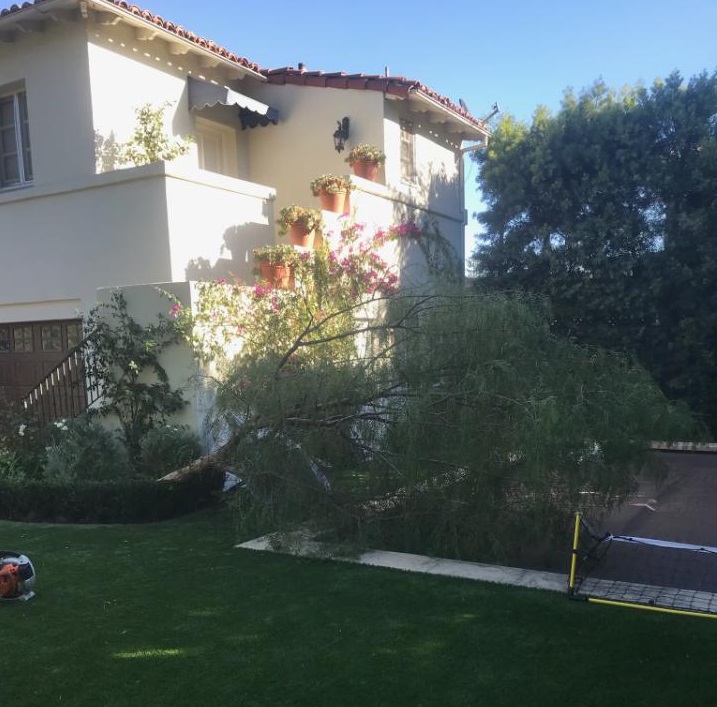 They have been a part of life in Southern California longer than anyone can remember. The Santa Ana Winds have been blowing down from the high deserts to coastal plains long before people arrived in the region. They are arid and usually warm before they leave the Great Basin and Mojave Desert, and they get even warmer as the flow downhill through mountain passes. That is what makes them so dangerous during fire season. Wind alone accelerates wildfire. Warming arid wind desiccates fuel, making it more combustible before wildfire arrives.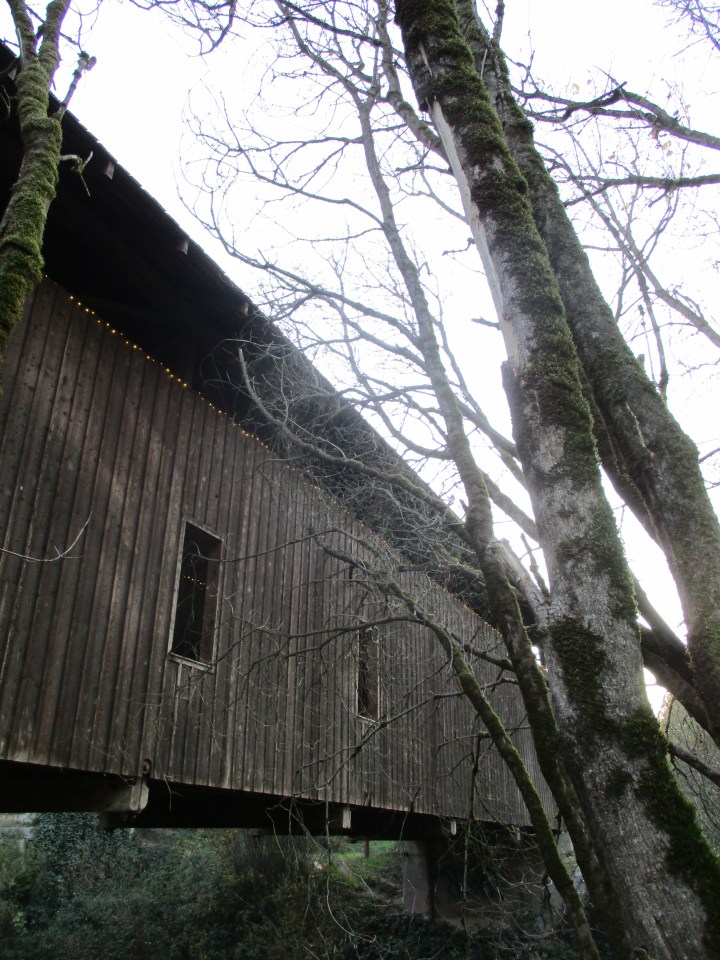
 What is killing the box elders? (
 Just because it ‘can’ be grown as a houseplant does not meant that it ‘should’ be. That is a lesson that Brent and I never learned in college. He and I were roommates in the dorms at Cal Poly in San Luis Obispo, which, as you can imagine, was a problem. Our room on the top floor of Fremont Hall was known as the Jungle Room. It was so stuffed full of weird houseplants, as well as a few plants that had no business inside. We had a blue gum eucalyptus bent up against the ceiling, an espaliered Southern magnolia, a Monterey cypress, and a herd of camellias that we rescued from a compost pile on campus.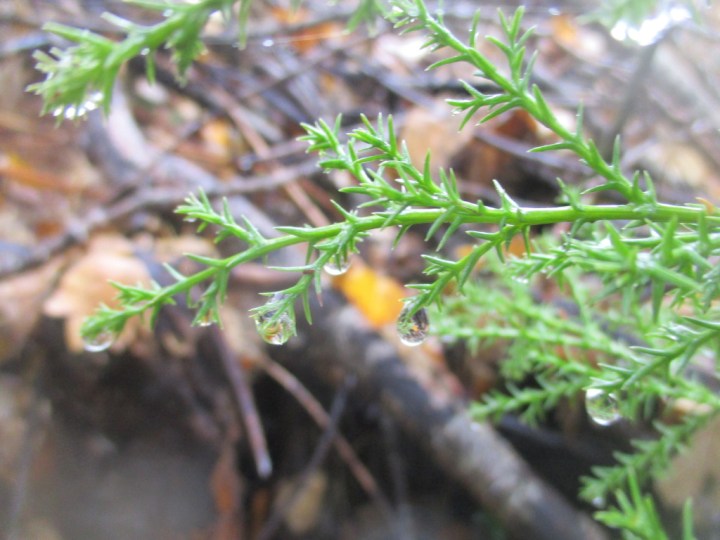
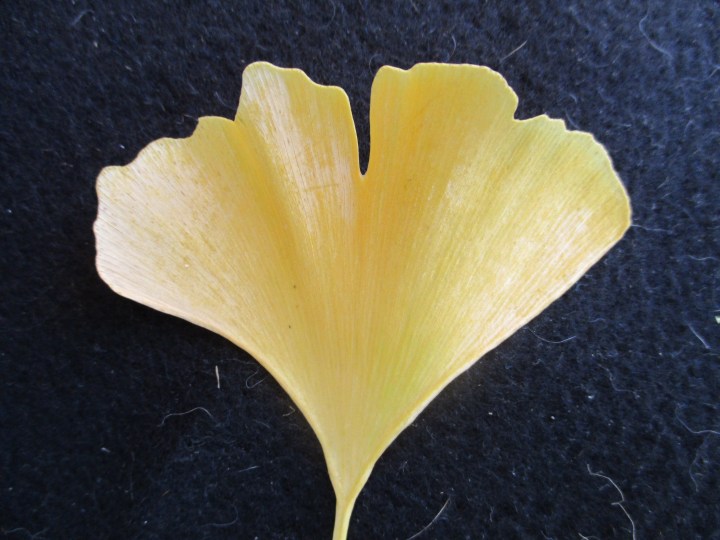 This single yellow ginkgo leaf says a lot. It was found among the abundant cottonwood leaves on the broad walkway in Felton Covered Bridge Park (
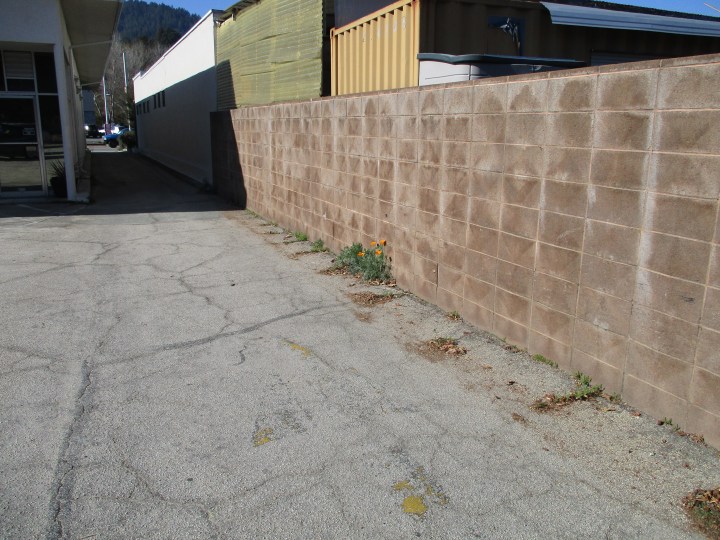 Not just any poppies; California poppies, the state flower of California.
 Newer developments are often named after what was destroyed to procure space for them. Writers and historians have been making that observation for decades.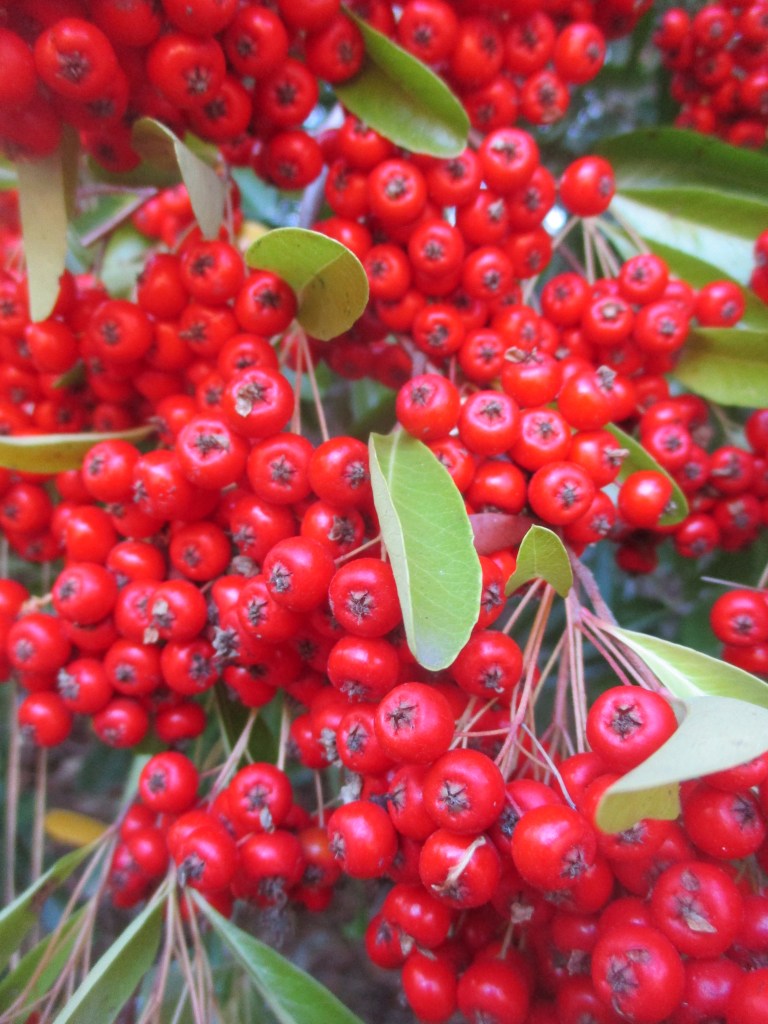
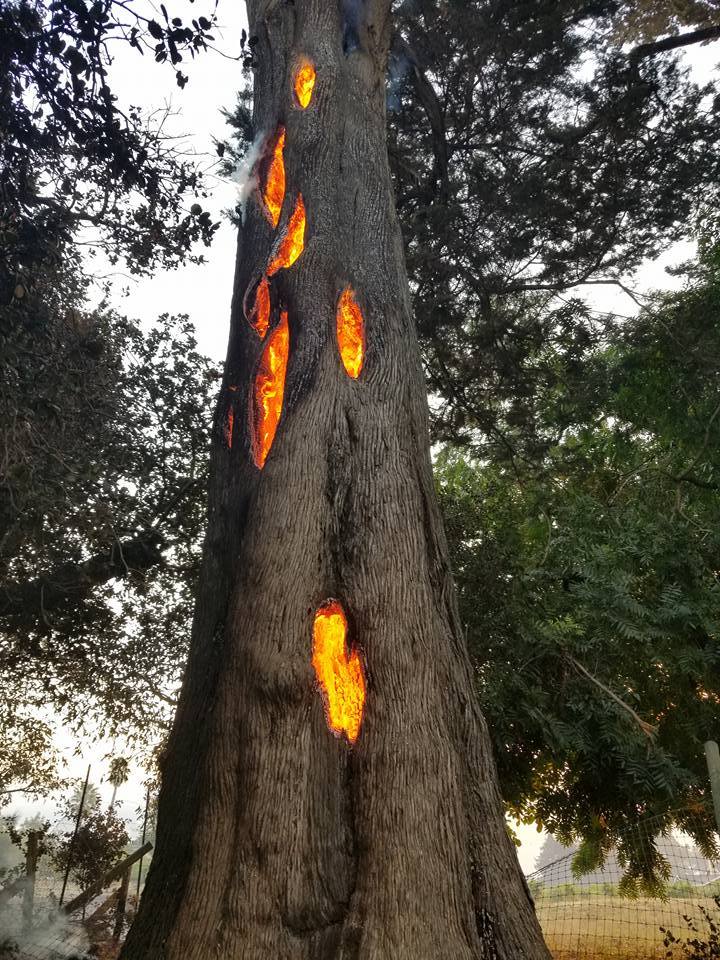 Matthew McDermott got this picture, which was actually part of a video, of a tree burning from within during the devastating fires in Sonoma County last October 9. Many of us saw it in the news. It is actually not as uncommon as it would seem to be. Interior wood is more combustible, and sometimes already well aerated from decay, so can burn if exposed to fire through wounds or cavities, while the exterior of the same tree resists combustion. This is why there are so many big and healthy coastal redwoods with burned out hollow trunks. Of course, trees more commonly burn from the outside.
