Proper Pruning Without Sealing Wounds

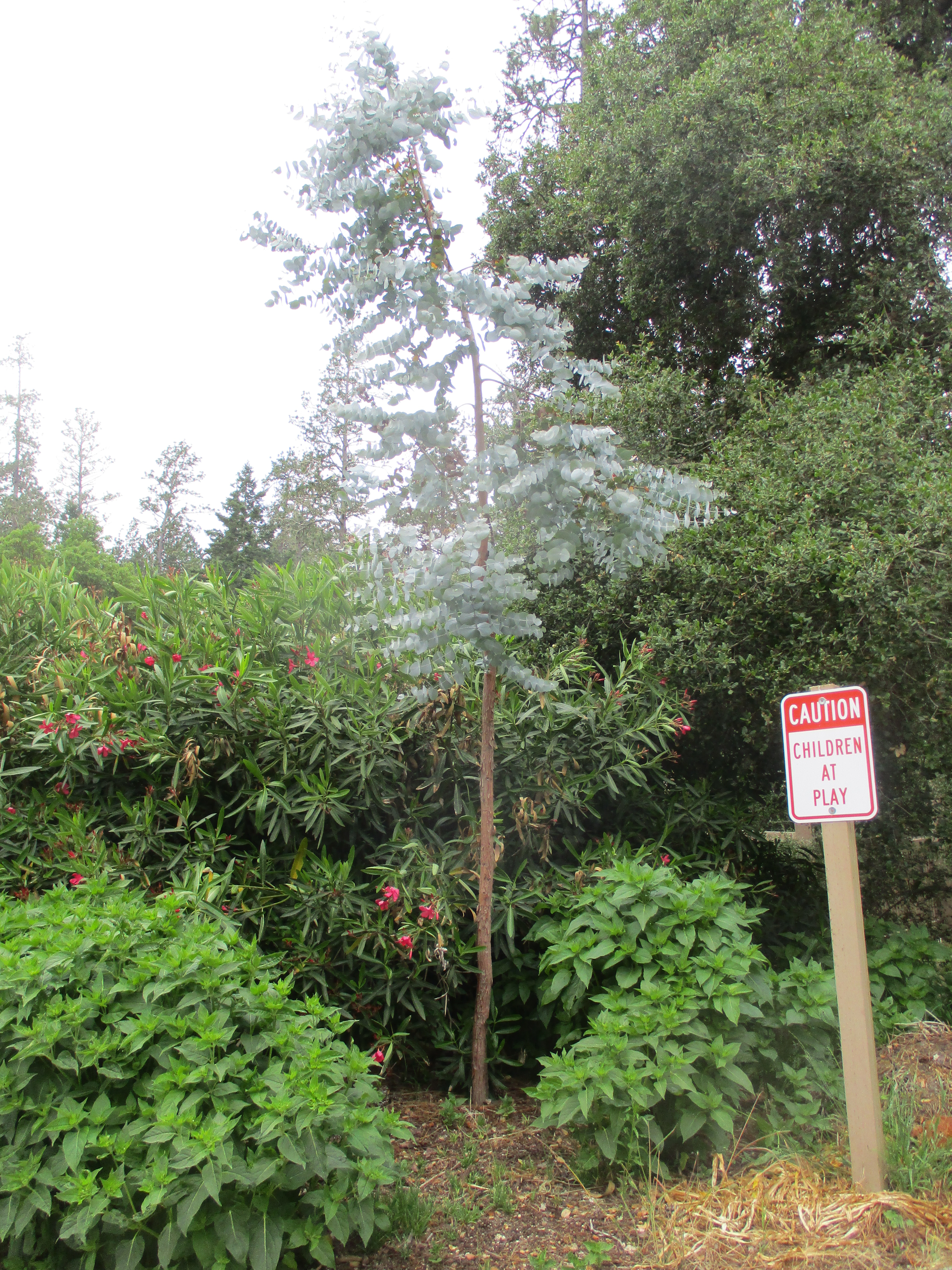
As improper as this extreme pruning is, the would will heal more efficiently without sealant.

Sealing pruning wounds with grafting compound or any other gunk, like paint, wax, tar or roofing compound, literally adds insult to injury. Grafting compound should only be used to temporarily limit desiccation while graft unions knit. It eventually flakes off as the affected parts (understock and scion) grow. Because the cut surfaces of pruning wounds do not grow, grafting compound does not flake off right away, so can remain mostly intact for years, retaining moisture and actually promoting rot. Some thick emulsions may even inhibit callus growth over wounds (healing).

Because so many people expect pruning wounds in trees to be treated with some sort of dressing, some tree services apply black spray paint. Most who do so fortunately know that it is best to apply the paint lightly enough to be porous instead of actually sealing the surface. Some use temporary marking paint, which is designed to deteriorate in the weather. (The cut surfaces hopefully darken simultaneously so that no one notices.)

The best way to promote healthy recovery from pruning is to prune properly, leaving no stubs to interfere with compartmentalization (healing). The sort of rapid growth that most efficiently compartmentalizes pruning wounds naturally occurs at branch unions, even after the associated branches get pruned away. This is because the remaining foliage beyond the unions (the parts that do not get pruned away) remain vascularly active and able to sustain such growth. Similar growth at the end of a stub is much slower because there is no foliage beyond.

More often, a stub dies, leaving an obtrusive peg lodged where callus growth should be closing a wound. By the time the stub rots enough to not interfere, rot will have also extended into the union with the supporting stem.

Horridculture – Bucket of Bolts

Actually, this was not a total ‘FAIL’. The bolted greens were not so bad, and I actually preferred their flavor to milder and ‘better’ greens.

tonytomeo's avatarTony Tomeo

P00425-6 They started out nicely.

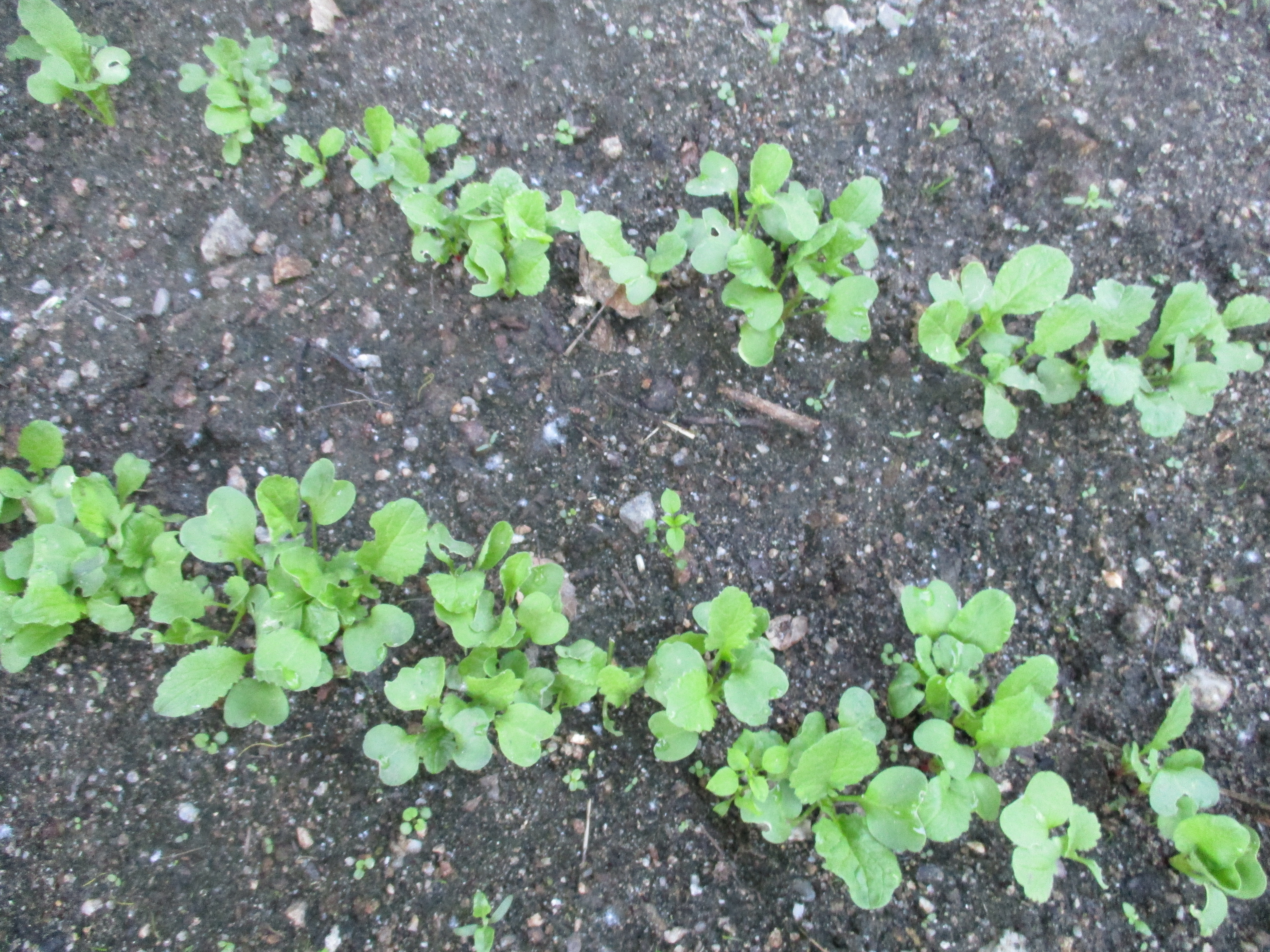
Radishes seemed like a good idea back when I sowed the seed in the garden. I had not grown any in many years. I thought that the particular location would be cool enough to inhibit bolting, even though it was starting to get close to the end of their season here. They are definitely a cool season vegetable here, with brief seasons in spring and autumn. Some linger through winter.

The seed germinated efficiently. The seedlings started out well. Radishes are small roots that mature in only about three weeks. Technically, they were right on schedule. I happened to get a few tiny radishes from the batch. However, after the seed were sown, but before the radish roots developed, the formerly cool spring weather warmed suddenly enough to stimulate bolting.

The elongation of floral stalks was visible within the foliar rosettes of most of the individual…

View original post 159 more words

Silver Lining

Three years later, this little tree is not quite so little. It certainly is pretty though.

tonytomeo's avatarTony Tomeo

P00614-1 This little silver dollar tree did well with a second chance.
Among the more than seven hundred species of Eucalyptus, nomenclature gets confusing. It certainly does not help that some species have multiple common names. Eucalyptus cinerea is a rather distinctive species with at least two equally distinctive common names. The problem with these names is that, although sensible in Australian, they are not so sensible to Californians.

‘Mealy stringybark’ is a name that must describe something of the physical characteristics of the species. The bark is rather stringy, but no more stringy than that of so many other species. The glaucous foliage might be described as mealy in Australian English. ‘Argyle apple’ is a weirder name. Again, it must make sense in Australian culture. I just know it as ‘silver dollar tree’.

A few years ago, I acquired a severely disfigured and overgrown #5 (5 gallon) specimen of silver…

View original post 168 more words

Wasps!

Now that this old article reminds me of this problem, I realize that it has not been a problem yet this year. Perhaps last winter was unconducive to their dormancy.

tonytomeo's avatarTony Tomeo

P00613K Dead wasps are the best wasps.

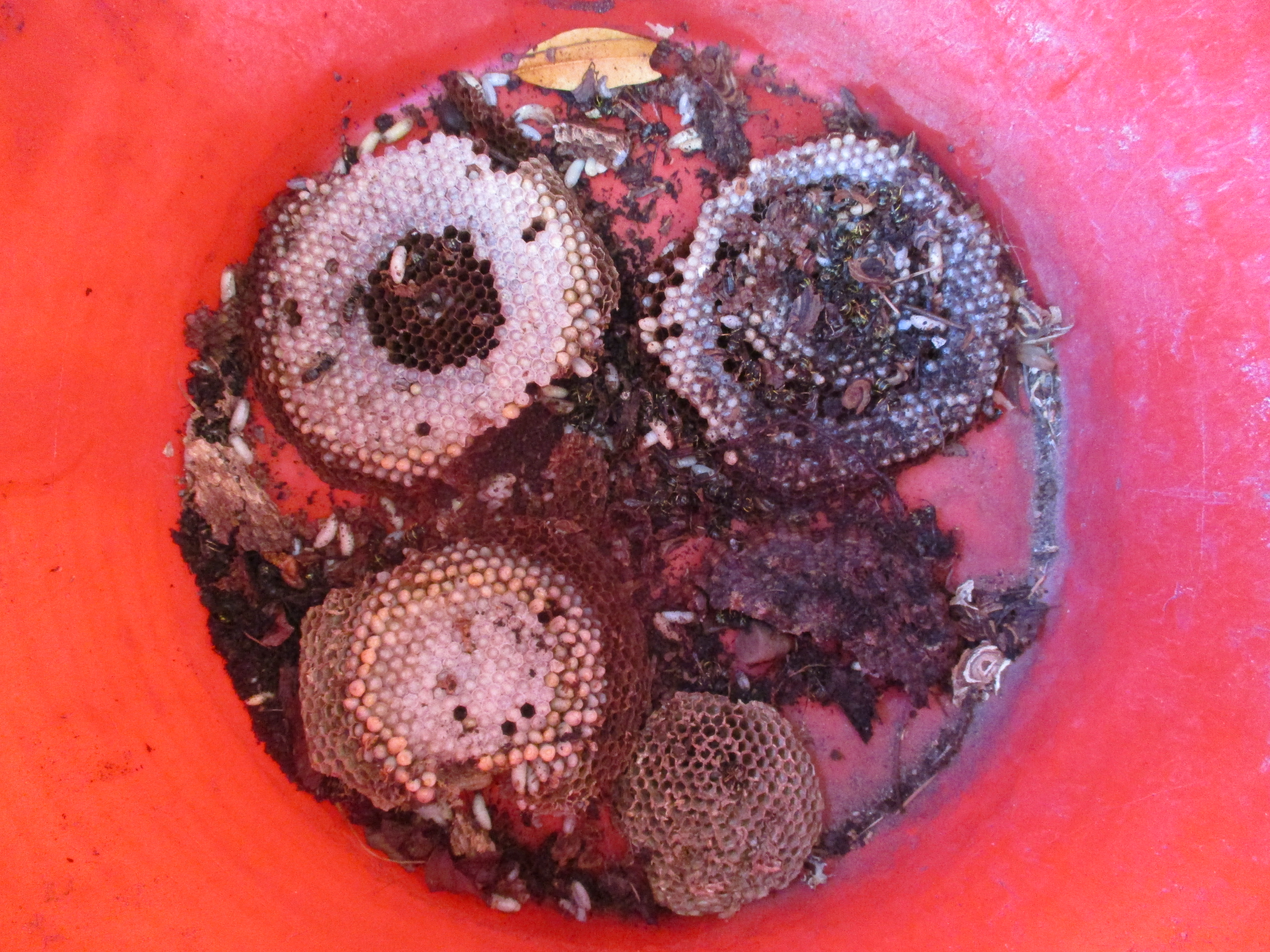
Wasps, hornets and yellow jackets that get established within landscapes or buildings are a serious problem. They are not so easily avoided like those out in the wild are. They are aggressive to people and pets who get too close to their nests, and attack with painful stings. Such behavior is unacceptable within the publicly accessible landscapes at work.

There are a few species of wasp, hornet or yellow jacket here. We do not get sufficiently acquainted with any of them to actually identify them. Our priority is eliminating as many of them as possible from the landscapes. Some get trapped. Others get evicted from the few nests that we locate. It is unpleasant work, but it is better than others getting stung.

Wasps, hornets, yellow jackets, or whatever they are, become more of a problem later in summer. They are just getting started…

View original post 156 more words

Horridculture – Spruce Up

Well, it remains, three years later.

tonytomeo's avatarTony Tomeo

P00610 Even Charlie Brown would reject this little blue spruce.
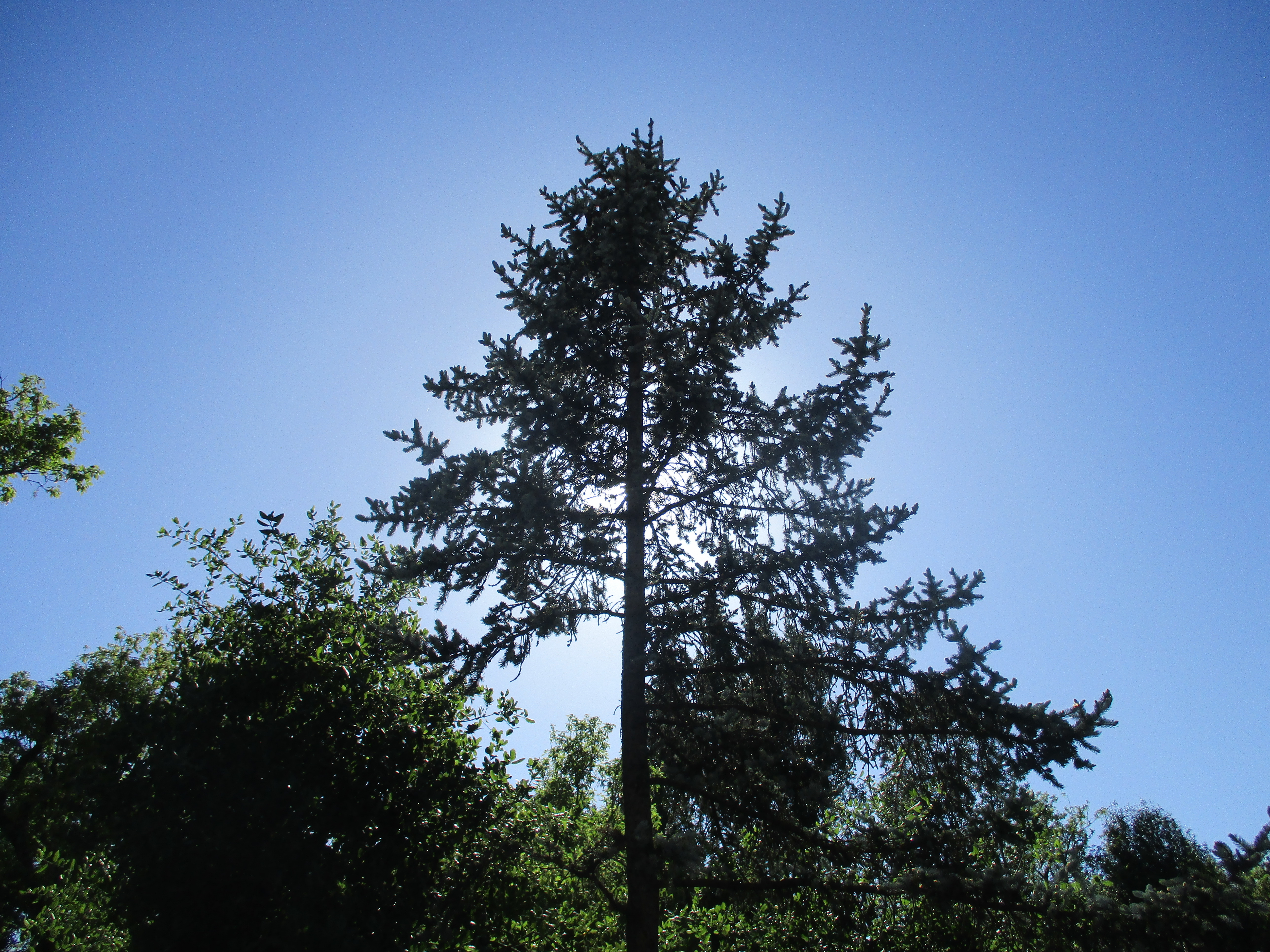
No one wants to cut down this little blue spruce. What is worse is that no one wants anyone else to cut it down either. We all know it is ugly. We all know that it can not be salvaged. We all know that it really should relinquish its space to the healthy and well structured coast live oak next to it, in the lower left of the picture. Yet, it remains.

It was planted amongst a herd of gold junipers in about 1980 or 1981, shortly after the construction of the adjacent buildings. An abandoned irrigation system indicates that it was likely irrigated for some time afterward, although it is impossible to know for how long. Otherwise, it and the junipers were completely ignored for the last four decades.

When the vegetable garden was installed nearby, brambles, weeds and trash…

View original post 251 more words

Dago Wisteria

The last of the layered copies of this grape vine that I found while pruning it found homes prior to last winter. However, I found several more layered copies of an unidentified and likely feral grapevine across the creek last winter. It never ends.

tonytomeo's avatarTony Tomeo

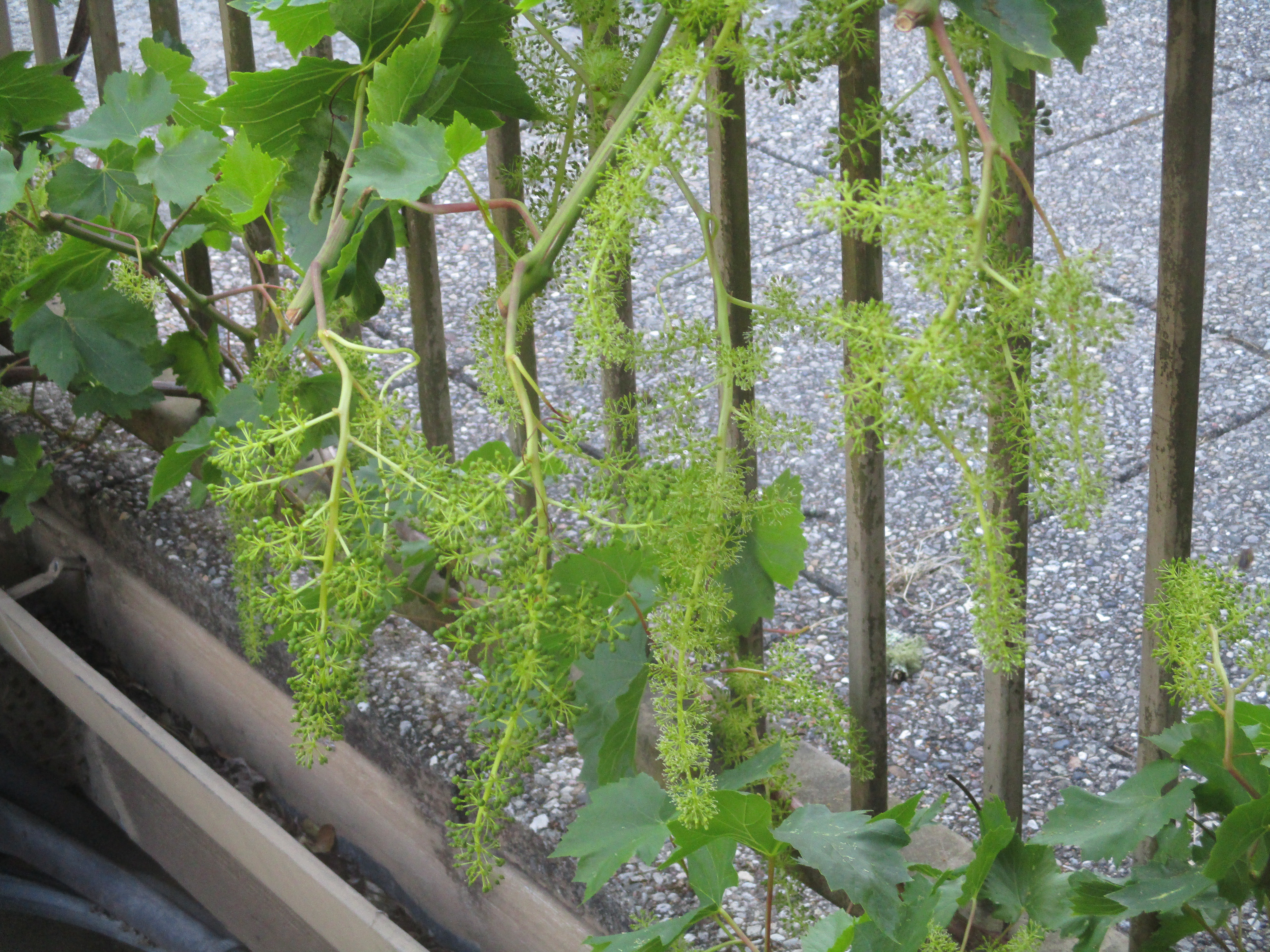
P00607 All this bloom will eventually be fruit.
My colleague down south and I have completely different gardening style. He is a renowned landscape designer, so his home garden is as elaborate as the landscapes he designs for his clients. I am primarily a farmer of horticultural commodities, so my home garden is very strictly utilitarian, with few items that are grown just because they are pretty.

My colleague’s garden is outfitted with a very well built pergola over the patio at the rear of the home. Six common Chinese wisteria were installed to climb the six supporting post and sprawl above. Their cascading spring bloom is both spectacular and alluringly fragrant.

Of course, when I saw that pergola while the wisteria were still young, I thought that it would be ideal for Dago wisteria, which most of us know simply as grapes. They climb like Chinese wisteria. They bloom…

View original post 159 more words

Hieroglyphs

Many more stumps have appeared since the CZU Fire.

tonytomeo's avatarTony Tomeo

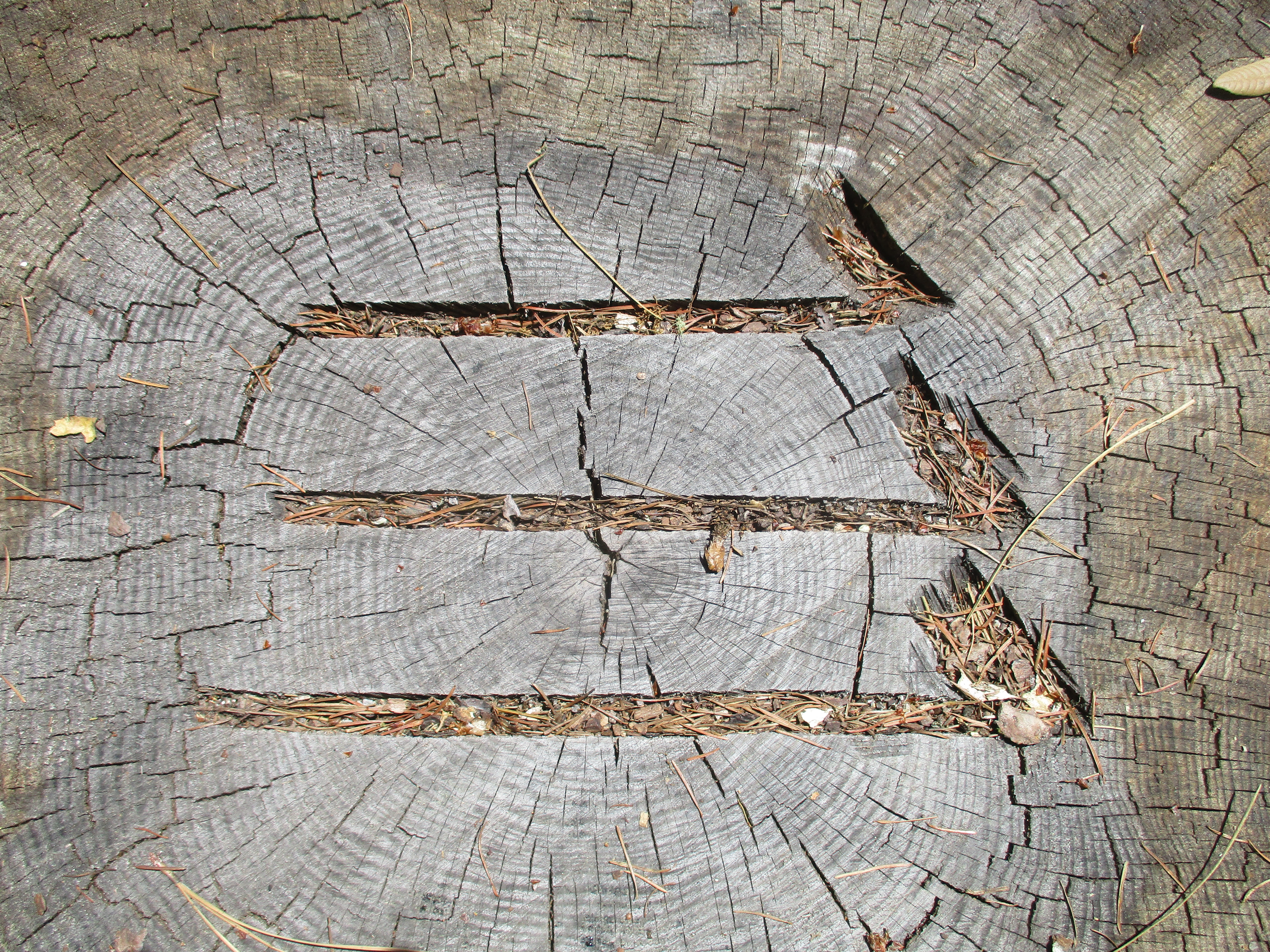
P00606K “111”? . . . “777”? . . . “TTT”? . . . “LLL”?
What does this mean? Is it ‘111’ deprived of the lower serifs? Is it ‘777’ with abbreviated arms? . . . ‘TTT’ lacking right arms? . . . ‘LLL’ with abbreviated legs? Is it pointing toward something important? Is a hieroglyph from an ancient language . . . or a language that has yet to be invented?! Is it like a miniature crop circle pattern cut into wood by Sasquatch or extraterrestrials?!

The arborist who left it here after cutting down the deceased ponderosa pine that formerly stood where this large stump remains might be amused to read that I contemplated it so intently. Actually, I did not really contemplate it so much. I only wrote about it as if I did because it is amusing to do so. I have no idea what this hieroglyph represents…

View original post 163 more words

Horridculture – Neglected Seedling

Three years later, I can now say that this little seedling was happily productive.

tonytomeo's avatarTony Tomeo

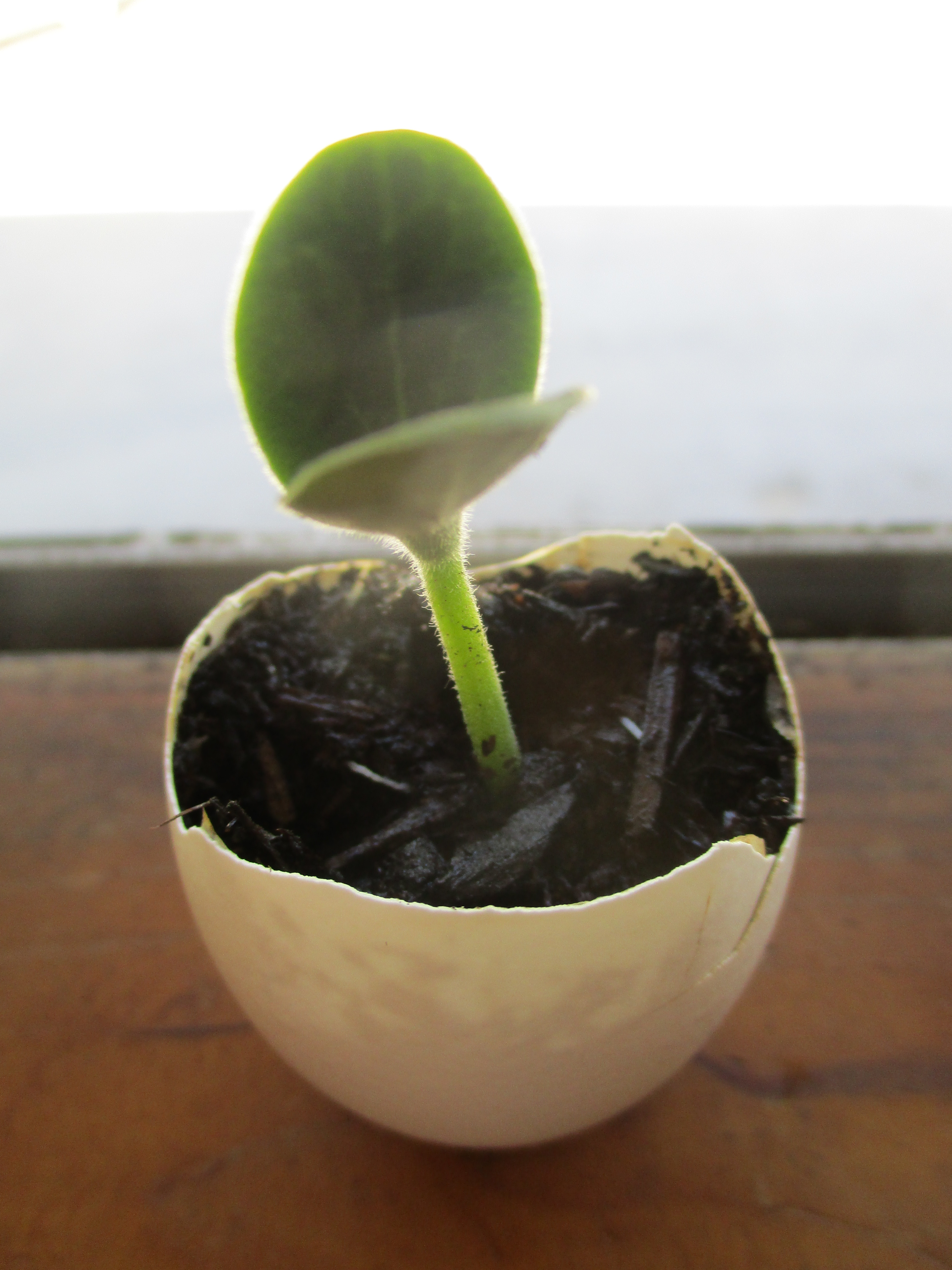
P00603-1 They are so cute when they are young.
This was not planned very well. Actually, it was not planned at all. While sorting through the seed for a vegetable garden, I found a can of seed for winter squash that was a few years old. They might be close to five years old. I really do not remember. I did not expect them to be viable, but did not want to discard them without at least trying to test them for viability.

Rather than just put them in damp rag for a few days, I plugged a few seed into a spider plant on a windowsill, and forgot about them. I really did not expect to see them again. When the first one emerged, I though it was a weed, so plucked it out. When I realized what it was, and that it came out intact, I felt badly for…

View original post 214 more words

Riots

Perhaps this post from three years ago should stay in the past. Perhaps it was more appropriate for the Horridculture rants on Wednesdays. Well, if there is any good news, the palms are fine.

tonytomeo's avatarTony Tomeo

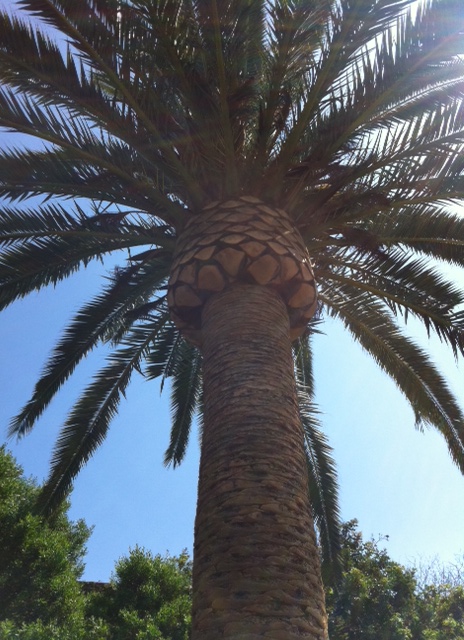
P80204 This is one of the several Canary Island date palms that Brent Green saved from poachers on the embankment of the Santa Monica Freeway.
Since I began posting my gardening column articles here, and supplementing with blog posts, I have deviated from horticultural topics only a few times. I will now do it again. I had earlier selected a horticultural topic for this post. It will wait for now.

Brent Green, my colleague down south, called me on the telephone to tell me to watch the news. I did so, but only briefly. It was just too crazy. So far, I have made a point of saying nothing about Coronavirus. I said nothing about those who protest the violation of their right to spread disease that will kill others. I mentioned nothing about the racist murderers in Minneapolis.

Now I see that people are senselessly rioting and looting in several…

View original post 174 more words

Fung Lum

This is a bit off topic, but this old article reminds me that when I happen to go to the neighborhood where Fung Lum formerly was, I can not remember where Fung Lum was located. I recognize almost nothing in that formerly familiar neighborhood.

tonytomeo's avatarTony Tomeo

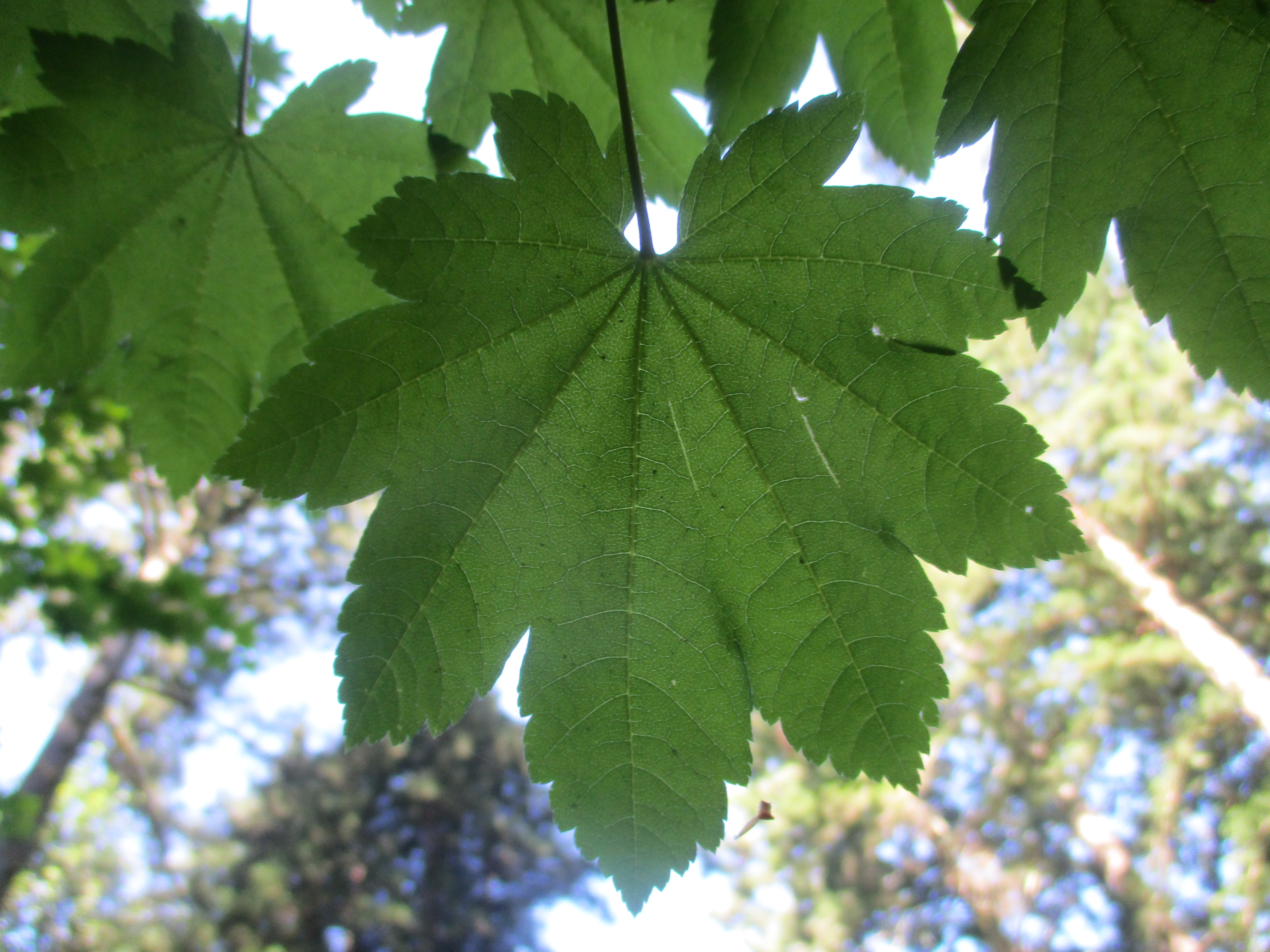
P00530KAcer robustum, Chinese maple?

Fung Lum was an architecturally imposing Chinese restaurant in Campbell years ago. It was more famous for the facade of the building than for the food. Although the food was purportedly excellent, not everyone ate there. Everyone in town knew the building though. It was prominently situated right on Bascom Avenue, at a time when the region was still somewhat suburban.

The meticulously pruned and groomed landscape in the minimal space between the ornate facade and sidewalk was mostly rather low so that it did not obscure the architecture. The tallest features were strategically situated to be unobtrusive. Except for only a few of what seemed to be big, sprawling but low profile Japanese maples, there were no other significant maple trees.

‘Fung Lum’ means ‘maple grove’. Commercials on the radio said so. When I was a kid, I therefore expected to see at least…

View original post 195 more words