Edelweiss – Fail

Hey, I should send a message to the other horticulturist who brought the edelweiss seed from Austria to bring some more, since he happens to be there right now!

tonytomeo's avatarTony Tomeo

P00627K ‘Small and white, clean and bright’? They only got as far as ‘small’ and ‘clean’, but did not get to ‘white’ and ‘bright’.

Edelweiss, edelweiss, every morning you greet me. Small and white, clean and bright, you look happy to meet me. Blossom of snow, may you bloom and grow, bloom and grow forever. Edelweiss, edelweiss, bless my homeland forever.”

Why are there no corny songs like this about California poppy?

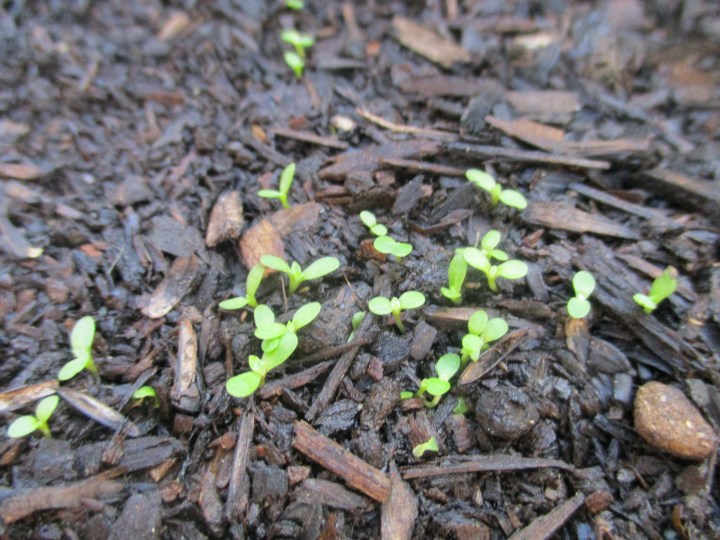
Although I never met edelweiss before, I always thought that it must be quite excellent. Those who are familiar with it where it grows wild in European mountains seem to believe so. It does not look like much in pictures, so must be much more impressive if experienced directly.

A colleague here who met it directly in Austria decided to grow some, and easily procured seed online. The seed was chilled in a freezer to simulate winter in…

View original post 173 more words

Six on Saturday: Occupational Hazards

Work is too much fun! It was supposed to be temporary work until I returned to work in a few months, but that was a few years ago. Well, that is another story. Work can be very frustrating at times also though. Unlike the farm, where only a few of us work on many acres, many very different people work on less acreage here. We all have very distinct priorities.

1. Training this grapevine like this was a lot of work. It extends from a rail fence on top of the retaining wall at the lower left, to the bottom of the upstairs banister at the upper right. This is my second attempt after someone who works in the building to the upper right cut it off the banister as if it was not obvious that someone meticulously trained it.

2. Now, decorations for the summer involve fake ivy stapled to half century old wooden pillars. This is near both the grapevine and walls that we needed to remove real ivy from.

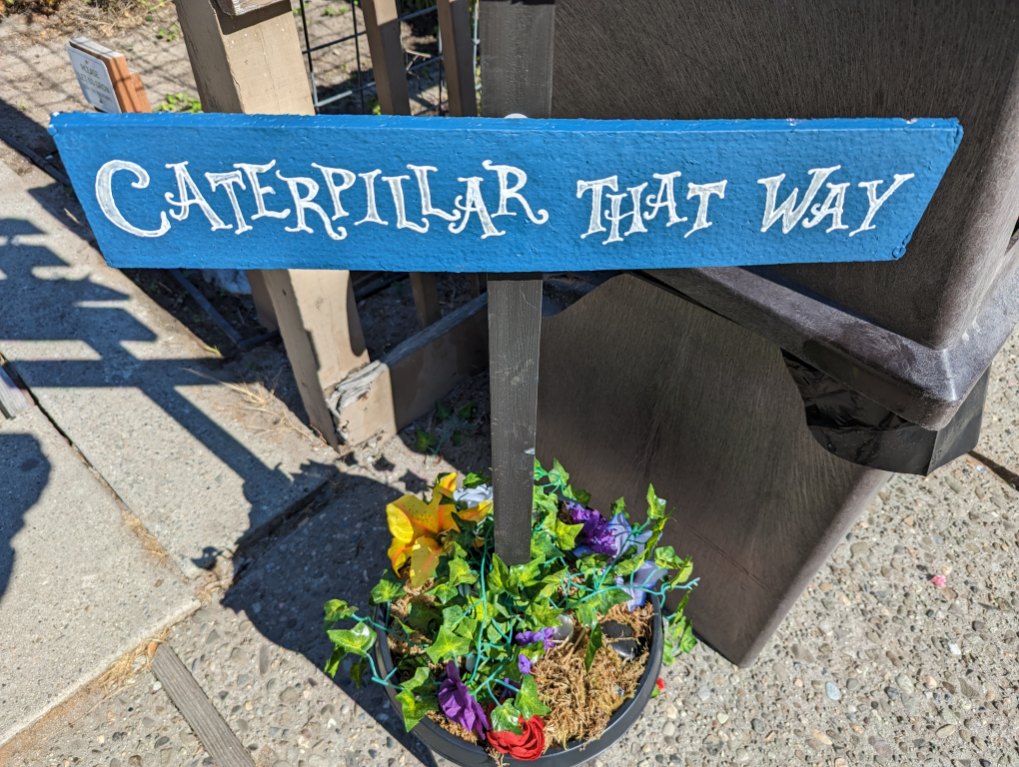
3. Is this some sort of insect repellent? Which way is ‘that’? Are fake flowers effective?

4. Ficus microcarpa ‘Nitida’ makes a great hedge. This is a picture of a picture of such a hedge, sideways, on a wall. Up is right. Down is left. It is effective but needs no shearing.

5. This is all sorts of wrong! The small sign to the lower right has never been so relevant. Someone who was hired for weed whacking whacked all the Canna here, as well as a few Clematis to the right. Weeds are now growing faster than the Canna. To compensate for the lack of bloom, fake roses were installed. It gets weirder. The fake roses glow at night.

6. Chorisia speciosa nearby seems like it really should be the worst occupational hazard.

This is the link for Six on Saturday, for anyone else who would like to participate: https://thepropagatorblog.wordpress.com/2017/09/18/six-on-saturday-a-participant-guide/

Broom

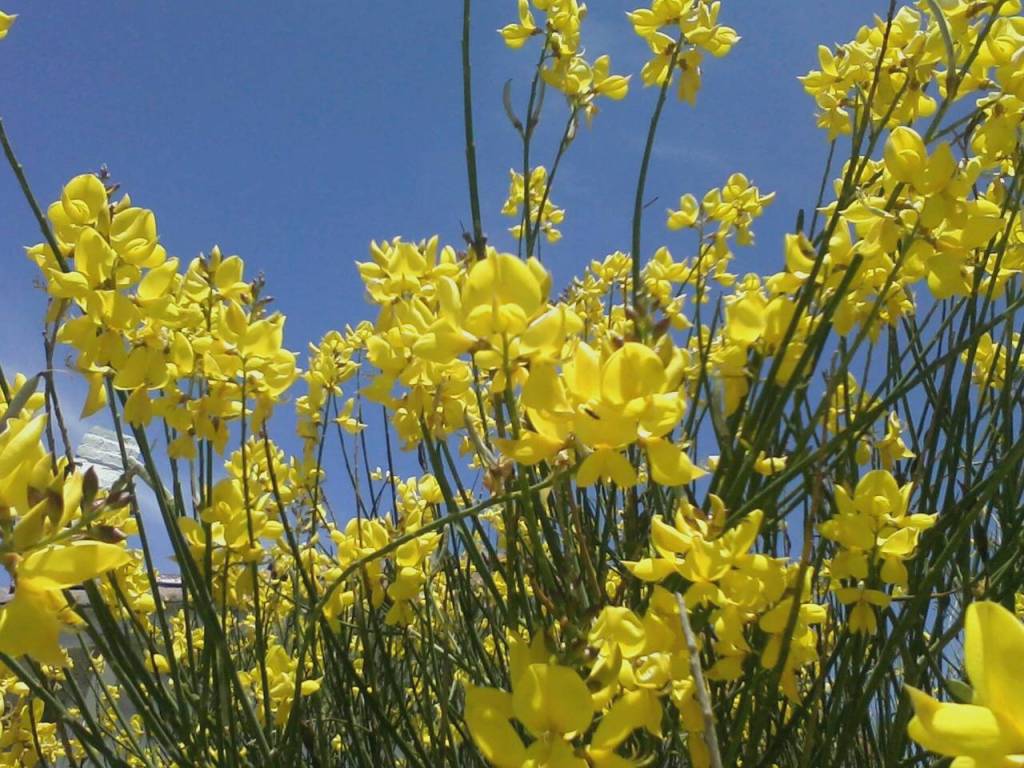
Most broom is an aggressively invasive weed.

French, Spanish, Mediterranean and common brooms are the most familiar of the brooms because they are among the most invasive and aggressive of weeds in rural areas. Many other brooms (that are primarily within the two genera of Cytisus and Genista) that are tame enough for home gardens unfortunately share the bad reputation, even though many of the modern varieties are hybrids that do not even produce viable seed. Once established in sunny, well drained sites, brooms are not at all demanding.

Broom bloom is almost always bright yellow, although a few varieties of broom have white, pink, pale orange or even purplish flowers. Most have finely textured evergreen foliage. Others are foliated only for a short time in spring before they drop their foliage in early summer to reveal distinctive bare green stems. The most popular modern varieties are fluffy, low shrubs less than four feet tall. Some of the more traditional types get taller than ten feet.

Irrigation Must Not Be Excessive

Too much water can be a problem.

Remember when the Brady Bunch went to the Grand Canyon? Mrs. Brady read aloud from a brochure about how the Grand Canyon was formed by erosion of the Colorado River. Peter then commented, “Wow! No wonder you tell us not to leave the water running.” Too much watering in the garden certainly will not cause a canyon to form, but can cause all sorts of other big problems.

Roots rot if the the soil is constantly too wet. If the soil stays saturated, roots suffocate from the lack of aeration. Trees that survive saturation of deeper soil strata will disperse their roots shallowly near the less saturated surface, and will consequently be unstable. Besides, excessive watering is wasteful.

There are too many variables, such as exposure, drainage, humidity and temperature, to prescribe irrigation schedules that work for every site. Just remember that most plants like the soil to drain enough for the surface of the soil to at least look somewhat dry before getting watered again. Moss on the surface is an indication that things are too wet. Plants that like more water, like azaleas, rhododendrons, fuchsias, ferns and impatiens, do not mind if the soil stays somewhat damp, but only if the soil is porous and drains enough to also be aerated.

The most drought tolerant plants, which are generally also the most sensitive to excessive irrigation, ironically like to be watered somewhat regularly for the first few months after getting planted. This is because they are so reliant on well dispersed root systems. They need less, if any, watering once their roots get dispersed.

Watering should be done in the morning so that plants can soak in the water during the day, and the area can dry somewhat before the following evening. It is also better to water less frequently and a bit more generously than to water too frequently. This allows time for drainage and promotes deeper rooting. Fungal organisms associated with rot and foliar diseases proliferate overnight if the ground is damp at the surface and the air is humid.

Except for the few plants that like humidity, and those that need to be rinsed of aphid and honeydew, there is no need to wast water on foliage where it is simply lost to evaporation. Water should be applied to the soil where it is needed.

Horridculture – eBay

Oh my! This old article reminds me that, just prior to reblogging it, I purchased a few Musa acuminata pups on EBay!

tonytomeo's avatarTony Tomeo

P00624 I certainly got good deals on these recent acquisitions. However, I have no idea what I will do with them.

It is such a bad habit! Even if I spend no money, I spend too much time perusing what I could spend a little bit of spare cash on. On rare occasion, I actually do spend a little bit on something that I can get a good deal on, not because I actually have any use for it, but merely because I got a good deal on it, . . . or because I believe that I may not be able to find it for sale again later.

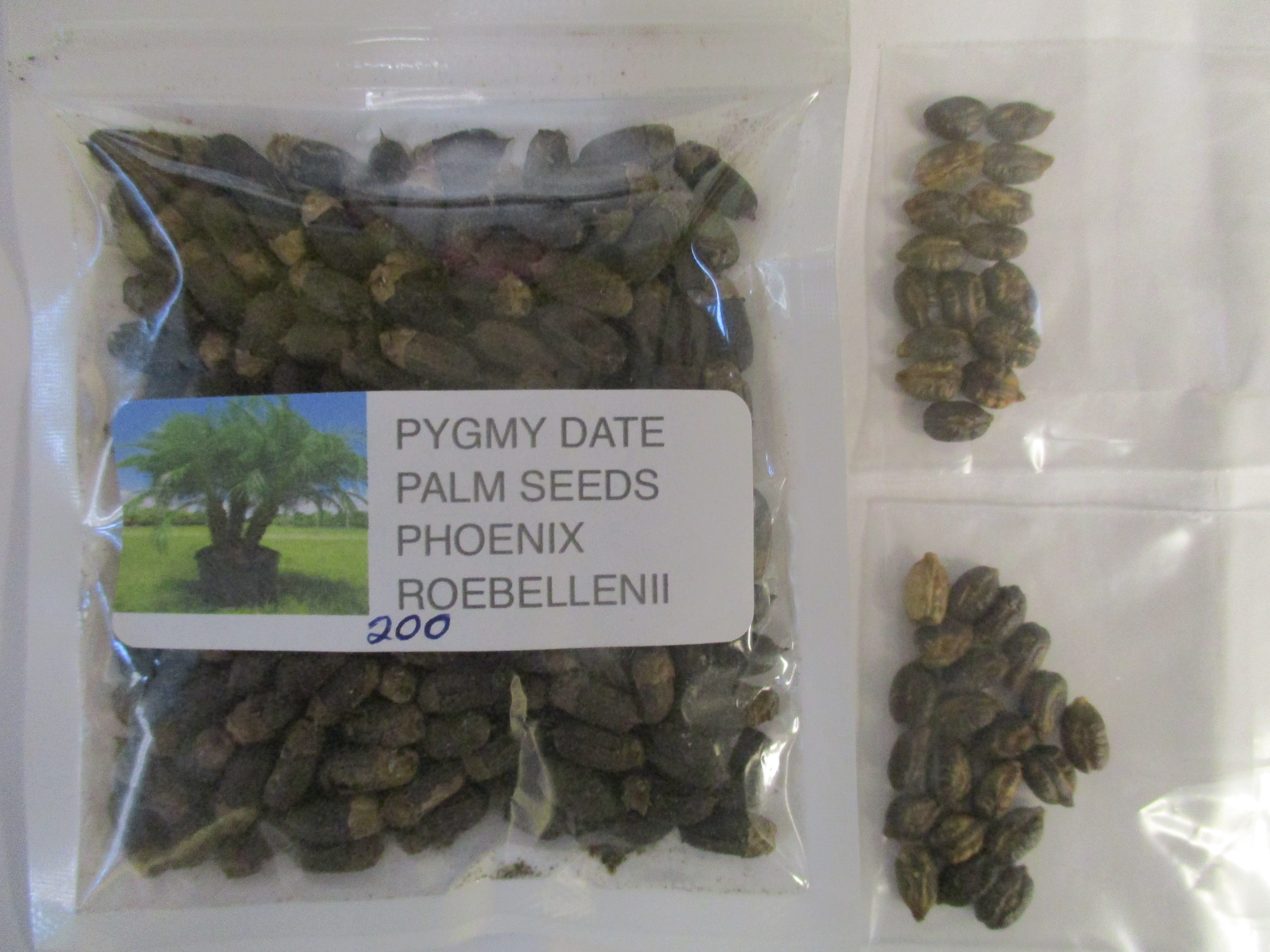
Now, I have more than two hundred seed for Pygmy date palm, Phoenix roebelenii. They certainly were inexpensive, costing less than a few dollars. Most of the expense was for postage. It really was a good deal. However, I have no…

View original post 172 more words

Sword Fern

Sword fern can migrate surprisingly vigorously.

It seems to be related to Boston fern because it is. Sword fern, Nephrolepis cordifolia, is a less refined species of the same genus. It does not want to live as a docile houseplant. Instead, it prefers room to grow and spread in the garden. It has potential to spread a bit vigorously though. Containment protects adjacent smaller perennials or bedding plants.

Sword fern foliage is the same light and slightly yellowish green as that of Boston fern. It generally stands more upright though. Rather than hang softly from planters, like Boston fern does, it leans outwardly. Its pinnately compound fronds can grow almost two and a half feet tall. Pinnae might be about an inch and a half long, with a slightly grainy texture.

Sword fern is not particularly discriminating about exposure, moisture or soil. It can cling to trunks of Canary Island date palms and infest their canopies epiphytically. Sword fern is greenest with regular irrigation and shelter from harsh exposure though. Its evergreen foliage can discolor and partially defoliate when distressed. Grooming might be tedious. Healthy colonies may hide their old foliage.

Fern Foliage Is Softly Bold

Ferns provide distinctive and bold foliage.

Ferns are foliar perennials. They provide neither floral color nor fragrance. They provide neither fruits nor vegetables. With few exceptions, they provide no shade. The very few that are deciduous are not impressively colorful for autumn here. Ferns can not grow as hedges. Nor can they become lawns. They exclusively provide distinctive fern foliage.

They do so splendidly! Most produce the sort of distinctively lacy fern foliage that ferns are famous for. Some exhibit even more finely textured and airy foliage. A few exhibit a relatively coarse foliar texture. Almost all ferns are rich and deep green. Some are lighter or slightly yellowish green. A rare few are silvery gray, or display an intricate silver lining.

Almost all ferns that are popular within home gardens are evergreen. Most benefit from occasional grooming to remove deteriorating old foliage. Some produce new growth on top as old growth lies down below. Several grow most lushly after removal of all foliage prior to their growing season. A few deciduous types of fern defoliate for their dormancy.

Ferns do not develop stems or trunks like most other vegetation does. They sprawl over the ground with rhizomes, which are fleshy stems. Rhizomes grow only in length, but not in diameter. Tree ferns grow upward as their rhizomes deteriorate below. Roots that grow through the deteriorating rhizomes form what seems to be trunks. Fern roots are fibrous.

Leaves of ferns are fronds. Such fronds of most ferns divide into pinnae, which are like smaller leaflets. Pinnae of some ferns divide into even smaller pinnae. Rachi are central stalks that suspend the pinnae within individual fronds. Ferns reproduce by spores, so lack flowers. Most ferns propagate efficiently by division of preferably dormant rhizomes.

Because of their fibrous root systems, ferns are complaisant to confinement within pots. Most ferns are naturally understory vegetation, so are innately tolerant of partial shade. Ferns that tolerate aridity as well as shade and confinement are delightful houseplants. Most ferns are very tolerant of relocation, although some must replace foliage to adapt.

Sole Survivor

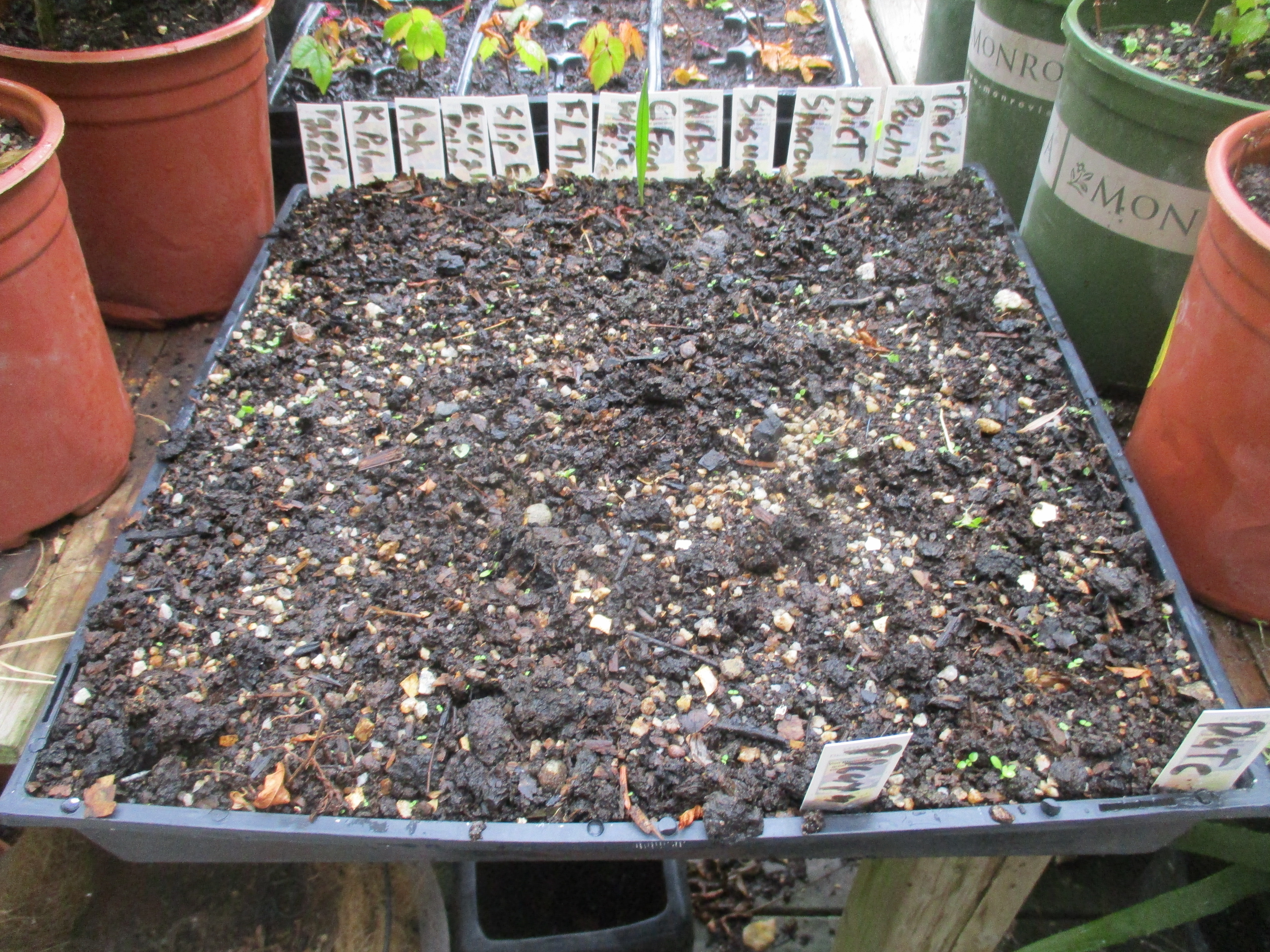
A few more seedlings of Washingtonia filifera appeared after these pictures were taken, so this little palm is no longer alone.

tonytomeo's avatarTony Tomeo

P00621-1 One is the loneliest number. (It is in the middle of the far edge of the flat.)
By now, I can safely assume that any of the various old seed that were sown late last February that have not yet germinated are not likely to do so. They were all so old that I knew at the time that their viability was questionable. Nonetheless, I could not discard them without confirming that they were no longer viable. Four months later, this empty flat just about confirms it.

So far, the sole survivor is a seedling of a California fan palm, Washingtonia filifera. It looks silly all alone in the otherwise empty flat. Yet, even if no other seedlings germinate, the effort will have been worth this dinky palm seedling. California fan palm happens to be my favorite palm; but I would have been just as pleased with something that…

View original post 179 more words

Ghost of Weddings Past

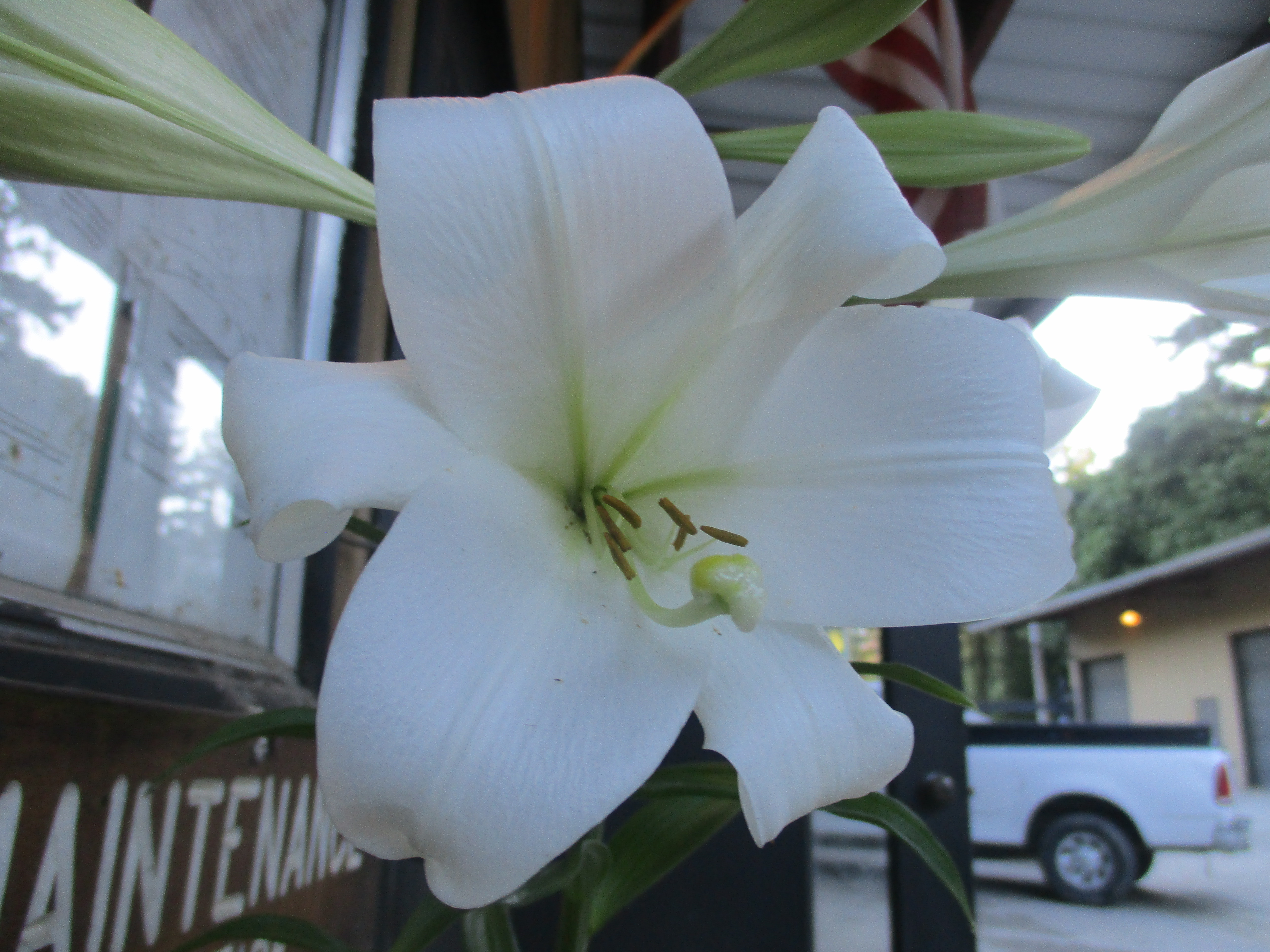
Although this particular lily is not performing well in the landscapes, others have actually proliferated more than expected. A few are blooming so abundantly within their now crowded colony that I am considering splitting them this winter.

tonytomeo's avatarTony Tomeo

P00620K Easter lilies are still my favorite of the lilies!

Weddings are normally common at the small historic chapel at work. This is normally the busiest season there. Since the chapel is presently unused, and it will likely remain unused for quite a while, we have not replaced the white pansies, that were out front through winter, with new white blooming warm season annuals for summer. The minimal landscape seems a bit emptier.

A colony of white hydrangeas to the left of the chapel happen to be blooming late this year, as if they know there is no rush. The smaller hydrangeas in the foreground of this colony were not original to the landscape, but were added as they were left behind after weddings. (Florist hydrangeas are innately more compact.) Blue and pink hydrangeas went to blue and pink colonies.

Our chrysanthemums were left behind after weddings too. They were originally…

View original post 159 more words

Six on Saturday: Like Totally!

Val culture developed within the Santa Clara Valley prior to its assimilation into the San Fernando Valley. I totally know how to use “like” in a sentence, and can do so repeatedly if I like. These Six are not about Val culture during the 1980s though. They are just a few items that are sort of like each other, and five items that I like. Eventually, I will like the item that I do not yet like. Totally!

1. Sambucus nigra ‘Black Lace’ is an ornamental cultivar of European elderberry. As the name implies, it has darkly bronzed and intricately lobed foliage. All but two of the herd of cuttings that I plugged rooted. I wanted a few, but got forty-eight. I was not at all fond of this cultivar or even this species when I met it a few years ago, but I now sort of like it.

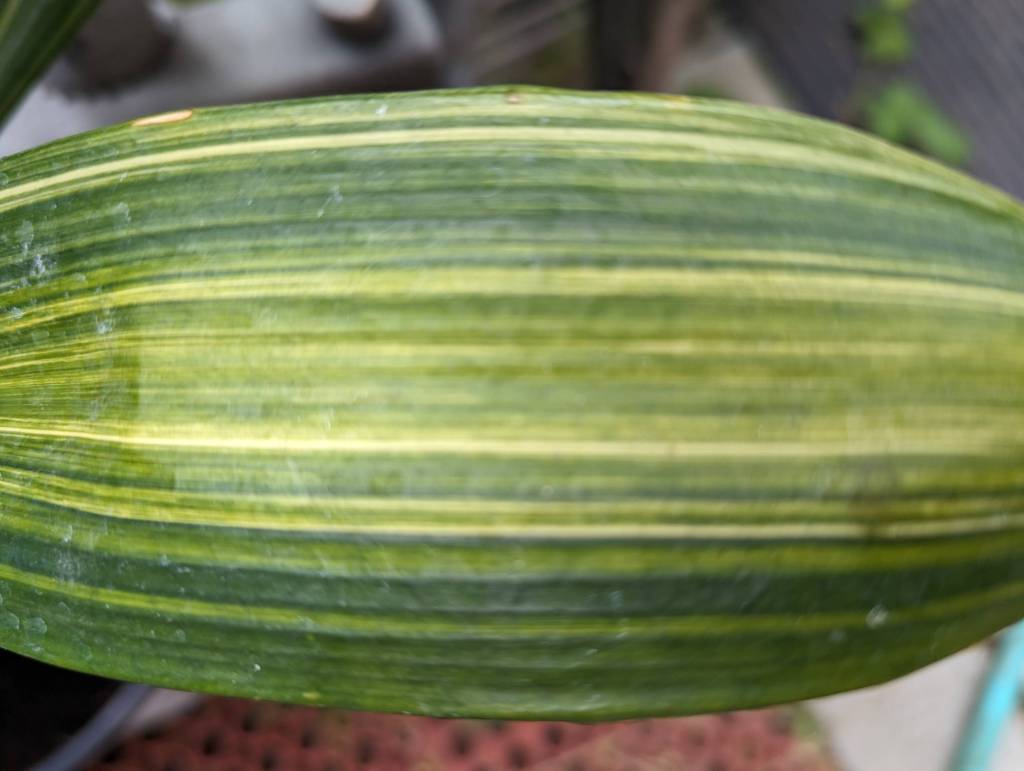
2. Clivia miniata, Kaffir lily lacks bloom now, but like ‘Black Lace’ European elderberry, provides colorfully ornamental foliage. It is variegated with these narrow yellow stripes. I believe it blooms orange. I do not know what cultivar it is. It came from Brent’s garden.

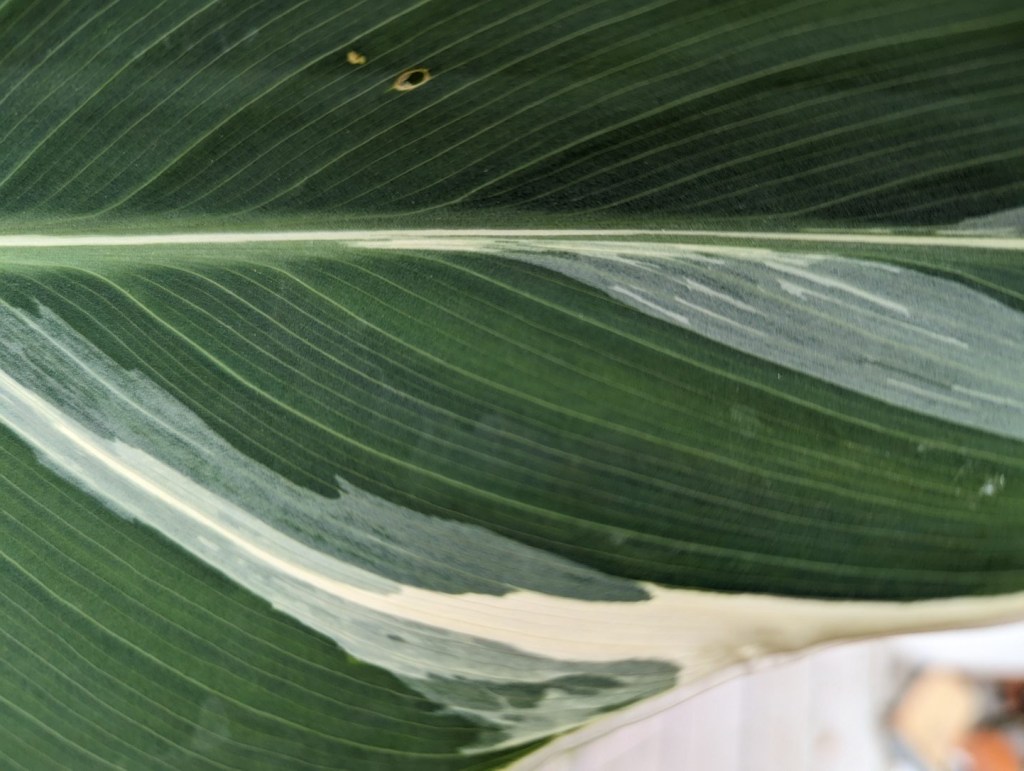
3. Canna ‘Stuttgart’, like the Cymbidium and the other two Canna, lacks a species name. Like 1, 2 and 4, it provides colorful foliage. Like 4 and 5, it is a Canna. It has a lot to like. Most importantly, it came from Tangly Cottage Gardening, and is approved by Skooter!!

4. Canna ‘Australia’ might be described like ‘Stuttgart’ Canna above, but is not approved by Skooter. Its colorful foliage is darkly bronzed, but this specimen is striped with green.

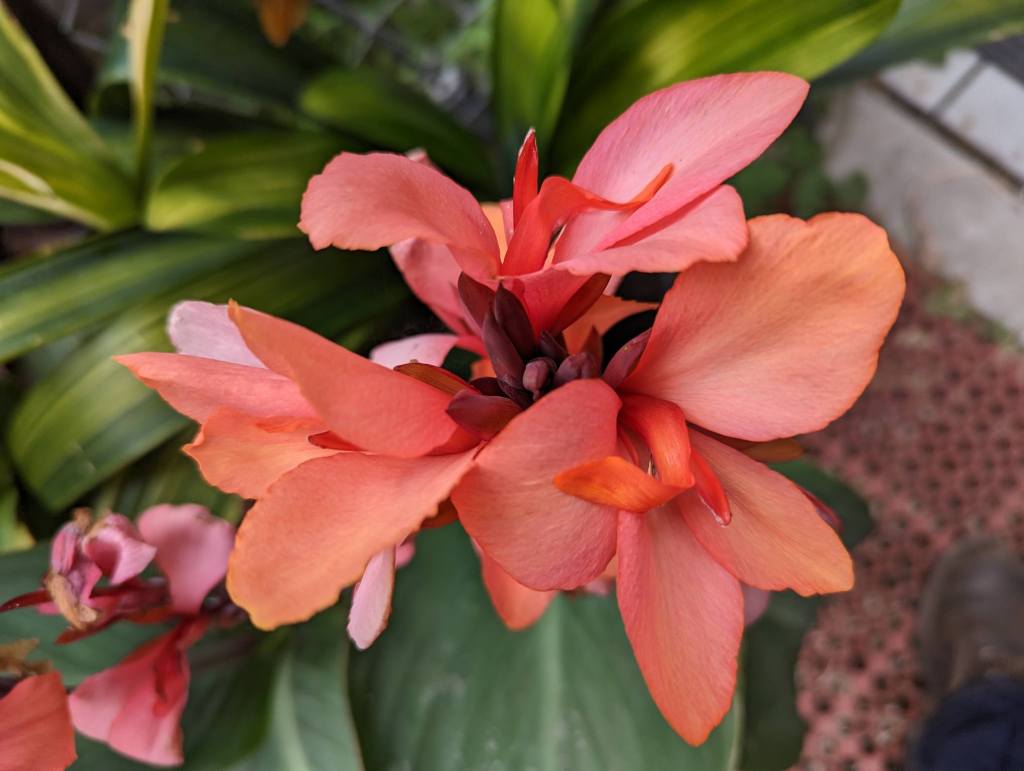
5. Canna ‘Cannova Mango’, like 3 and 4, is a Canna, but that is about its only similarity. I do not like it much because it is a modern cultivar, and it blooms with this weird color.

6. Cymbidium orchid, like 3, 4 and 5, lacks a species name. I like it because I have grown it since the early 1990s. Bloom began in March, but is only now beginning to deteriorate.

This is the link for Six on Saturday, for anyone else who would like to participate: https://thepropagatorblog.wordpress.com/2017/09/18/six-on-saturday-a-participant-guide/