
Even before winter begins, it is time to plan for it to end. Bulbs (including corms, tubers, rhizomes and tuberous roots) of many of the earliest spring flowers that bloom while the weather is still cool late in winter should begin to get planted about now. They are still dormant and not all that impressive yet, but have already stored everything they need to be ready to bloom as soon as they think it is time. Since the weather will be getting cooler through autumn before it gets warmer at the end of winter, even the earliest blooming of spring bulbs will stay dormant for a while, and have quite a bit of time to slowly disperse roots before their foliage eventually peeks through the soil.
Bulbs planted later will likely bloom later, which is actually an advantage for ‘phasing’ bulbs. Like vegetables, bulbs can be planted in phases every two or three weeks, depending on the duration of the bloom cycle of the particular bulbs involved. As one group finishes blooming, the next group starts blooming. Bulbs become available when it is time for them to be planted, and generally remain available long enough for a few phases to get added later when convenient, although there is always the threat of particular varieties getting sold out later in the season.
Phasing is only effective in the first season, since bulbs get established after their first bloom cycle, and will subsequently be on the same schedule as all their friends of the same variety. Bearded iris, calla, anemone and rananculus are not conducive to phasing, but instead bloom at a particular time, regardless of when they were planted.
Narcissus, daffodil, grape hyacinth, bearded iris and classic white callas are the most reliable of spring bulbs, and the most likely to naturalize, although bearded iris and callas will probably bloom quite late in their first year. Crocus, freesia and harlequin flower are almost as easy to grow. Anemone, rananculus, hyacinth, lily, tulip and the small colorful callas are tempting, but are not as reliable after their first year because the seasons are so mild here.

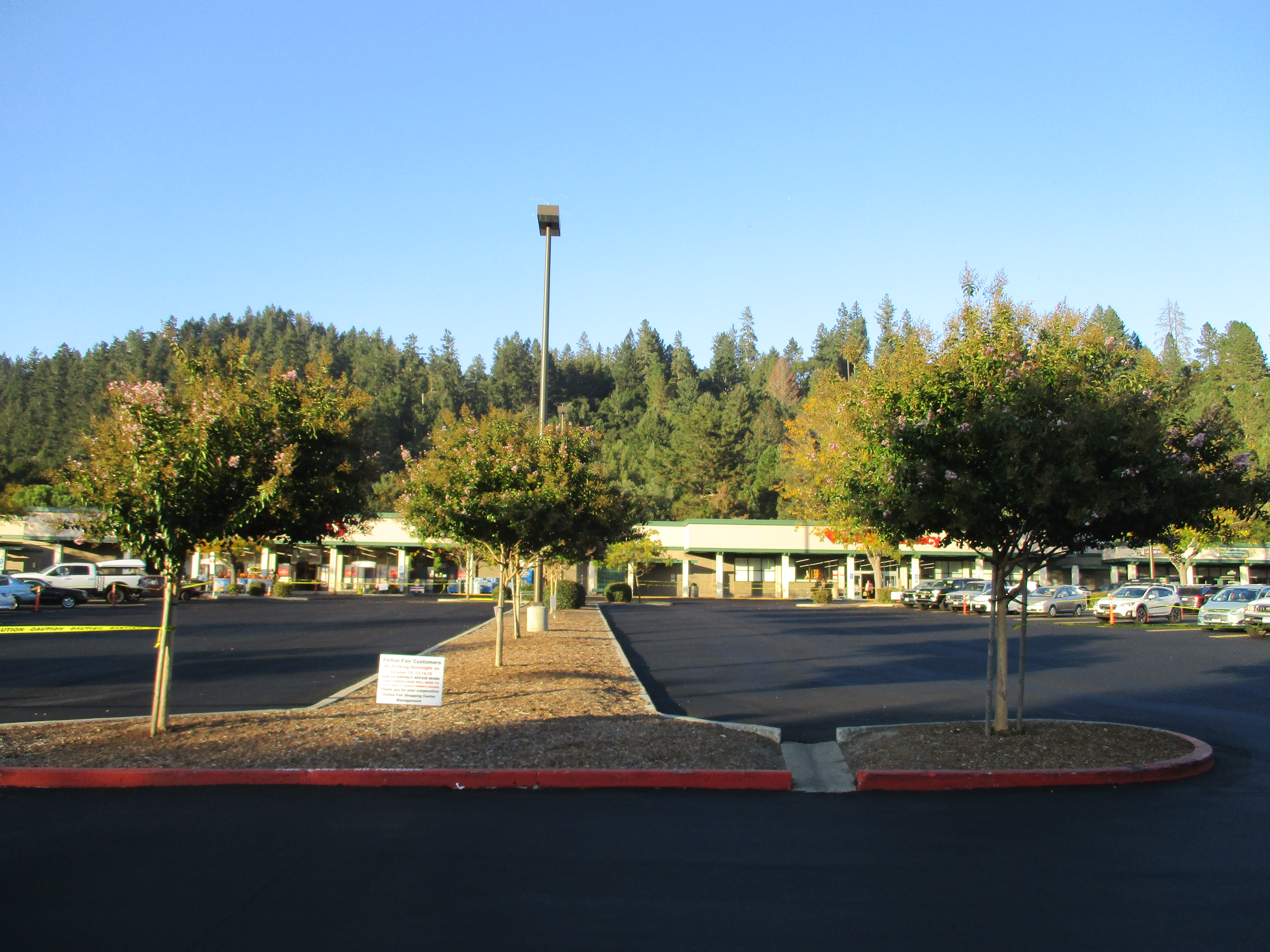 Perhaps the signs should be down instead. They are obscured by the crape myrtles where they are now. They would be more visible if they were either higher or lower, but not in line with all these trees. The trees were planted only a few years ago, but have done very well. Lodgepoles need to be removed. The specimen to the left is recovering well from earlier disfigurement.
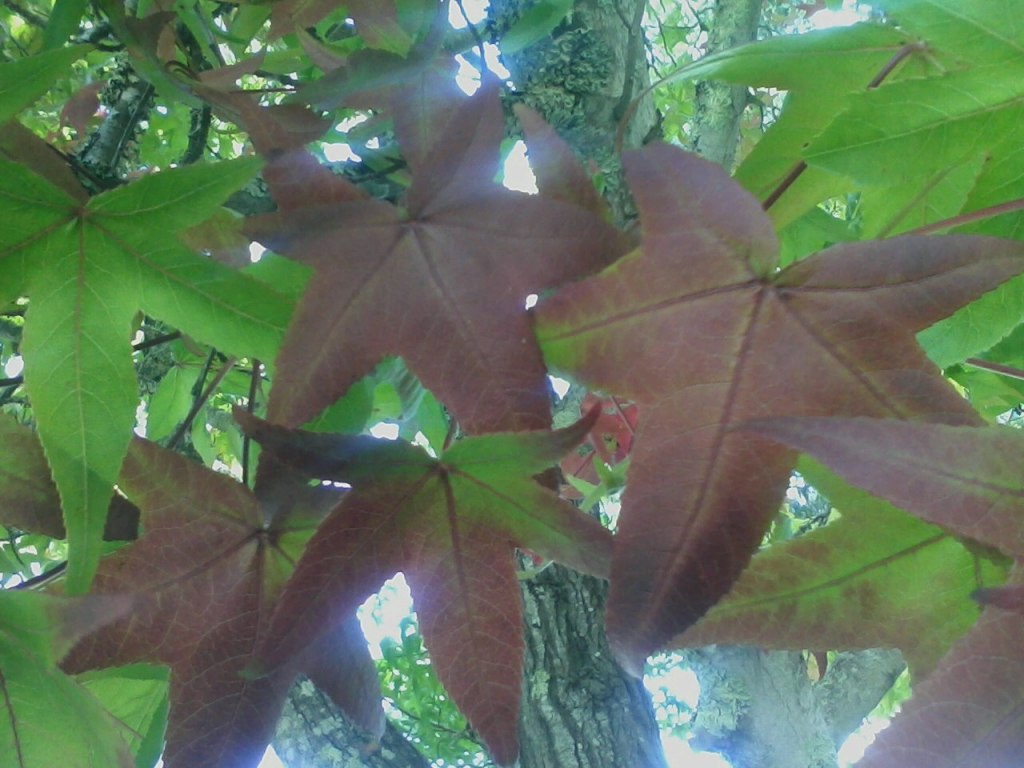
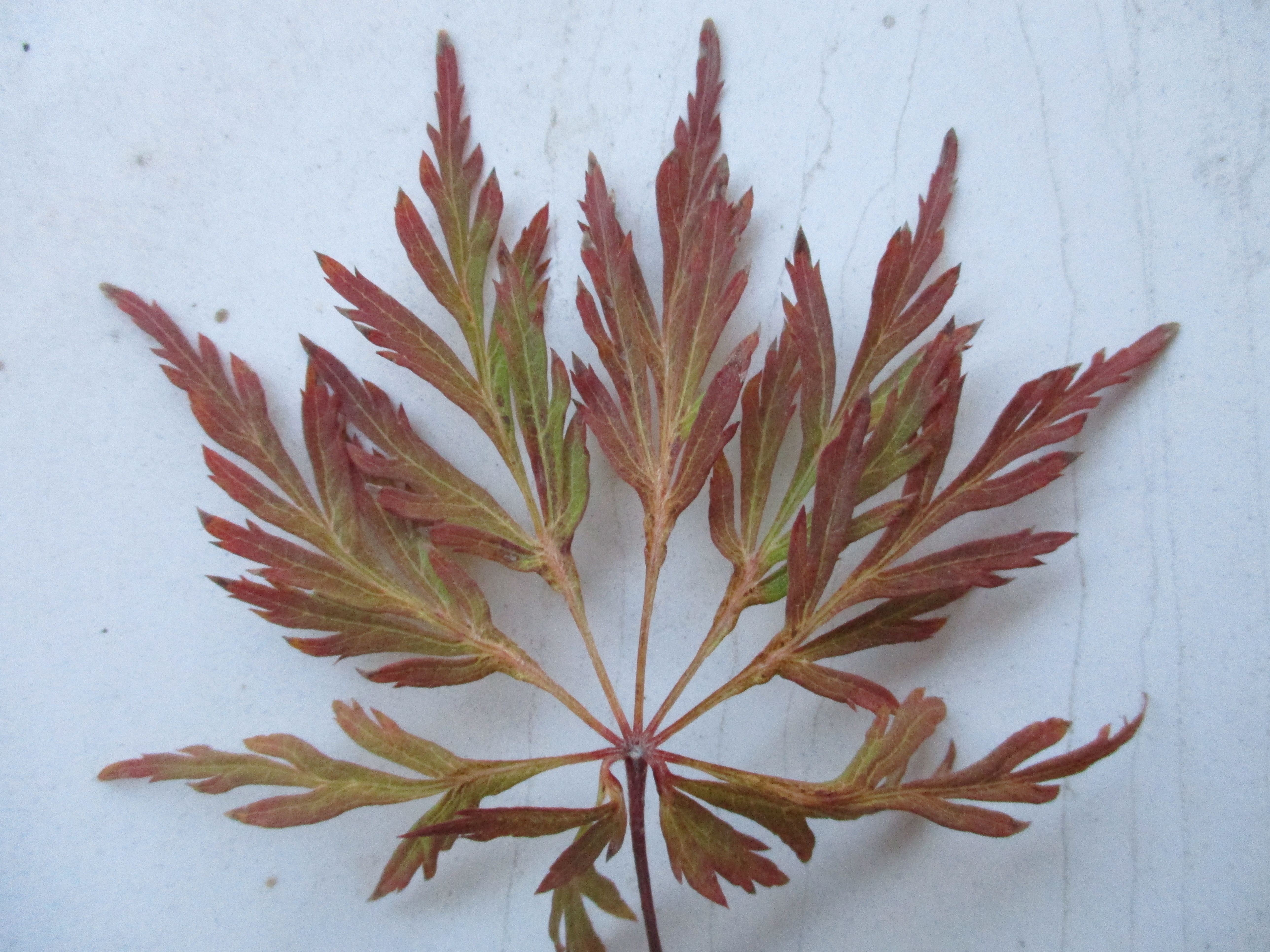 Okay; so this is neither the first, nor real autumn foliar color. It just happened to be convenient for me to get a picture of. Someone left this unfortunate Japanese maple right outside on the driveway a few years ago. It colors early from uncomfortable exposure to late summer warmth. The picture below is even more colorful, and was from even earlier in the year, last August.
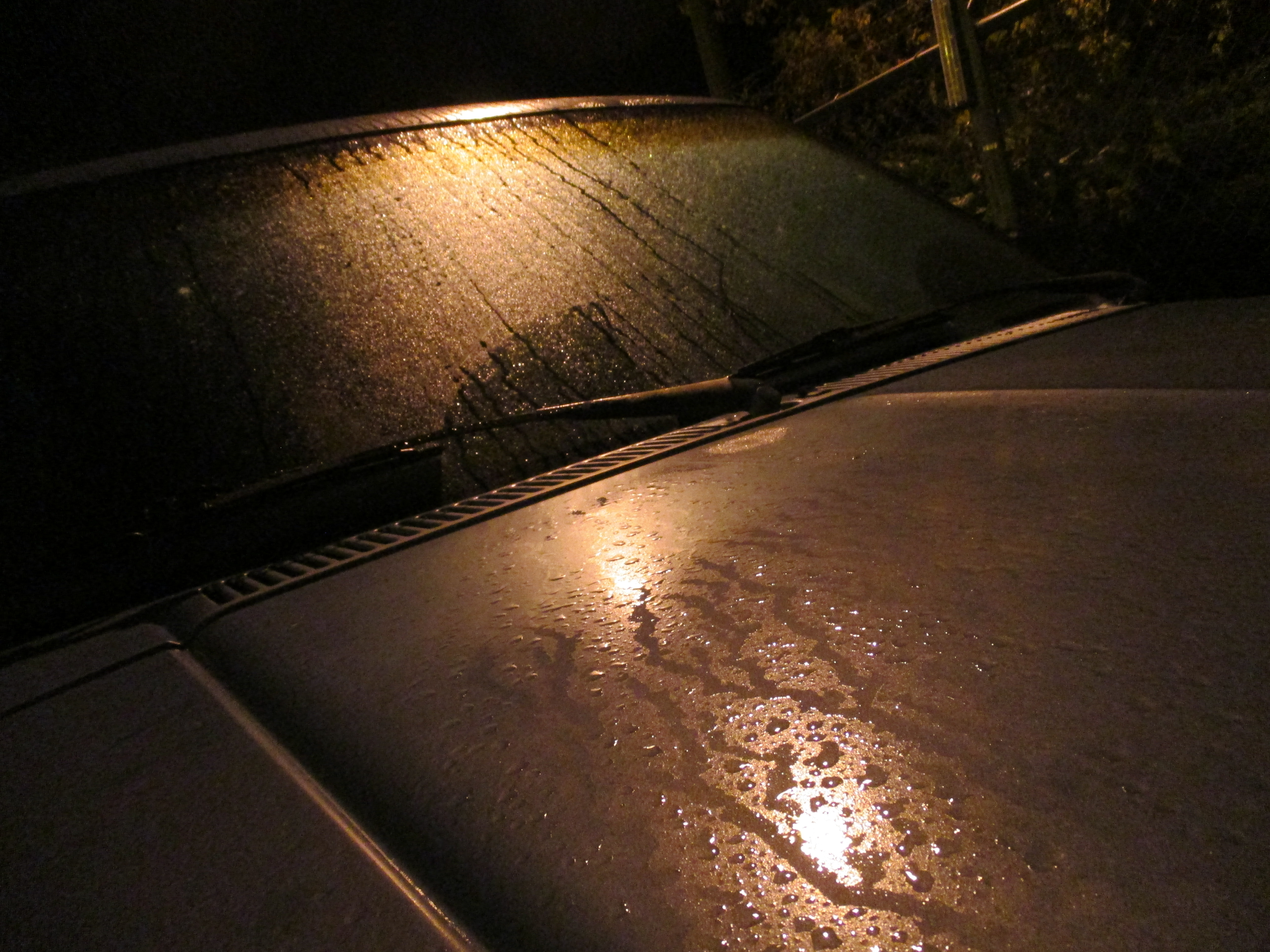 Warnings were broadcast in local news for a few days prior. Because of the extreme potential for catastrophic forest fires, electrical service was to be disabled to our region, and large areas of California. Weather was predicted to be warm, windy and dry (with minimal humidity). Such conditions are exactly what cause fires to spread so explosively through the overgrown forests.




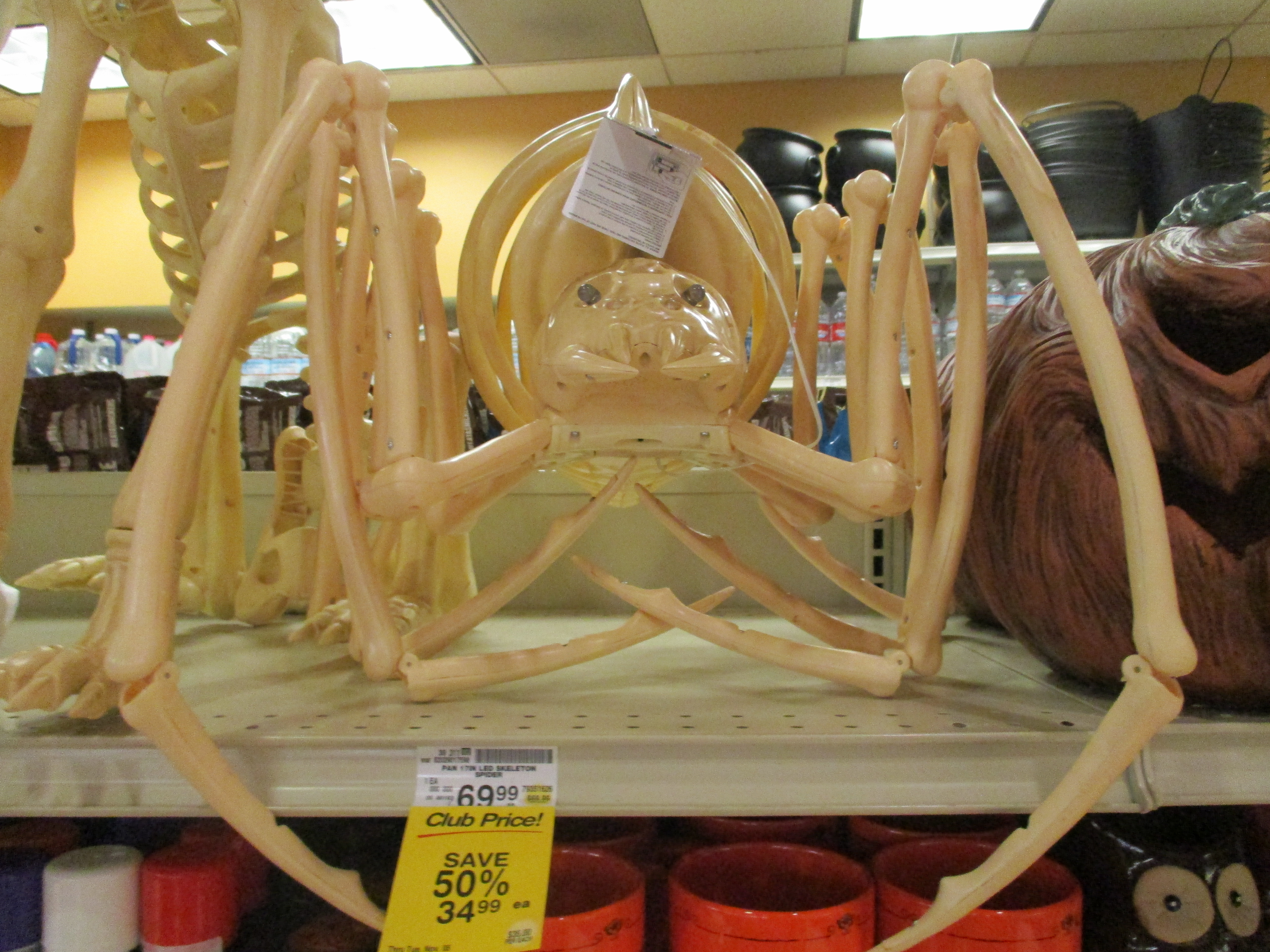 Halloween is a topic that I could rant about for days. Seriously. I loathe it. I dislike any formerly respectable holiday that has been ruined by excessive commercialization. We all know what happened to Christmas. For me, Halloween, in some regards, is even worse. Christmas is at least pretty. Halloween is intended to be morbid and grotesque and creepy and . . . just plain bad.
 Tony Tomeo