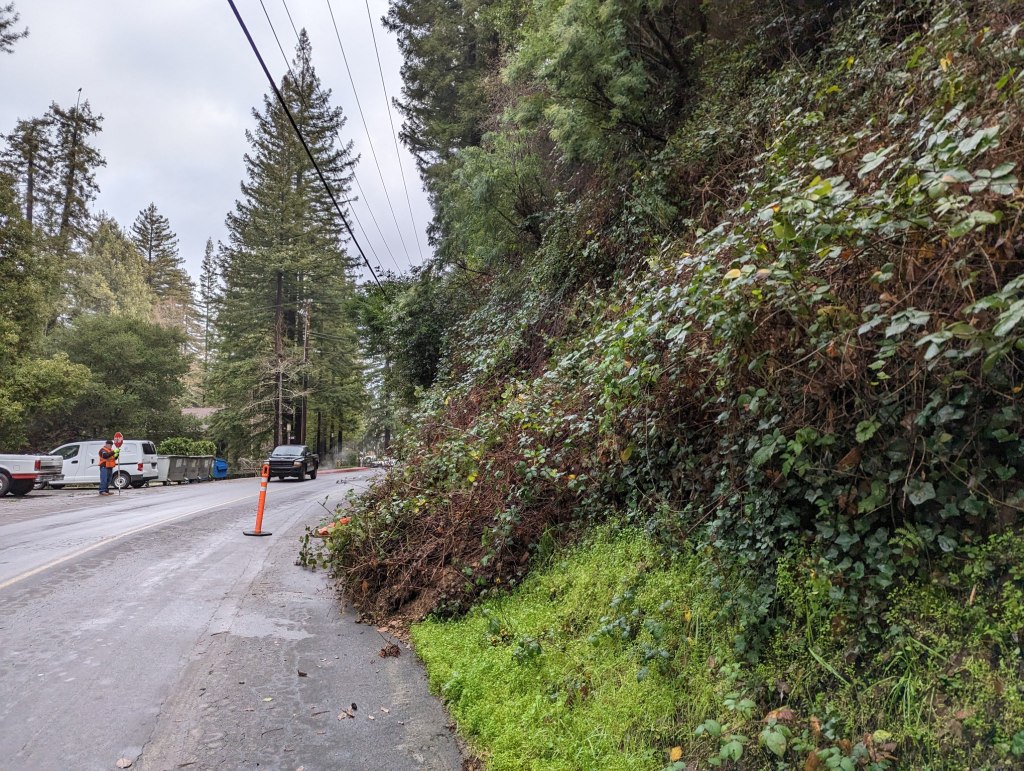
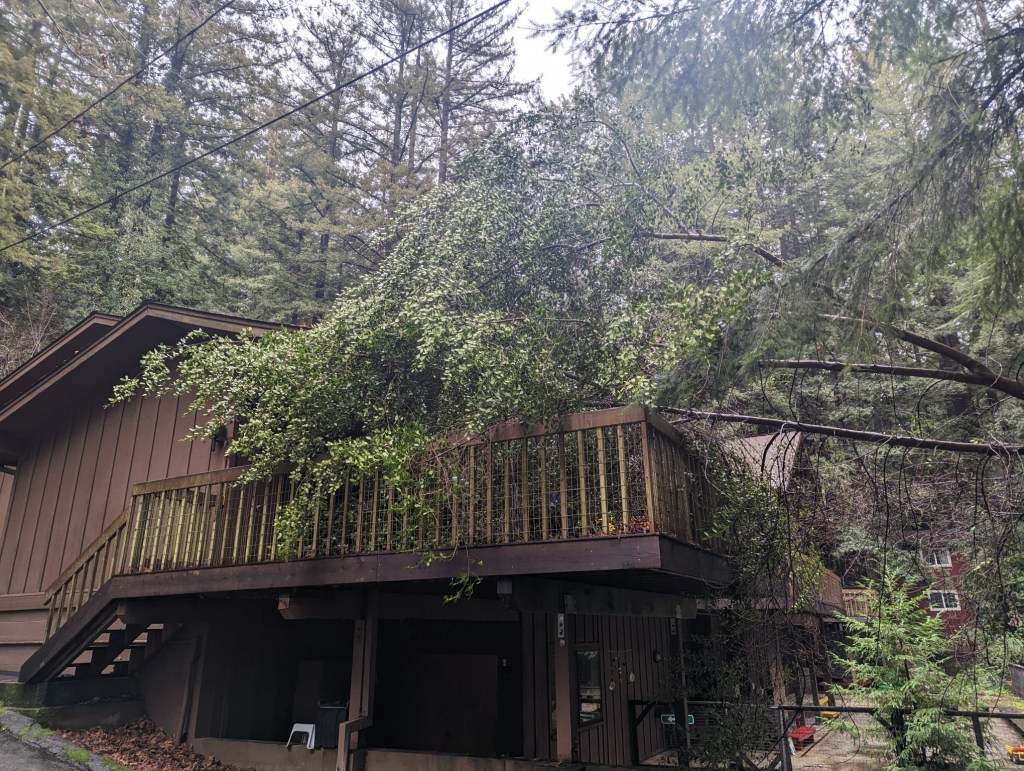
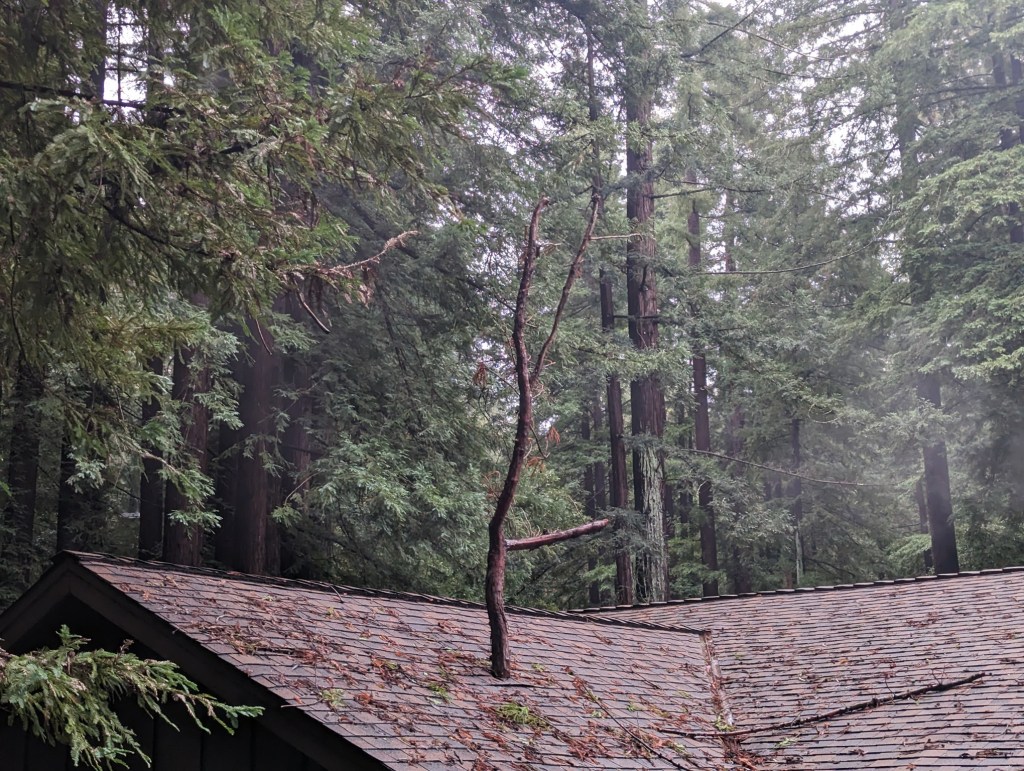
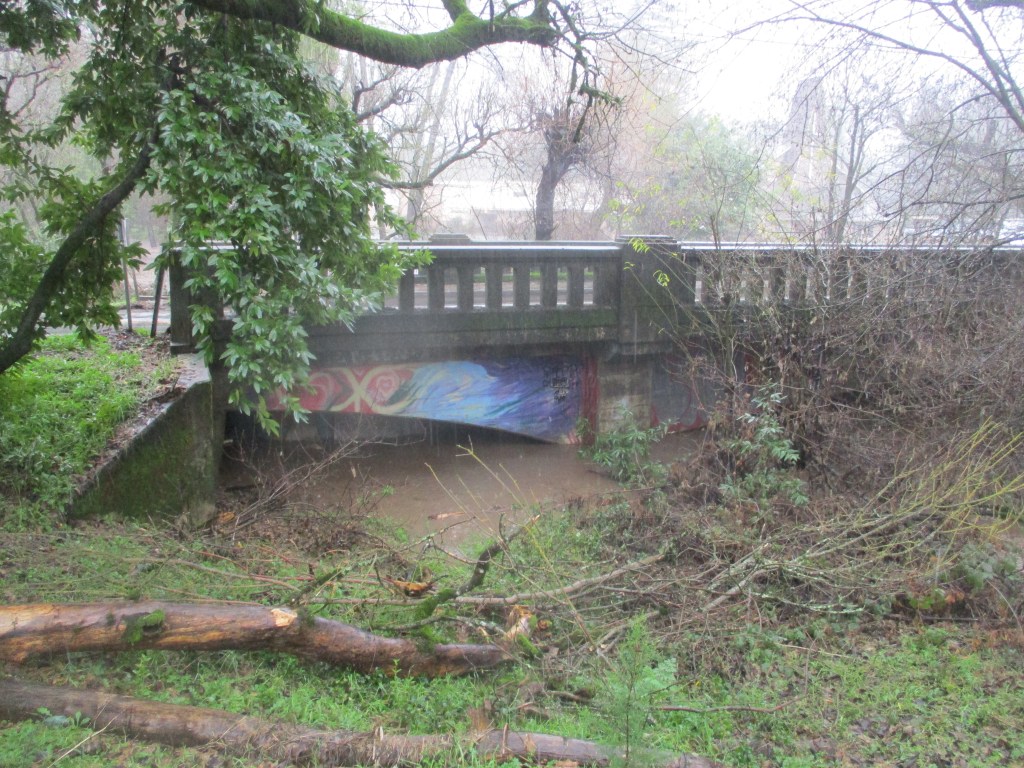
Unusually rainy weather here has been quite a problem. Flooding, mudslides and falling trees have kept us all very busy at work. They have also interfered with the utilities, such as electricity, cable and internet service. A message on my telephone informed me of the service interruption that prevented me from sending pictures to myself to share here on Six on Saturday. I intended to simply share pictures that were illustrations for my other blog, but as I was writing about them, I realized that I already shared them on Christmas Eve. I therefore have no more than these recycled pictures. More pictures from here are in the news.
1. The Steven Michael Ralls Memorial Tree was planted two and a half years ago, so it is the oldest Monterey cypress within this Memorial Grove, and is now almost six feet tall.
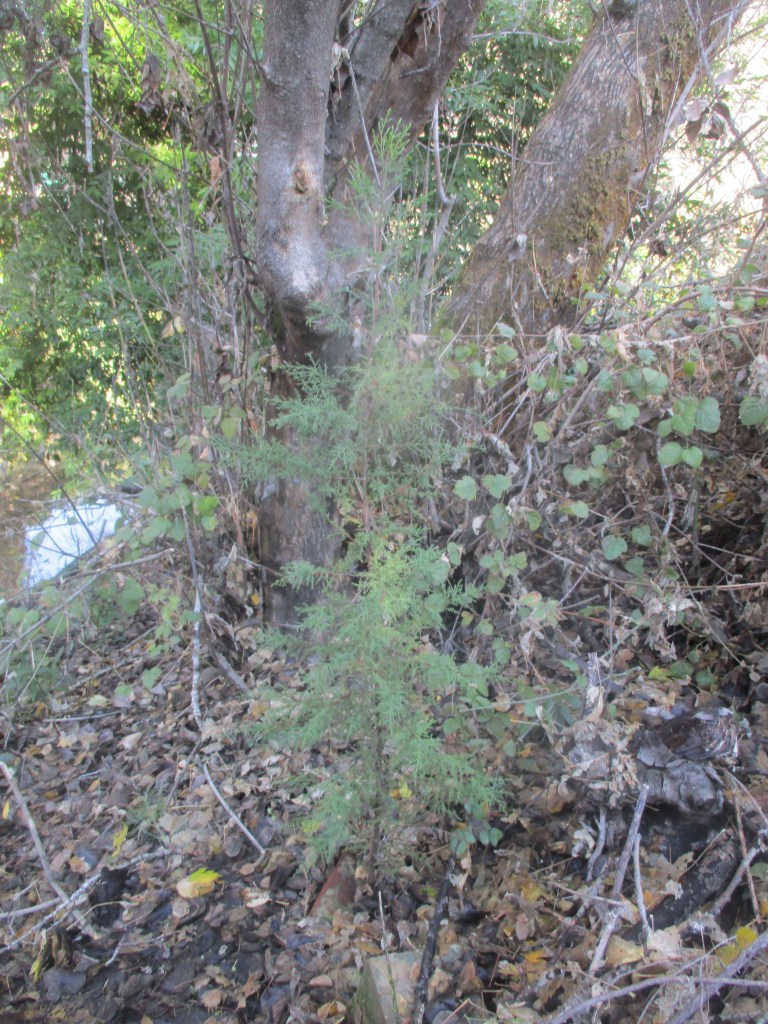
2. The David Noel Riddell Memorial Tree was installed with #3 below, only about a year ago. It is the smallest of the three cypress trees, and is only slightly taller than three feet.
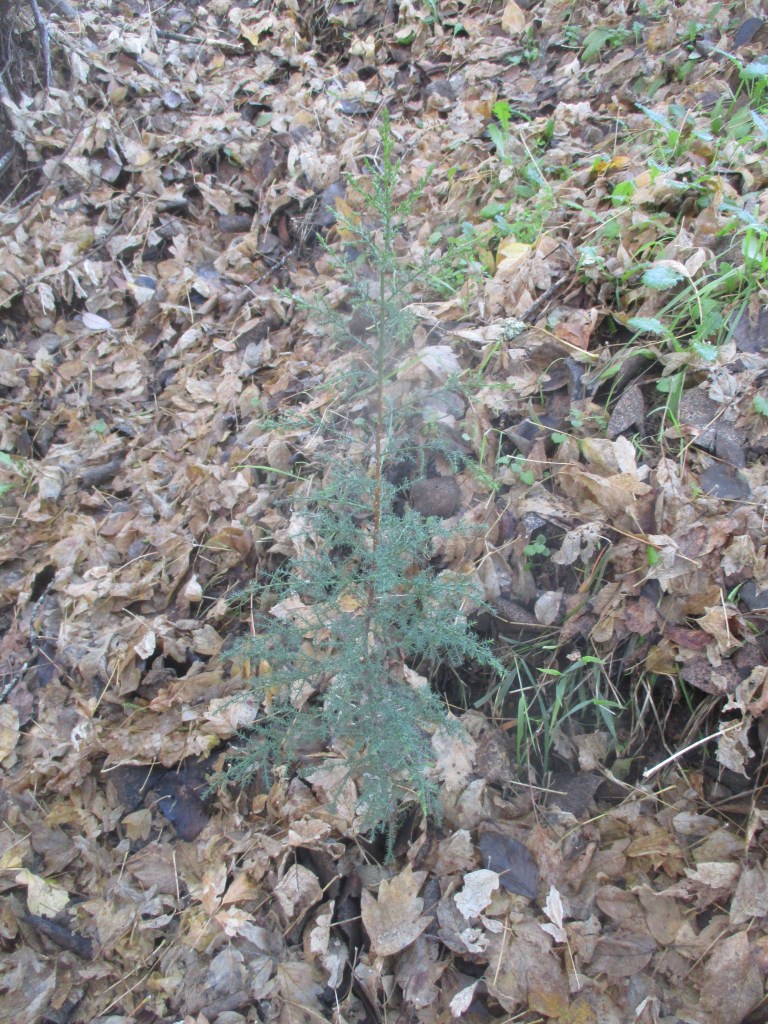
3. The David Fritiof Lindberg Memorial Tree was installed a few days after David Fritiof Lindberg passed away on November 13, 2021, with #2 above. It is only four feet tall now.

4. The Memorial Tree in Felton Covered Bridge Park is actually one of several Memorial Trees within its landscape. It is doing well, but needed a bit more pruning for clearance.
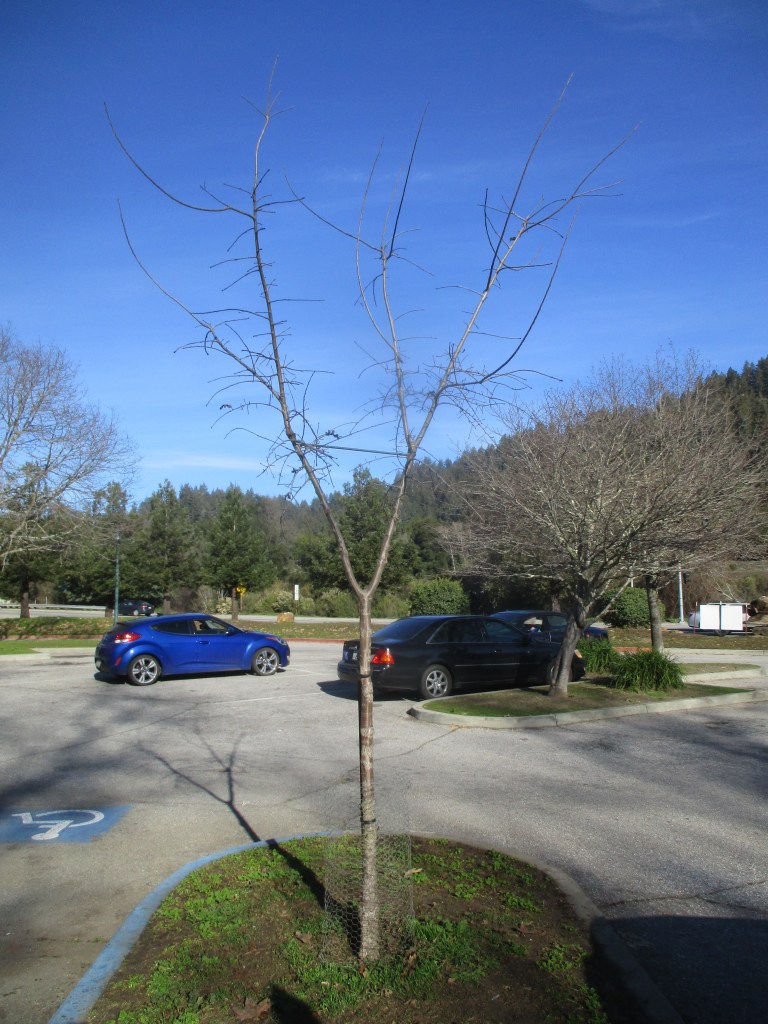
5. It looks scrawny after pruning, but will fluff out splendidly through spring. It may not need pruning for clearance again for quite a while. By that time, it will be too big for me.

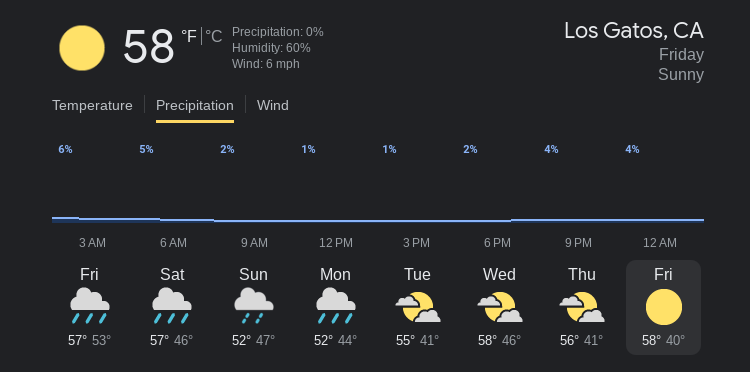
6. Sunny weather is finally in the forecast. Rain is normally appreciated in our chaparral climate, but has been excessive for too long. It has not rained this much in four decades.
This is the link for Six on Saturday, for anyone else who would like to participate: https://thepropagatorblog.wordpress.com/2017/09/18/six-on-saturday-a-participant-guide/

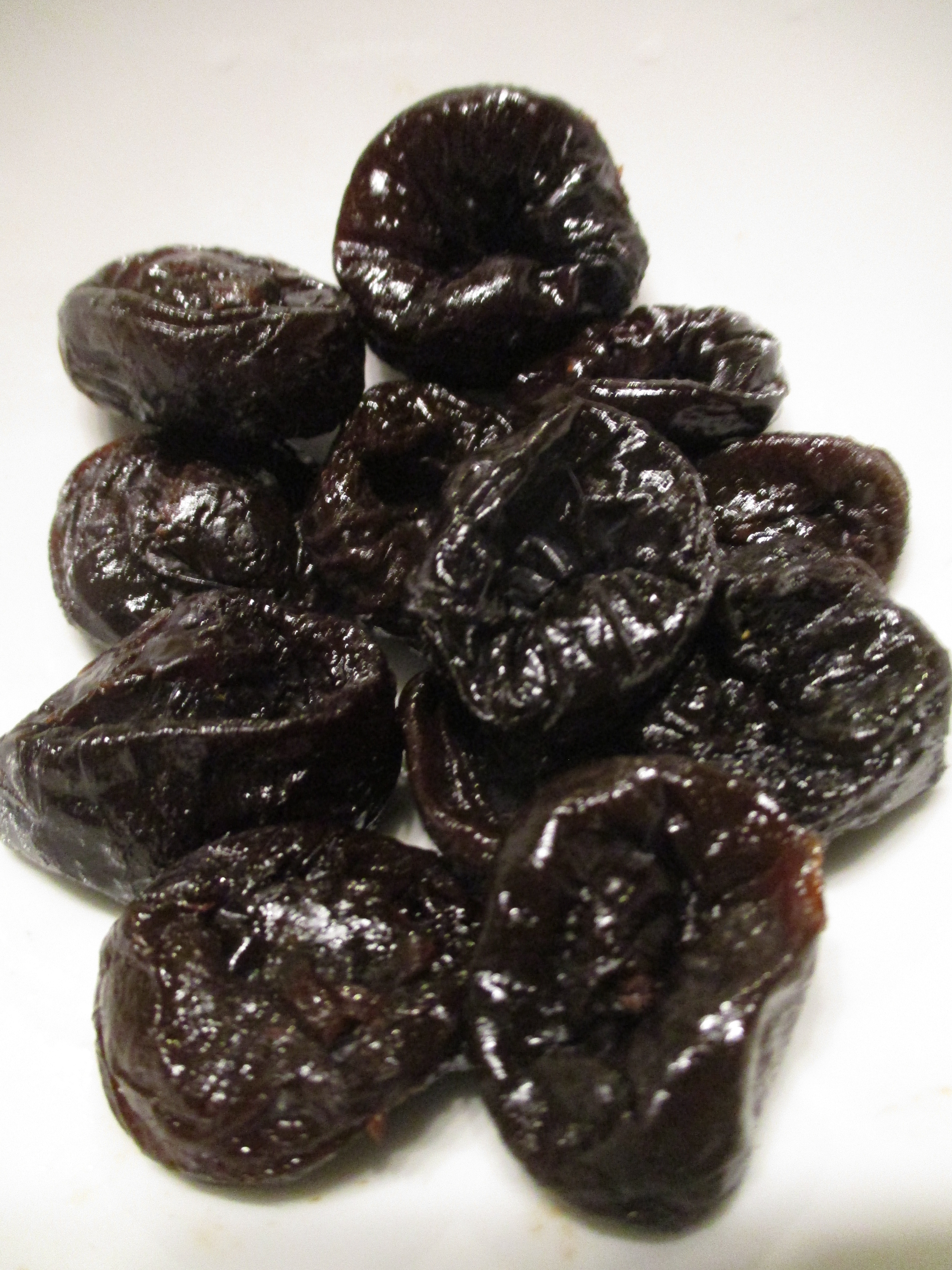 Dried prunes are experiencing something of an identity crisis.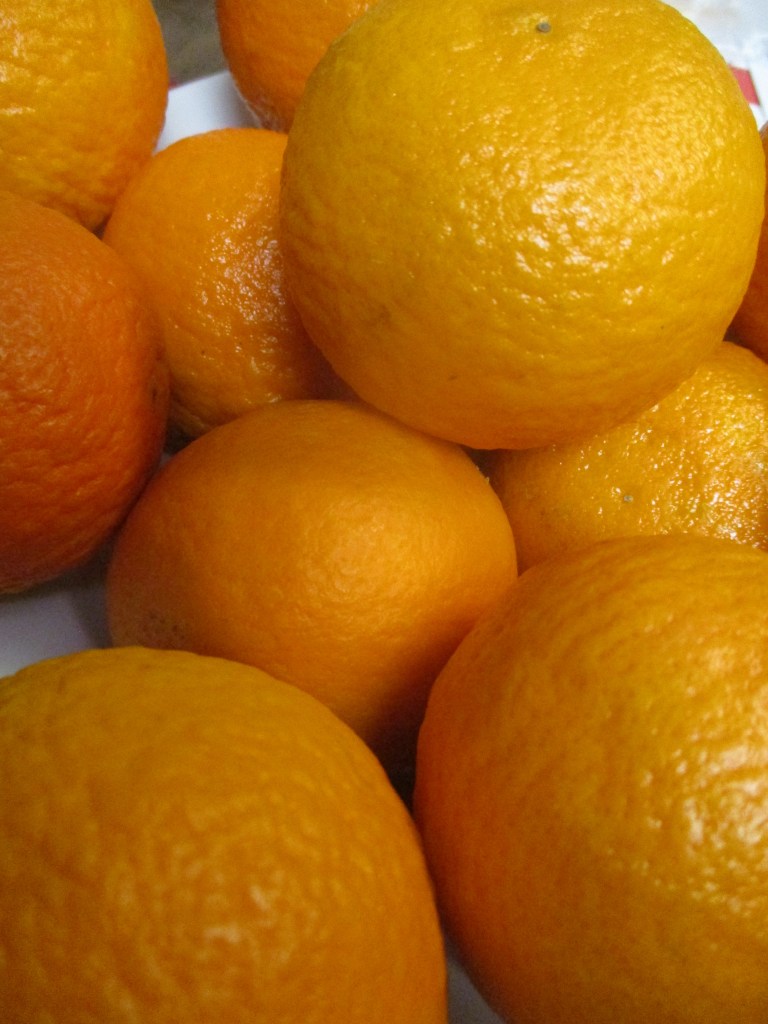
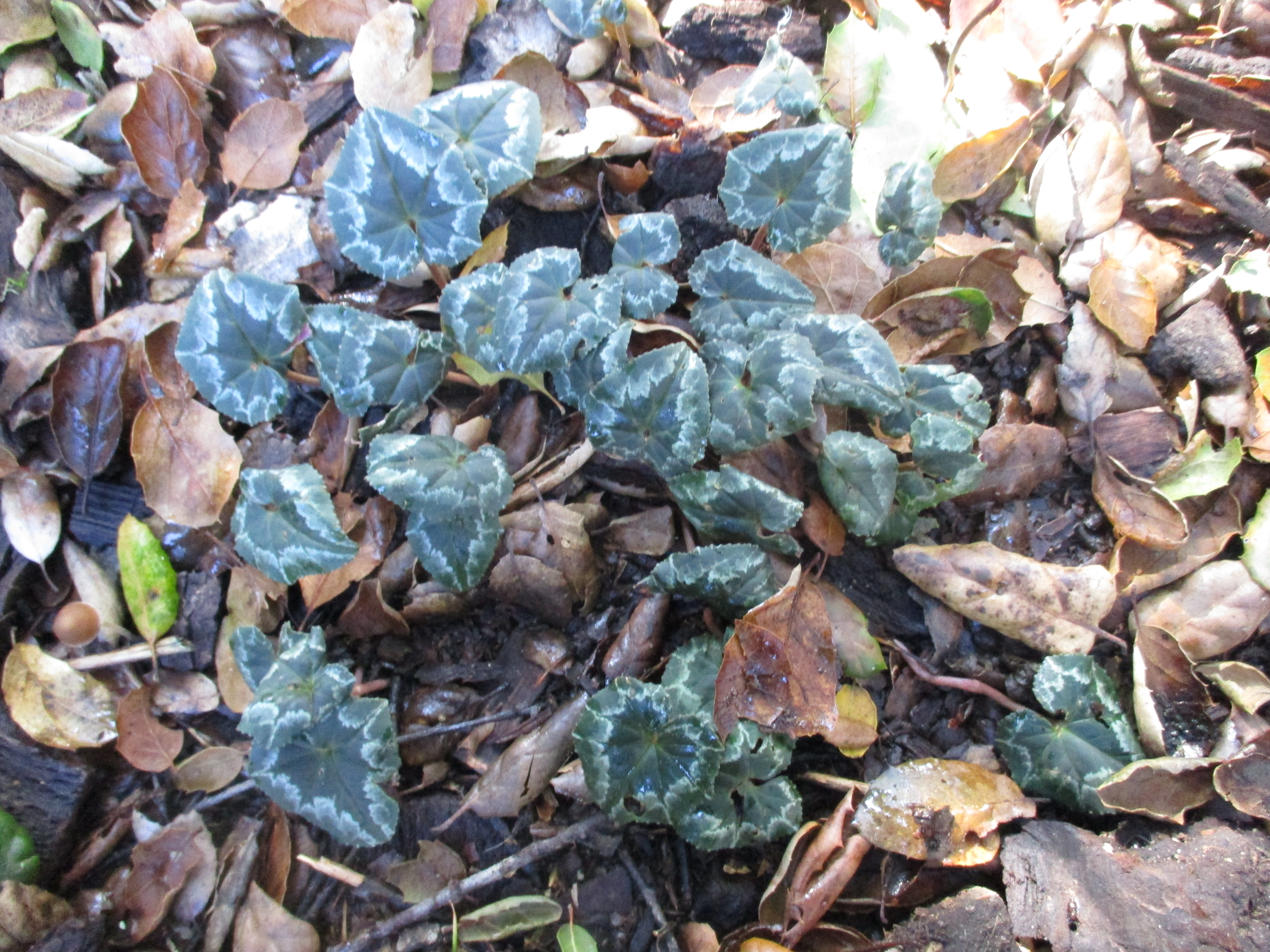 What species is this naturalized Cyclamen? hederifolium – coum – feral persicum – or something else?
 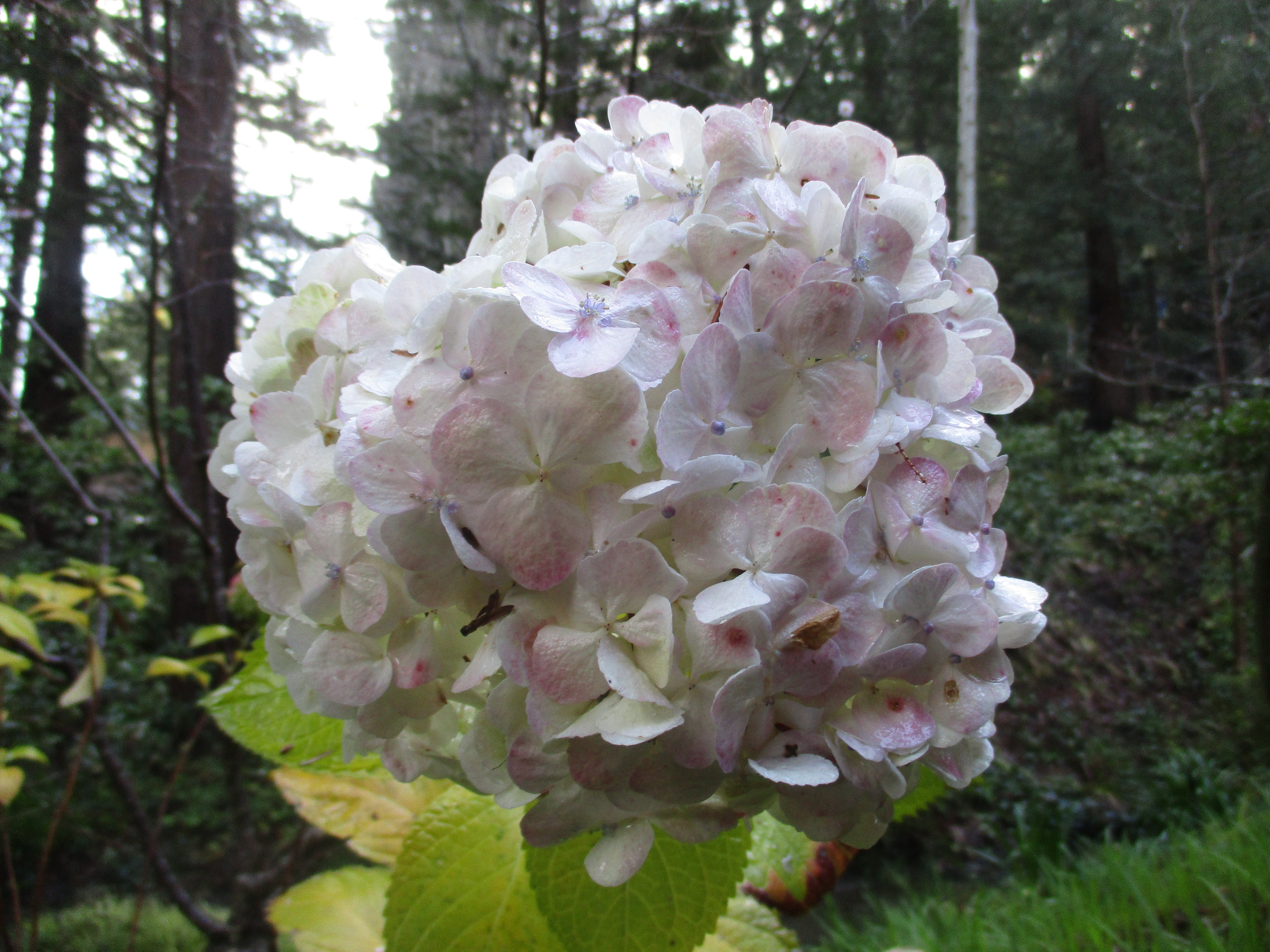 The good news is that these billowy white blooms were not wasted.