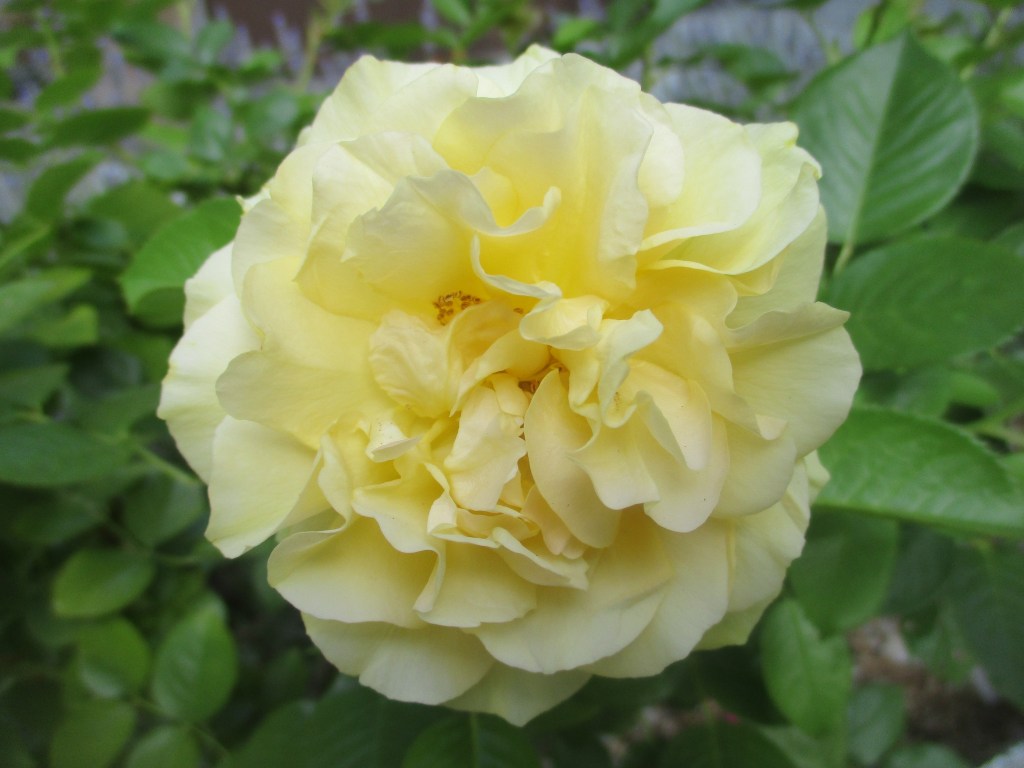
(This recycled article is eleven years old. Therefore, the event that it describes is no longer relevant.)
Just about anyone can plant roses in the garden, and care for them for at least the first year. Pruning them properly while they are dormant in winter in order to get them to perform satisfactorily every subsequent year is what most of us who grow roses have difficulty with. Like deciduous fruit trees, roses should not be planted and expected to perform with minimal attention. They certainly should not be pruned with hedge shears!
The once modern, but increasingly old-fashioned, hybrid T roses have traditionally been the most common victims of inadequate pruning, since they need such aggressive pruning every winter to prevent overgrowth that interferes with healthy cane growth and bloom. More modern cultivars (cultivated varieties) designed to resemble older roses, as well as reintroduced old fashioned roses are generally not so demanding, but likewise perform best with proper dormant pruning. There are slightly, and not so slightly, different ways to prune the different types of roses. Even the ‘low maintenance’ carpet roses should be pruned to some degree.
Fortunately for those of us who are just learning about roses, the first of several free rose pruning lessons in the San Jose Heritage Rose Garden began this morning, January 4. These hands-on lessons continue at 9:00 a.m. every Wednesday and Saturday until late February. Participants meet in the center of the Garden. The minimum age to attend is sixteen; but minors without parental supervision require a signed minor release form that can be obtained from the Guadalupe River Park Conservancy.
Participants should bring bypass shears, leather gloves, closed-toe shoes and preferably a water bottle. Those who lack shears or gloves can borrow what they need at the Garden. The Heritage Rose Garden is located on West Taylor Street near Walnut Street in San Jose. Parking can be found on Seymour, Taylor or Walnut Streets. More information can be obtained by email to Emily of the Guadalupe River Park Conservancy at emily@grpg.org or by telephoning 298 7657.
The Heritage Rose Garden is the most complete collection of old world roses, the ancestors of modern roses, in the world! Although it lacks modern cultivars, it exhibits a remarkably extensive variety of roses, with all sorts of growth habits. There really is no other garden where one can prune roses with the same basic techniques in so many different ways.
Incidentally, modern hybrid T roses derive their designation from the ‘T budding’ technique employed to attach the scion (upper blooming portion) to the understock (roots), not because the rose hips (fruiting structures) are used to make tea. However, all sorts of roses, including floribundas, polyanthas, grandifloras and all sorts of climbing roses, are budded by the same means; and many hybrid T roses are actually grown on their own roots and not budded onto understock at all. The designation of hybrid T seems somewhat out dated, but is still effective.

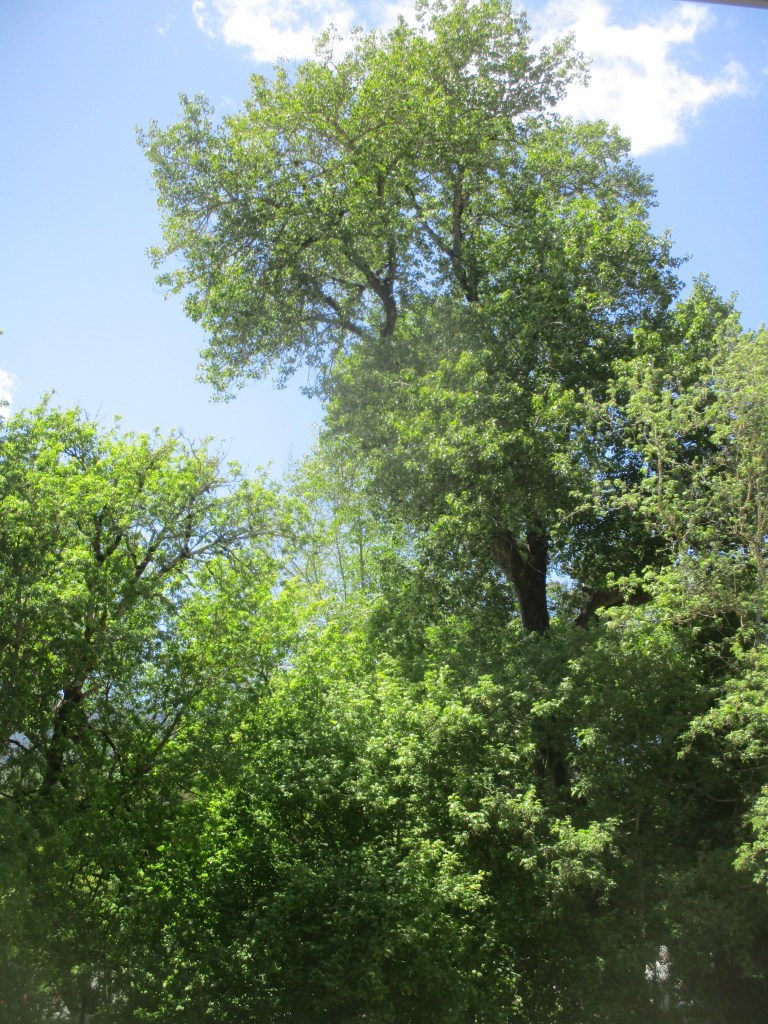


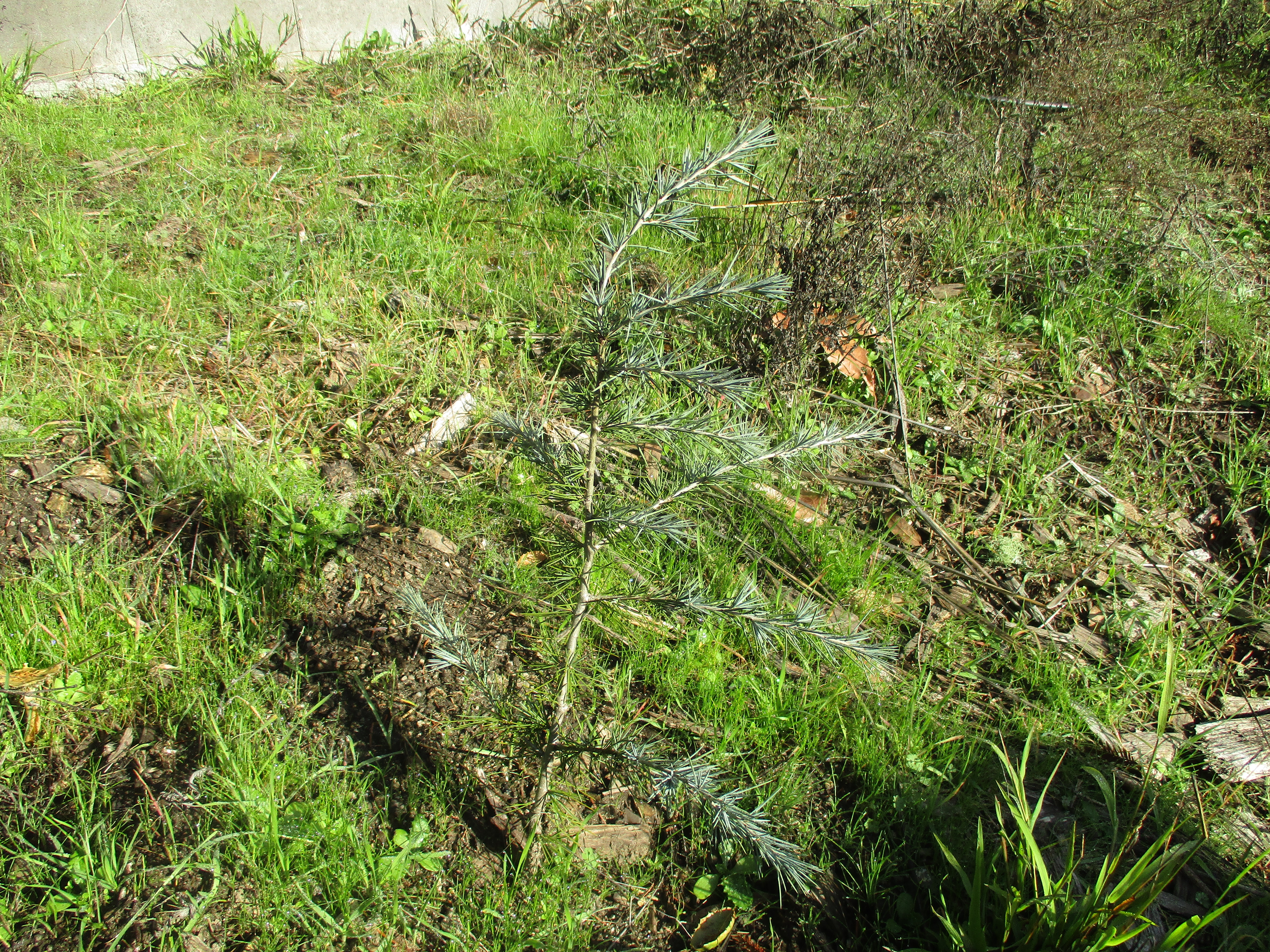 Reassigned deodar cedars have adapted to their new landscape.
 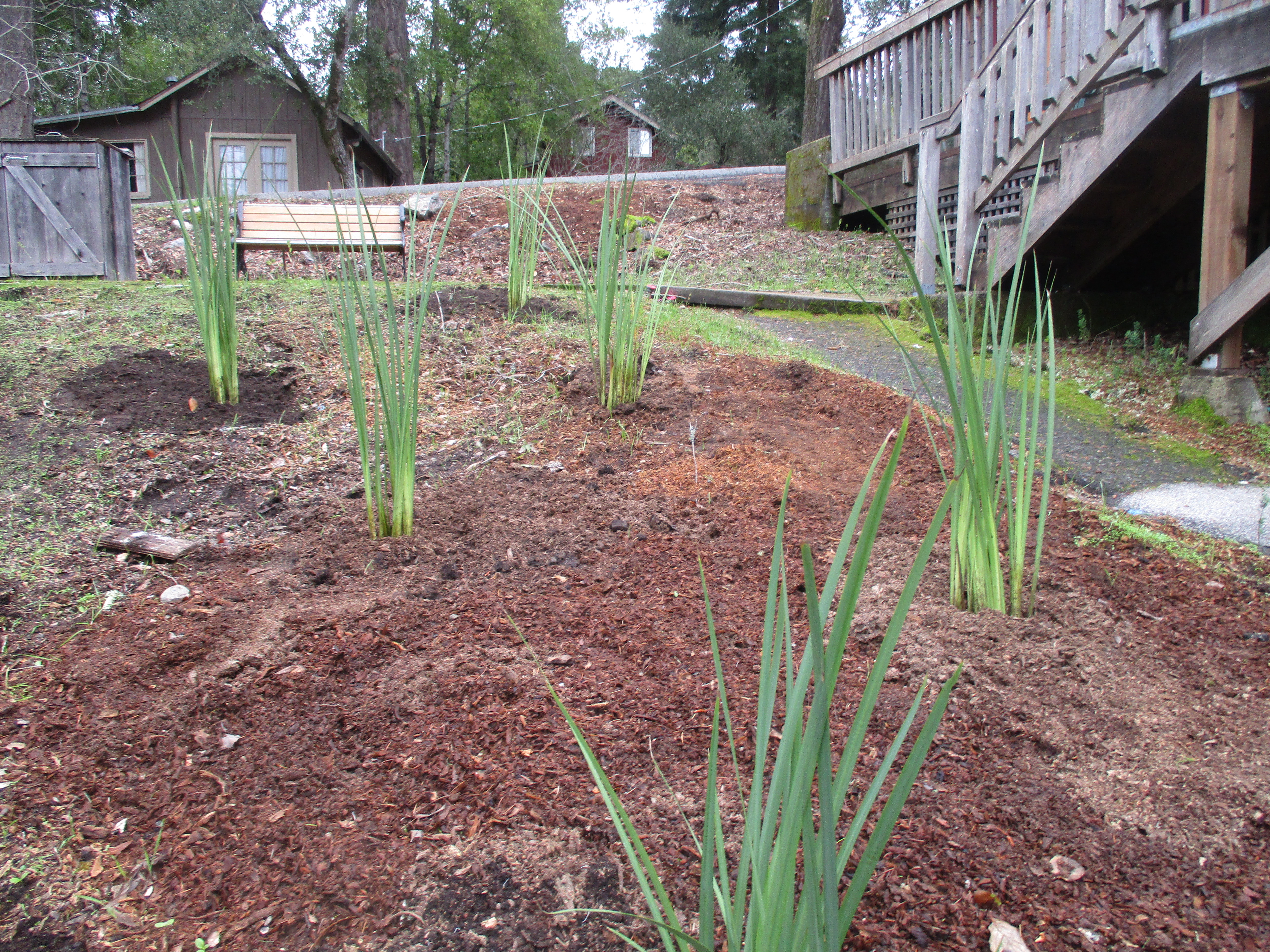 African iris are happily rehomed.


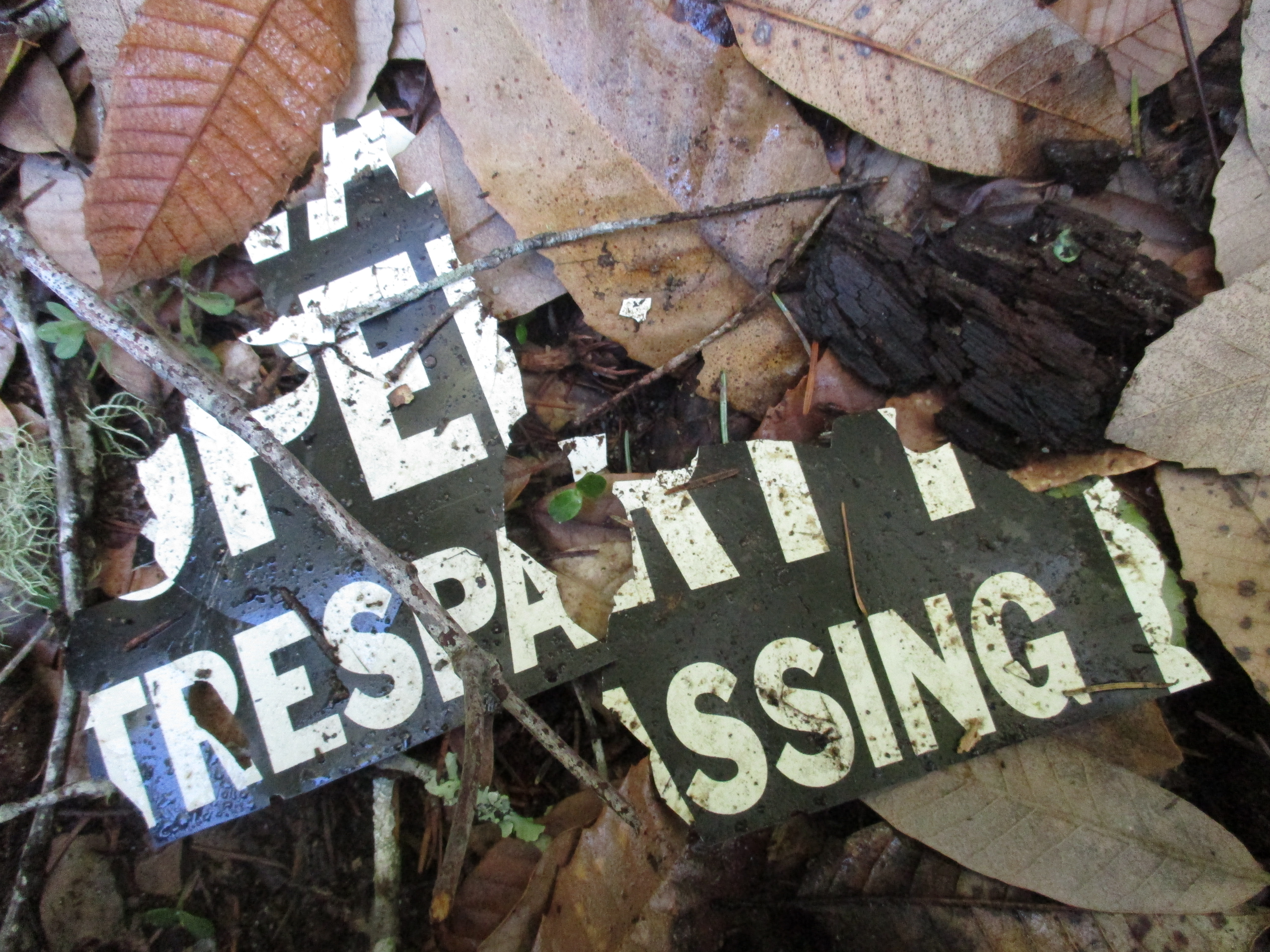 NO TRESPASSING? . . . No respect!
