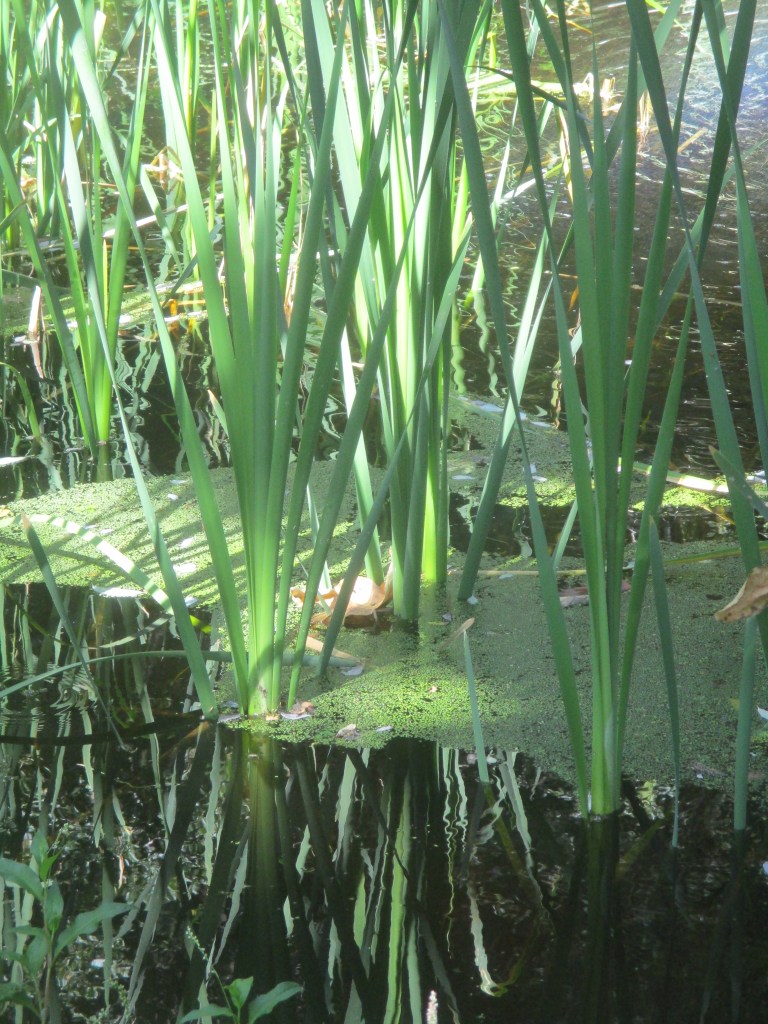
Ducks somehow find water. They eventually visit most home garden ponds that they can fit into. Duckweed, Lemna minor, is likely to come with them. It adheres to waterfowl and other wildlife for that purpose. It proliferates very efficiently, and almost typically becomes a nuisance. Eventually, proliferation in a healthy pond should stabilize to a tolerable rate.
Individual duckweed plants are tiny. Their oval leaves are typically less than a quarter of an inch long. Each floating leaf extends its single root less than three quarters of an inch into the water below. Plants produce no more than four rooted leaves before dividing into a few smaller plants to repeat the process. Bloom and subsequent seed are uncommon.
As a floating aquatic plant, prolific duckweed might obscure koi and submergent aquatic plants within garden ponds. However, it also helps stabilize healthy aquatic ecosystems. In fact, it is useful for bioremediation of agricultural and industrial applications. It absorbs detrimental substances from water, while producing fodder and biomass for composting.
Home gardens and landscapes should be compatible with their respective climates. For local chaparral climates, plants that do not need much watering through the long and dry summers are appropriate. Aquatic plants are the extreme opposite. They require regular replenishment of the ponds that they inhabit. Arid warmth increases their need for water.
Aquatic plant can not be ‘drought tolerant’. Several, such as duckweed, water lettuce and water hyacinth, float over the surface of water. Water lily and lotus inhabit the mud below the water, and extend their foliage to float over the surface of the water. Waterweeds stay completely submerged, with or without roots. Aquatic plants need water for their survival.
Marginally aquatic plants are somewhat less dependent on water. Cattail and yellow flag iris inhabit shallow ponds and saturated soil, but can survive if their situations drain for a while. If they stay too dry for too long, they can initiate dormancy, and then recover when saturation resumes. Canna inhabits either shores of shallow ponds, or evenly moist soil.
Regardless, all aquatic plants require maintenance that is completely different from what terrestrial plants require. Even those that need only minimal maintenance will eventually necessitate muddy and messy interaction. Much of such interaction is under water that is difficult to see through while murky. Aquatic plants are innately heavy and totally sloppy.
Moreover, some common aquatic plants grow like weeds. Water hyacinth and giant reed are two of the most invasive exotic species in California. So, not only are they sloppy, but they are also voluminous! Because they are very invasive, they should not inhabit ponds that they could escape. Besides, giant reed is too overwhelming for most home gardens.
Few home gardens include natural ponds or water sources to contain as ponds. Garden ponds are therefore mostly contained within some sort of sealed infrastructure, and need replenishment to compensate for evaporation. Fountains aerate the water for a healthier ecosystem, but also increase evaporation. Some tall aquatic plants also consume water, as the foliage that extends above water transpires.
Without prior notice, I was informed on Friday morning of a workday on Saturday morning at Felton Presbyterian Church. That was yesterday. Since there was no time to get other chores done in advance, I was an hour late. Considering that we only work for four hours between eight and noon, one hour is rather significant. I felt compelled to attend regardless. A few friends who are parishioners of Felton Presbyterian Church appreciate it. The difficulty of not attending is that there are several other volunteers who do attend, and they all have very different ideas, or no idea at all, about how to accomplish what needs to be done in the landscape. It is amazing how much damage can be done with a few light duty power tools and too much undirected ambition. Even when I am there, it is difficult to convince the others that I know more…
The weather in the parts of California that most of us are familiar with is generally rather mild. Some of the hottest temperatures every recorded were in the Mojave Desert, but not many of us even know how to get there. Some of the heaviest snowfall ever recorded was near Tahoe, but many of us think of that as almost Nevada. San Jose, Los Angeles and the most populous regions enjoy mostly comfortable weather throughout they year. ‘Drought’ is often an inaccurate description of the naturally prolonged dry chaparral and desert weather, as if it is abnormal. There would be no chaparral or desert if it rained here as much as it does in other climates. What is considered to be normal rainfall in some regions would be disastrous to regions that do not normally get so much precipitation. Drought does happen here sometimes, but it is not as common…
Yes, this is a sequel to the BIG News of my previous Six on Saturday, which could qualify as a sequel to other Six on Saturday posts that were in regard to the original topic of the Gladiolus papilio. Well, at least there are fewer sequels about this topic than there are in regard to Rocky. No, not ‘that’ Rocky; although he has too many sequels also. Rocky is a raccoon. Actually, he or she is not a specific raccoon, but is any raccoon who necessitates relocation, and is unlikely the same more than once. Rocky likely return from relocation, but avoid areas in which they were trapped.
1. Rocky VI, or VII, or maybe VIII or more. I can not count them all. Heck, I do not know when we started counting. They might have been quite fashionable nearly a century ago.
2. African daisy may not seem special, but to me, they seem to be atypically colorful. The color range was limited to white and eerie shades of purple while we were still in school.
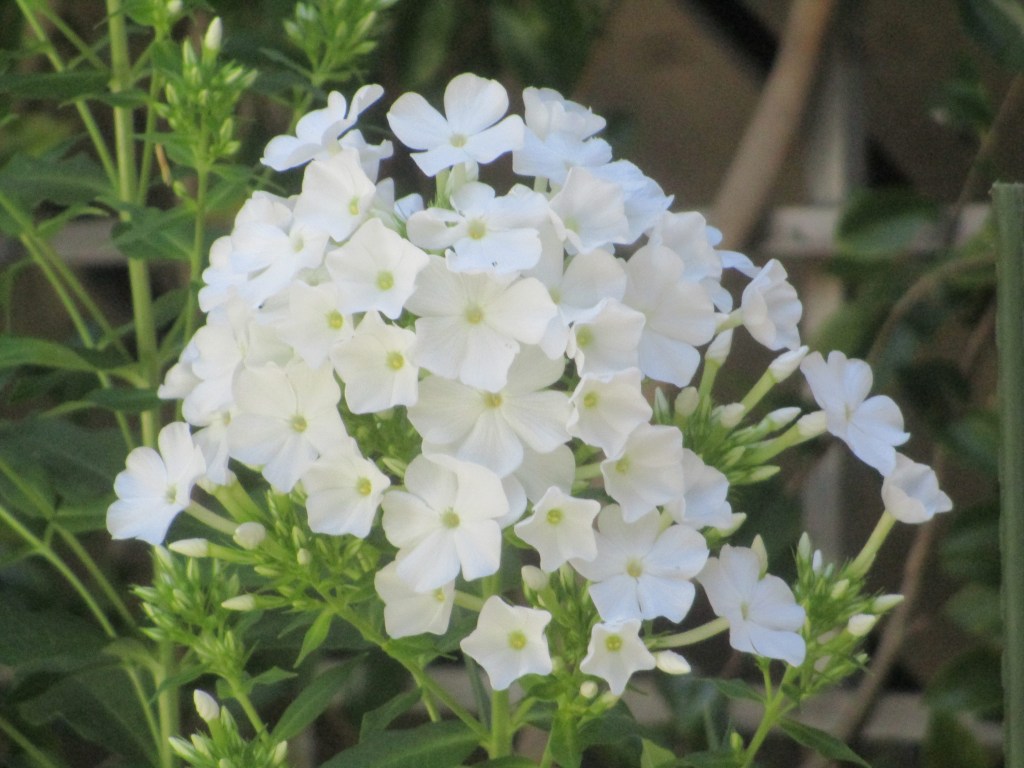
3. Phlox arrived in one of the more colorful landscapes just a few years ago, and politely proliferated. No one knows how it got here. It is perfectly white, and alluringly fragrant.
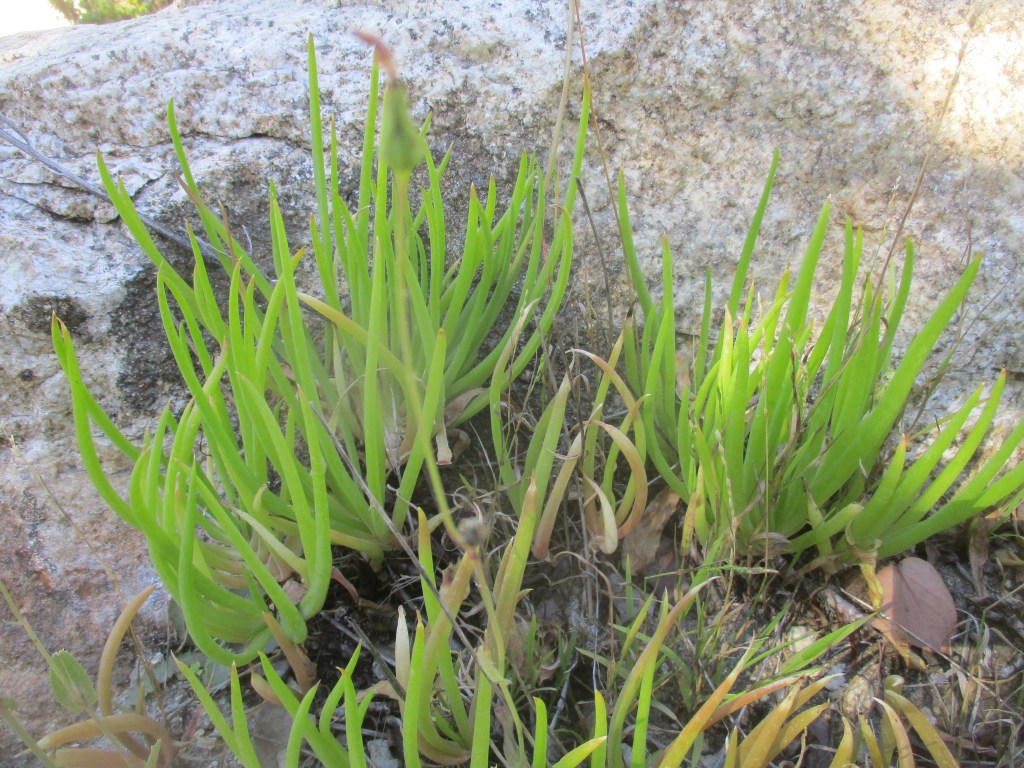
4. Bulbine caulescens, which lacks a common name, may seem to be no more interesting than African daisy, but is very special to me, because of who procured it a few years ago.
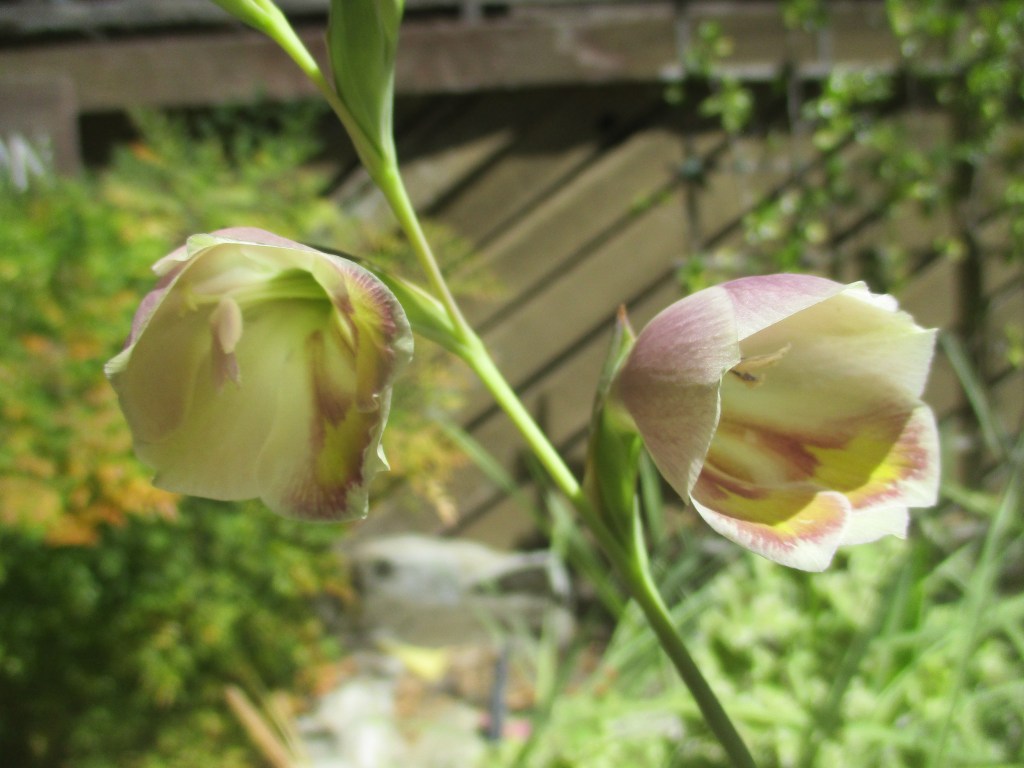
5. Gladiolus papilio from Tangly Cottage Gardening is, of course, the BIG news for these Six on Saturday. I noticed well budded floral spikes a week ago. They are now blooming!
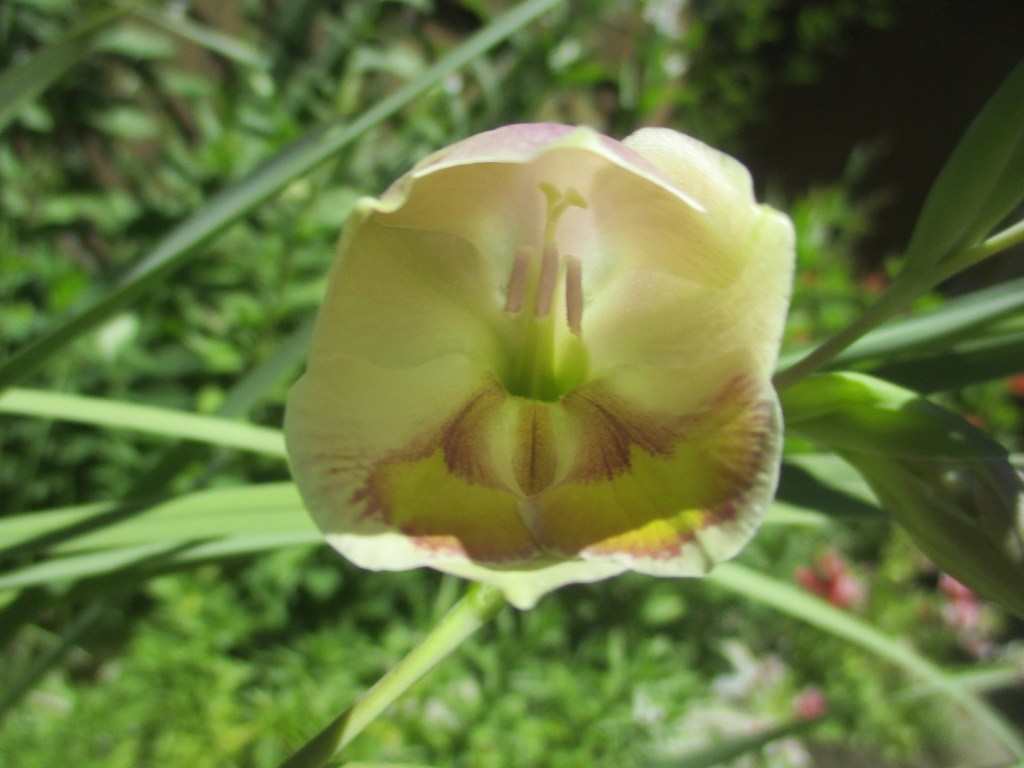
6. Only a single new floral spike was observed last week. I should have investigated more thoroughly. There are actually several! A few are in full bloom like this. They are so rad!
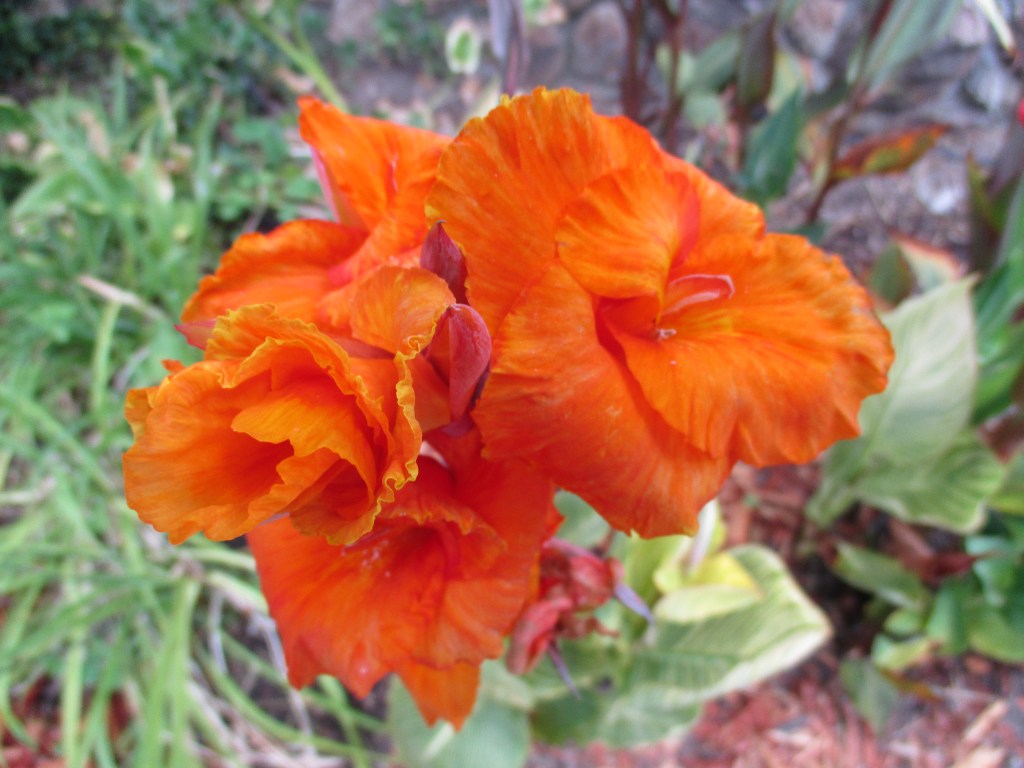
Although not directly toxic, canna has a unique reputation of lethality. Its spherical seeds are so hard that they were historically used as shot. Many victims are now pushing up daisies. Those who survived were pulling out cannas.
Old fashioned varieties that get up to six feet tall seem to be at least as popular as shorter modern varieties that get less than half as tall, probably because their bold foliage is as appealing as their colorful but awkwardly structured flowers. The big leaves can be cool green, rich reddish bronze or variegated. Red, orange, yellow, pink or rarely white flowers that bloom from summer to autumn are striking amongst the lush foliage, but are too perishable to be good cut flowers.
Stems that have finished blooming should be cut to the ground to promote more colorful new foliage and bloom. Mature colonies (of rhizomes) can be divided while dormant through winter if they get crowded enough to inhibit bloom every few years.
Canna bloom as well as foliage seem to be so tropical.
Plants could not proliferate as they do if they were as unintelligent as they seem to be. Actually, much of their activity would be considered quite ingenious if it could be observed in a more ‘human’ perspective. From their exploitation of pollinators to their aggressive tactics for competition with other plants, the behavior of plants is obviously very deliberate and purposeful.
Because they are so reliant on the weather, pollinators and so many other environmental factors, the life cycles of plants are on strict schedules. They must also adapt to diseases and all sorts of other pathogens. Fires and grazing animals are problems for many, but advantages to most.
Most seeds develop during summer and autumn. When they fall to the ground, they need to know to delay germination until spring to avoid frost and the likelihood of getting eaten. Seeds of many plants, particularly those from more severe climates, germinate only after being ‘stratified’ by a specific duration of cold weather. Such seeds need to be artificially stratified by refrigeration in order to germinate any differently from their natural schedule, or where winters are not sufficiently cold.
Many seeds require ‘scarification’ by digestion by animals that naturally eat them, or by the quick heat of a wildfire, to break or soften a hard outer coating that otherwise inhibits germination. Seeds that need to be digested actually rely on animals for distribution. Seed that need heat want to be the first to regenerate after a wildfire, before competing plants recover.
Goldenrain tree, and many maples and pines produce so many seeds that even if less than one percent germinate in the garden, they seem to be prolific. However, for more reliable germination of a majority of seeds, they should be scarified. The seeds of many pines that crave fire can be heated briefly in an already hot oven to simulate fire, just enough to heat the seed coat without roasting the seeds. Some people actually prefer to spread them on a piece of paper, and then burn the paper. Seeds that only need their hard outer coating to be damaged slightly might need only to be sanded lightly on sandpaper. I actually prefer to rub my canna or Heavenly bamboo (nandina) seeds on a brick or bit of sandstone.
Ever since I started writing about using native blue elderberries like Eastern black elderberries several years ago, the berries have become scarce. Now that others realize how useful they are, there is competition for them. Fortunately, there are enough growing in the landscapes here. Of course, this problem is completely different from the topic below.
Growing fruit trees is quite a bit of work. While producing, some of the fruit trees need nearly as much attention as annual vegetable plants in the vegetable garden. Then, while dormant, they need meticulous and specialized pruning. Some fruit trees get damaged by insect or disease infestation, or severe weather. Some fruit can get taken by wildlife. Yet, for most of us, the reward of fresh fruit is worth all the hard work that goes into growing it. Unfortunately, most types of fruit, especially the stone fruits, ripen simultaneously within their respective seasons, and are suddenly and briefly too abundant to be consumed while still fresh. Unless shared very efficiently with plenty of friends and neighbors, some of the fruit must be canned, frozen or dried for later consumption. Then, as suddenly as it started, the season for the particular type of fruit is done. There will be no…
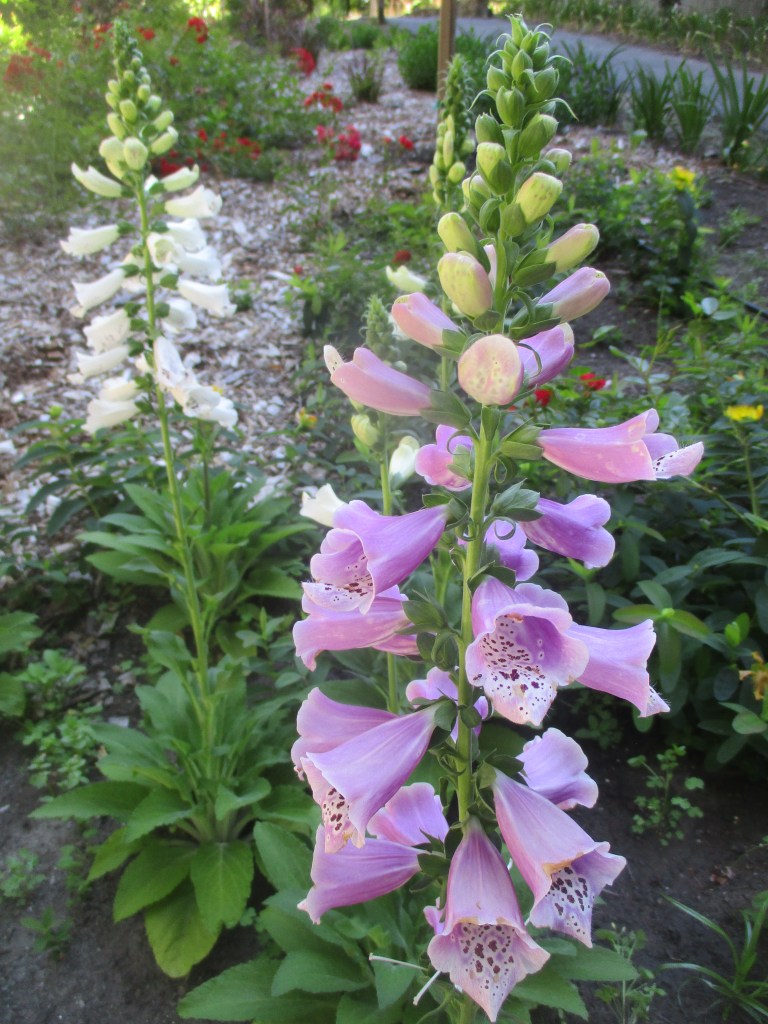
It is no coincidence that its generic name seems more pharmaceutical than horticultural. After all, the cardiac medication digitalis is an extract of foxglove, Digitalis purpurea. The plant is unfortunately very toxic. Because it naturalizes in several regions, it can be more hazardous than standardized medications. It can migrate undetected into home gardens.
Otherwise, foxglove is a delightful warm season annual with a rustic or woodsy style. It is actually a biennial that generates basal foliar rosettes during its first season, and blooms during its second season. Although technically monocarpic (so should die after bloom), it can produce a few short pups to bloom later. Seedlings can appear in random situations.
Plants from nurseries grew during a previous season, so are ready to bloom immediately for early summer. Their seedlings may grow through later summer and autumn, so might bloom for the following summer. Floral stalks generally stand between three and six feet tall. The tubular and somewhat pendant flowers are mostly pinkish purple, pink or white. A few modern varieties bloom yellow or apricot.
Oleander that inhabits freeway medians is poisonous enough to be hazardous. Two tons of Buick cruising at sixty-five miles per hour past such oleander has more potential to be hazardous. The risk associated with toxic plants within freeway medians is as limited as their accessibility. Remarkably durable and resilient oleander is therefore quite practical.
Realistically, established oleander is quite practical for many landscapes. (Oleander leaf scorch limits the practicality of new installation though.) It is not the sort of vegetation that is appealing for consumption. Caustic sap should deter anyone who tries. It is poisonous primarily to curious young children or chewing dogs. It is generally safe in their absence.
Foxglove, angel’s trumpet, castor bean, nightshade and poison hemlock are significantly more hazardous because they are easier to consume. The seeds of castor bean and the fruits of nightshade actually seem to be edible. Poison hemlock sometimes mingles with foraged greens. Many diverse toxic plants exhibit hazardously appealing characteristics.
Some toxic plants are appealing enough to come indoors, where cats who never venture outdoors might take an interest in them. Dumb cane (Dieffenbachia) is a popular but very toxic houseplant. Mistletoe, although a parasitic and undesirable weed, is popular as cut foliage at Christmas. Its berries are very toxic. Poinsettia exudes caustic sap if disturbed.
Some toxic plants are toxic only because they are allergens. They affect only those who are allergic to them. Most people are allergic to poison oak. Fewer are allergic to related plants, such as African sumac. Some people are more or less allergic to a few species of Grevillea or Primula. Reaction to such species can be comparable to that of poison oak.
Too many toxic plants inhabit home gardens to list. Some are familiar fruit and vegetable plants, such as elderberry and potato. Some should be removed for the safety of children or pets. Selection of new plants can simply and conveniently omit any concerningly toxic plants. Generally though, with responsible interaction, most toxic plants are not too risky.


 Without prior notice, I was informed on Friday morning of a workday on Saturday morning at Felton Presbyterian Church. That was yesterday. Since there was no time to get other chores done in advance, I was an hour late. Considering that we only work for four hours between eight and noon, one hour is rather significant. I felt compelled to attend regardless. A few friends who are parishioners of Felton Presbyterian Church appreciate it.




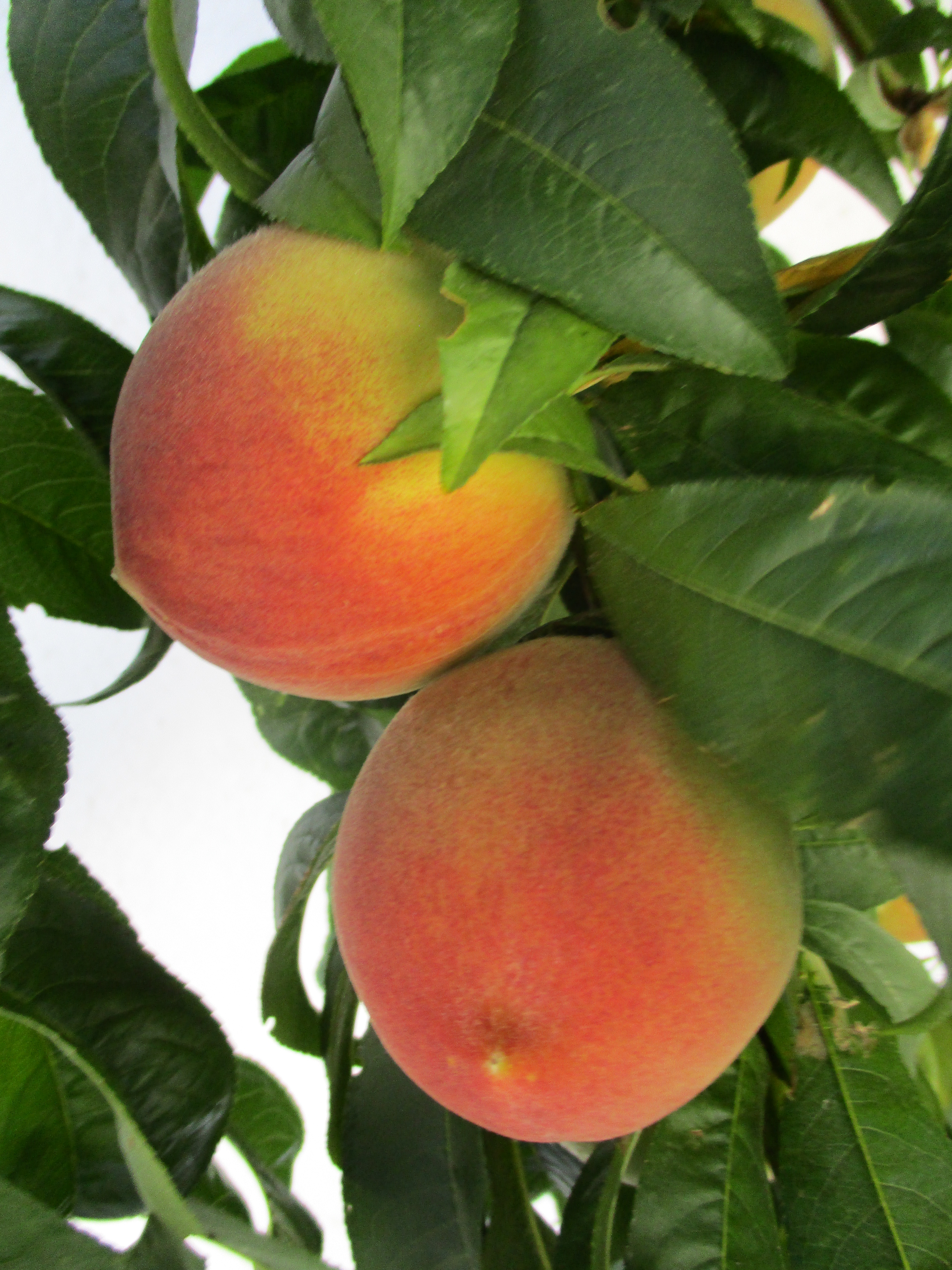 Growing fruit trees is quite a bit of work. While producing, some of the fruit trees need nearly as much attention as annual vegetable plants in the vegetable garden. Then, while dormant, they need meticulous and specialized pruning. Some fruit trees get damaged by insect or disease infestation, or severe weather. Some fruit can get taken by wildlife. Yet, for most of us, the reward of fresh fruit is worth all the hard work that goes into growing it.