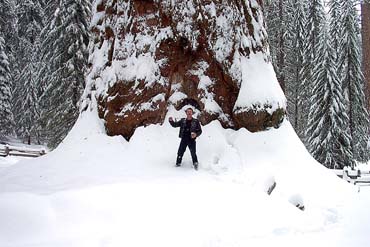
As a companion plant, candytuft hides the less appealing lower growth of roses; or it can cascade from mixed planters.
Most roses that are grown for cut flowers are not very appealing in the landscape. They look better behind shorter perennials or shrubbery, with their taller flowering stems standing higher above. Mounding herbs like lavender, lavender cotton or rosemary, or small hedges of boxwood, dwarf hebe or Indian hawthorn obscurer their thorny undergrowth nicely. Candytuft, Iberis sempervirens, is a small perennial that gets just high enough to give a neat edge to a row of roses.
It gets gets about a foot deep, and can very slowly but eventually spread over a few square feet. The tiny, narrow and dark green leaves are less than an inch long. Inch wide trusses of minute white flowers resemble those of sweet alyssum, although lack fragrance. Sloppy plants can be restored by getting pruned almost to the ground.
Roses should be pruned before the end of winter. Here where winters are so mild, they can get pruned early.
Just like most of the modern fruit trees that were bred over the past few centuries to produce unnaturally large and abundant fruit, almost all modern roses have been bred for unnaturally large flowers. Production of such large flowers takes quite a bit of work. An excess of these large flowers is more than overgrown rose plants can keep up with. This is why roses should be pruned so aggressively while dormant in winter.
Pruning should be done before buds start to swell at the end of winter. Some people prefer to wait until the end of February. However, because winters are so mild here, buds are already starting to swell, and some are even beginning to grow. I actually prefer to prune early, as soon as roses are dormant and most of the foliage falls off easily when disturbed.
The objective of pruning is to remove as much superfluous growth as possible, in order to concentrate growth into fewer but more productive stems and flowers. Without pruning, roses naturally develop into rampant thickets of abundant but less productive stems. It is also good horticultural hygiene to remove all foliage from last year, since that is where fungal and bacterial pathogens overwinter. Leaves should be plucked from stems and raked from the ground.
Hybrid tea roses get pruned severely so that there are only three to six canes about two feet high. Healthy canes that grew from the base last year are the best. They should have fresh green bark, and preferably lack branches below where they get pruned. Older canes that are developing striations (rough bark texture) should be pruned out. Most floribunda roses can get pruned almost as severely, so that they have only five to a dozen canes.
Some grandiflora roses are allowed to get significantly taller. They develop most new canes on top of canes that were pruned during the previous winter, instead of from the base. Consequently, some stems can get quite old and tall before new basal canes develop to replace them. Climbing roses are likewise pruned less aggressively, since new canes grow from old canes.
Like most fruit trees, most roses are grafted. Therefore, ‘suckers’ (shoots from below graft unions) must be removed. Tree roses should not be pruned below the graft unions on top of their main trunks. Most carpet roses are not grafted, so do not develop suckers; but then, they do not require such specialized and aggressive pruning either.
Okay, we get it; someone really hates trees. That’s fine. Trees are not for everyone. Just cut it down. Put it out of it’s misery. Take away the useless lodgepole stake and strap along with it. Maybe those Canary Island date palms that look like the home of SpongeBob SquarePants in the background will recover from their own form of abuse to compensate for the loss of this seemingly unwanted goldenrain tree.
Apparently, it is not that simple. This goes beyond a dislike of trees, or a mere desire to kill them. This tree seems to have been tortured by someone who enjoys it WAY too much. There were others that were similarly disfigured in this same parking lot in the north of San Jose. They were not pollarded. They were not pruned. There were mutilated, but kept alive for more of the same. What is worse is that someone…
For millennia, olive, Olea europaea, dutifully produced oil and edible fruit for civilizations of the Mediterranean region. During the last several centuries, it migrated to do the same in other regions of similar climate throughout the World. At least two centuries ago, it got to California, and became a major agricultural commodity. Now, it lives in home gardens.
The abundant and oily fruit that justified cultivation of olive trees for thousands of years is ironically a potential nuisance for home gardens. Few people harvest and process them. Olive fruit can stain pavement and attract rodents. Fruitless or mostly fruitless cultivars of olive, and dwarf cultivars, have been increasingly popular for only the past few decades.
Olive trees are not big, but slowly develop grandly sculptural trunks. Some might be little more than twenty feet tall when mature. Few get more than forty feet tall. Most have a few leaning trunks, which become furrowed and distended with age. The narrow and grayish evergreen leaves are about two or three inches long. Olive fruits are about an inch wide.
Olive orchards formerly inhabited some of the regions that became urban in California. A few orchard trees remained within urban gardens of the homes that encroached on them. Unfortunately, for those who did not utilize the abundant olives, these trees were horridly messy. Many decades ago, pollarding eliminated the mess without eliminating the trees.
Pollarding is extreme pruning that eliminates all but the main trunk and a few main limbs. It deprives olive trees of their ability to bloom, by eliminating stems of a previous season that would otherwise bloom during the next season. Fruit can not develop without bloom. For other trees that bloom only on older stems, pollarding eliminates bothersome pollen.
Pollarding has several other practical applications. It confines trees that would otherwise get too big for their respective situations. It enhances foliar color and texture for trees that display colorful foliage through summer, such as Schwedler and Princeton Gold maples. Red twig dogwood generates more colorful twigs, and more abundantly, after pollarding.
For agricultural purposes, pollarding generates lush vegetative growth of white mulberry to sustain silkworms, or other vegetation for livestock. It similarly generates long and thin willow stems for basketry. Various eucalypti rely on pollarding to produce juvenile foliage that is colorful and healthy enough for floral design, or aromatic enough for essential oils.
Nowadays, pollarding is unfortunately passe and even vilified. Consequently, almost no arborists learn about it. Because it is technically disfiguring and potentially unsightly, it is undesirable for many situations. Annual repetition is needed to prevent bloom or fruiting. Otherwise, restorative pruning or more extreme pollarding eventually become necessary.
For pollarding, proper technique is imperative. Such severe pruning must happen during winter dormancy. It would it be too stressful during vascular activity. Besides, bark would be very susceptible to scald if so suddenly exposed during warmer and sunnier weather. Pruning cuts must be very neat, and back to any old pollard cuts, without stubs to inhibit healing.
Oh my! This is still one of my favorite topics! Since this article posted, these perennial Gladiolus papilio have done quite well, and perhaps too well. They are one of my favorite perennials now, partly because of their history.
This link is to the original post to ‘Six on Saturday’ that was about the four dozen or so Gladiolus papilio bulbs that the author of Tangly Cottage Gardening Journal sent to me at the end of last October.
I tried to not get too eager about these new bulbs. I sort of watched their site shortly after planting them, just to make sure they were safe. Once they were planted, nothing else was done there. There was a bit of frost just to let them know what time of year it is. The rain has been soaking the ground for them.
More recently, I noticed that some of the spring bulbs, particularly narcissus, are blooming elsewhere. Daffodils with bigger flowers are just about to bloom. Even though I know that the summer bulbs bloom a season later, I also know that, their foliage starts to develop quite some…
There is no shortage of artistic pictures online and within the context of gardening blogs. Some really are fascinating. I particularly like those that show the weather in far away and mythical lands like Colorado, Chicago, North Carolina, Australia, Oklahoma, New Zealand, Austin, and South Africa. Then there are the cats, dogs, hens, horses, pigs, and a few others that are not so entertaining. The close ups of flowers, fruits, leaves, mushrooms and any variety of odds and ends are amusing if they are not immediately recognizable. Yet, all these pictures are not my style. I am not the artistic sort.
I will try though. This shiny chestnut brown acorn half shell just looked like something that I should get a picture of. It was just laying there on the big sycamore leaf as if it were on display. The interior is even shinier and more richly colored than the…
I seem to have flunked my Covid test. Nonetheless, I felt that I was sick with ‘something’ that, regardless of how minor, should not be shared. I would have ignored it a few years ago. That is no longer an option. I isolated at home for the past week, avoided work, and did not venture out much. Consequently, I did not take pictures for this Six on Saturday. Half were taken here at the last minute. Half were taken prior to last week.
1. Esperanza and poinciana (pride of Barbados) seed from Crazy Green Thumbs got here a month ago. Sowing is delayed for frost. I am too ashamed to say what happened to the esperanza seed from The Shrub Queen earlier. I will explain when I sow these after frost.
2. Pineapple sage grew from five cuttings on a windowsill right in the middle of winter. I had no plan for them when their original stem got in my way at an ATM. It needed to go.
3. Hottentot fig, which is also known as common freeway iceplant, gets no respect. I was pleased to see it mixing with other succulents for a planter box in town earlier last week.
4. Narcissus bloomed at about the same time that I saw the Hottentot fig in town. It was in our landscapes though. It brings back childhood memories of summering in Montara.
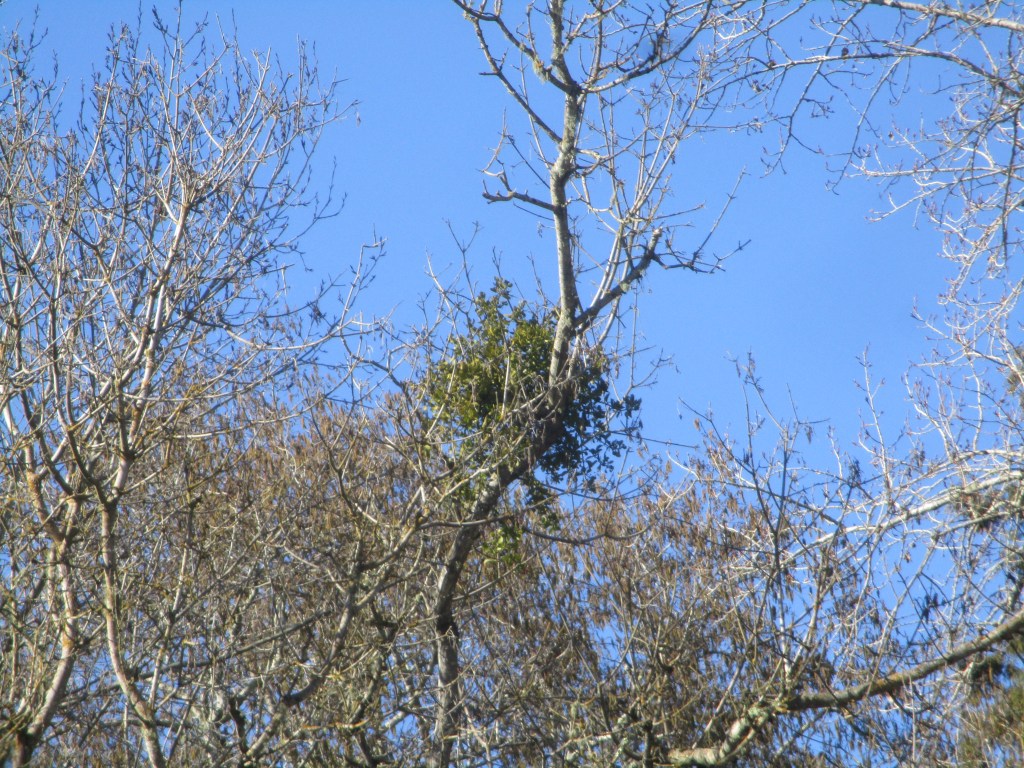
5. Mistletoe is making a comeback, after an unexplained decline a few years ago. I really wanted to show the unseasonably clear blue sky, but this seemed to be more interesting.
6. This is how the weather should behave at this time of year. There has been no rain for a month or so. It is quite dry. I believe that I recorded this video on Christmas morning.
The pendulous foliage of red ironbark eucalyptus moves softly in the breeze. The tall, curvy trunks are elegant and sculptural.
The many varied eucalypti never seem to outgrow the bad reputation of the blue gum and red gum eucalypti that get too big, messy and dangerous for urban gardens. Fortunately though, most others do not get nearly as large, and many stay proportionate to urban gardens. Their smaller canopies are neither as messy, nor as structurally unsound. Their adaptability to so many California climates and tolerance of aridity are serious advantages.
Red ironbark eucalyptus, Eucalyptus sideroxylon, is one of the mid-sized eucalypti that can eventually get quite tall, so is probably best where it has room to grow. Pruning for containment in compact gardens is actually quite a bit of work. Their coffee colored and deeply furrowed bark on elegantly sculptural trunks and limbs contrast nicely behind the mint frosting colored and softly pendulous foliage. The lanceolate leaves are about five inches long and three quarters of an inch wide. Flowers are almost always pinkish red, but can be pink or white.
Big trees need real arborists. Even the best of gardeners should not be expected to perform major specialized arboricultural techniqes.
Just as most problems in landscapes are caused by maintenance gardeners hired to maintain the landscapes, many of the problems with trees are caused by those hired to fix such problems. Arboriculture, which is the horticulture of trees, really should be performed, or at least directed, by professional arborists. It is too specialized to expect it to be done properly by those lacking education and experience.
Even the few proficient gardeners who can perform most aspects of gardening well are not likely as proficient with proper arboriculture as arborists are, not only because it is so different from other gardening, but also because of the techniques and tools involved. Gardeners compare to arborists something like those who clean windows on skyscrapers. Custodians who clean windows on the highest floors from the inside probably would not want to clean the same windows from the outside like window washers do. There are just too many differences in the two related but vastly different types of work.
Arborists who are certified by the International Society of Arboriculture, or ISA certified arborists, are the most qualified to assess the health, stability and structural integrity of trees, and to then prescribe any necessary arboricultural procedures. These arborists have passed an examination of their arboricultural expertise, and maintain their certification by continued involvement with ISA educational seminars, workshops and classes.
Arborists and the tree service businesses that they are affiliated with are easy to find at the website of the ISA at www.isaarbor.com. They can be found directly by name, or regionally by city or ZIP code. The website is also an excellent resource for those wanting to learn more about trees and the importance of proper arboriculture.
Trees are the most substantial features of landscapes, and are really worthy of more respect than they commonly get. Structural problems or instability can be serious problems, not only to the affected trees, but also to anything around them that might be damaged or destroyed by falling limbs or even entire trees. Proper arboriculture helps to keep trees healthy and reasonably safe for many decades or centuries.


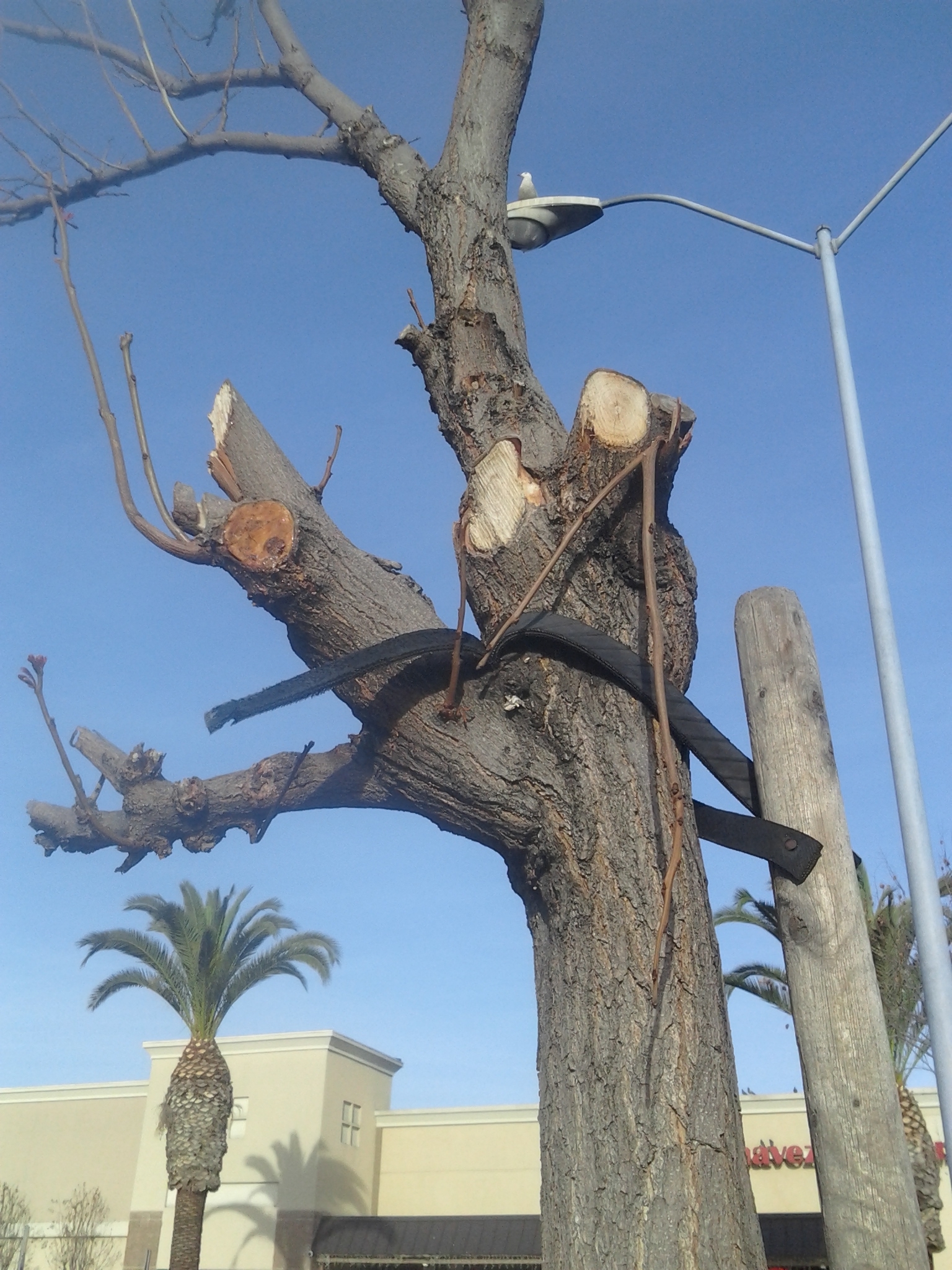 Okay, we get it; someone really hates trees. That’s fine. Trees are not for everyone. Just cut it down. Put it out of it’s misery. Take away the useless lodgepole stake and strap along with it. Maybe those Canary Island date palms that look like the home of SpongeBob SquarePants in the background will recover from their own form of abuse to compensate for the loss of this seemingly unwanted goldenrain tree.

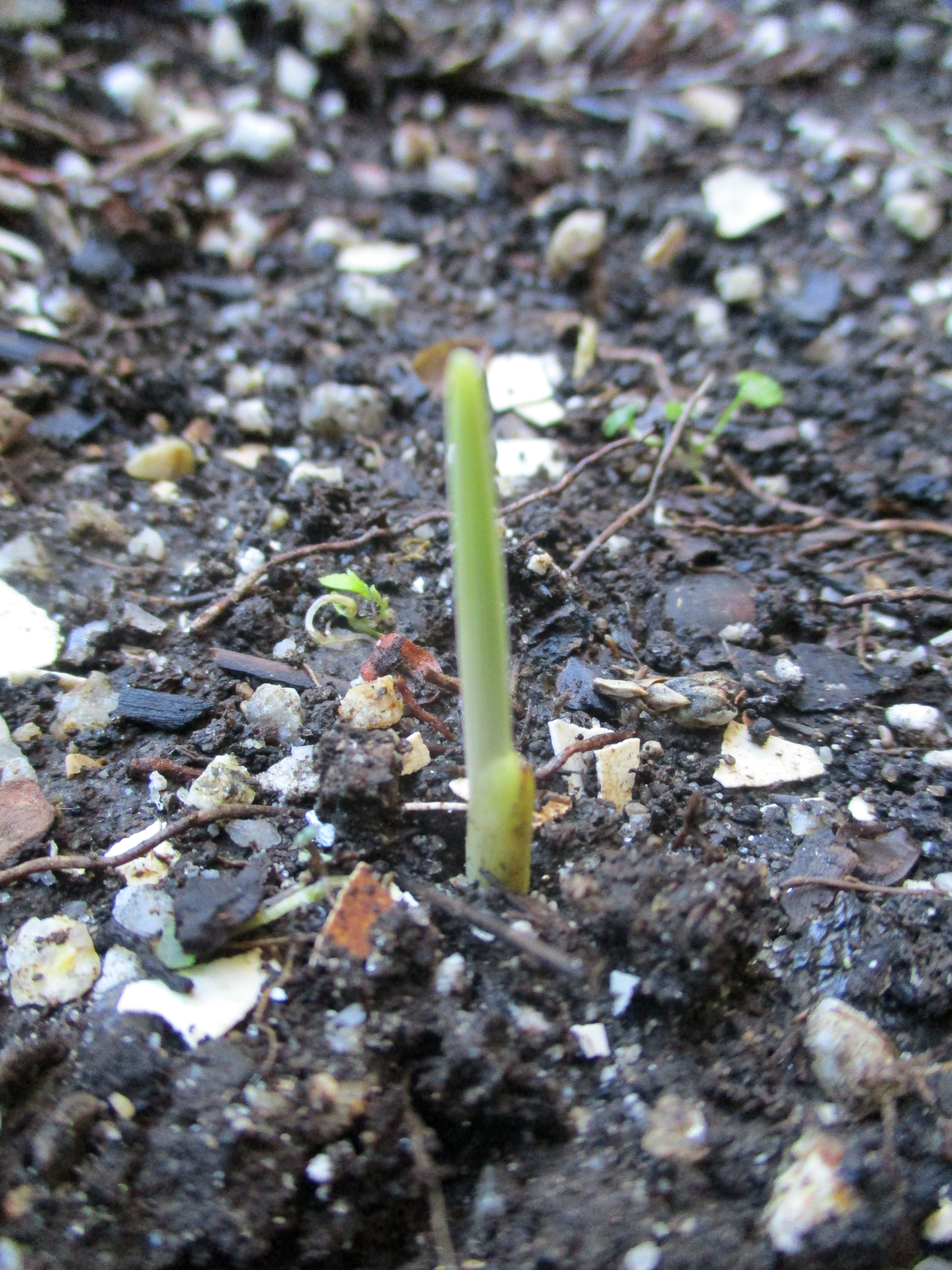
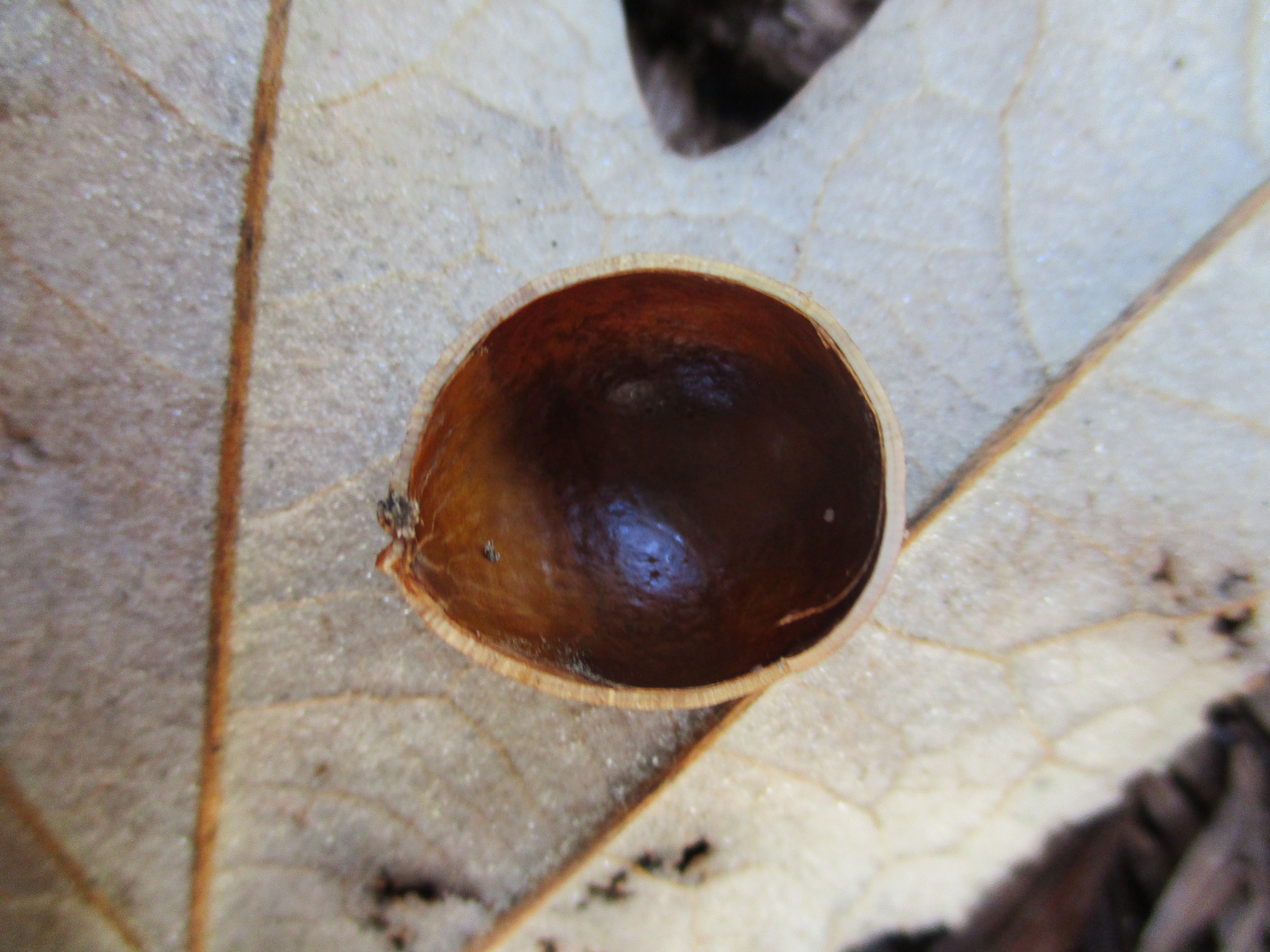 There is no shortage of artistic pictures online and within the context of gardening blogs. Some really are fascinating. I particularly like those that show the weather in far away and mythical lands like Colorado, Chicago, North Carolina, Australia, Oklahoma, New Zealand, Austin, and South Africa. Then there are the cats, dogs, hens, horses, pigs, and a few others that are not so entertaining. The close ups of flowers, fruits, leaves, mushrooms and any variety of odds and ends are amusing if they are not immediately recognizable. Yet, all these pictures are not my style. I am not the artistic sort.