Six on Saturday: Mostly White

(Apologies for the delay posting this. From my perspective, it posted not long after midnight this morning. Only now I notice that it did not really appear.)

Rhody is the color of ‘maple cream’. That is Valspar color 3003-4B. It is lighter that the color of a maple bar, but certainly not white. Nonetheless, some people think that Rhody is white. For these Six, it would have been sufficient. Actually, it is mere coincidence that four subjects are white, and that the two that are not are such pale pink that they are more white than Rhody is.

Incidentally, Rhody is absent for this Saturday.

1. Camellias should not be trees. The flowers of this one are too high, and the growth is too sparse. It is pretty nonetheless. It was actually taller before getting pruned down a bit last season.

2. Pink jasmine does not cooperate. It got pruned back after bloom last year, in an attempt to stimulate growth across the top of the arbor. Instead, it just gets bunched up in the top corners.

3. Trilliums are uncommon wildflowers of shady redwood forests. White trilliums are so rare that, if I could figure out how to do so, I would like to move these to a more prominent situation.

4. Star magnolia has never bloomed so well. It was originally in an uncomfortable situation, and then needed to be relocated during the middle of summer. It is recovering slowly but steadily.

5. White birches partly in a white pickup did not go far like this. A nearby neighbor wanted them removed. The two unloaded above the wall here live in front of the building to the right now.

6. Snow is extremely rare here, but sometimes happens up at Bonny Doon, where this car came from. It looks like winter! Bonny Doon is not far away, but at a significantly higher elevation.

This is the link for Six on Saturday, for anyone else who would like to participate:

https://thepropagatorblog.wordpress.com/2017/09/18/six-on-saturday-a-participant-guide/

Bat

This reminds me that I have not seen more than a few bats since I met this one three years ago.

tonytomeo's avatarTony Tomeo

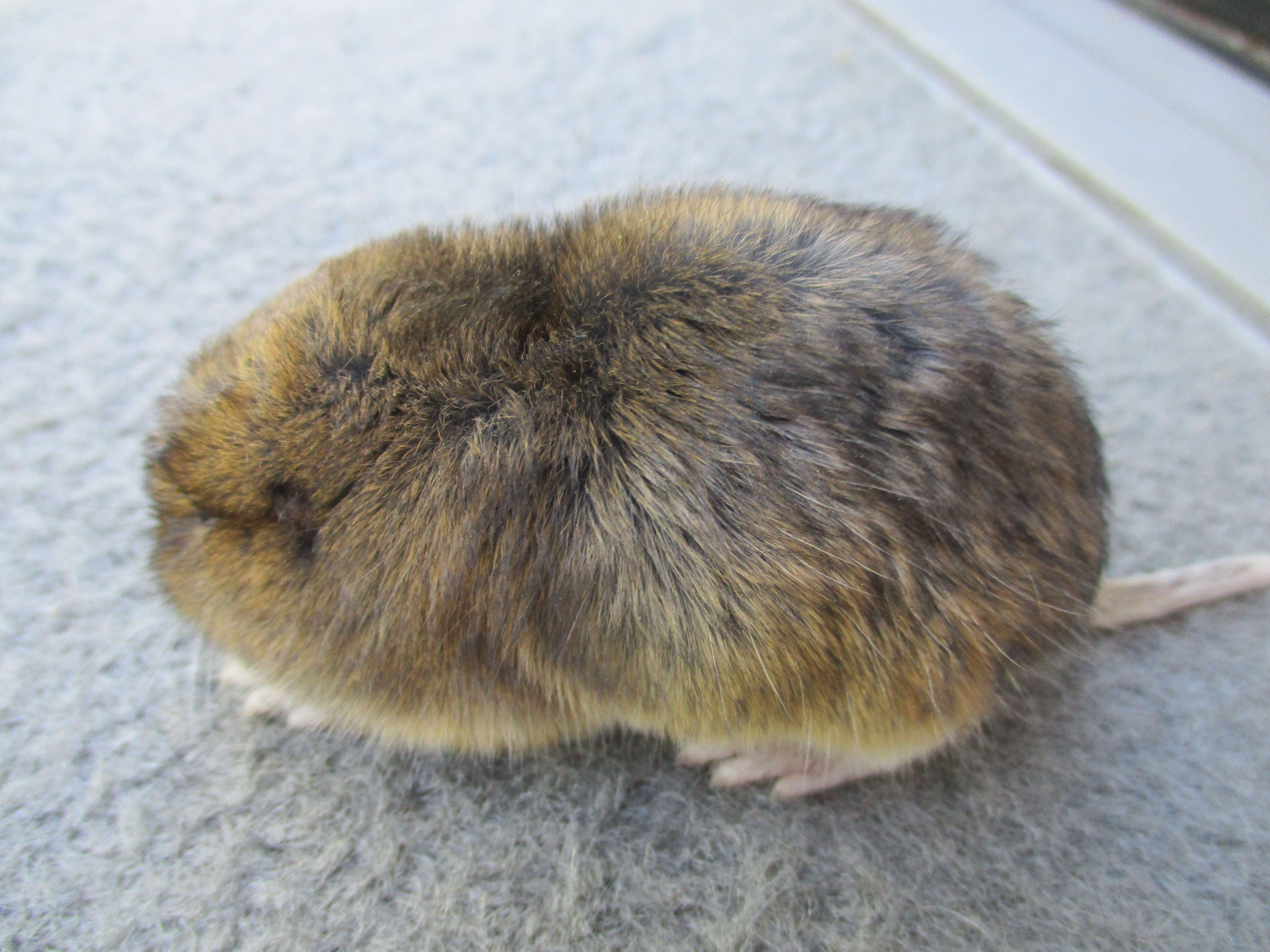
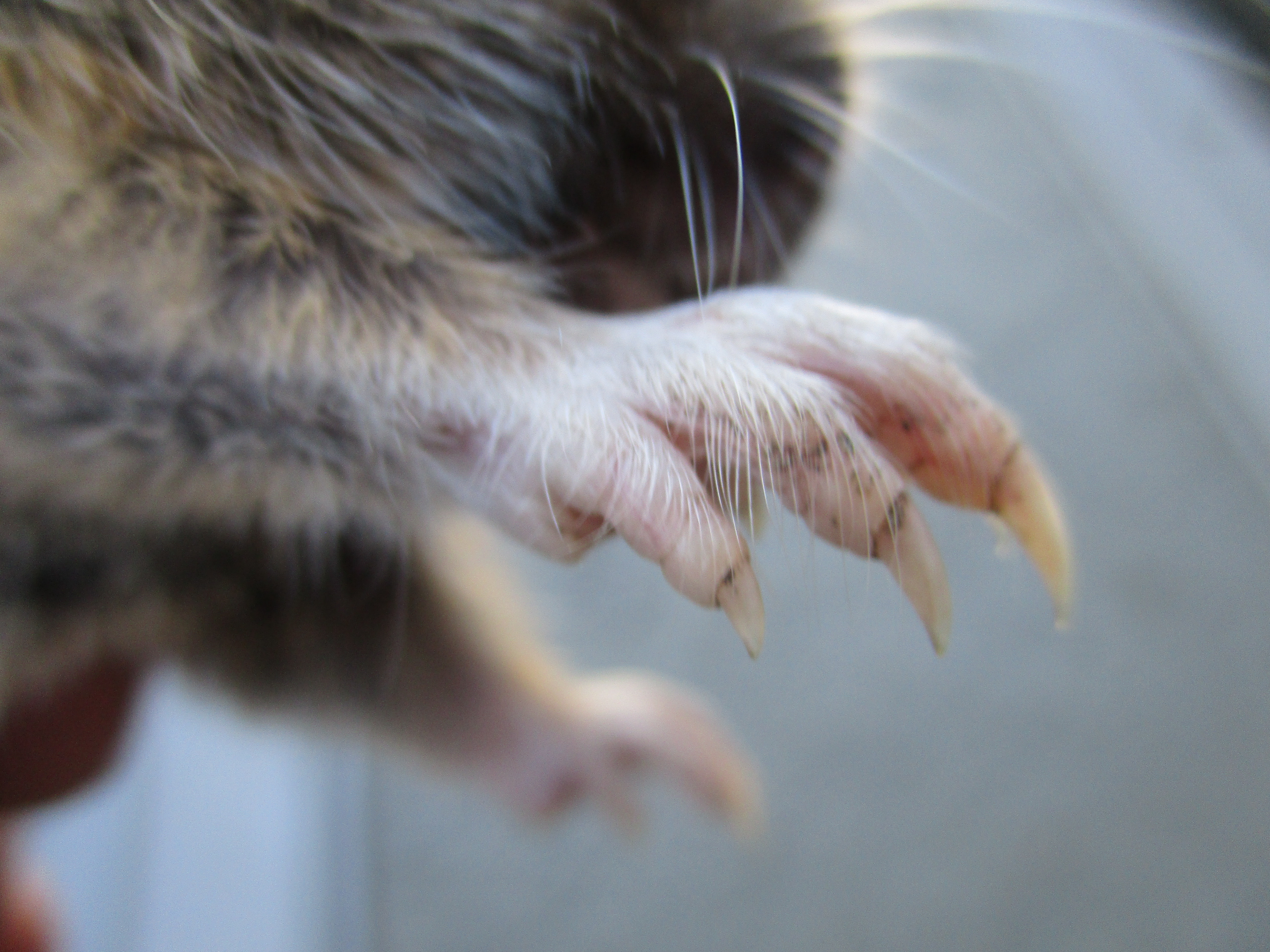
P80311KHe or she; let’s just go with ‘it’ – has no name that I am aware of. It might be an acquaintance of Pepe. ( https://tonytomeo.wordpress.com/2018/03/04/pepe/ )

It showed up in a conference room at work, and needed to be removed. The young lady who found it motionless on the floor did not want to handle it, so I took it outside and laid it on top of a utility panel, hoping that it might fly away. After only a few minutes, it was gone. I did not see a cat or anyone else who would have eaten it; so I am hopeful that it flew into a nearby riparian area to find some insects to eat, and to recover from being trapped inside.

I have no idea what happened to it, or how it ended up in such a bad situation. It was on the floor below a skylight…

View original post 480 more words

Columbine

Colorado has an elegant state flower.

Colorado must really like blue. Not only is the state tree the Colorado blue spruce, but the state flower is the Colorado blue columbine, Aquilegia caerulea. However, the flowers are not always blue, and in fact, are often white or various shades of pink or soft yellow, or a combination of two colors. The many other specie and hybrids of columbine add even more shades and combinations of richer shades of blue, red, yellow, orange and purple. The distinctively lacy foliage is somewhat bluish. A few varieties have chartreuse foliage.

Although potentially perennial, most columbine do not reliable regenerate after winter dormancy, so are instead grown as spring and summer annuals. Flowers are not as abundant as those of other annuals, but are interesting close up, and very attractive to hummingbirds. Mature plants stand about a foot tall, so work nicely in pots surrounded by lower and more colorful annuals like lobelia and alyssum. Columbine prefers partial shade and rich soil. Plants in full sun tend to be more compact and seem to be a bit faded. Incidentally, some parts of the plants are toxic.

Shopping Around For Various Nurseries

Real nurseries have the best plants.

The differences between nurseries and garden centers within big box type home improvement centers should be more obvious. Contrary to all the fancy marketing, a big box garden center really is just another of many departments within a larger home improvement center. A good nursery specializes in plants, and only plants. A sales representative in a big box store might have been selling paint or refrigerators last week. A nurseryman in a real nursery works regularly and more exclusively with horticulture.

It is probably safe and most likely significantly less expensive to obtain common and resilient plants from big box garden centers. Crape myrtles (ick!), oleanders, pittosporums, junipers and photinias seem to be healthy regardless of their respective origins. However, more unusual varieties of more unusual plants, or plants that are likely to be damaged by a bit of neglect, are either unavailable or likely to be of inferior quality in big box garden centers. Only the most common and resilient cultivars (varieties) of rhododendrons, flowering cherries, flowering dogwoods and fuchsias are marketed. If they get damaged, the damage may not be noticed by the possibly undiscriminating staff.

Nurseries are not only able to maintain their stock better, but can maintain a much more extensive selection of different types of plants. The more finicky types of ferns, columbines, azaleas and Japanese maples are no problem. Experienced horticulturists are familiar with the plants that they work with, and can make recommendations for those who might need help with selection. The prices are often more expensive, but are justifiable to those wanting specific plants that can not be found elsewhere.

A few wholesale nurseries that procure nursery stock for the landscape industry are open to the public for retail. Their retail (not wholesale) prices can be comparable to those of big box garden centers. The selection is different, which means that they lack many plants, but have a few others that the big box garden centers lack. They have plenty of horticultural expertise, but not much sales staff.

Median Landscapes

Gads! I have not inspected such landscapes for several years, but they still make me cringe. This recycled article most definitely conforms to the Horridculture meme for Wednesday.

tonytomeo's avatarTony Tomeo

P80311Medians are nice on the widest of boulevards. They break up the expansiveness of otherwise contiguous lanes. They make a four lane boulevard seem more like a pair of two lane roadways. Berms and other obstacles within medians limit the potential for head on collisions with traffic from opposite sides of the medians. Trees shade and cool some of the pavement when the weather gets warm. Besides all that, medians that are modestly landscaped simply look nice.

Notice that I said ‘modestly’ landscaped. There really is no need to get carried away with landscapes in medians. No one is really looking too closely at them anyway. People are driving past them, and really should be paying more attention to the road ahead rather than what is blooming to the side. Even passengers who are not driving probably are not seeing much of what goes into median landscapes. Color in such…

View original post 318 more words

Spaghetti Squash

Winter squash will grow through summer.

Winter squash grow through summer. This includes spaghetti squash, Cucurbita pepo subspecies pepo. They thrive with warmth, rich soil and steady watering, to mature in late summer or autumn. They store nicely through winter. Technically, spaghetti squash can ripen earlier in summer. However, flavor improves with a bit of age. Mature fruits can stay on their vines until the foliage gets crispy at the end of the season.

Spaghetti squash fruits resemble melons. Most types get about four inches wide and eight inches long. Color ranges through creamy white, pale tan, yellow and golden orange. Fruits with pale color tend to have milder flavor. After cooking, the otherwise solid flesh pulls apart into squiggly bits that resemble spaghetti. The big seeds within may not be true to type. Related squash hybridize freely, particularly with zucchini.

The long vines of spaghetti squash can be somewhat sloppy. This can actually be an advantage. Such vines can sneak about into otherwise unused areas, like pumpkin vines. Alternatively, they might like to climb trellises or shrubbery. They are happy to grow from mounds too, and wrap around the perimeters. Fruits on the ground benefit from occasional turning. Superfluous and fruitless male flowers are good for frying.

Garden Rotation Shares The Goodies

Beans produce better in new territory.

Certain parts of the vegetable garden are ideal for certain types of vegetables. Wire fences are perfect for pole beans to climb. Corn belongs at the northern edge where it will not shade lower plants. Vegetable gardening would be simpler if it were like permanent landscaping. Instead, vegetable plants are seasonal and very consumptive. They prefer fresh resources. Garden rotation gives them more of what they crave.

Garden rotation, or crop rotation, is growing vegetables where they have not grown recently. For the most efficiently planned gardens, it happens seasonally. Alternatively, some types of vegetables might be happy to grow repeatedly in the same soil for a few years. Some vegetable plants are more consumptive than others. Some soils are more susceptible to nutrient depletion than others. A few variables are involved.

Furthermore, the various vegetable plants deplete distinct sets of nutrients. Conversely, they allow other nutrients to replenish. That is why garden rotation is so effective. For example, if beans grow in the same location for too long, they deplete their favorite nutrients. The nutrients that they use less of secretly replenish. Tomatoes or corn might appreciate the replenishment, without craving so much of what is deficient.

Eventually, vegetable plants can return to a location where they grew a few years earlier. Again, a few variables are involved. Some might return after an absence of only a single year. Consumptive plants, such as tomatoes and beans, should avoid a previously used location for three or more years. So should related vegetables. Peppers and eggplants are related to tomatoes, so should avoid the same used locations.

Garden rotation can also inhibit proliferation of some soil borne pathogens. In other regions, this is a more serious concern. Soil borne pathogens that infest mildly during their first year might flourish with the same host material during a second year. Garden rotation deprives them of that.

Pepe

Oh, this was three years ago. I wonder how Pepe is doing now.

tonytomeo's avatarTony Tomeo

P80304Coons are not much of a problem in the garden; but they can be a problem around the home. They scatter trash, eat dog and cat food, and can be dangerous to dogs and cats. They get into places we do not want them, including basements, attics, and even our homes. Once inside, they can cause significant damage.

That is why they sometimes need to be trapped. No one wants to do it, but it is sometimes necessary.

One problem that we did not consider when putting out a trap for a coon who was getting into the trash was that we might not actually catch the offending coon. Actually, not catching the coon was not as much of a problem as who we caught instead.

Pepe got to the trap first.

Pepe was none too happy about it.

Neither were we.

You see, Pepe, who is difficult to see…

View original post 548 more words

Too Much Grapefruit

Wow, this recycled article reminds me of how much I crave grapefruit now that I am not working with them.

tonytomeo's avatarTony Tomeo

P80303KThere really is such a thing as too much grapefruit. I know; I have witnessed it more than once.

The most recent occasion was two years ago. We were pruning a few fruit trees for a client in San Jose. One of the trees was an old fashioned ‘Marsh’ grapefruit, which happens to be my all time favorite grapefruit.

As we were pruning, the client was dragging brush away to curbside recycling. Most of our clients prefer to do the ‘cleanup’ to save money. The client asked me if I would like some of the fruit. Of course, surplus fruit is one of the many benefits of our work; and of course, I told the client that I would be pleased to take some of the excellent grapefruit. I then went back to work on a nearby persimmon tree.

While busy with the persimmon tree, I was unaware of what…

View original post 147 more words

Six on Saturday: Hellebores!

This is certainly not my favorite topic. It is a long story, but to be brief, hellebores do not do so well in the chaparral climate of the Santa Clara Valley. They are happier here, just a few miles away, in the Santa Cruz Mountains. By our regional standards, they performed remarkably well this year.

1. Is this Corsican hellebore? There are only a few. They are all the same. Their neat spacing suggests that they were planted intentionally. I find this pale greenish white to be rather boring.

2. Most of the feral hellebores look like this. It is like a spotty pink, with a bit more white around the edges. The individual plants are more numerous than I remember them being last year.

3. This one is more purplish pink or perhaps pinkish purple, with those same spots. I did not notice the herd of aphid to the left. Otherwise, I would have found a more exemplary specimen.

4. Color does not seem to be represented well by this picture. I really thought that this one was more reddish purple than it seems to be, perhaps like burgundy red. I am no good with color.

5. White is, of course, my favorite, even with the reddish purple spots. This one seemed to stand upright better than most of the others. I remember it from last year, but it was not so pretty.

6. If this one did not live right on the edge of a walkway, I would guess that it is one of the cultivars that was originally planted intentionally, and produced some of the seedlings for all these feral hellebores. It is doubtful than it would have been planted there though. It is the most profuse in bloom, although that blushed white color is rather bland. It is very popular with aphid. (This is the same hellebore that was the first of my Six on Saturday for last Saturday.)

This is the link for Six on Saturday, for anyone else who would like to participate:

https://thepropagatorblog.wordpress.com/2017/09/18/six-on-saturday-a-participant-guide/