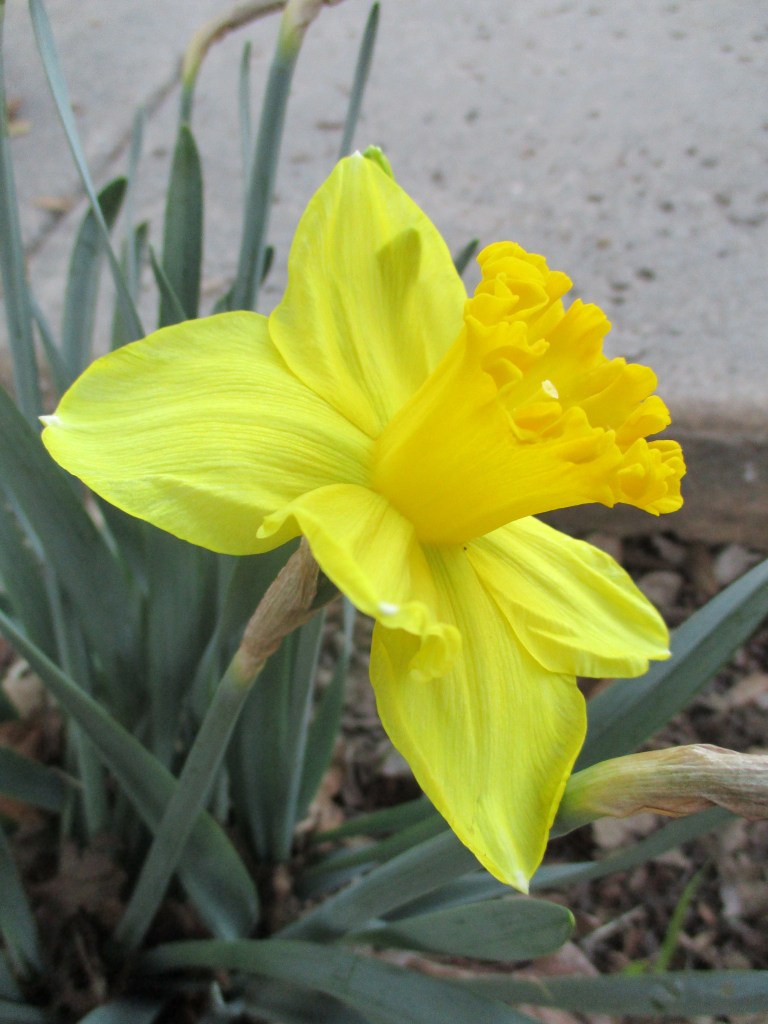
Spring bulbs lack immediate gratification. They will, of course, justify their habitation of the garden as they bloom next spring. For now, they are not much to look at, and do not stay visible for long. While dormant, they poses neither foliage nor significant roots. Most look something like small and disfigured onions. Burial in shallow graves conceals their uninteresting exteriors through winter.
Cool season bedding plants can effectively obscure the otherwise bare soil over the grave sites of some types of bulbs. Mulch might be best for those that should start to grow immediately or that will develop an abundance of foliage. While plants above them may need watering until the rainy season begins, dormant spring bulbs need no more attention. They disperse roots through winter.
Spring bulbs, including corms, rhizomes, tubers and tuberous roots, are oblivious to the discomforts of transplant while dormant. However, they want to wake from their dormancy in situations that are conducive to normal development and bloom. Some prefer shallow planting. Others require significant depth for stability. Most but not all spring bulbs perform best in small groups or colonies.
Narcissus, daffodil and crocus are the first spring bulbs to bloom as winter ends, or even earlier. Tulip, hyacinth, grape hyacinth, freesia, anemone, ranunculus and some types of iris bloom shortly afterward. Late iris, lily and montbretia bloom later, and some types are considered to be summer bulbs. Spring bulbs become available in nurseries while seasonable. Summer bulbs arrive later.
Most spring bulbs bloom only once. Plaiting them in phases a few weeks apart within their respective seasons can prolong bloom. Each subsequent phase begins bloom as the preceding phase finishes. However, narcissus, daffodil, grape hyacinth and others that can naturalize will bloom simultaneously after their first season. Most spring bulbs unfortunately do not naturalize reliably here.
Gladiolus and allium are summer bulbs that bloom once. Calla, canna and dahlia bloom through summer.

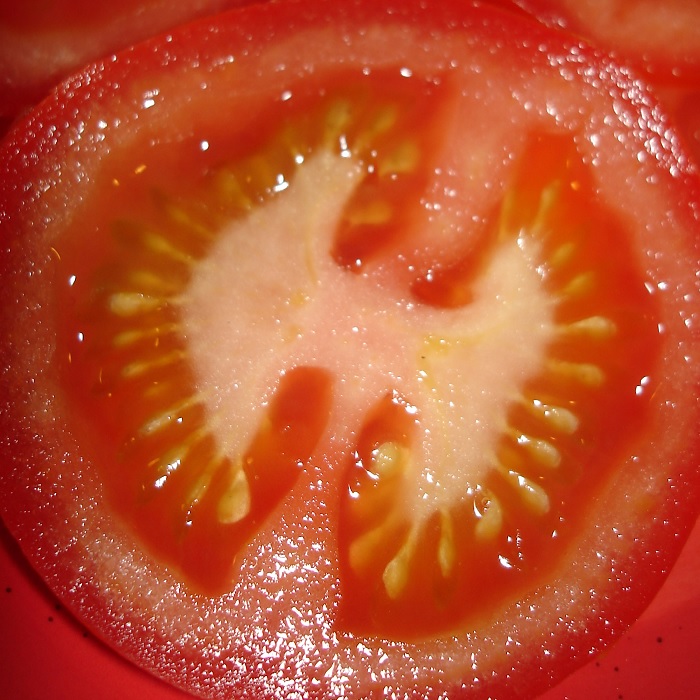 Certain fruits and vegetables were so much more palatable before studying botany. Knowing what they really are sort of puts a damper on things.
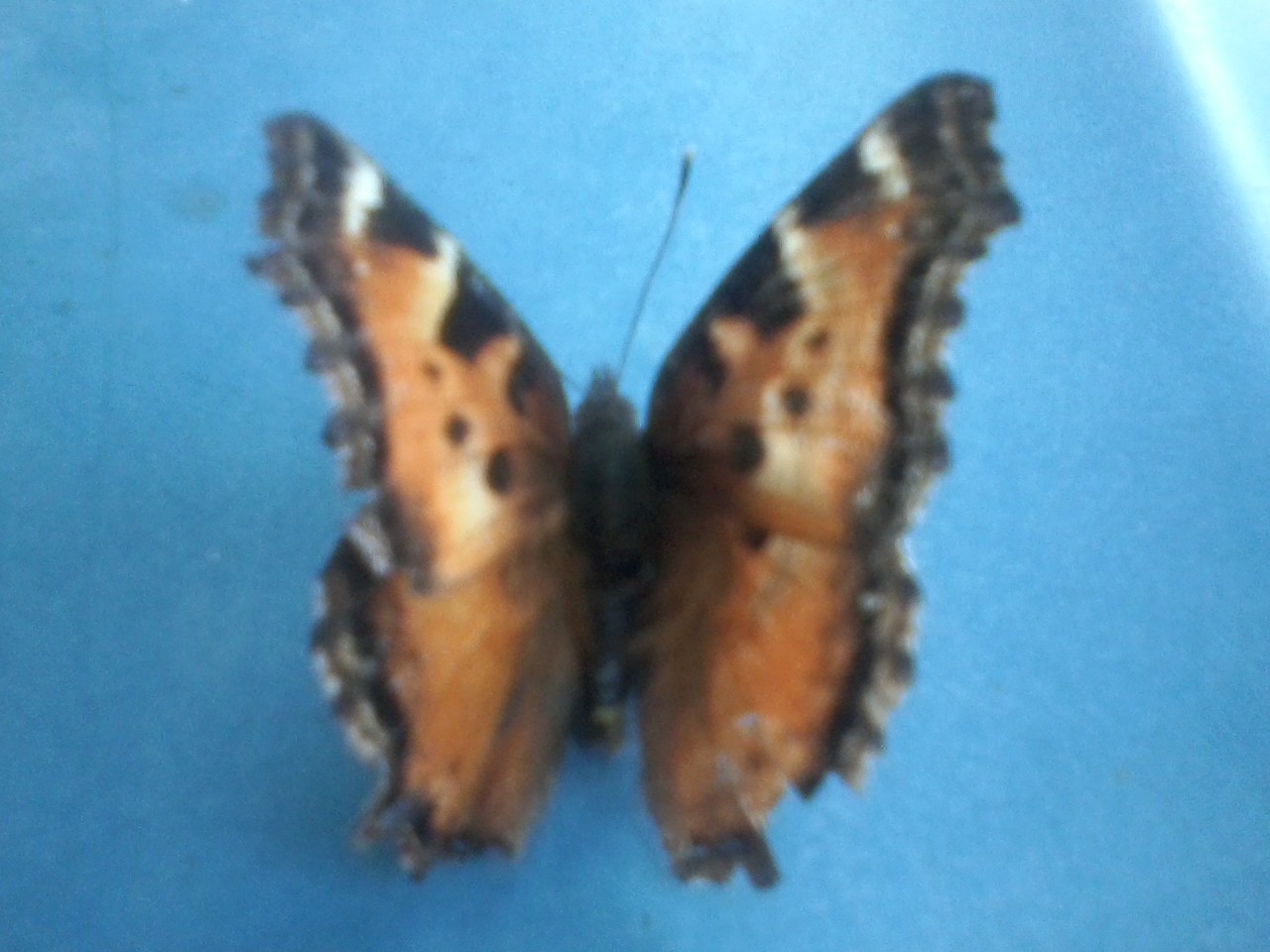 Before you send me a comment about it, I am already aware that this is a very bad picture. It was taken with my primitive telephone because it was convenient at the time. This tired looking butterfly might not have waited for me to get the camera. It passed away, seemingly peacefully, right there on the hood of the old Chevrolet. It did not seem to be injured in any way. It probably simply expired like butterflies do after breeding. It is a natural process that the butterfly did not seem to be too distressed about. It gets no obituary because I am not qualified to write one. We are not sufficiently acquainted. I do not even know the specie of this butterfly.


 For my exquisite 1979 Electra, planned obsolescence did not work out so well. It was probably a grand Buick for that time, and one of the last with tail fins! It was elegant. It was big. It was steel. It was made to last ten years or 100,000 miles . . . and that was it. Seriously, as much as I enjoyed that car, it did not want go to much farther than it was designed to go. It limped along for almost 20,000 miles more, but was not happy about it, and was really tired and worn out by the time it went to Buick Heaven.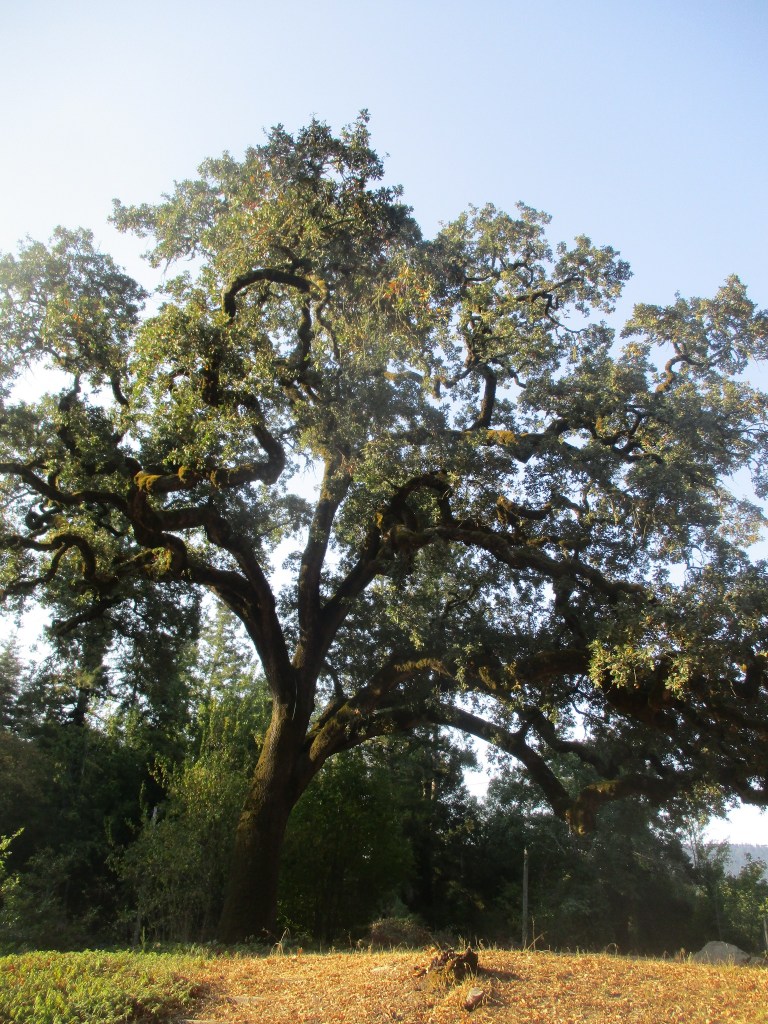

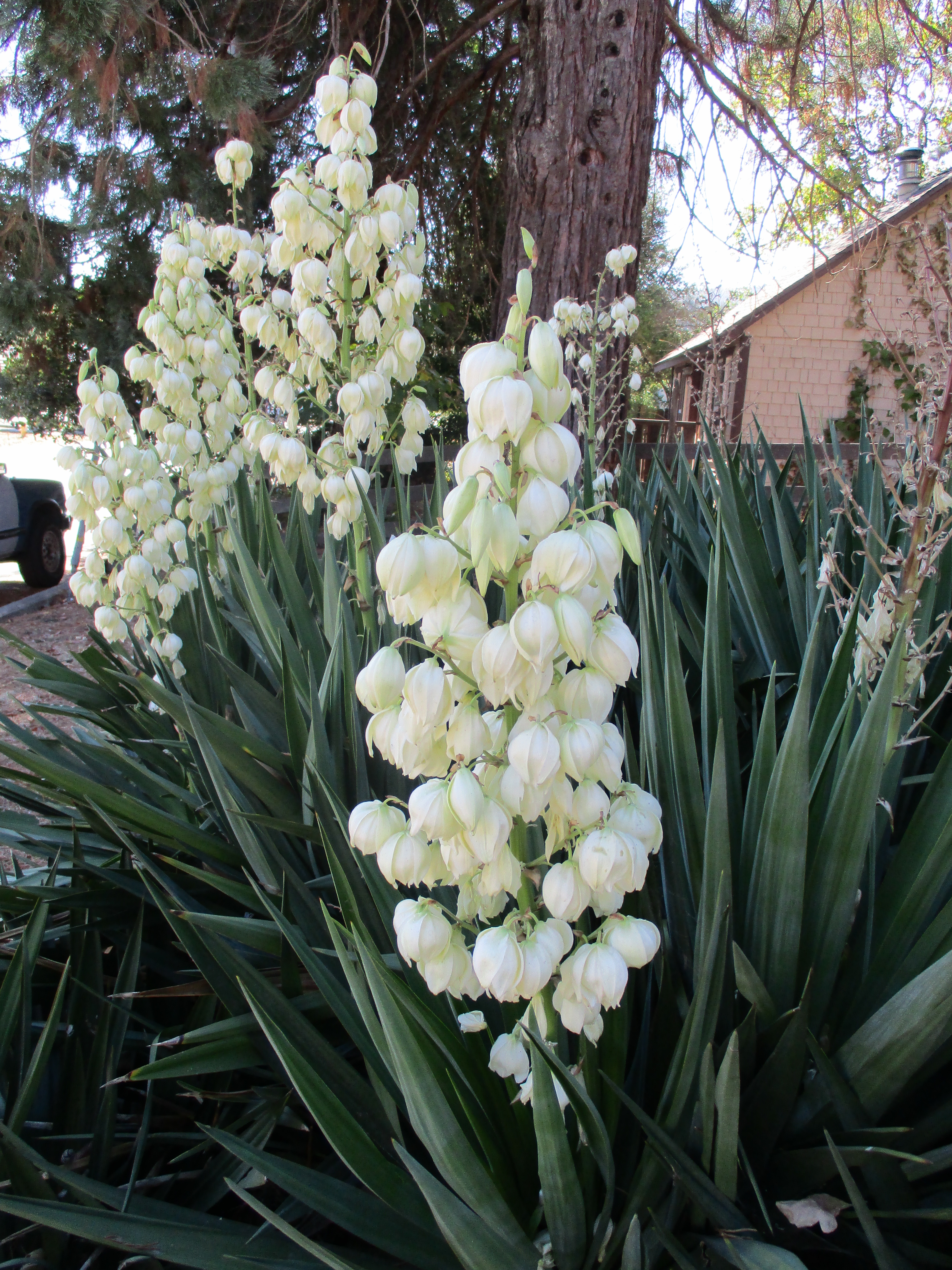 Yuccas are almost as useful as aloes are for gardening in chaparral or desert climates. I say ‘almost’ because most are not quite as friendly. The leaves are outfitted with nastily sharp tips. It is how they protect themselves from grazing animals in the wild, but it is not such an advantage in home gardens. Some actually have the potential to be dangerous where someone could bump into them. The leaves of Joshua tree can puncture leather. Some types of yucca get so big that they make it difficult to avoid their nasty leaves, even if planted in the background.
