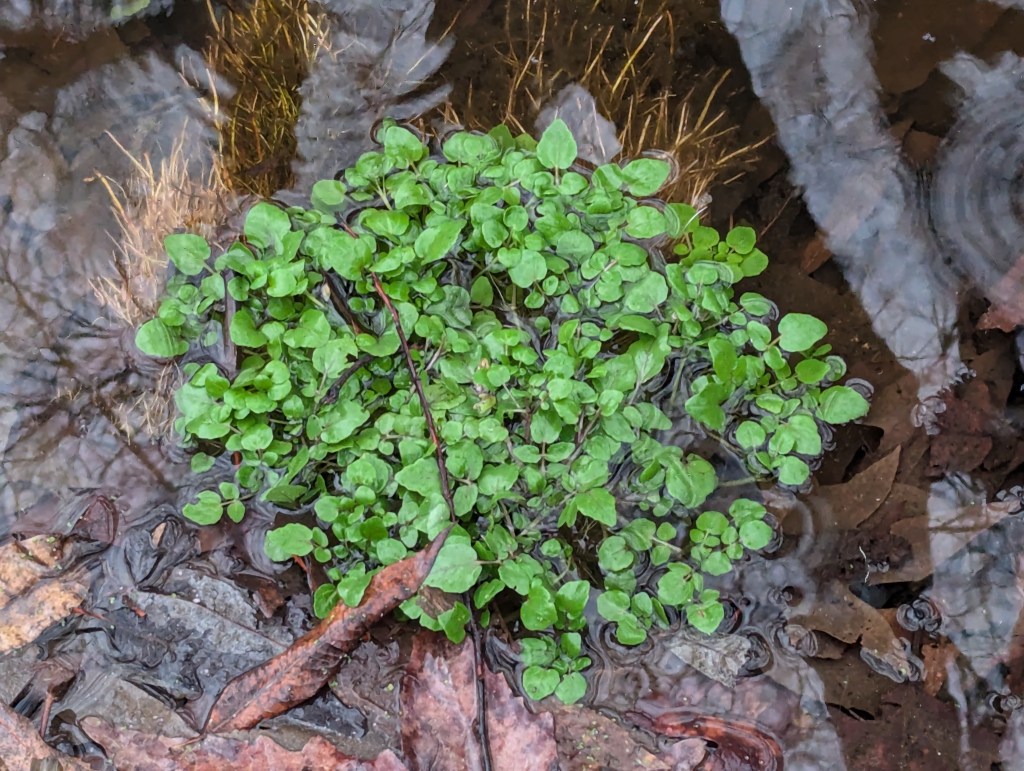
Watercress, Nasturtium officinale, seems to be proliferating a bit more in the drainage pond than it did last year. It is difficult to compare, since I was not concerned about it enough to monitor it last year. I am likely noticing it more now because the duckweed, Lemna minor, deteriorated slower than it did last year, which maintained my interest in such infesting aquatic vegetation. I have been monitoring the cattail, Typha latifolia, also. Although none of these species are exotic, I do not want any of them to proliferate so much that they obscure the pond that they inhabit. That has been a problem with duckweed as long as the pond has contained water. I am aware that cattail also has potential to proliferate aggressively, although I believe that such proliferation would be easier to mitigate. I really do not know how watercress behaves, though. I can not remember ever seeing a pond anywhere completely overwhelmed by it. I doubt that, even if it does proliferate aggressively, that it would be as difficult to contend with as duckweed is. Perhaps it would compete with duckweed! Goodness; I never intended to get so involved with aquatic vegetation. It is not exactly the sort of vegetation that inhabits ‘land’scapes. Yet, the drainage pond is a feature of the landscapes here. We maintain the willows, cottonwoods, sycamores, oaks and Landon’s tree around it, so obviously, must maintain the aquatic vegetation within it as well. In that regard, I would prefer to grow a few more ornamental but less aggressive aquatic species, such as water lilies. Unfortunately, the few water lilies that we tried were tropical species that seemed to succumb to cool winter weather and overwhelming duckweed. I should try some native water lilies, but they might be a bit too prolific.
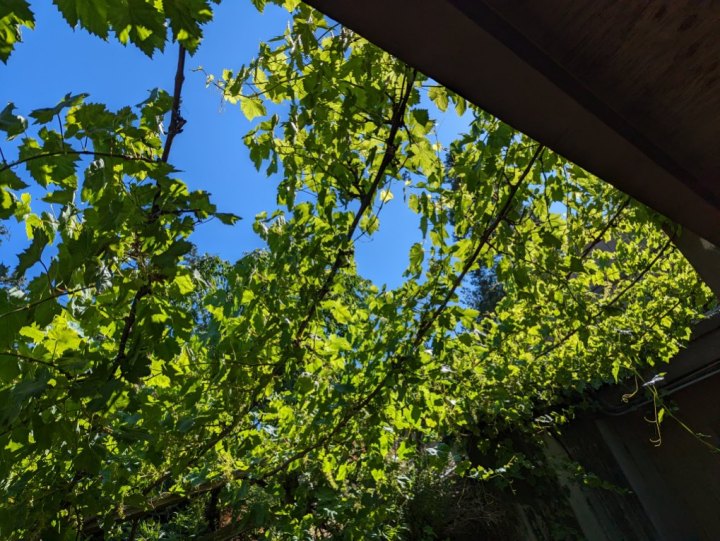
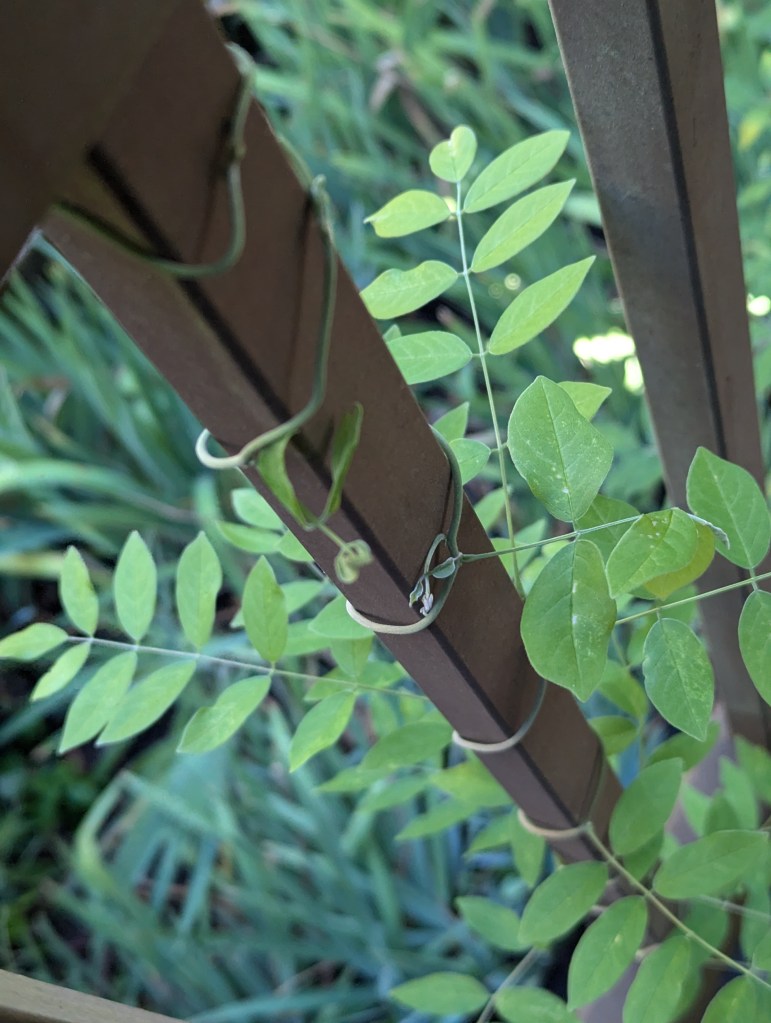
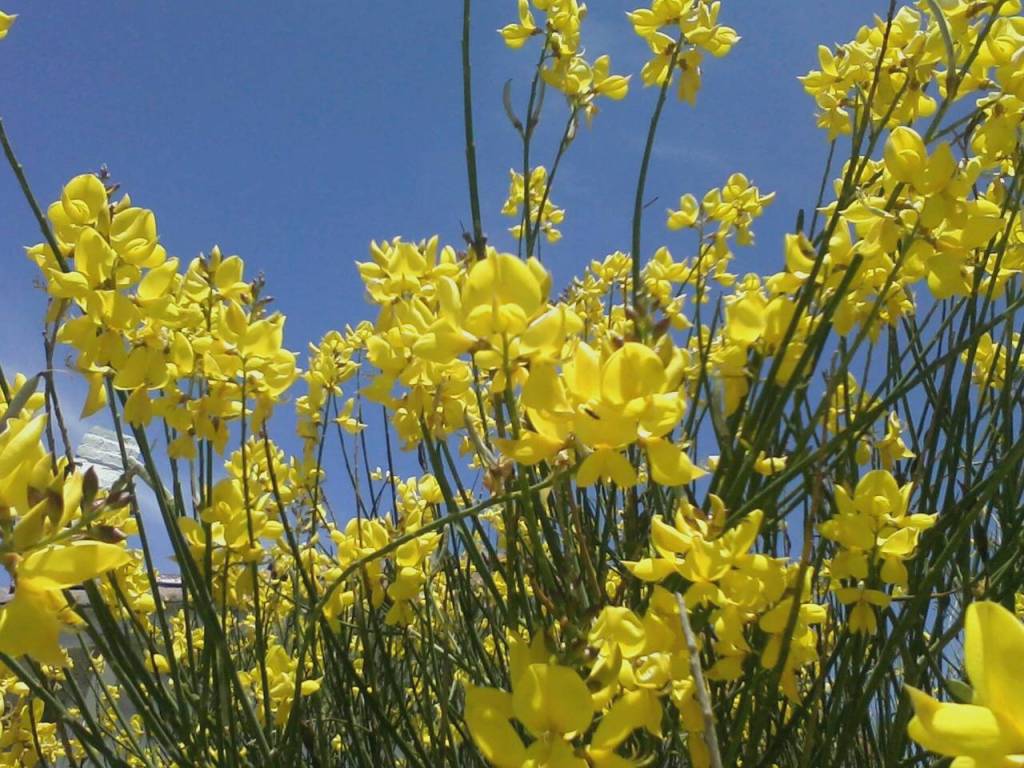


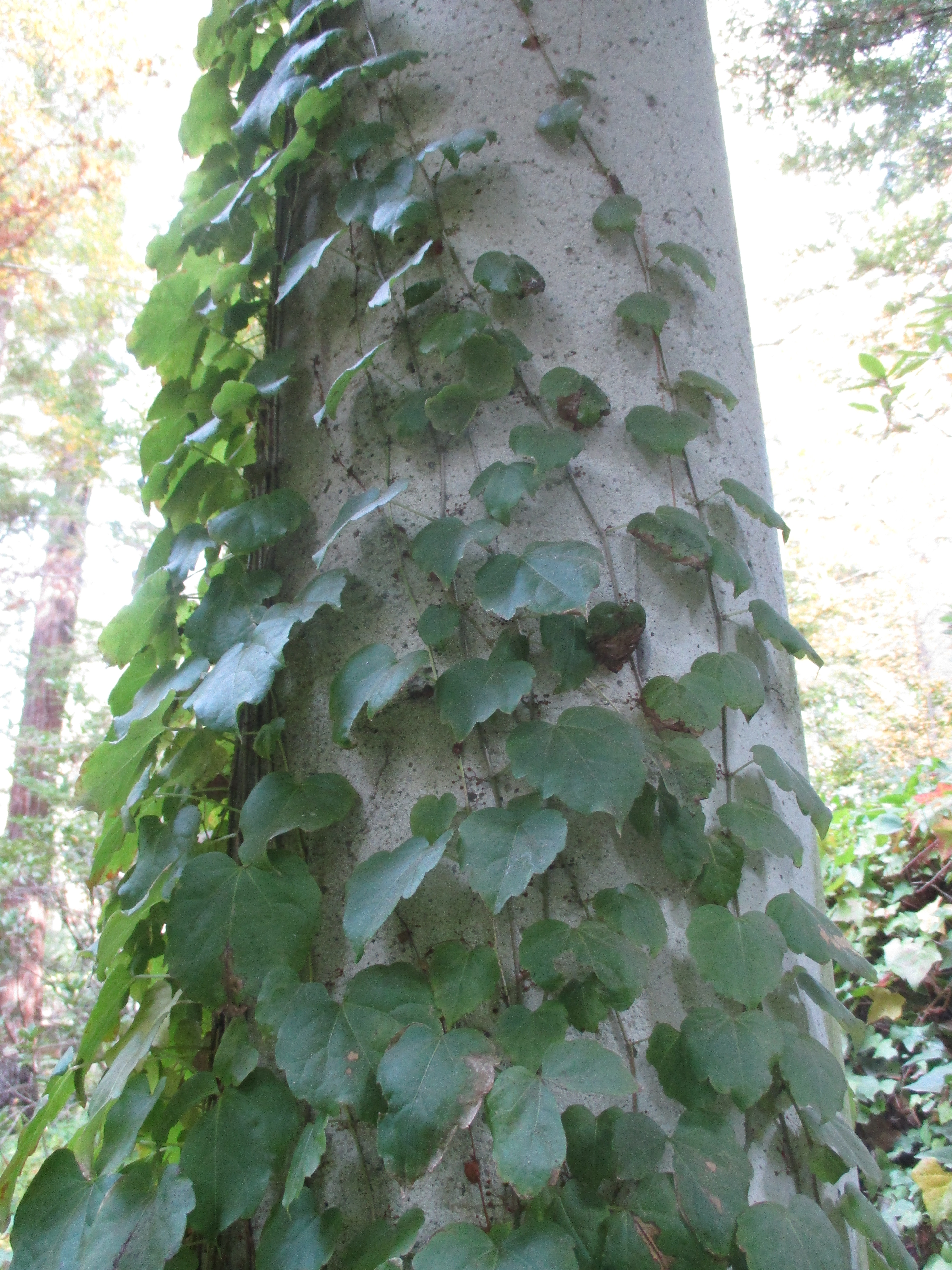
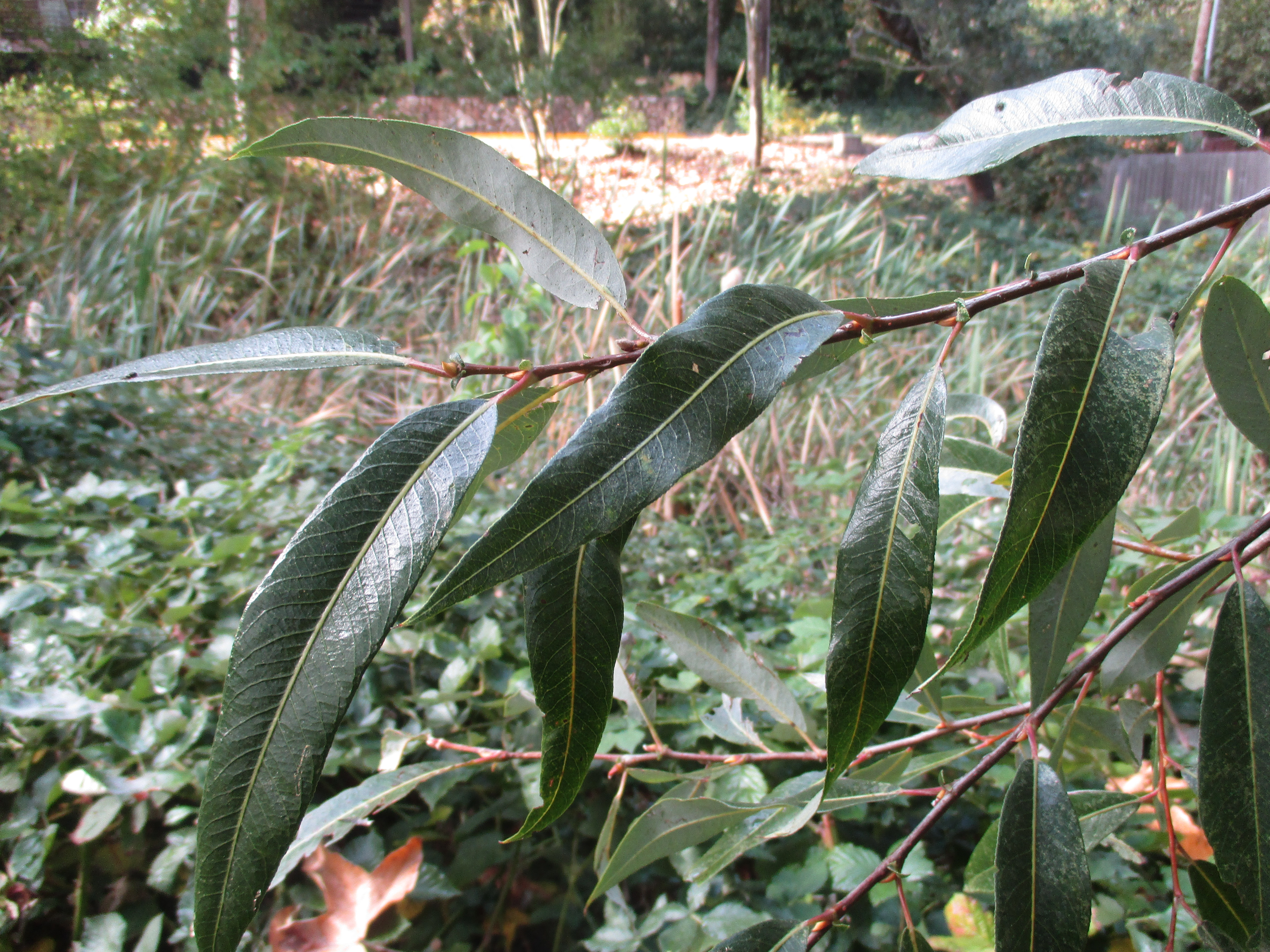 It is almost never planted in home gardens, but the native red willow, Salix laevigata, has a sneaky way of getting where it wants to be. The minute seeds go wherever the wind blows them. Because it is a riparian tree, red willow prefers well watered spots. If not detected and pulled up in the first year, it can grow rather aggressively, and overwhelm more desirable plants, although the somewhat sparse canopy makes only moderate shade.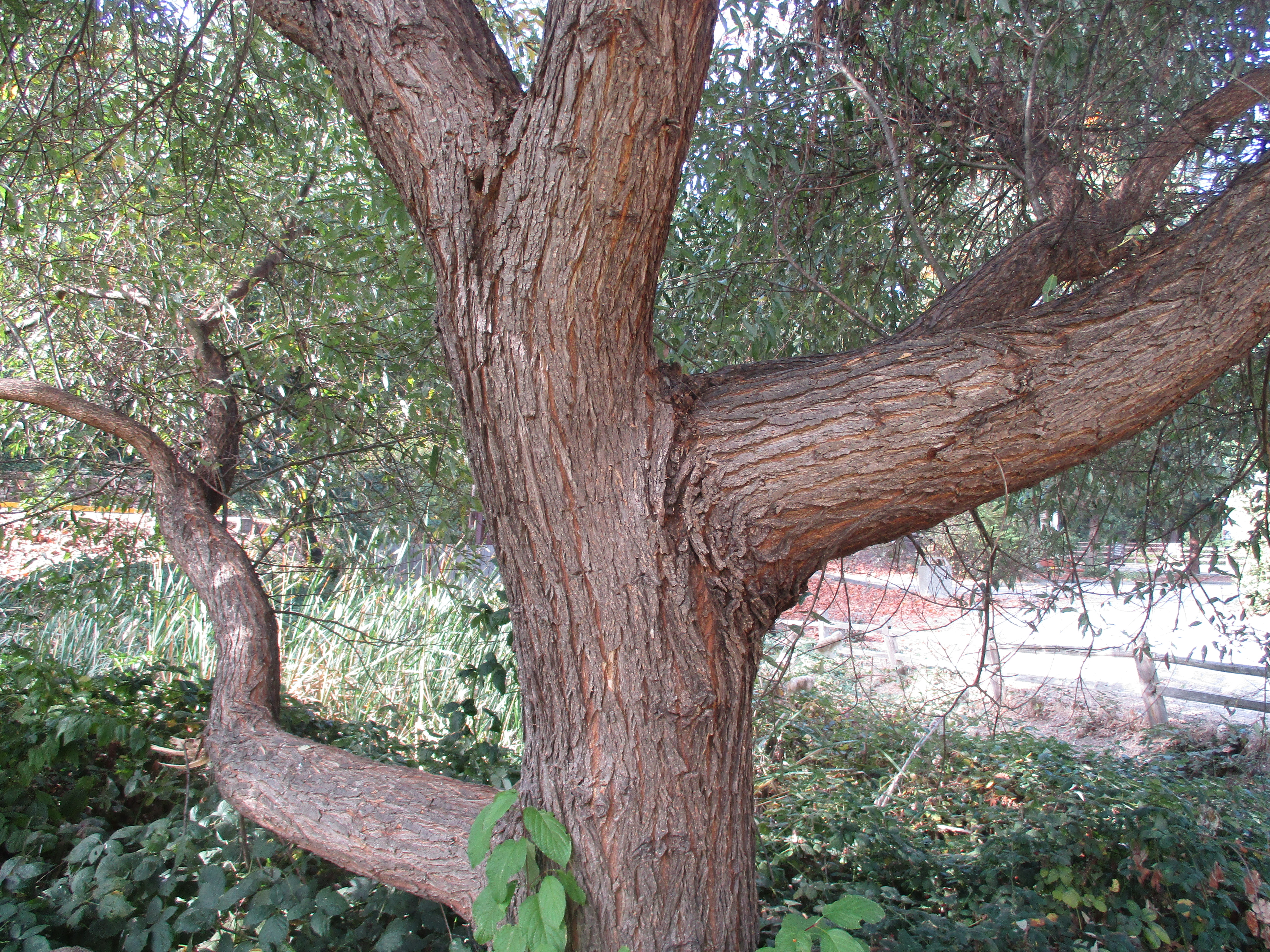
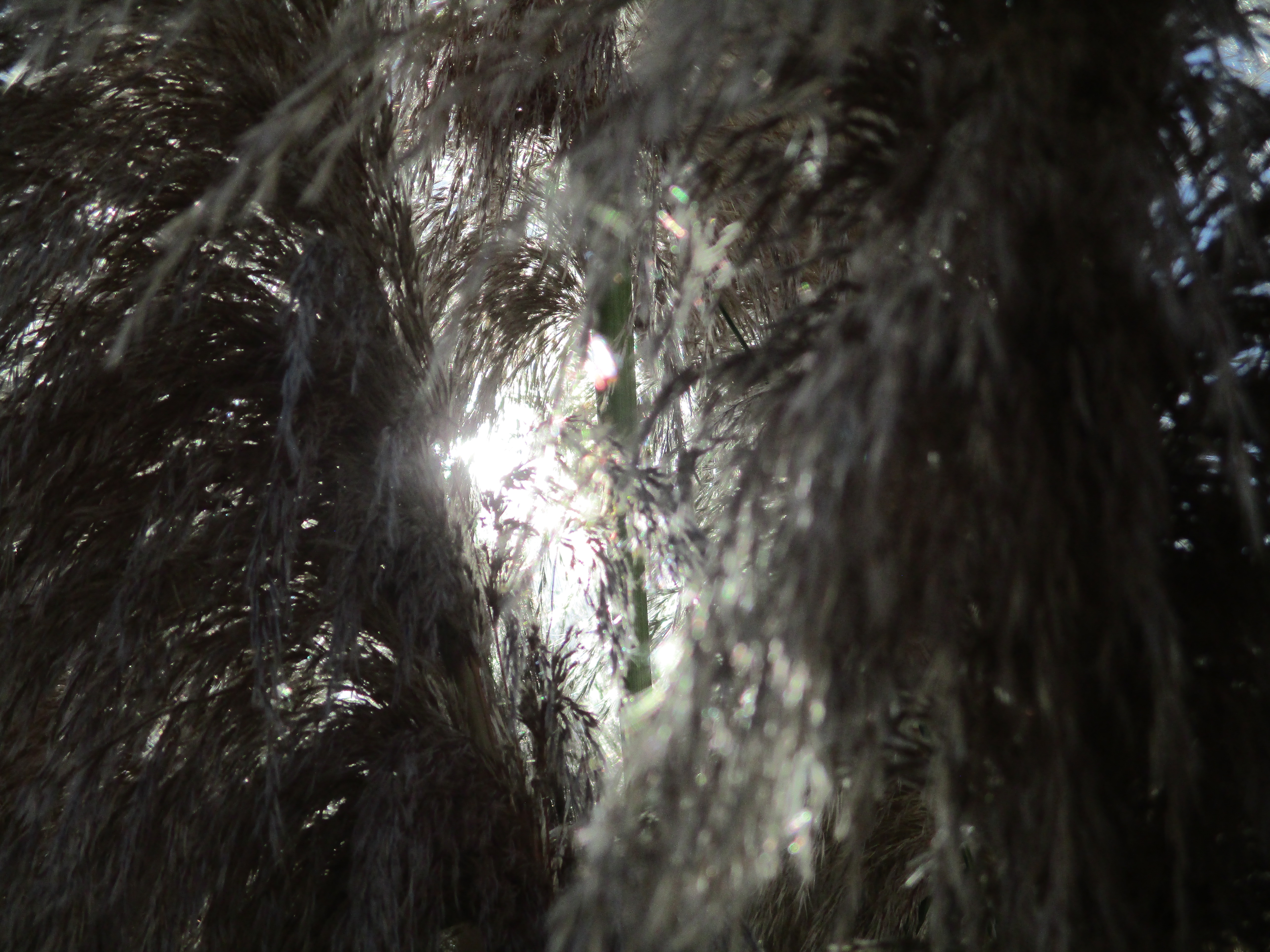
 It is known by a few different common names, including ‘Andean pampas grass’, ‘purple pampas grass’, and simply ‘pampas grass’. ‘Andean pampas grass’ sounds almost like an oxymoron, since the Andes Mountains are in a separate region to the west of the pampas region of Uruguay and eastern Argentina. ‘Purple pampas grass’ is even sillier, since it is devoid of any purple.

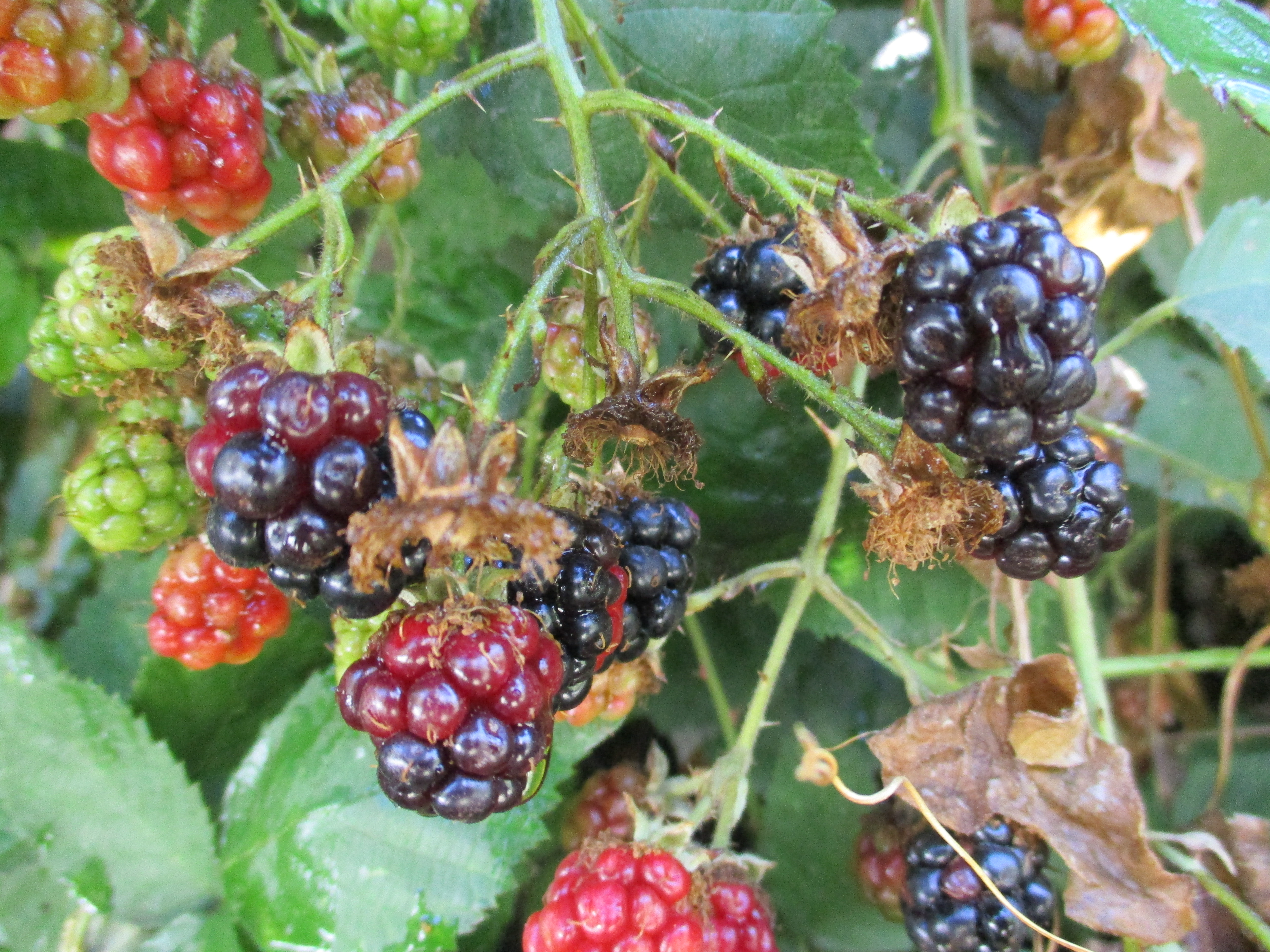 Himalayan blackberry is to cane berries what blue gum is to eucalypti. It is what gives all cane berries a bad reputation, and is why so few of us want to grow them. Himalayan blackberry grows as an extremely vigorous weeds, extending sharply thorny canes over anything within reach. When the canes are removed, the tough roots are extremely difficult to remove and kill.
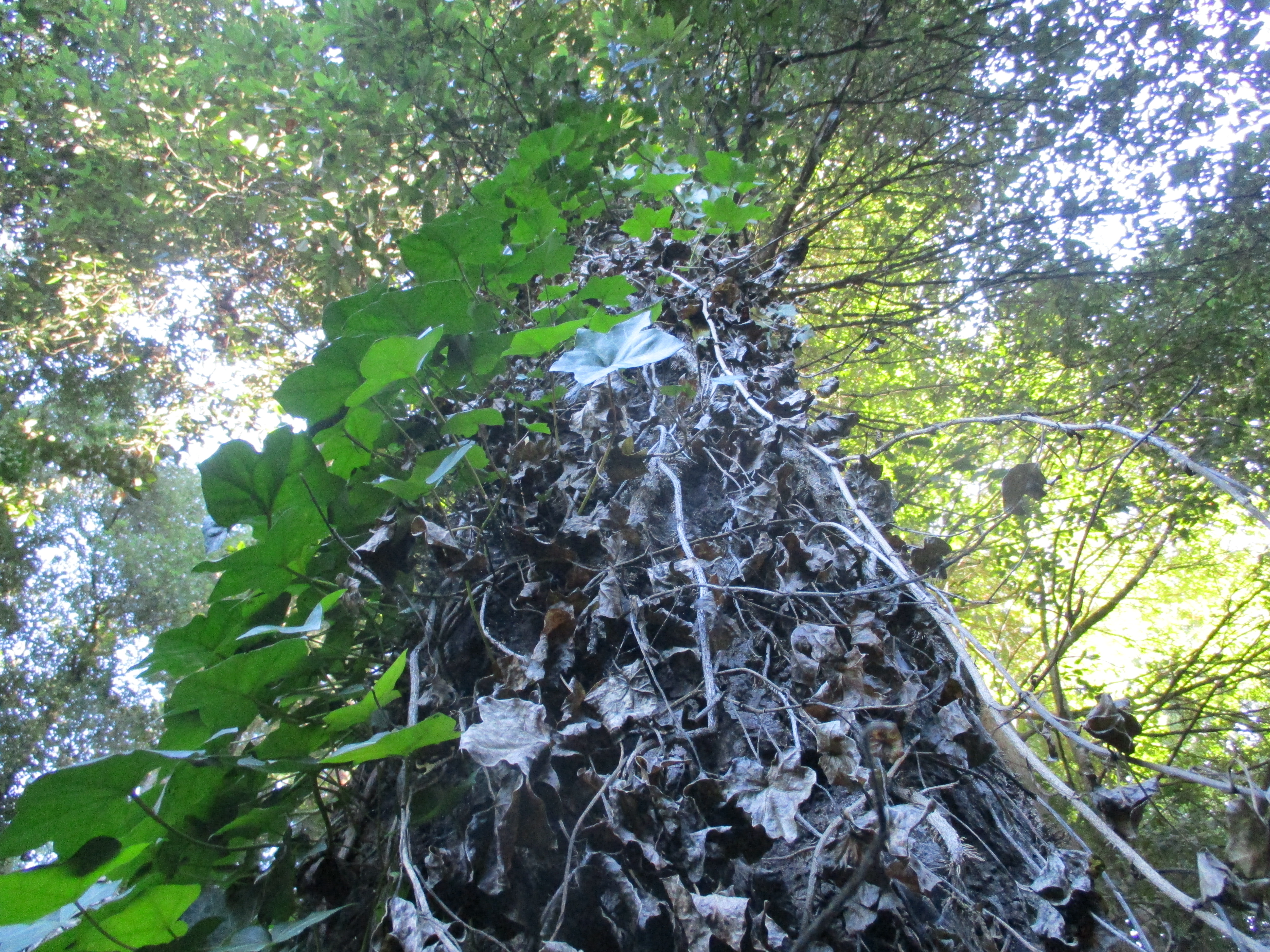 English ivy, Hedera helix, is probably the nastiest and most aggressively invasive exotic species that I work with. It climbs high into redwood trees and overwhelms understory plants (that live below the trees). It invades many of the landscapes, and worst of all, it climbs building where it ruins paint and causes rot. It grows faster than we can keep up with it.
 Tony Tomeo