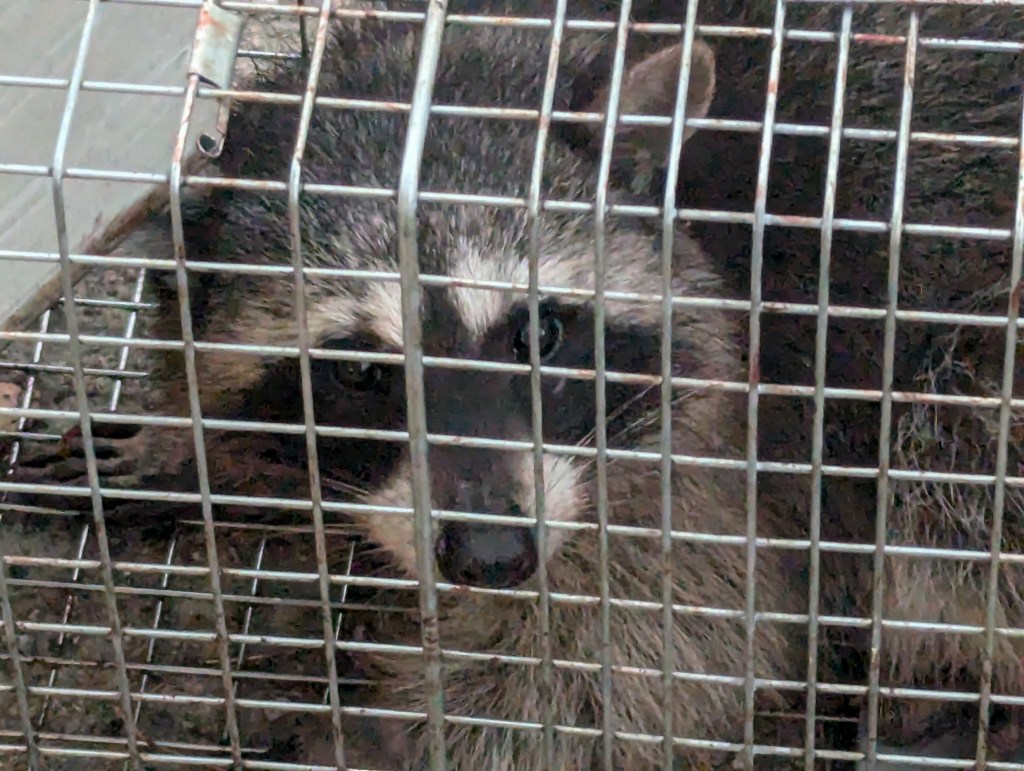
Winters are not very cold here. Otherwise, I might have assembled a fur coat. Instead, relocation of furs has been more practical than utilization. Besides, without exception, all were already in use when I encountered them. Actually, they were not relocated merely because I had no practical use for them, but, more importantly, because relocation was significantly less inconvenient to those who were wearing them at the time. Of course, it was not totally convenient either. That was sort of the objective. The inconvenience of relocation is a deterrent to those who wear the furs, who identify as racoons. They are unwelcome here. I realize that they eat mollusks and rodents; but neither mollusks nor rodents are problems here. I do not grow much vegetation that mollusks find to be appealing. Heather the kitty who identifies as a feline person is too proficient at deterrence of rodents to have use for any assistance. Actually, Heather is one of the two primary reasons that it is necessary to relocate raccoons. Rhody is the other. Unfortunately, raccoons have potential to become impolite or even dangerously hostile with my canine and feline housemates. Relocation does not permanently eliminate them, but it annoys them enough that, by the time they return, they are much more careful about avoiding us and our space. Also, their impressionable associates seem to learn from their examples. Because they can not be relocated off of the property, they go less than a mile away. So far, that seems to be sufficient. I do not know how long it takes for them to return, but I suspect that it takes quite a while. After this most recent relocation, I do not expect another relocation to become necessary until members of the most recent generation mature enough to become a problem.
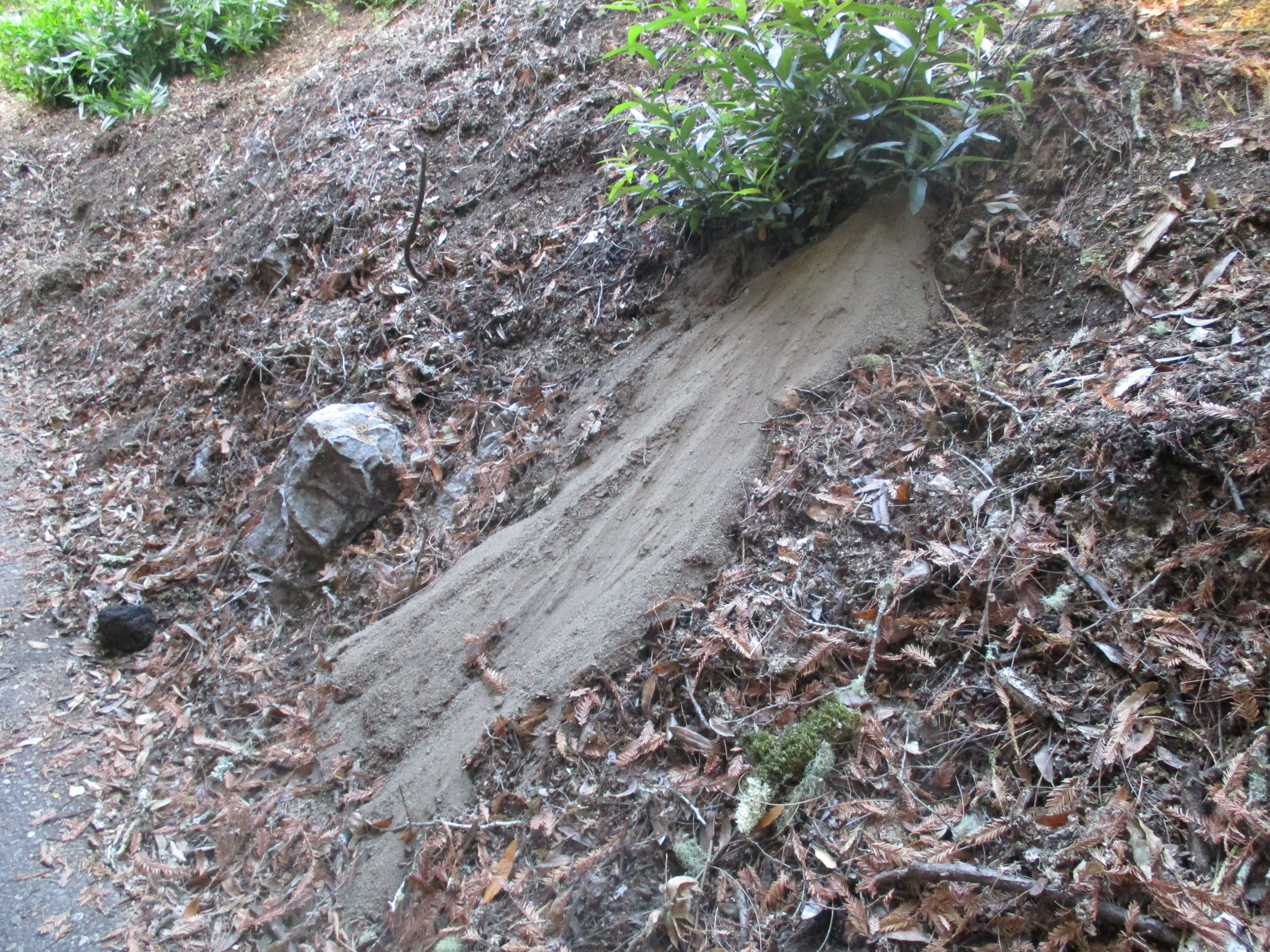 If gopher burrows had windows, this burrow would have hillside views. If gophers had better eyesight, the one who lives here could enjoy the views from such windows. Of course, views are not a concern for any gopher. They just want to burrow through the soil to eat the many roots they encounter. They do not often emerge from their homes for more than the ejection of soil.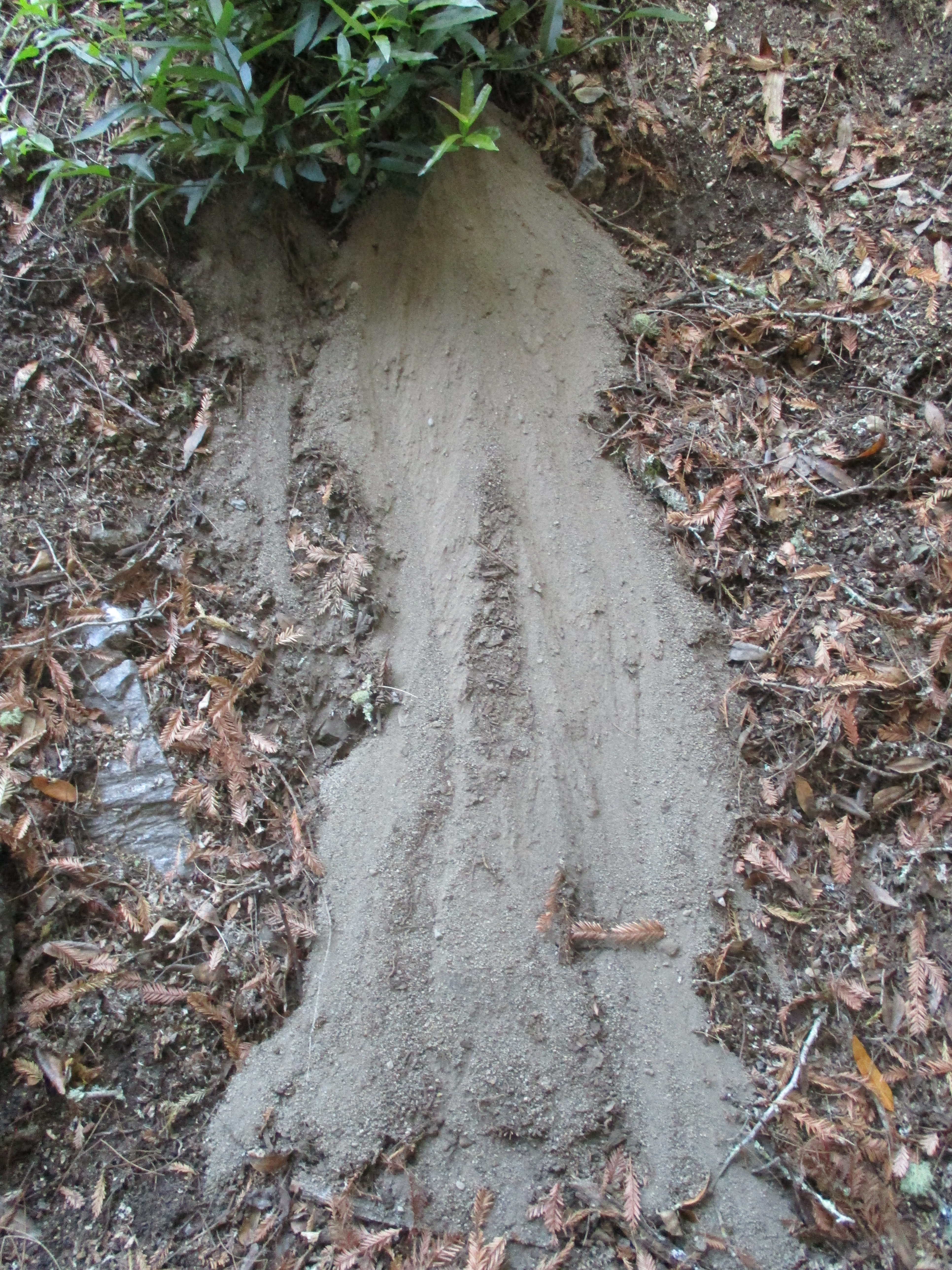
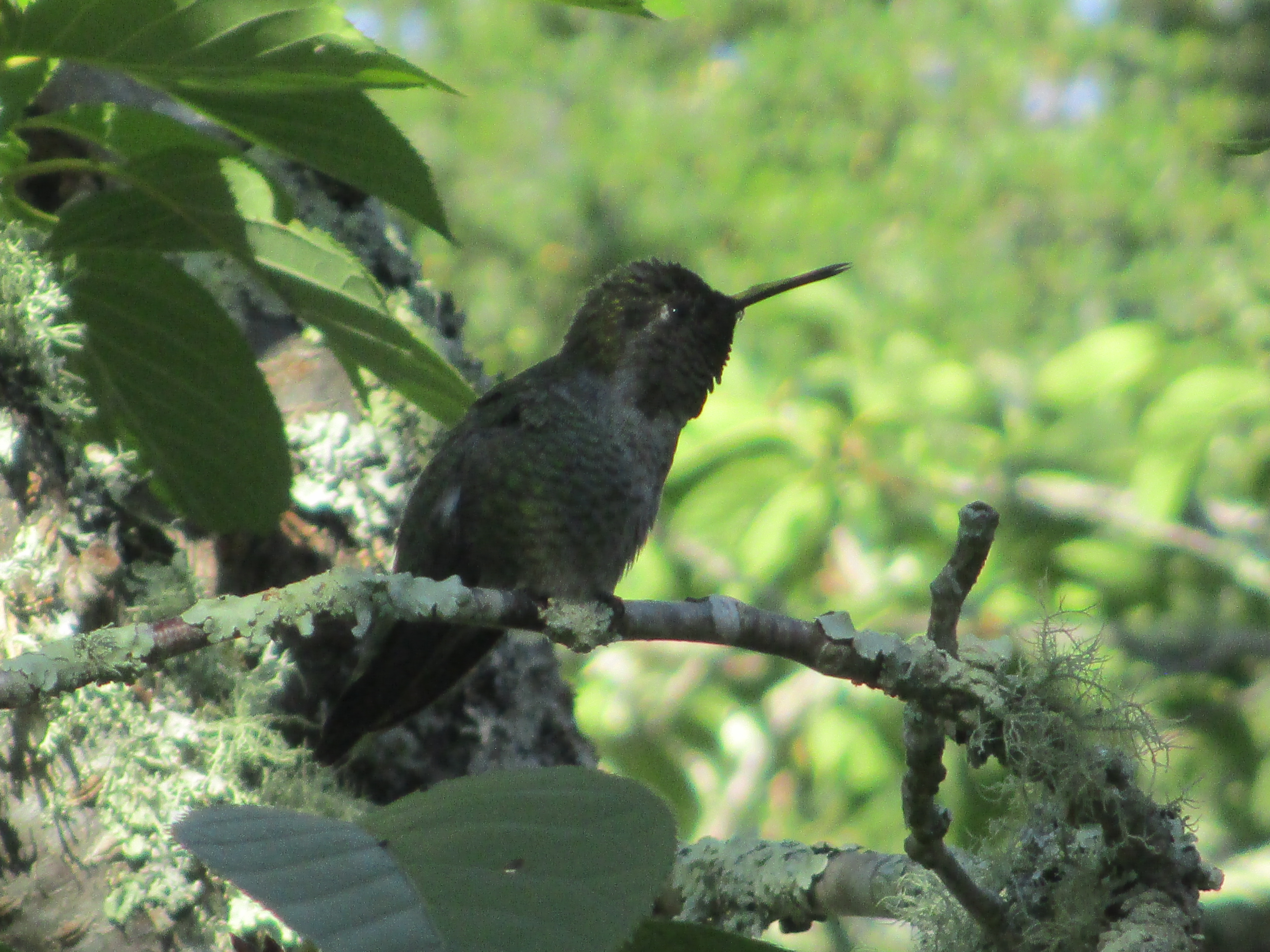 Wildlife is a topic that is notably lacking from my articles. I mention only that which must be ‘escorted’ out of the landscapes, like
 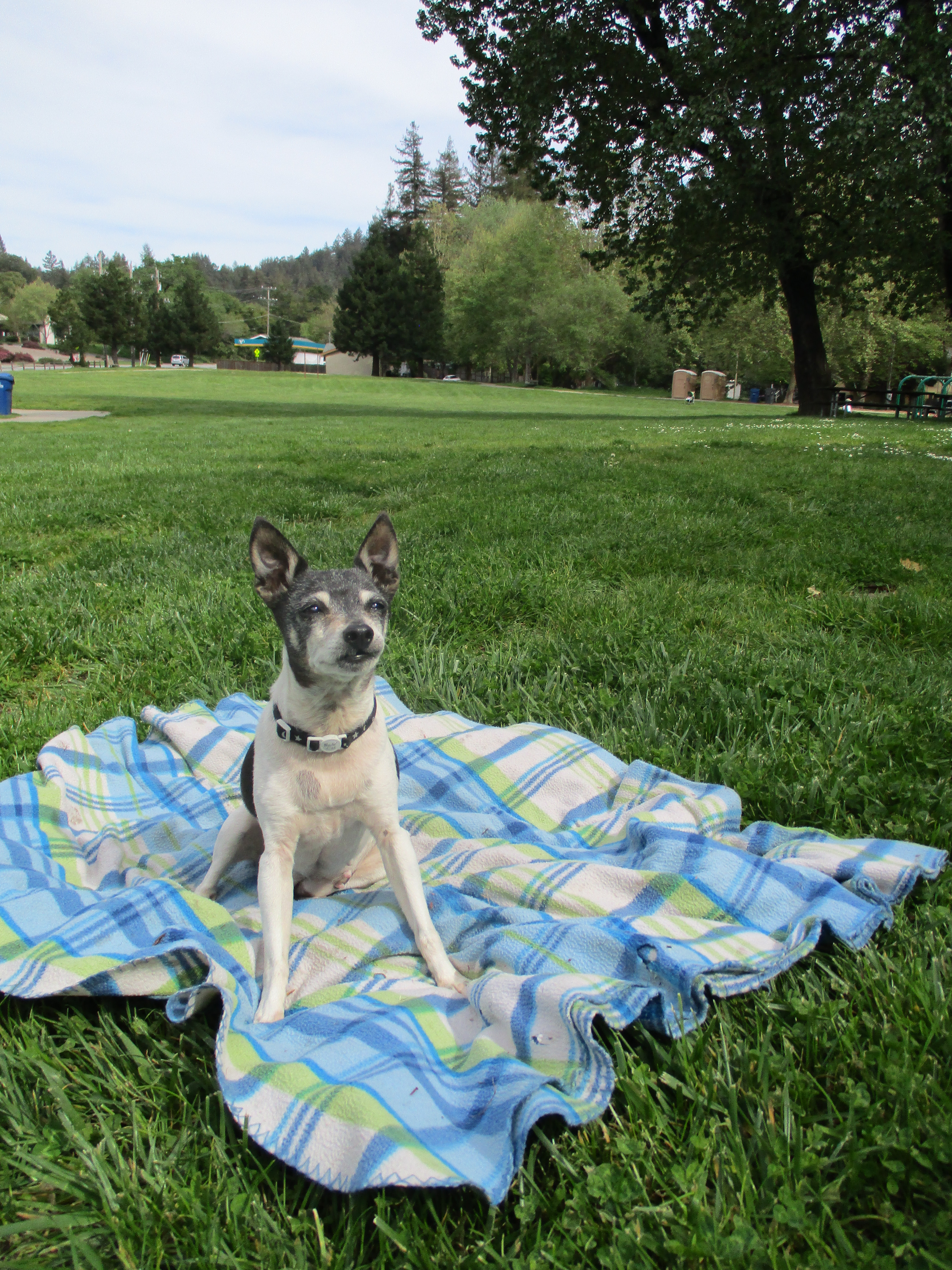 Weeds are weeds because they grow where they are not wanted. They might be desirable plants in the wild within their native ranges, or beyond their native ranges where they are useful, but for one reason or another, are undesirable in other situations. In fact, many of the most invasive exotic (non-native) weeds were imported because they were useful for something, and then escaped.
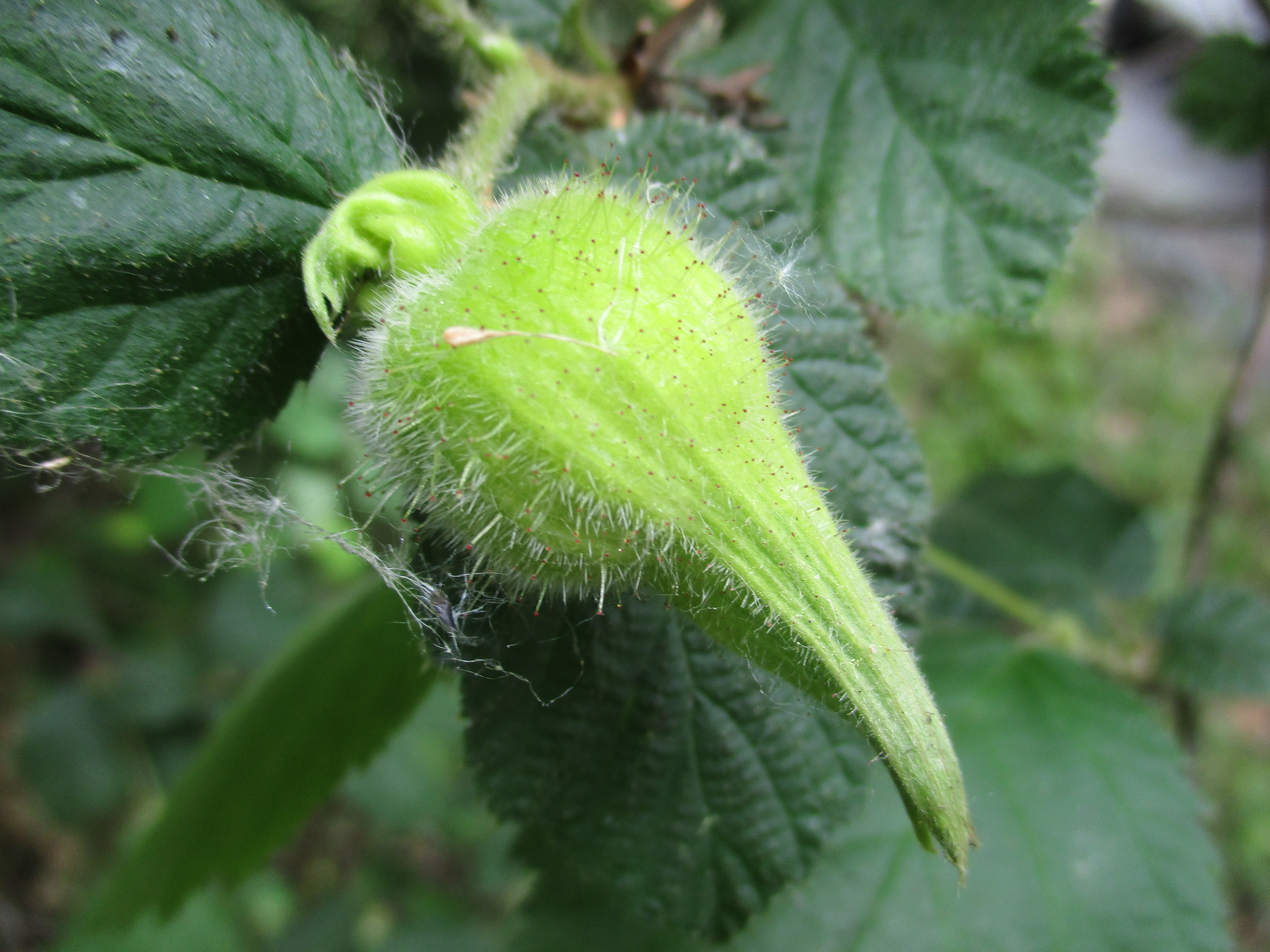 Not just any nuts, but precisely the sort that I recently discussed with a colleague, as I explained how they do not grow here. The nuts that is. The big thicket forming shrubs that are supposed to produce them not only grow here, but are a relatively common native. I just rarely see even a single nut on them. I sort of wondered how they mange to procreate with such rare seeds that invariably get taken by unconcerned rodents or birds.
 This little critter surprised me at work last week. Even though I knew it to be harmless, my instinctual response was to get away from it fast. I have encountered enough rattlesnakes to know better than to take the time to identify a snake before getting some distance from it. Even after identifying a snake as a harmless garter snake, I still prefer to avoid it as it leaves. This one was in no hurry, so got picked up with a rake and set safely aside.
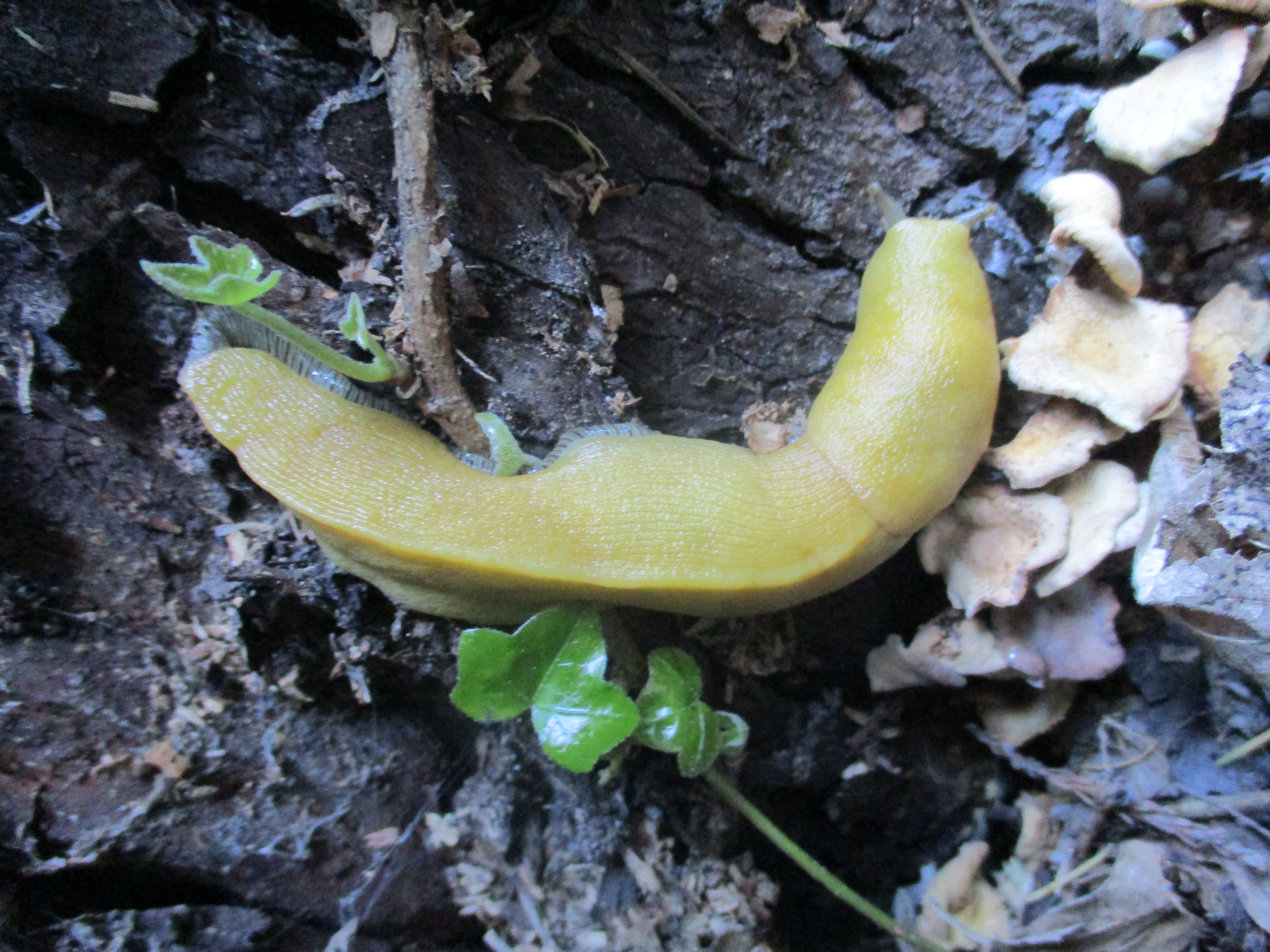 They are not as dangerous as they look. Really. If they were, just one could do more damage than an entire herd of average slugs. The fortunate truth is that banana slugs consume only decaying plant parts and fungus. Yes, they literally cruise about the garden eating bits of decomposing debris that we may not want there anyway, and converting it into a very nutritious and nitrogen rich ‘fertilizer’. They are actually beneficial to home gardening.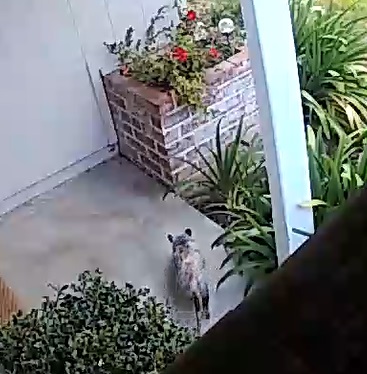
 Tony Tomeo