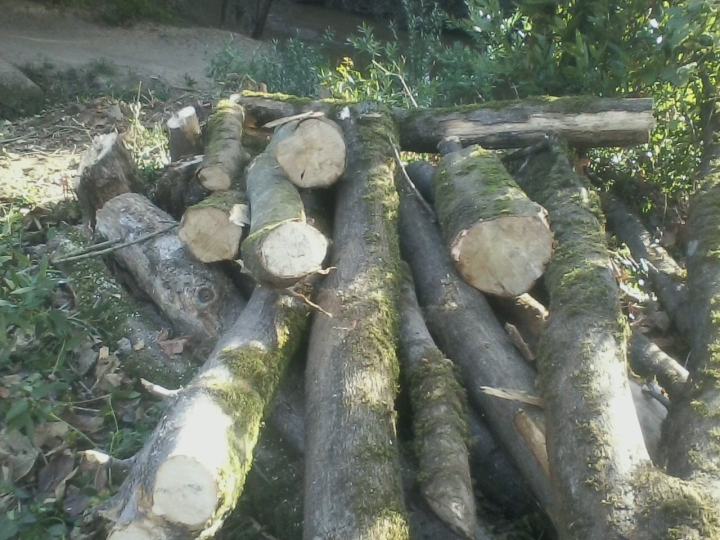
 There will be no more updates after this last one for the dead box elders that had been leaning onto the historic Felton Covered Bridge. ( https://wordpress.com/read/blogs/135014809/posts/747 ) They are gone. A pile of logs and some debris are all that remain.
Because the area is a protected riparian zone, the remaining debris and logs may have been left there intentionally, as an important component to the ecosystem. Nearby dead trunks that will not reach the Bridge when they fall also remain, as well as many other larger dead box elders several yards upstream.
For now, the Felton Covered Bridge is reasonably safe from falling trees.
We can only hope it stays that way.
Environmentalism has a way of complicating things.
Environmentalism should be more concerned with prioritizing the natural ecosystem than preserving vegetation that is interfering with it. Much of the exotic (non-native) underbrush and even a few exotic trees should be eliminated to allow at least some of the displaced native vegetation to recover. Where necessary and appropriate, environmentalism must also make accommodations for safety within an innately hazardous natural setting that happens to be very accessible to the public. More of the dead box elders should be removed or at least cut down to reduce the risk of falling limbs to those visiting the adjacent Felton Covered Bridge Park.
Preservation of assets like the historic Felton Covered Bridge is also important. Trees that are likely to damage the bridge should not be salvaged merely because they are within the protected riparian zone. Because the Felton Covered Bridge is such a landmark for tourists, the view of the Bridge is an important asset as well. Vegetation that would obscure this view should therefore be managed, so that it does not eventually obscure the view as it regenerates within the area vacated by the now absent box elders. There is nothing unnatural about open spaces. Old photographs demonstrate how visible the Felton Covered Bridge had been in the past, and how the flood of 1982 eliminated much of the obscuring vegetation within the riparian zone in a very natural way.
In many situations, planting new trees to replace those that are now gone is actually more unnatural than natural. It certainly does not contribute to the efficiency of a natural ecosystem. The installation of new sycamores, coast lives oaks and bay trees adjacent to the nearby Graham Hill Road Bridge are superfluous to new tree seedlings that appeared naturally in the area vacated by fallen box elders. They were planted with soil amendment, fertilizer and a synthetic polymer gel to retain moisture, and then protected from deer with stakes and mesh cages. They require unnatural supplemental irrigation until they get established, and are so close to each other and other trees, that they will become an unnaturally crowded thicket as they mature. There is nothing natural about such installations!
Nor are such installations inexpensive! They require resources that could be more responsibly allocated to more practical projects.
Environmentalism is another one of those very important concepts that has been compromised by extremism.

 Stormy winter weather always reminds some of us that our trees need some attention. Wind can break limbs. If the weather gets really nasty, trees can be destabilized by strong wind, particularly if the soil is moistened by rain. However, the truth is that arboriculture, which is the horticulture of trees, is important throughout the year. We just become more aware of it when weather threatens.
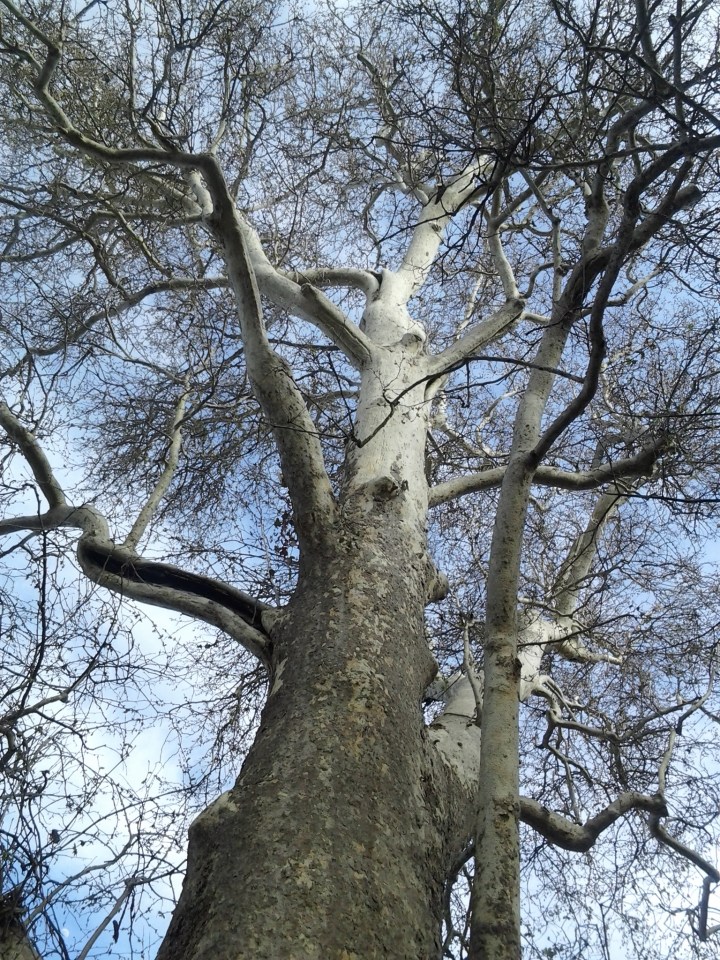 The “Poly” in Cal Poly is for “Polytechnic”, as in there are multiple schools within “California Polytechnic State University” at San Luis Obispo. There were seven school when I was there between 1985 and 1990. I was a student of the “School of Agriculture”. “Horticulture” was my “Major”, or major realm of study within this school. Within this major, I selected “Floriculture and Nursery Production” as my “Concentration” of study. That certainly is a lot of quotation marks.
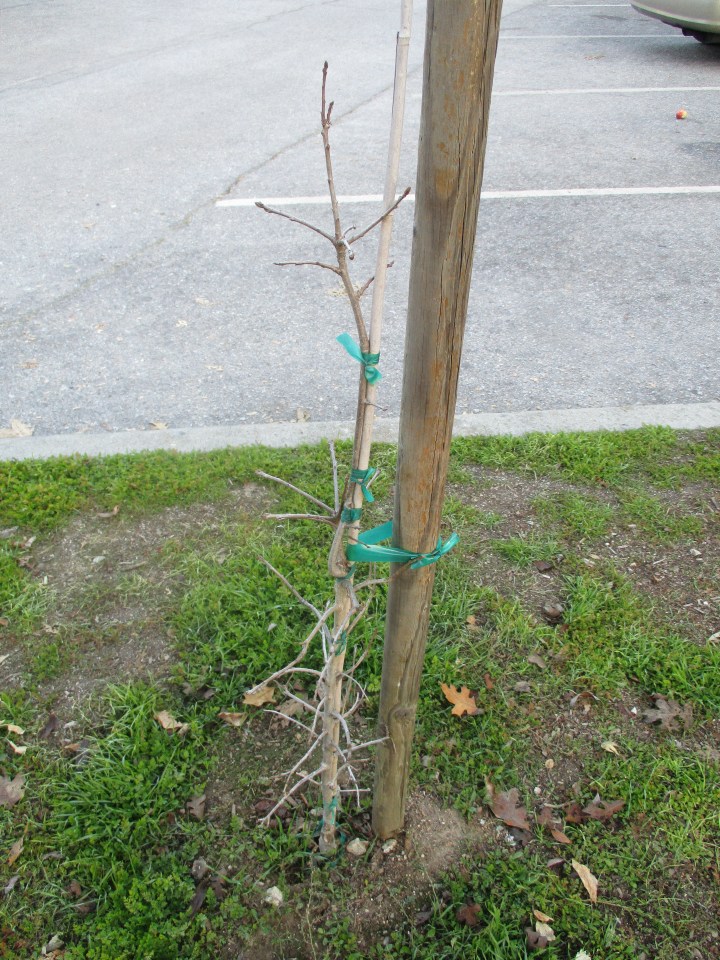 The sad little Scofield Tree in Felton Covered Bridge Park did not do much this year. (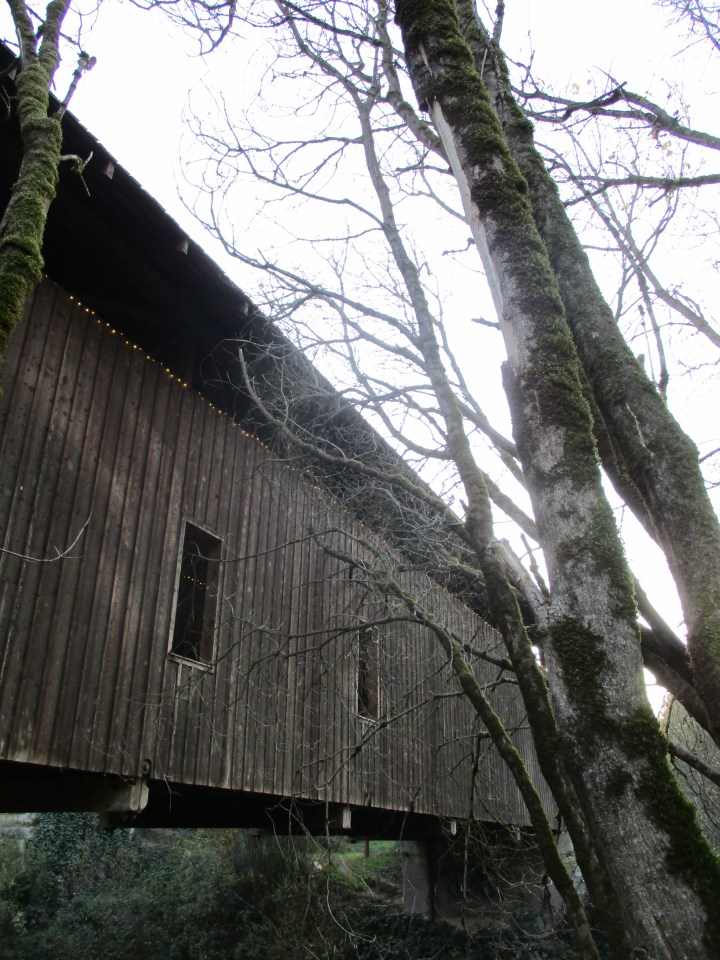
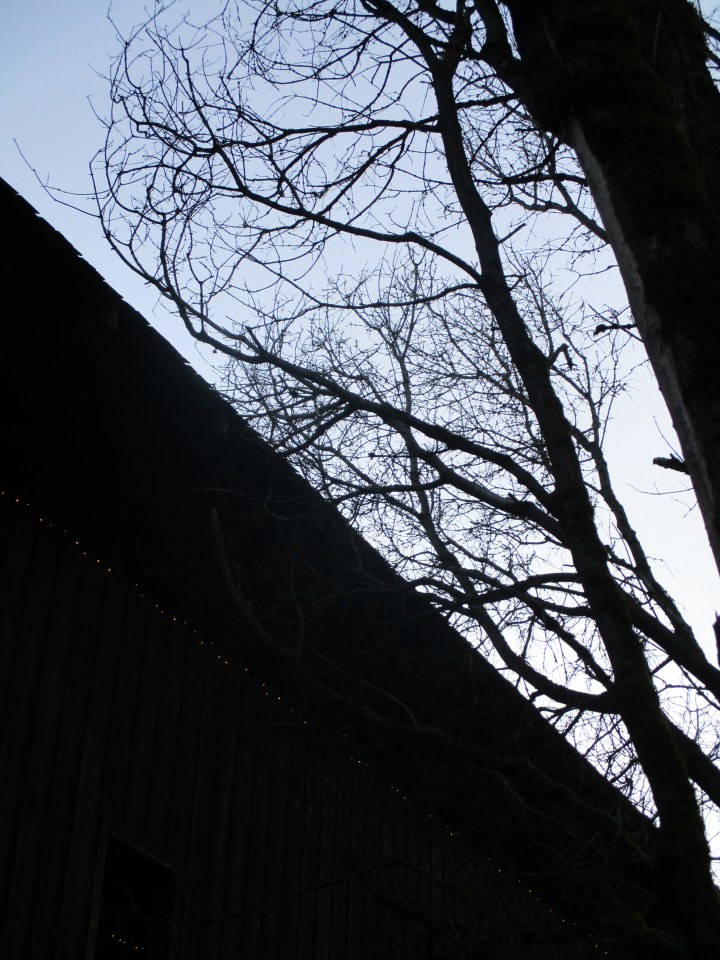 What is killing the box elders? (
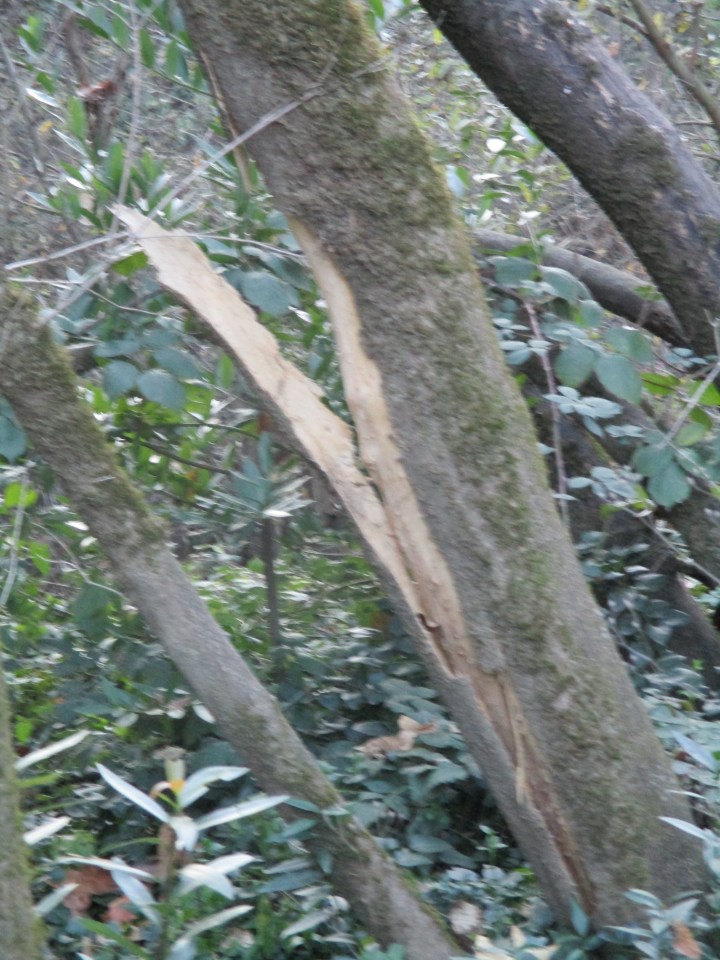

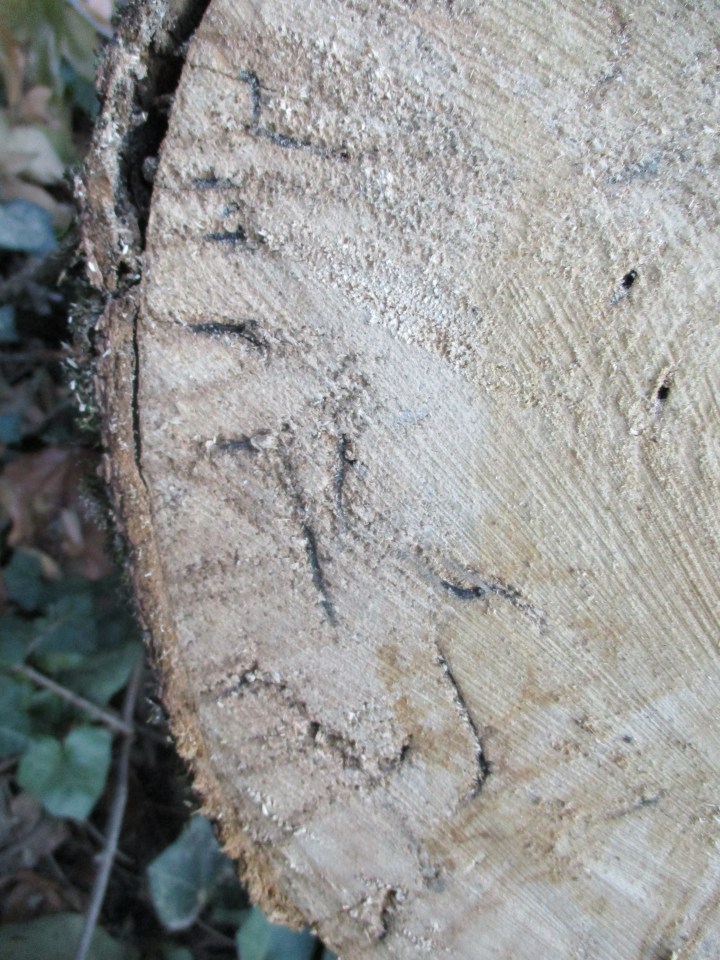
 They have been a part of life in Southern California longer than anyone can remember. The Santa Ana Winds have been blowing down from the high deserts to coastal plains long before people arrived in the region. They are arid and usually warm before they leave the Great Basin and Mojave Desert, and they get even warmer as they flow downhill through mountain passes. That is what makes them so dangerous during fire season. Wind alone accelerates wildfire. Warming arid wind desiccates fuel, making it more combustible before wildfire arrives.
 There is still no news about why mistletoe disappeared this last year in our area. No one really noticed it missing until late in summer. The absence of mistletoe became more apparent as deciduous trees that had been infested with it last year defoliated in autumn. What is even more strange is that the dead mistletoe plants deteriorated so quickly and efficiently that they are completely absent, as if something ate all the mistletoe, or took it away. The only evidence of former infestation in some trees are the swollen portions of stems where mistletoe had been attached. An article about this mysterious absence of mistletoe can be found here;
  Matthew McDermott got this picture, which was actually part of a video, of a tree burning from within during the devastating fires in Sonoma County last October 9. Many of us saw it in the news. It is actually not as uncommon as it would seem to be. Interior wood is more combustible, and sometimes already well aerated from decay, so can burn if exposed to fire through wounds or cavities, while the exterior of the same tree resists combustion. This is why there are so many big and healthy coastal redwoods with burned out hollow trunks. Of course, trees more commonly burn from the outside.
 Horticulturists have a way of making all those long Latin names sound easy to pronounce. Lyanothamnus floribundus ‘Asplenifolius’ – Syzigium paniculatum – Metasequoia glyptostroboides. I do not know why proper pronunciation of their names is so important. They have no ears. They can not hear if we simply call them ‘Earl’. Even if they could hear, they would not respond.
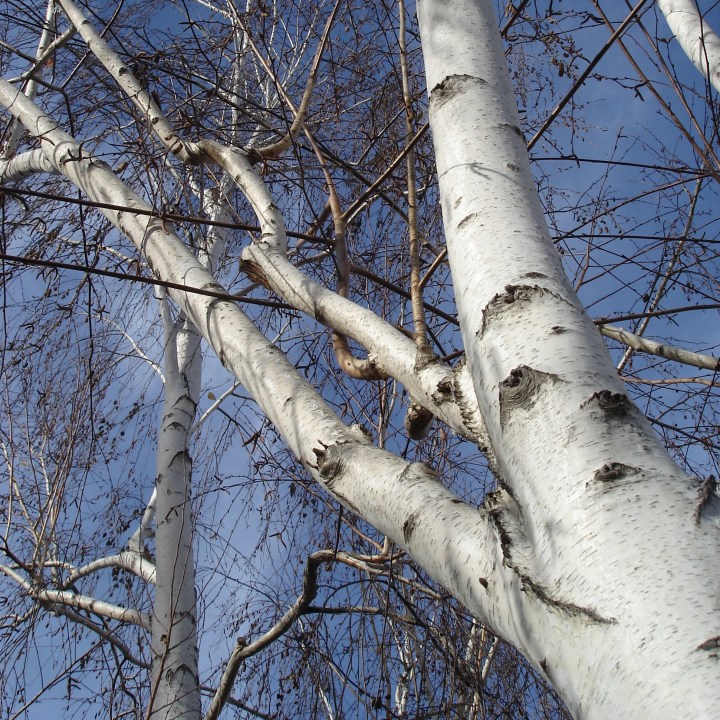 Most of us Californians are probably wondering what that means. Sugaring season is more familiar to horticultural enthusiasts in New England, Canada, and more recently, in Alaska. It is the time of year that sugary sap get harvested from maples, and in Alaska, from birches. Maple sap gets refined into maple syrup and sugar. Birch sap makes birch syrup and sugar, a recent fad up north.
 Tony Tomeo