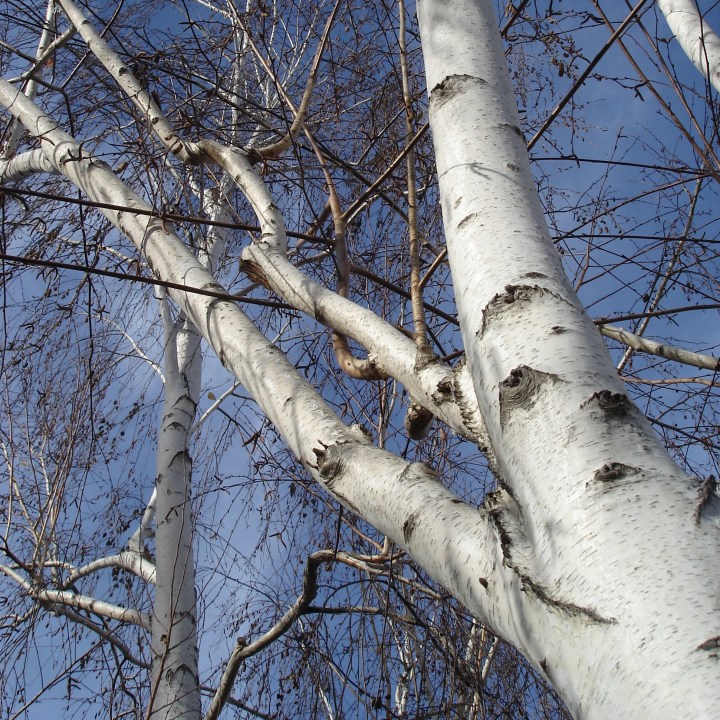
 Most of us Californians are probably wondering what that means. Sugaring season is more familiar to horticultural enthusiasts in New England, Canada, and more recently, in Alaska. It is the time of year that sugary sap get harvested from maples, and in Alaska, from birches. Maple sap gets refined into maple syrup and sugar. Birch sap makes birch syrup and sugar, a recent fad up north.
Why is this important here? Well, maples and birches know what time of year it is. Their sugaring season is relatively brief here; and they do not produce as much sap as they do in cold climates. Nonetheless, their sap will eventually start to flow later in winter, just when we expect it least. By the time we will be pruning dormant fruit trees and roses, it will be too late for maples and birches.
Therefore, maples and birches should either be pruned as soon as practical after defoliation, or after refoliation later next spring or early summer. They tend to defoliate before their sap gets too pressurized. However, if opting or the autumn pruning schedule, it is advisable to prune off one small stem first and then wait a few minutes to see if it bleeds. If it does, pruning should be delayed.
Bleeding may not be as harmful as it would seem to be for mature trees, especially since birches and many of the maples do not need much pruning of viable stems. If they get infested with sooty mold, a few small bleeding wounds on a big birch tree are more unsightly than unhealthy. However, several bleeding wounds can be somewhat distressful, especially for young Japanese maples.
If opting for the spring pruning schedule, maples and birches should be allowed to refoliate first. Their first leaves should be fully developed. This might be difficult for those of us who believe in pruning during dormancy, but it is better than causing sap to bleed when the trees need it most. Pruning can be done during summer too, but summer pruning should not be aggressive enough to suddenly expose formerly shaded bark to direct sunlight. Otherwise, bark can scald. So once again, timing is everything.

 There are many reasons why fireplaces and their chimneys are not such a safety concern like they were decades ago. Only a few modern homes are even equipped with them. Installation of a new fireplace is outlawed in many municipalities, even if a fireplace gets damaged by an earthquake, and should be replaced. Urban sprawl has replaced almost all of the orchards and woods that once supplied affordable fuel.
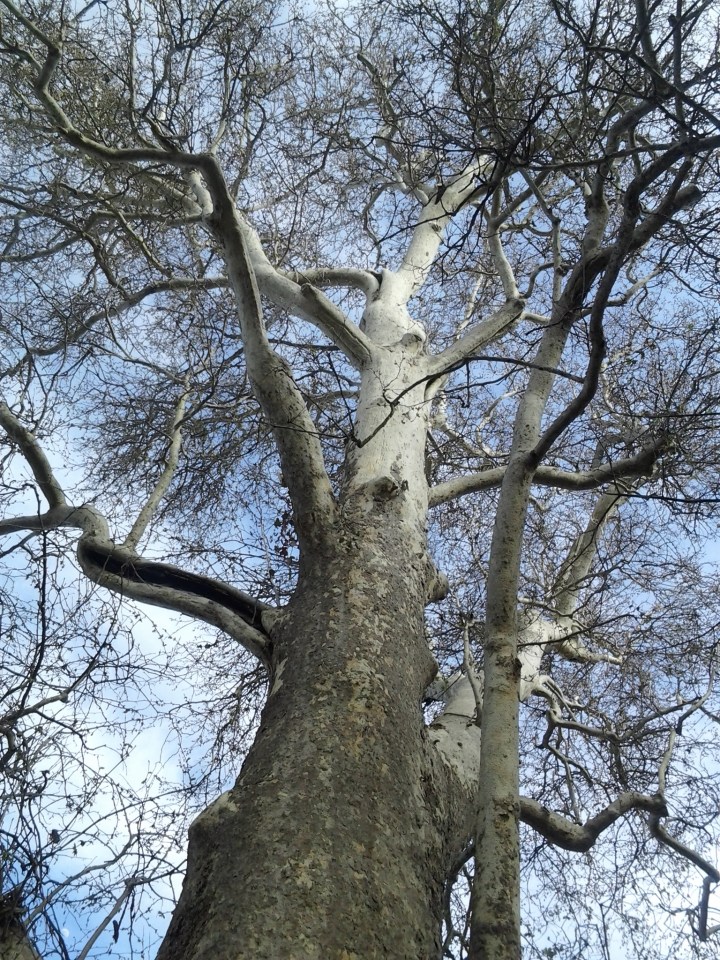 Before the storms of winter get here, it might be a good time to make arrangements to get some help for big trees that need it. Smaller trees that can be reached from the ground may not need anything that we can not do ourselves. It is the big trees that have grown beyond our reach that may need professional help if they have problems. They are unsafe for us DIY garden enthusiasts.
 How did the Featherstone Tree survive? (See:
 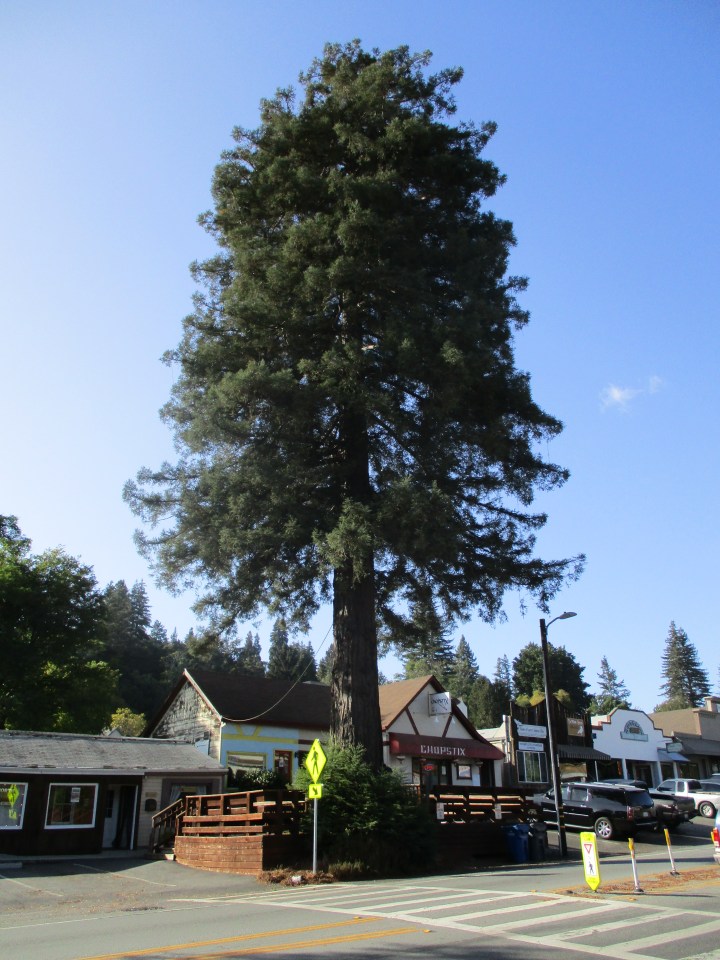 Trees get planted all the time. Apparently, nature does not do the job adequately. Trees get put into specific locations to provide shade, produce fruit, enhance a landscape, obscure a view, or for any of a vast number of reasons. It is amazing that they are as accommodating as they are. It is rather presumptuous for us to think that they actually want to live with us in our synthetic environments as much as we want to live with them.
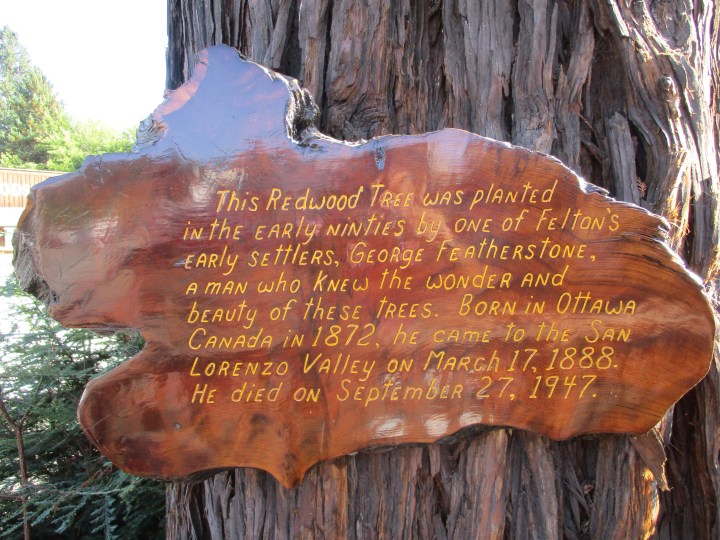 (‘ninties’ means the 1890s.) This Redwood Tree was planted in the early ninties by one of Felton’s early settlers, George Featherstone, a man who knew the wonder and beauty of these trees. Born in Ottawa, Canada in 1872, he came to the San Lorenzo Valley on March 17, 1888. He died on September 27, 1947.
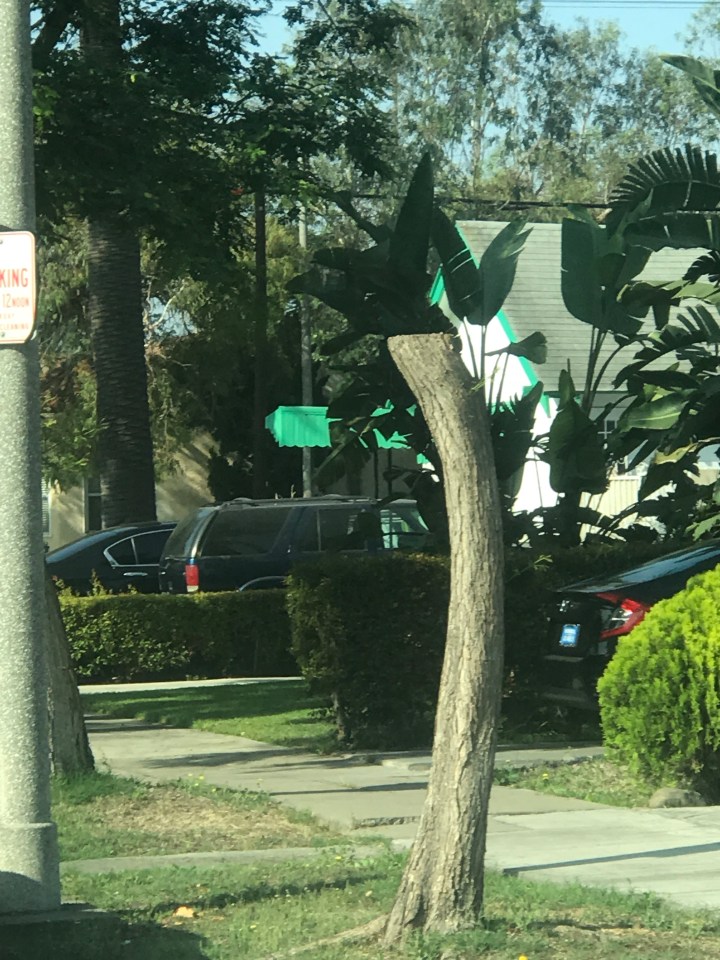 Horticultural industries are full of them; those who changed their respective careers half way through to do something ‘green’. We hear it all the time. “I used to be a ______ (Fill in the blank.), but I got so tired of ______ (Fill in the blank again.) and decided to get into landscaping.” Really?!? That is what you think of the landscape industry? Anyone who flunks out in your industry can ‘easily’ make it in landscaping?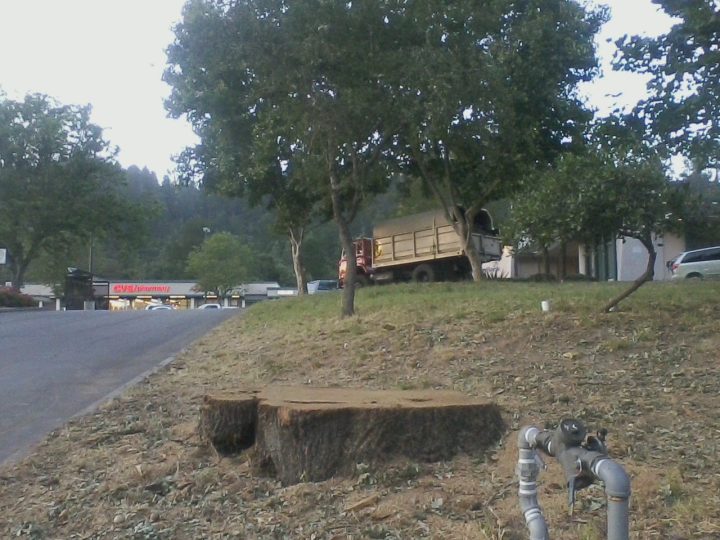
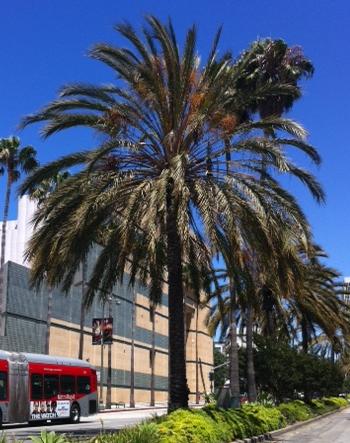
 There are certain disadvantages to gardening in such a perfect climate. We can not grow things that require significant chilling in winter. Nor can we grow things that require prolonged heat in summer. Seasons change so gently that it is easy to get behind schedule. It is already late summer, whether it seems like it or not. What we do not do in the garden is as important as what we do.
 Tony Tomeo