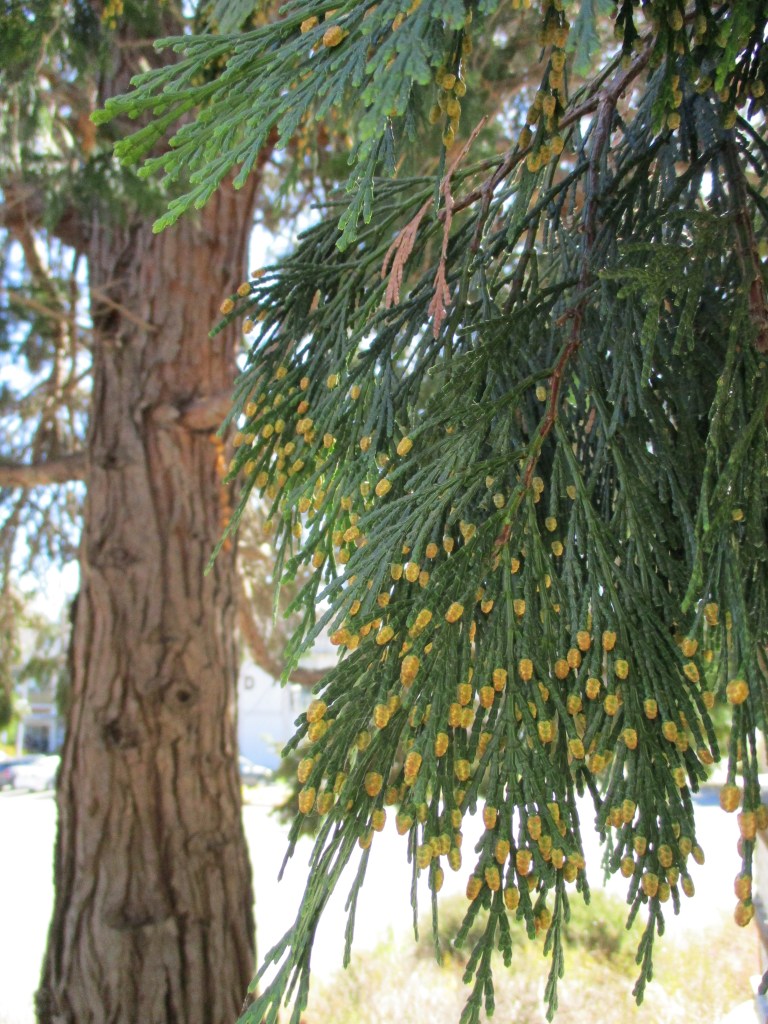
Nowadays, the delightfully aromatic foliage is familiar primarily in garlands at Christmas time. Most of the foliage of old trees is too high up for direct contact. Young trees with low foliage are rare. Incense cedar, Calocedrus decurrens, is unfortunately not as popular as it was a century ago. At that time, it was as utilitarian as it was appealing for spacious but minimally irrigated landscapes.
Incense cedar wood made good shingles and laminate for closets and cedar chests. The wood is aromatic enough to repel moths from woolens and furs, which were still popular then. It was less expensive to import than Eastern red cedar. It grows wild relatively nearby, in the Sierra Nevada and Cascade Mountains. Incense cedar fence posts might resist decay as well as redwood posts.
If the wild, where they compete with other trees for sunlight, old trees can get almost two hundred feet tall. However, well exposed old trees in Victorian gardens are less than half as tall after more than a century. Their canopies are generally conical. Large limbs can curve upward like extra trunks. Flat foliar sprays resemble those of arborvitae. The deeply furrowed bark is cinnamon brown.
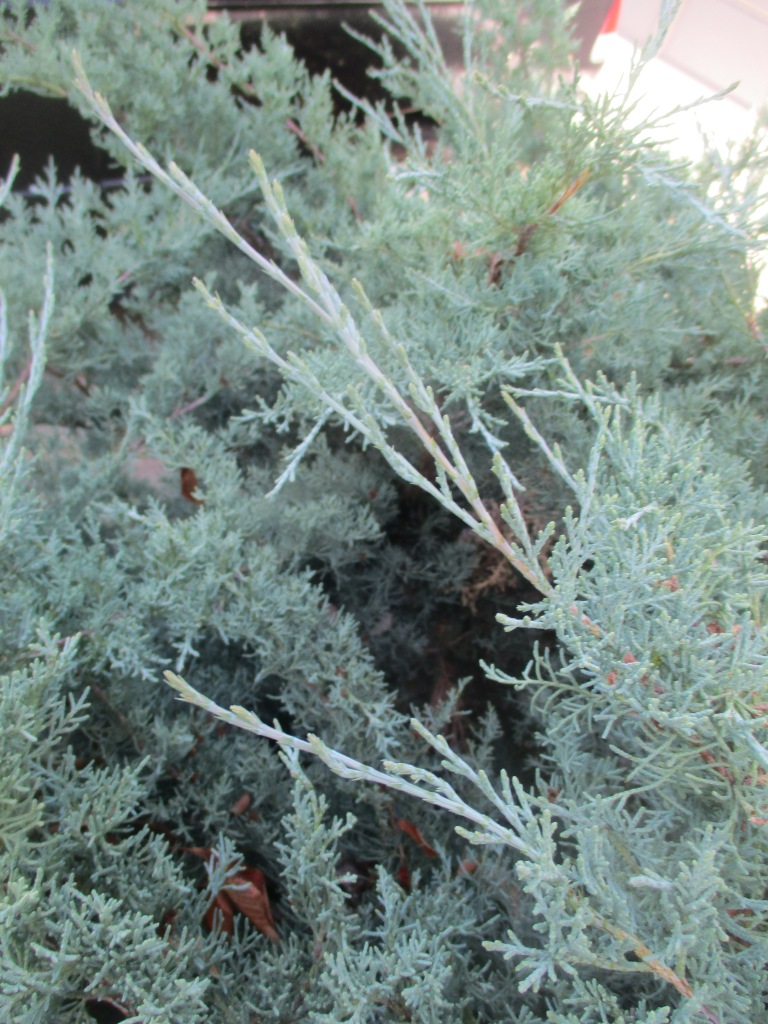

 Window boxes were supposedly invented in Venice to contain aromatic plants that repelled mosquitoes (and probably because garden space was so minimal in Venice). Hanging plants like nasturtium and ivy geranium are traditional window box plants because they do not obscure scenery or sunlight. Scented geraniums are also popular because they are be so strongly aromatic.
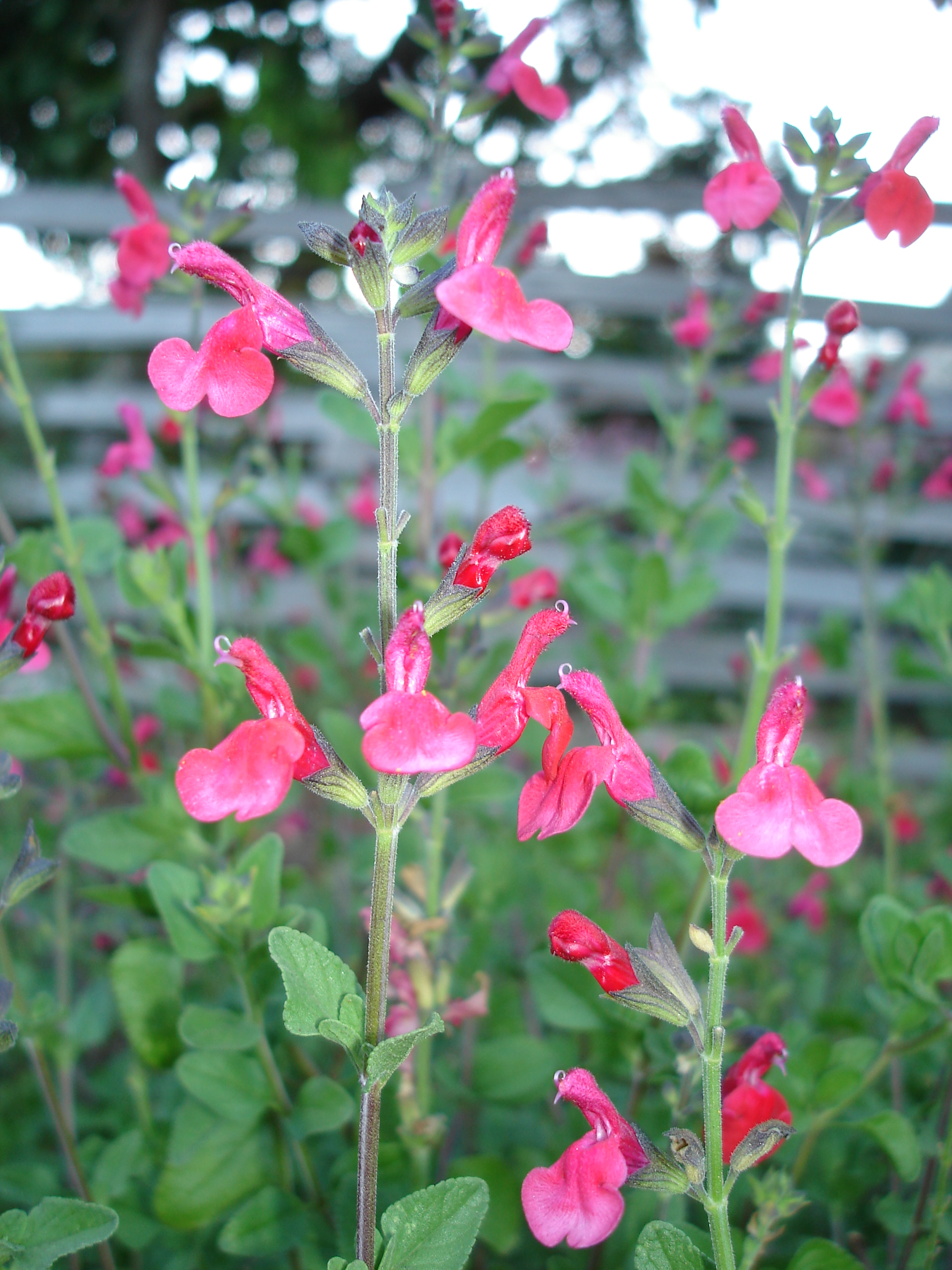 Perhaps in the wild, it blooms in autumn. Where it gets watered in home gardens, even if watered only occasionally, autumn sage, Salvia greggii, blooms all through summer as well. If pruned back severely over winter, it starts to bloom even sooner in spring. The tiny flowers are red, rose, pink, peach, very pale yellow, lavender or white. Some poplar cultivars have bi-colored flowers.
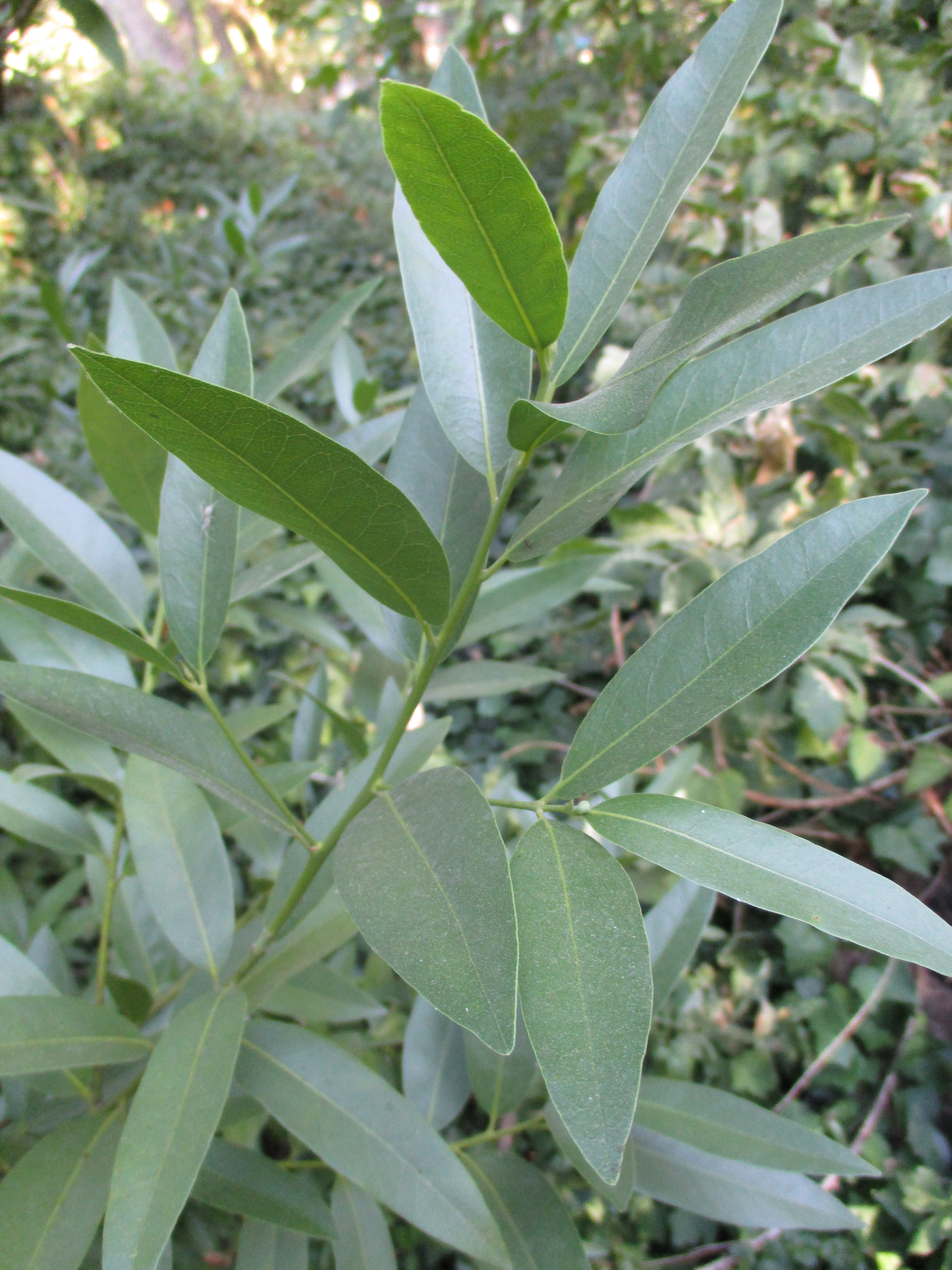
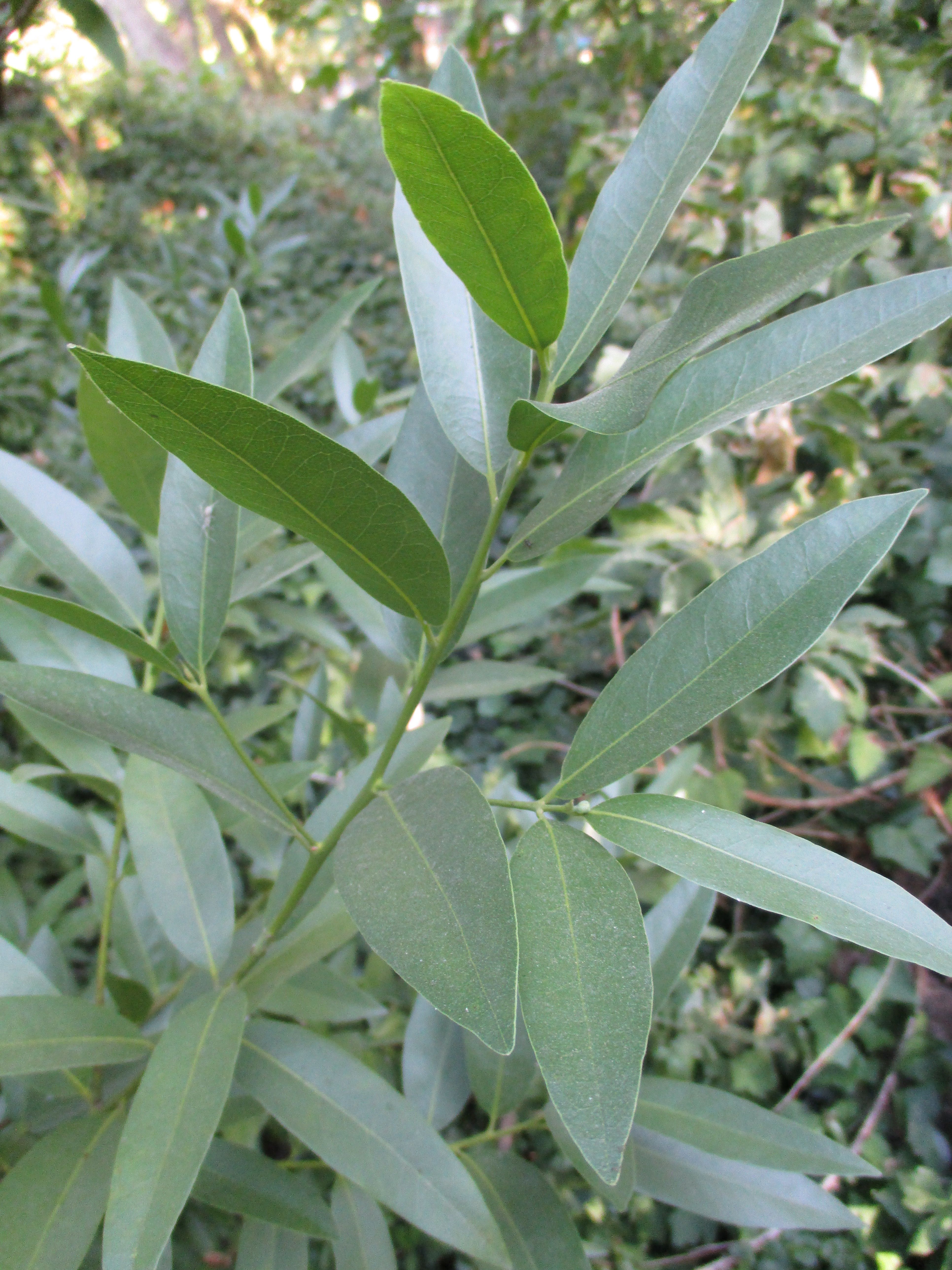 Just because California bay, Umbellularia californica, can be used like Grecian or sweet bay for culinary purposes does not necessarily mean that it should be. California bay has a stronger and much more pungent flavor and aroma. Some might suggest substituting less than half California bay for Grecian bay. However, even if the intensity is adjusted accordingly, the flavor might be off.
 Herbs might be in our garden right now, whether we are aware of it or not. Trailing rosemary happens to be a popular and practical groundcover, and some varieties grow as low shrubbery. A few varieties of thyme also work as ground cover for small areas, or between stones. Various lavenders are popular low mounding shrubbery. Quite a few common landscape plants are also herbal.
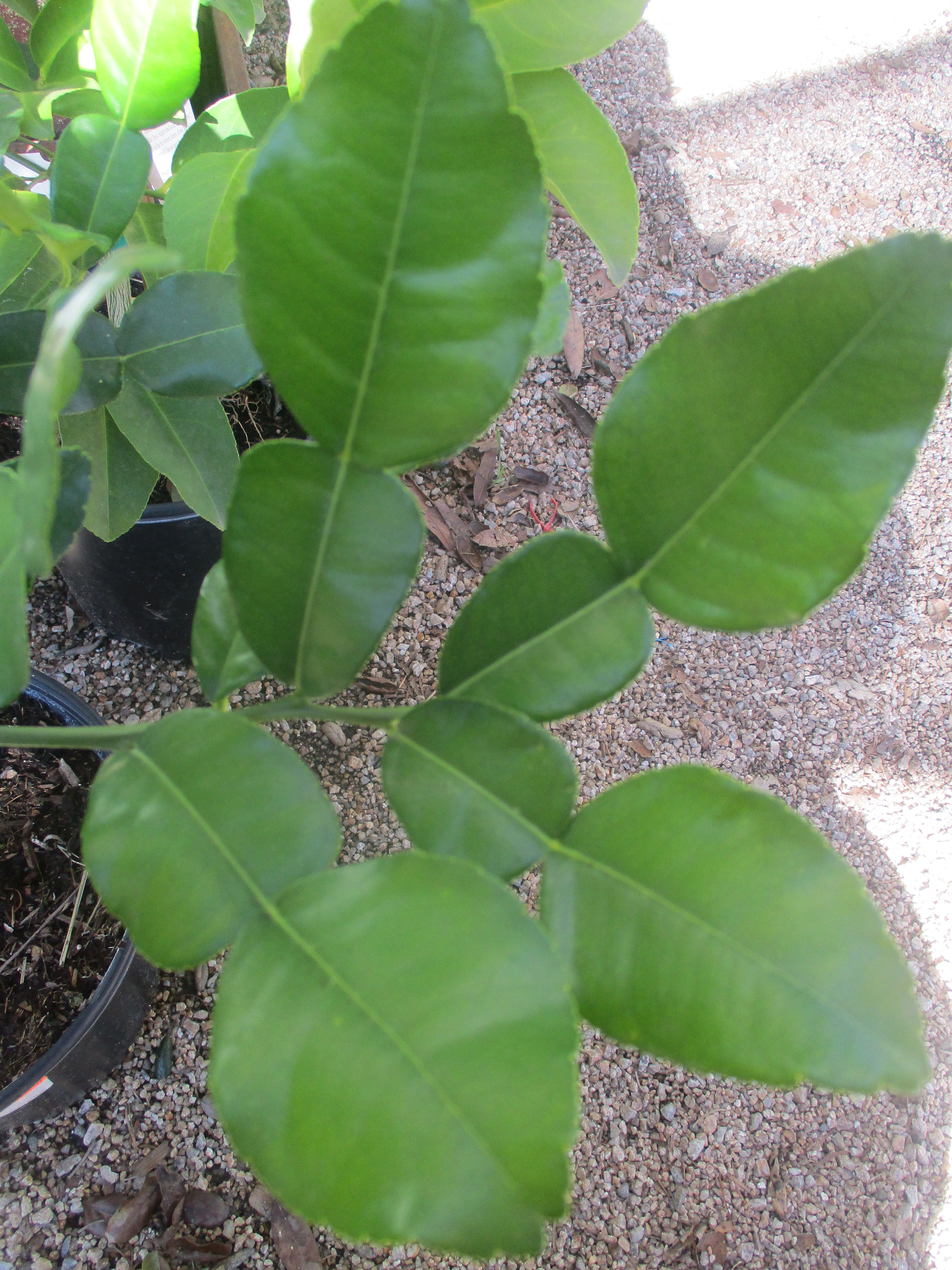 Of all the weird citruses available, this is one of the strangest. Makrut lime, Citrus hystrix, is not grown for its ugly wrinkled fruit. The rind and the juice are only rarely used for culinary or medicinal purposes. The important part of makrut lime is the aromatic foliage, particularly the modified petiole ‘wings’ that look like leaves. Fresh or dried, they are popular in the cuisine of Southeast Asia.
 Out in deserts, where vegetation can be a scarce commodity, cacti, agaves and yuccas protect themselves from grazing animals with thorns, spines, caustic sap and distastefully textured foliage. None of these defense mechanisms is perfect. They only need to be better than what the competing specie are using. Many plants find that objectionable flavor and aroma work just fine for them.
 Tony Tomeo