 Mild climates allow more flowers to bloom through autumn and winter here than in most other parts of America. That is why cool season annuals like pansies and violas are so popular. Cyclamen can be planted now too. None will be obscured by snow. By the time cool season annuals start to fade, warm season annuals will be replacing them. There is something to bloom in every season.
There are a few disadvantages to mild climates, though. Many plants rely on significant winter chill to stay on schedule. Inadequate chill limits the cultivars of apples and pears that are productive here. Not many spring bulbs will naturalize. Prior to winter, some deciduous plants are hesitant to resign to dormancy until they experience a chill that is cool enough to convince them it is autumn.
Some deciduous plants recognize a specific temperature as credible evidence of a change of seasons. Others want a specific temperature to be sustained for a specific duration or repeated for a few nights. Shorter days and longer nights are taken into consideration by species who want to confirm what they deduce from the weather. Different plants use different methods of observation.
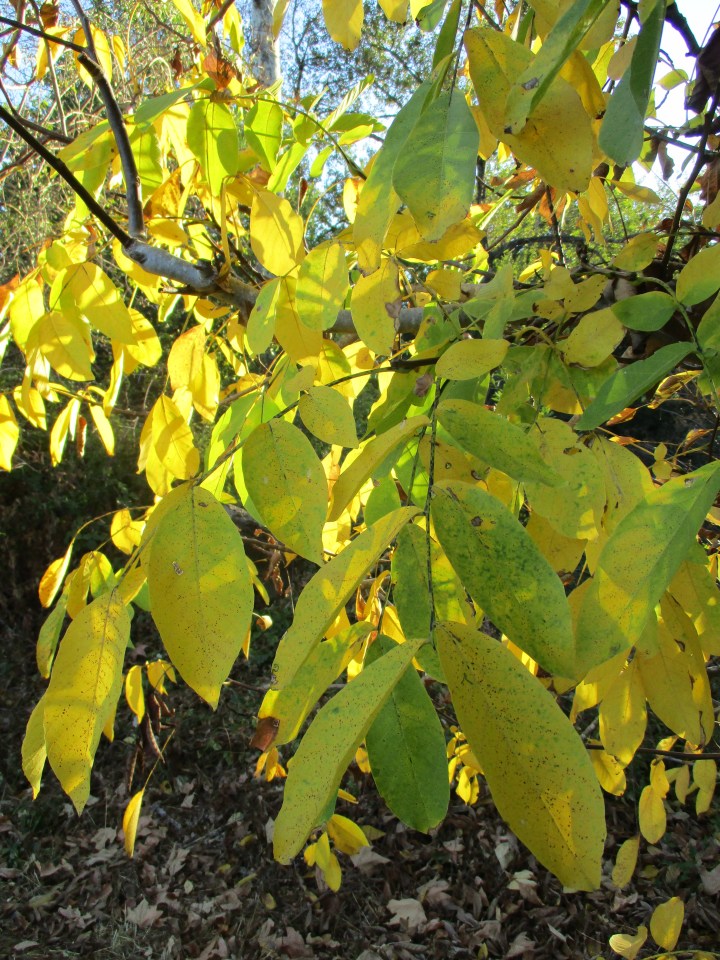
That is why deciduous plants who develop foliar color before defoliating in autumn do so on their own terms. Weather conditions that promote excellent color among birches may not be the same that cause flowering cherries to color well. Warmth and minimal humidity that sometimes prompt premature and blandly colored defoliation of sycamores might enhance later color of sweetgums.
Sweetgum, Chinese pistache, flowering pear and ginkgo are the most reliable trees for foliar color in autumn. Ginkgo turns only brilliant yellow. The others exhibit an excellent mix of yellow, orange and red. Crape myrtle can be about as colorful, but is not always as reliable.
Of course, there is more to these and other deciduous trees than their colorful foliage in autumn. After all, they are trees. Their particular characteristics and appropriateness must be considered before adding any of them to a landscape.


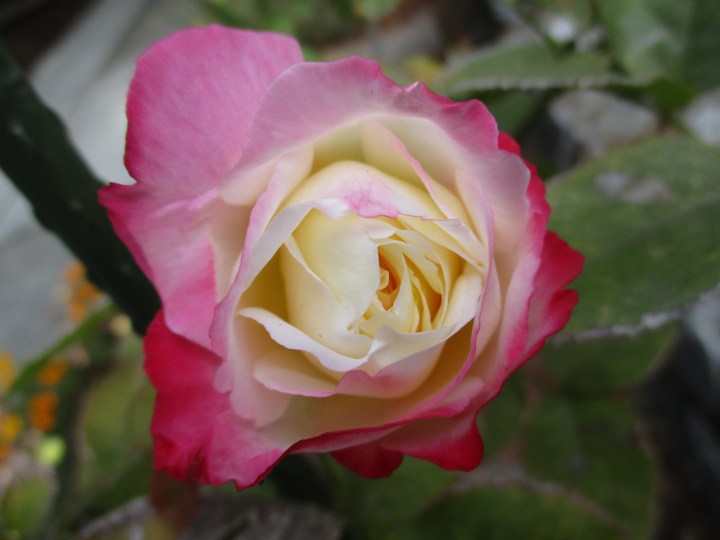

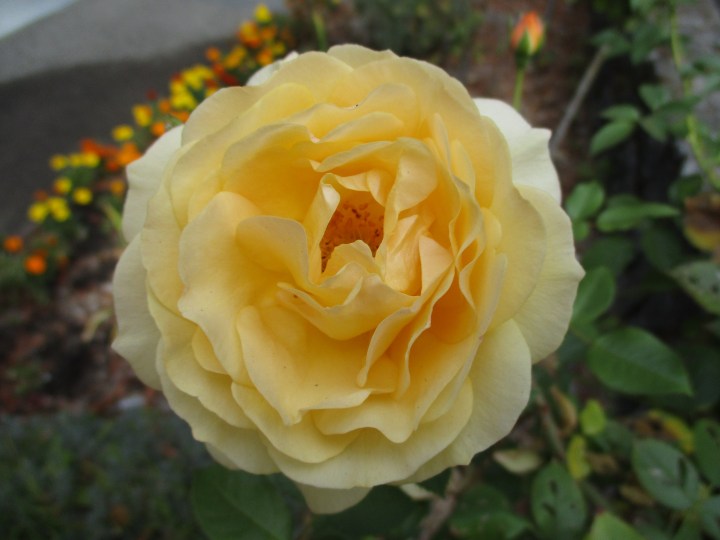
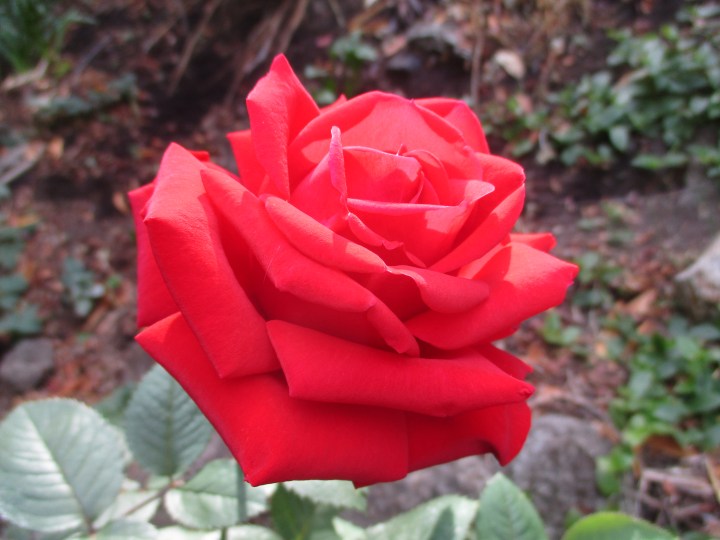
 Every living thing in our gardens came from the wild somewhere. A few plants might be natives trying to adapt to synthetic landscapes. Some might be from similar climates. Some are likely from very different climates. Even houseplants came from the wild somewhere in the World. Regardless of their respective origins, in home gardens, all plants want to behave as they would in the wild.




 Mild autumns and arid summers keep chrysanthemums on a different schedule here than in most other regions. They can get planted in spring to grow through summer and bloom through autumn; but because they can take a bit of work, they are more often planted while blooming in autumn. Although commonly grown as autumn annuals, they are perennials that can regenerate next spring, grow through summer, and bloom even better the following autumn.

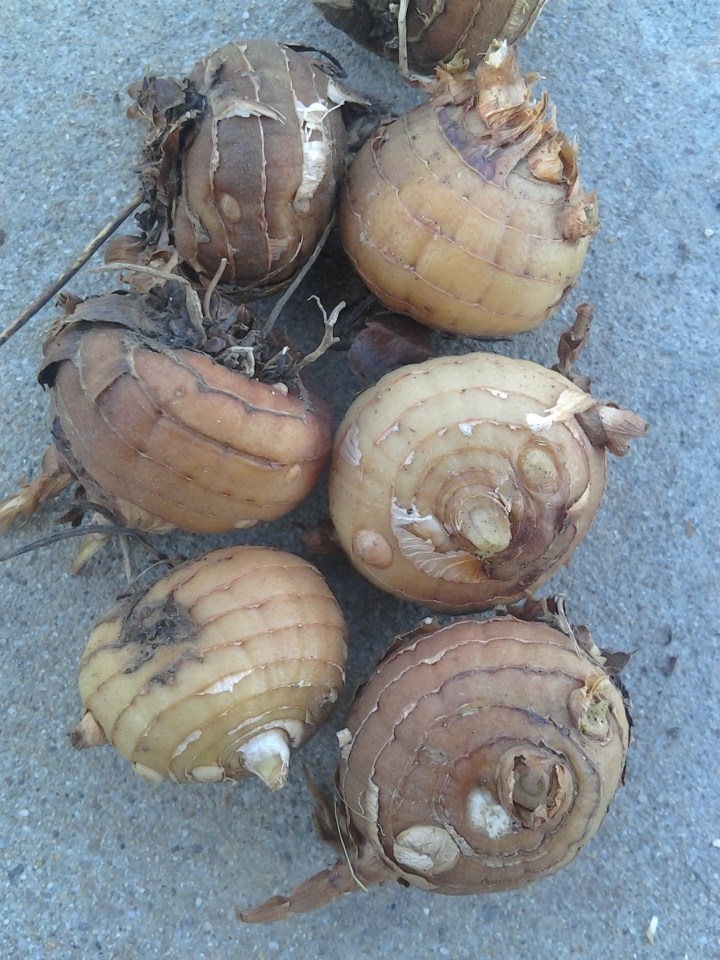 To those who do not enjoy gardening, the process of planting dormant bulbs must seem to be blatantly unproductive. Those of us who know what we are doing are so dutiful to select the bulbs we want, only to bury them in shallow graves in the garden, with nothing to show for all the effort. Knowing that the bulbs are buried at specific depths and orientations makes them no more exciting.
 Okay; so this is neither the first, nor real autumn foliar color. It just happened to be convenient for me to get a picture of. Someone left this unfortunate Japanese maple right outside on the driveway a few years ago. It colors early from uncomfortable exposure to late summer warmth. The picture below is even more colorful, and was from even earlier in the year, last August.

 As the name implies, ‘annuals’ need to be replaced ‘annually’. What is worse is that they do not even function for an entire year, but only for a specific season. Cool season annuals mostly work from autumn to spring. Warm season annuals mostly work from spring to autumn. Calendula is a popular cool season annual that may not last even that long, since it can mildew half way through winter.
 Zucchini is probably the most reliable of warm season vegetable through summer, even when tomatoes are having a bad year. A single zucchini plant produces enough for a household. Two plants produce enough to share with neighbors. Pattypan, crookneck and other varieties of summer squash may not be quite as reliably productive individually, but can be assembled as a delightfully variable team that produces early in summer, and is just now finishing.
 For many of us, this might seem to be irrelevant. We do not apply fertilizer to our landscapes and gardens. Some of us who use fertilizer do so mostly for seasonal vegetable plants and flowering annuals. Such plants will either not be around long enough to get fertilized again this year, or are cool season plants that are on a completely different fertilizer schedule through autumn and winter.

