 Black-eyed Susan, sunflowers and a few of the late warm season annuals and perennials are still blooming, and a few will continue into autumn. By that time, cool season annuals can move in; and some of the deciduous trees, shrubs and vines that turn color for autumn will be doing so. Realistically though, this can be the leanest time of year for color in the garden. Even some of the foliage that is colorful through spring and summer has faded.
There are certainly plenty of flowers in season now. However, not many are colorful. Honeysuckle vine is pleasantly fragrant as it bloom in random phases until the weather gets cooler, but the flowers are only pale yellowish white. Some melaleuca trees bloom profusely enough to make a mess, but are just as pale, and do not even provide fragrance; although some have pretty light pink flowers. Abelia flowers are pink and abundant, but are really not all that flashy against their bronzy foliage.
Some of the more colorful flowers are not quite as reliable. Princess flower, hibiscus, blue hibiscus and mandevilla certainly can bloom in late summer or autumn, but sometimes bloom earlier than expected, so have nothing left for later. The bright red flowers of blood red trumpet vine are quite impressive, but only if they are not obscured by the accompanying foliage. Some roses bloom in phases as late as the weather will allow, but actually, most are done by now.
Fuchsia and angel’s trumpet likewise bloom in a few phases once they get started, but unlike the many cultivars of roses, they are much more reliable for a late bloom phase. Escallonia blooms late with small but colorful flowers, but only if they have not been shorn in the past few months. Shearing deprives them of the blooming stem tips that they had worked most of the year for.
Butterfly bush, tree mallow, cape plumbago, bee balm and several varieties of sage and salvia are among the most reliable plants for late summer or autumn bloom. Even without multiple bloom phases, they just naturally bloom at the end of their growing season, before winter dormancy.
 Autumn is for more than planting. It is when most of the aggressive pruning gets stared. It might be the best time to work with compost and conditioning the soil. Bulbs get planted. Gutters get cleaned. Leaves get raked. Perennials get groomed. We might think of it as a time of slowing down after such a busy summer, but in many gardens, autumn is just as busy with seasonal chores.
 As zinnias, petunias, cosmos and other warm season annuals fade in the cooling weather, we might add a few chrysanthemums or marigolds for color through autumn, or we might go straight for pansies, violas or other cool season annuals that will provide color through winter. In the locally mild climate, there is always potential for some sort of colorful bloom. Mild weather has advantages.
 Mild winter weather on the West Coast limits the choices for autumn color. So many of the trees, shrubs, vines and perennials that get so colorful where autumn weather is cooler do not get so colorful here. Mild weather also allows so many more evergreen plants and plants that do not get colorful in autumn to thrive here than in harsher climates. Consequently, the tougher and more colorful plants are not so common.
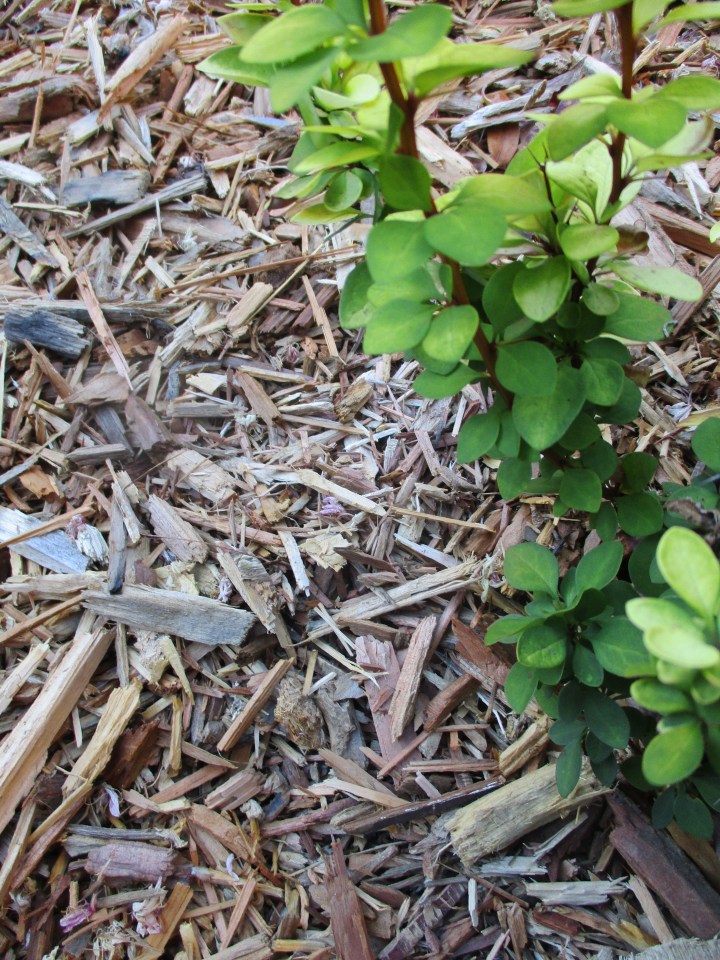 It is silly for us to think that we know more about gardening that the plants who live out in the garden full time. We can help them along by giving them a bit more of what they need to survive, such as water and fertilizer. We can prune them to help them concentrate their resources into bloom and fruit production. Through it all though, we really need to be observant of what they do naturally.
 Is it coming or going? Autumn that is. It normally gets here last. We are typically only beginning to see the first foliar color of autumn while other parts of America get their first snow. We typically get a few more tomatoes out of our vegetable gardens long after most everyone else has pulled out their frosted tomato plants.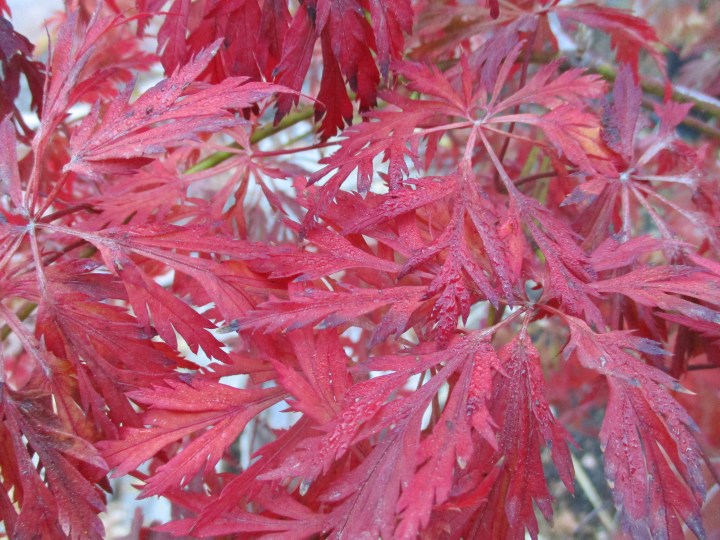
 Even if they had been clean since they were emptied out last winter, gutters (eaves-troughs) near deciduous trees will eventually need to be cleaned again as they collect falling leaves through autumn. Leaves may continue to fall for several weeks, and will fall more abundantly as they get dislodged by rain.




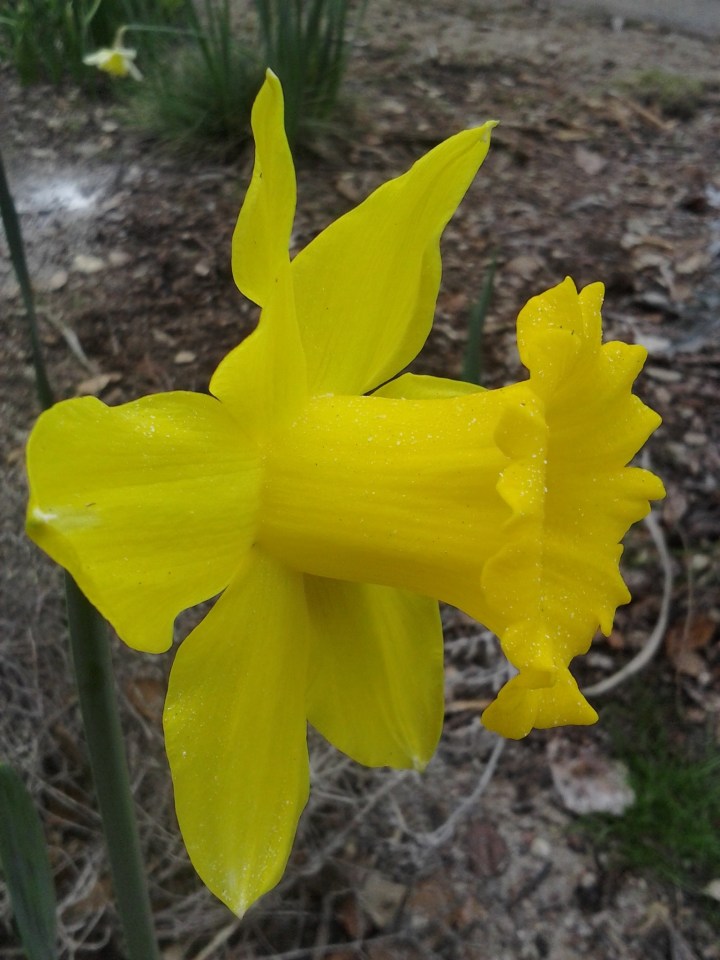 They are certainly not much to look at now. They are even less interesting once buried out of sight in the garden. The big and colorful pictures on the boxes that they arrive in are probably a bit more spectacular than the flowers expected early next spring will actually be. Nonetheless, it will be amazing to see such flashy bloom emerge from seemingly lifeless bulbs that get planted now.
 I prefer to call it ‘autumn’. It sounds prettier. Perhaps it even sounds a bit more exotic, like something that happens in far away climates were the seasons are more distinct, and the weather gets a bit cooler this time of year.
 Tony Tomeo