 The popular definition of ‘Indian summer’ suggests that it is unseasonably warm and dry weather in spring or autumn, and that it typically happens after frost. Well, that definition just does not work here. It makes about as much sense as our so-called drought, which is actually the normal weather for our chaparral climate. Weather that repeats annually is neither unseasonable nor abnormal.
There are certainly years with more or less rain, and years with warmer or cooler weather in late summer and early autumn. Weather is naturally variable. It does not work like the thermostats in our homes, or the automated irrigation systems in our gardens. It is impossible to predict precisely how this summer will end, but it will likely have some characteristics of a normal Indian summer.
The one characteristic of the popular definition of Indian summer that will be notably absent is frost. That will not happen until after autumn. Locally, Indian summer can either be what seems to be a continuation of summer weather, or a resumption of warm summery weather after a bit of cooler weather. The main difference from earlier warm weather is that the nights are significantly cooler.
That is more important than it sounds. We do not notice the cooler nights as much as the plants that are outside all night do. While the days are as warm as they had been, some deciduous plants will begin to defoliate. Eventually, those that get colorful in autumn will begin to do so. Roses can be fertilized one last time, but even as they continue to bloom, they should not be fertilized again.
Indian summer prolongs the summer growing season significantly, but also has the potential to interfere with the winter growing season. Warm days keep warm season vegetables and flowering annuals performing so nicely that we do not want to remove them to relinquish their space for the cool season plants that will be needing it soon! In other climates, frost ends the summer season for us, and necessitates the transition to cool season crops. Indian summer can be too much of a good thing.
 From the time they get planted in early spring, tomato plants are expected to perform a bit better than they did earlier in the season. They start out with only a few early tomatoes, but quickly become prolific. Production continues to increase as the plants grow all through summer . . . until now. Newer leaves on top are not staying so far ahead of fading leaves below.
 No mater how much work we put into our roses to sustain bloom all through the season, and not matter how successful we are with that endeavor, the first spring bloom is always the best. Some roses continue to bloom in floriferous phases afterward, while others bloom sporadically but continually; but there is nothing like the first bloom phase. The last blooms are just waiting for autumn.
 There is a time for everything, and a season for every activity under the Heavens:
 Even without any of the five senses that we are outfitted with, plants are remarkably perceptive of the weather and the changing seasons. They know precisely what time of year it is because they know how long the sun is up. Their calendar is just as accurate as ours is. They also know that the weather has been getting progressively cooler through autumn, and that it rained a bit earlier.
 After reading so much about the exquisite foliar color that most everyone else in the Northern Hemisphere gets this time of year, I must admit, I can get rather envious of those who experience four seasons instead of just two. The abundance of spring in the Southern Hemisphere does not help. Why have I not found a garden blog from Ecuador or Indonesia so that I have something to point and laugh at? It just isn’t fair.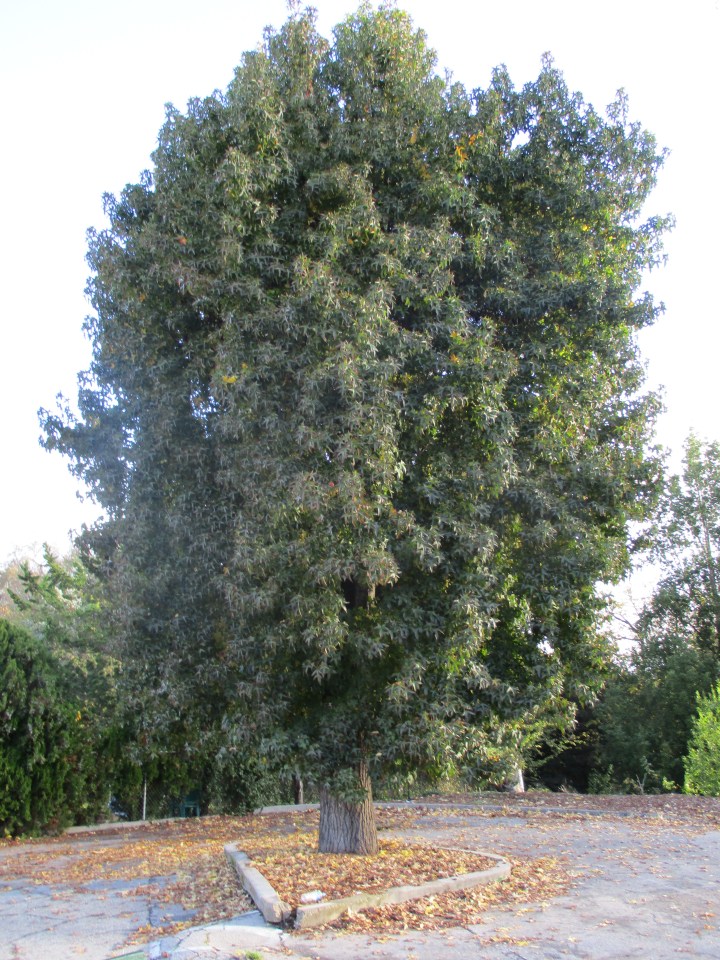
 Known more as a medicinal herb, and by its Latin name, coneflower or Echinacea, is a delightful prairie wildflower that works just as well in refined home gardens. It blooms in summer and again in autumn, although autumn bloom can be inhibited if plants are not groomed of deteriorating stems from the previous bloom. Like related gaillardia and rudbeckia, coneflower is a nice cut flower.
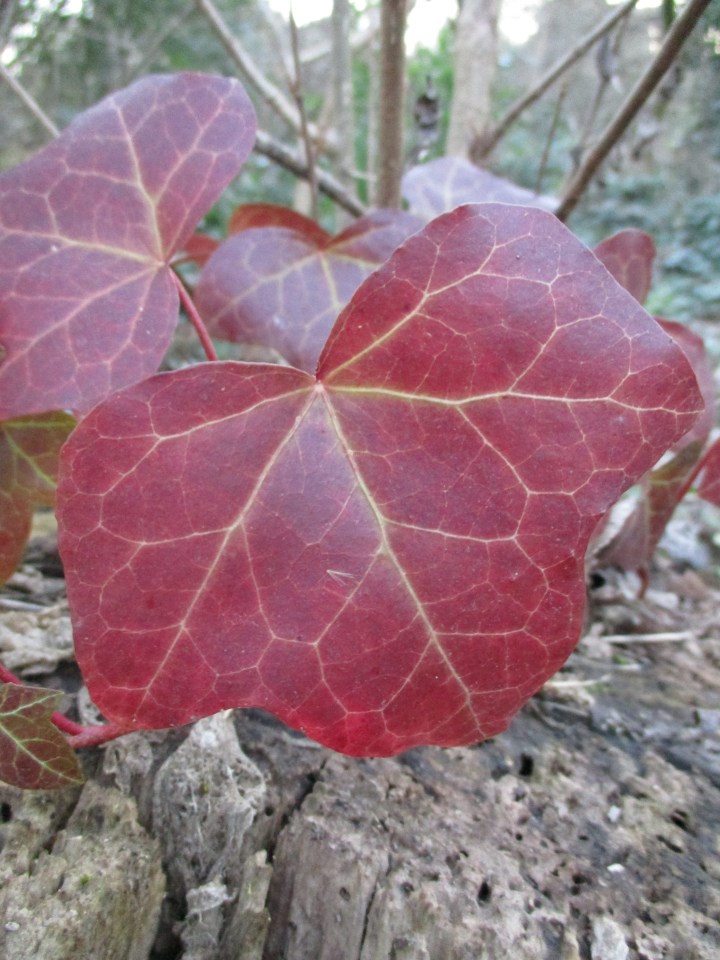
 There may not be a good time to talk about it this year. The late warmth really put a damper on some of the autumn foliar color. Some trees are dropping their leaves as soon as they start to turn color, leaving only fading green leaves in their canopies. Only the most reliable trees for autumn color, sweetgum, Chinese pistache, flowering pear and gingko, are trying to make up for lost color.
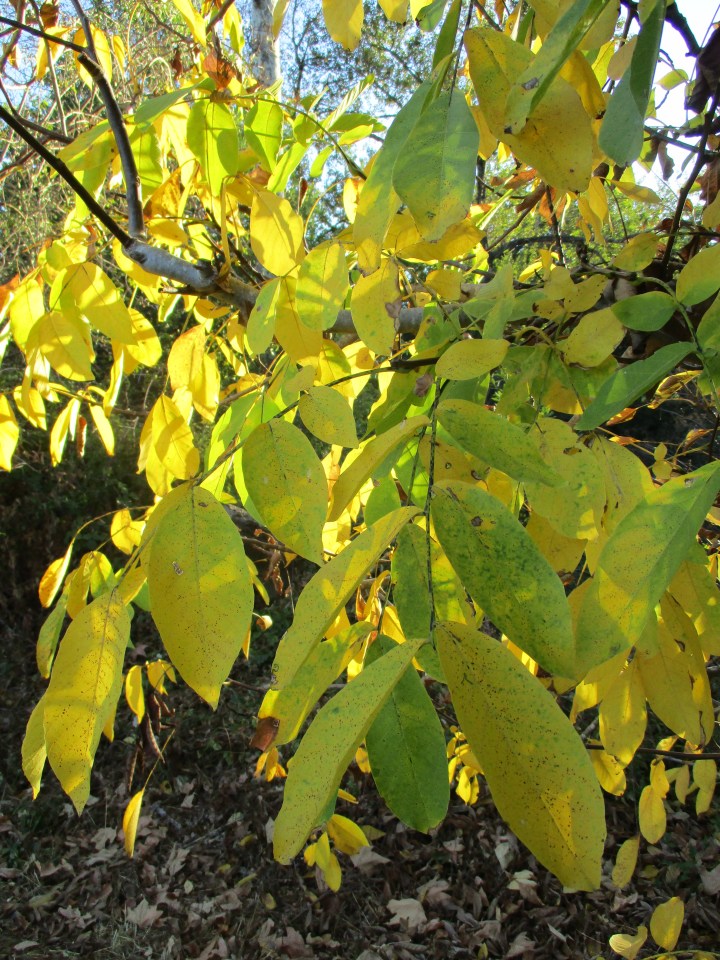 Remember the movie from 1988? I don’t either. I never saw it. Gang violence is not my idea of a good time. The title ‘Colors’ refers to the use of distinguishing colors by the gangs of Los Angeles. Gang members wear colors that correspond to their respective gang affiliation.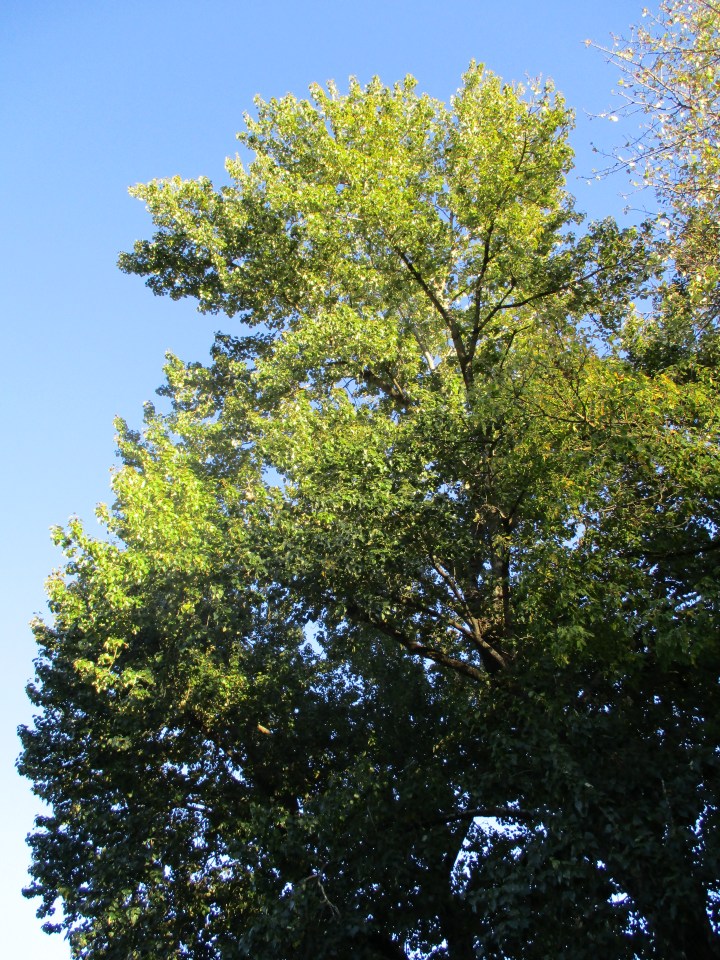
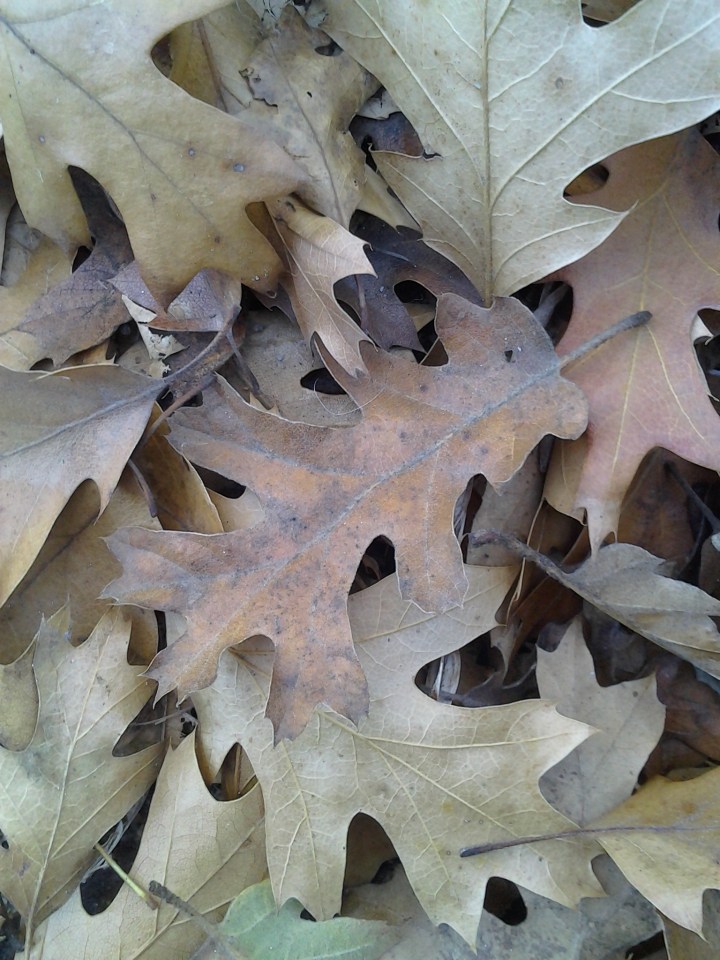 There is no time that is best to clean the gutters on the eaves. They should probably be cleaned early before the debris within them gets dampened by the first rains. However, they will only need to be cleaned out again after more foliage falls. If cleaned only after all the foliage falls, they will be grungier, and there will be potential for some of the debris to flow into and clog the downspouts.
