Sunday Best – Columbine


More flowers seem to be in order. The six that I posted pictures of last week got so much extra attention.
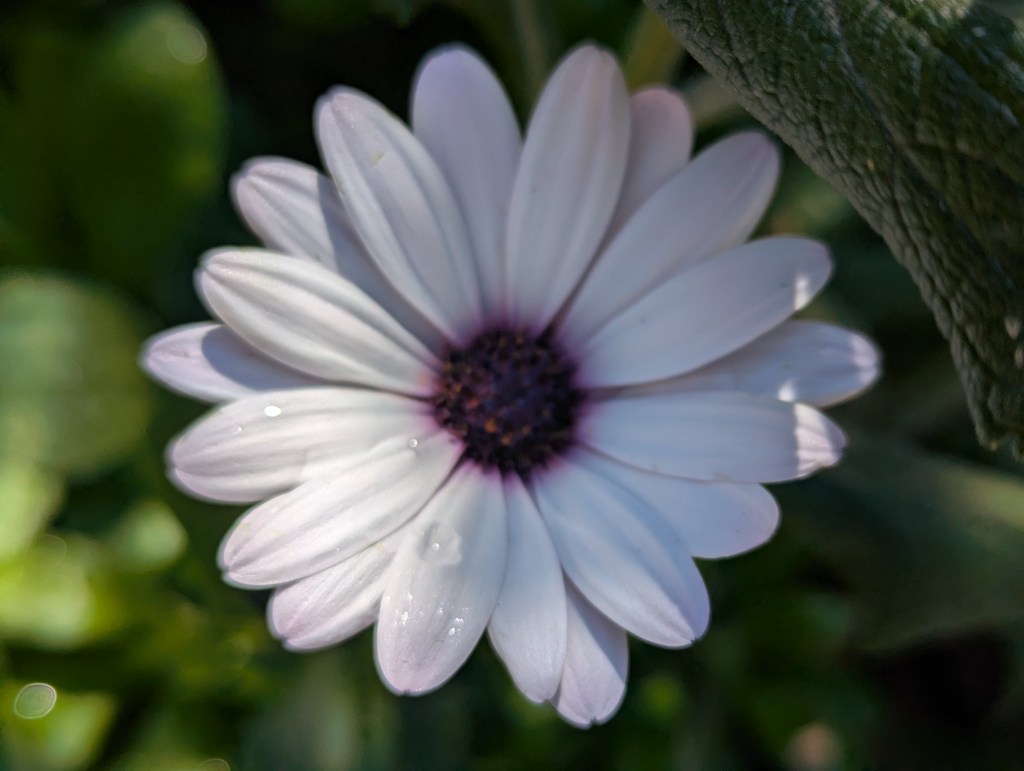
1. Gerbera jamesonii, Transvaal daisy, along with the columbine below, was observed in a nursery. It is a long story. To be brief, neither was within the landscapes or my garden.

2. Aquilegia X hybrida, columbine is the State Flower of Colorado, but also is the colors of the Flag of Greece. Perhaps that is too much trivia. It is elegant and pretty regardless.

3. Sisyrinchium angustifolium, blue eyed grass grows wild here. This one happens to be in my driveway. Its proliferation exceeds its intellect. It might otherwise soon be extinct.

4. Chaenomeles speciosa ‘Orange Storm’ flowering quince is appealing only because it is a flowering quince. I am unimpressed by its fancy breeding and orangish red garishness.

5. Prunus persica var. nucipersica ‘Fantasia’ nectarine is more respectable since it is not fruitless, and also since it is among the most popular cultivars of the Santa Clara Valley.

6. Prunus salicina ‘Satsuma’ plum is not as popular as ‘Santa Rosa’ plum is, but it is very traditional among those who are familiar with it. It is not quite as tart as ‘Santa Rosa’ is.

This is the link for Six on Saturday, for anyone else who would like to participate: https://thepropagatorblog.wordpress.com/2017/09/18/six-on-saturday-a-participant-guide/

The first is Spanish. The second is Chinese. The rest, including Oregon grape, are native. Only the iris and poppy were actually found growing in the wild, though. It is beginning to look like spring.
1. Lavandula stoechas, Spanish lavender compensates for its absence of floral fragrance with delightful foliar aroma, especially as the weather begins to get warmer after winter.

2. Loropetalum chinense, Chinese fringe flower blooms with these silly rosy pink flowers above lightly bronzed new foliage, which is collectively more colorful than simple bloom.

3. Ribes sanguineum, flowering red currant, although native here, does not grow wild in this particular location. This one was added to one of the landscapes, and is quite happy.

4. Iris fernaldii, Fernald’s iris does grow wild here, and seems to bloom more happily on exposed roadsides than in forests. Perhaps it appreciates the better exposure to sunlight.

5. Mahonia aquifolium, Oregon grape is the Official State Flower of Oregon. It is native, but was likely added to the several landscapes that it inhabits here, like the red currants.

6. Escholzia californica, California poppy is the Official State Flower of California. It can be a bit prolific in some situations, while less prolific where seed are intentionally sown.

This is the link for Six on Saturday, for anyone else who would like to participate: https://thepropagatorblog.wordpress.com/2017/09/18/six-on-saturday-a-participant-guide/


No theme was planned for these six random pictures that I took last Wednesday after we relocated the pygmy date palms. Daphne, pigsqueak and azalea were featured somewhat recently already.
1. Phoenix roebelenii, pygmy date palm, which is one of a pair, is included in my six this week only because relocating them, in their large and heavy pots, was such a major task.

2. Cymbidium spp., orchid is not blooming yet, but is working on it. No such bloom was expected, since this formerly large specimen was divided thoroughly after its last bloom.

3. Daphne odora ‘Variegata’, daphne was featured in my Six on Saturday earlier, but this picture demonstrates how large one of several specimens is. It is apparently happy here.

4. Bergenia crassifolia, pigsqueak bloomed with a few premature flowers for December, but is blooming more on time now. The flowers are nice whenever they choose to bloom.

5. Hyacinthus orientalis, hyacinth has been reliably perennial for several years, which is impressive. The winter chill here does not seem to be adequate for it to bloom so nicely.

6. Rhododendron spp., azalea started blooming prematurely nearly two months ago and continues to bloom through winter. Its bloom duration compensates for its off schedule.

This is the link for Six on Saturday, for anyone else who would like to participate: https://thepropagatorblog.wordpress.com/2017/09/18/six-on-saturday-a-participant-guide/

It is a long story, but to be brief, while waiting for a neighbor to finish at another errand, I visited a nursery and took these few pictures.
1. Bare root stock is too tempting. I must resist. I already have all of the fruit trees that I want. Almost all remained canned from last winter because I did not clear their orchard.

2. Magnolia soulangeana, saucer magnolia looks like it will be blooming soon. I suspect that these trees were field grown in heavy soil in Oregon. I refrained from investigating.

3. Primula vulgaris, English primrose no longer seems to be as common as its botanical name suggests. Perhaps I can learn to appreciate it again. Their colors are so cartoonish.

4. Cyclamen persicum, florist’s cyclamen is also easier to appreciate again when it is less cliche than it is as garish red and white Christmas decor. White is still my favorite color.

5. Daphne odora, daphne caught my attention initially by fragrance, and then by its lack of variegation. I wonder if it grows any more vigorously without variegation than with it.

6. Lamprocapnos spectabilis, bleeding heart is not cliche in white like florist’s cyclamen is. I know nothing of this species, but I get the impression that it tolerates a bit of shade.

This is the link for Six on Saturday, for anyone else who would like to participate: https://thepropagatorblog.wordpress.com/2017/09/18/six-on-saturday-a-participant-guide/